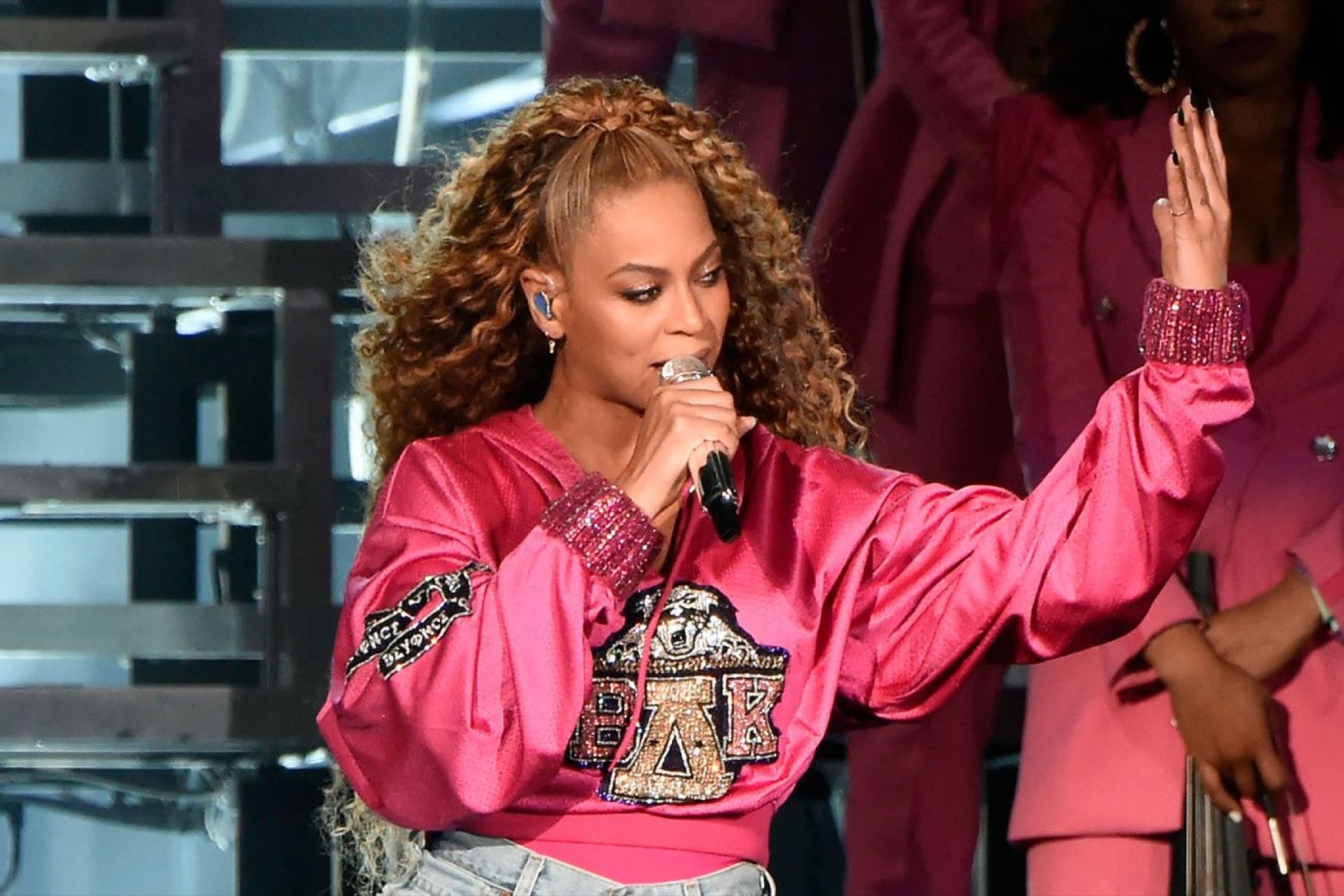
Beyoncé as an Entrepreneur: A Strategic Analysis of a Global Brand
Beyoncé Knowles-Carter has transitioned from a globally recognized musical artist to a multifaceted entrepreneur, building an expansive business portfolio that leverages brand equity, strategic licensing, and operational control. Her a...
Beyoncé Knowles-Carter has transitioned from a globally recognized musical artist to a multifaceted entrepreneur, building an expansive business portfolio that leverages brand equity, strategic licensing, and operational control. Her approach is characterized by vertical integration, direct-to-consumer digital innovation, and the diversification of interests across fashion, wellness, and entertainment production.
Contents
The trajectory of Beyoncé’s career demonstrates a systematic shift from being a talent within a larger industry structure to acting as the primary stakeholder in her own business ecosystem. By exercising creative control over her image and intellectual property, she has moved beyond traditional celebrity endorsements toward ownership models, such as the founding of Parkwood Entertainment. This shift reflects a broader trend among high-profile artists who utilize their platforms to launch independent enterprises, effectively capturing the full value of their cultural influence.
The Pillars of the Knowles-Carter Business Portfolio
Beyoncé’s business strategy is built upon several distinct but interconnected sectors. Each venture relies on the strength of her personal brand, yet each functions with its own operational mandate.
1. Parkwood Entertainment
Founded in 2010, Parkwood Entertainment is the primary vehicle for her professional output. Unlike traditional artist management, Parkwood functions as a full-service production company. It handles record labels, film and television production, management, and marketing. By internalizing these functions, the company retains a larger share of revenue and maintains rigorous quality control over creative assets. This model serves as the backbone for her projects, ensuring that the infrastructure remains under her direct governance.
2. Fashion and Apparel: Ivy Park
The partnership with Adidas for the Ivy Park line represented a significant move into the athleisure market. This venture utilized a collaborative licensing model where the artist provided creative direction while the partner provided manufacturing and global distribution channels. While the partnership eventually reached its contractual conclusion, it served as a case study in how to scale a sub-brand using the visibility of an established celebrity brand to penetrate a competitive retail sector.
3. Wellness and Consumer Goods
Beyond entertainment and fashion, Beyoncé has expanded into the consumer goods sector, including the venture into the haircare industry under the brand Cécred. This move reflects a diversification strategy that seeks to capture market share in high-frequency, non-entertainment industries. By entering the beauty and personal care space, she balances her reliance on cyclical entertainment revenue with steady-state consumer product sales.
Strategic Operational Principles
Beyoncé’s business methodology relies on several identifiable principles that distinguish her from traditional celebrity brand ambassadors.
- Vertical Integration: By controlling production through entities like Parkwood, she limits the number of intermediaries. This allows for faster decision-making and a more direct translation of her creative vision into a finished product.
- Controlled Scarcity and Exclusivity: Beyoncé frequently utilizes "surprise drop" marketing tactics. By bypassing traditional promotional cycles in favor of immediate, high-impact releases, she generates intense media attention and consumer engagement, effectively lowering customer acquisition costs through organic social amplification.
- IP Ownership: A central tenet of her business model is the retention of intellectual property. Whether it is her master recordings or the trademarks associated with her product lines, she prioritizes long-term asset accumulation over short-term licensing fees.
Comparative Analysis of Artist-Led Business Models
The following table illustrates the strategic differences between traditional celebrity endorsements and the ownership-based approach exemplified by Beyoncé.
| Feature | Traditional Endorsement | Ownership-Led Entrepreneurship |
|---|---|---|
| Financial Risk | Low (Fixed Fee) | High (Capital Investment) |
| Creative Control | Limited/Consultative | Absolute/Primary Stakeholder |
| Revenue Stream | One-time Payment | Recurring/Equity-based |
| Brand Longevity | Tied to the Partner’s Campaign | Tied to Asset Growth |
| Operational Scope | Marketing Focus | End-to-End Infrastructure |
Challenges and Scaling Considerations
While successful, this business model faces inherent challenges. The primary obstacle is the burden of constant innovation. When a brand is fundamentally tied to an individual's personal reputation, the entrepreneur must maintain a high level of market relevance to prevent product stagnation.
Operational scaling also presents difficulties. As the portfolio grows to include haircare, film production, and clothing, managing disparate supply chains requires significant human capital and external expertise. The risk here is the "dilution of focus." To mitigate this, she employs executive teams to manage the day-to-day operations of her various companies, allowing her to retain the role of Chief Creative Officer while professional management handles logistical complexities.
Furthermore, legal and regulatory scrutiny increases as an artist transitions into a corporate entity. Intellectual property protection, international tax compliance, and multi-jurisdictional labor laws become significant factors that necessitate robust legal and financial advisory teams.
Related Questions for Aspiring Entrepreneurs
How does an artist maintain quality control during rapid expansion? Quality control is maintained by building internal, specialized teams (like those at Parkwood) that share the same aesthetic and operational standards. This avoids the reliance on third-party agencies whose values may not align with the artist's brand identity.
Is it necessary to have celebrity status to use these business strategies? No. While celebrity status provides an immediate customer base, the core principles—owning one’s IP, vertical integration, and focusing on high-frequency product sectors—are fundamental business concepts that can be scaled by any entrepreneur regardless of their initial public profile.
What is the role of legal counsel in this model? Legal counsel is essential for structuring LLCs, managing trademark registrations, and negotiating licensing agreements. It allows the entrepreneur to compartmentalize liability, ensuring that a lawsuit in one branch of the business does not threaten the entire portfolio.
How does digital transformation impact this entrepreneurship style? Digital platforms allow for direct-to-consumer (DTC) sales, which removes the "middleman" of traditional retail or distribution. By owning the data generated from these platforms, the entrepreneur can iterate products faster based on real-time feedback.
Can these strategies survive the eventual decline of an artist’s touring career? Yes. By transitioning into consumer goods and management companies that don't require the artist to be the physical "face" of every activity, the business model shifts from performance-based revenue to equity-based revenue, which is more resilient to the natural cycles of a musical career.
Next Steps for Business Development
If you are looking to emulate these strategies, the first step is to perform a gap analysis of your current business infrastructure. Identify which parts of your operations are currently outsourced to third parties and evaluate whether those processes could be brought in-house to increase margins and control.
Start by securing your intellectual property. Whether you are building a personal brand or a product-focused company, registering your trademarks and establishing clear ownership structures is the foundation of long-term business value. Once your legal framework is established, prioritize developing a lean team that can manage your core operations, allowing you to focus on the strategic direction and quality oversight that defines your unique brand position.
Image Gallery