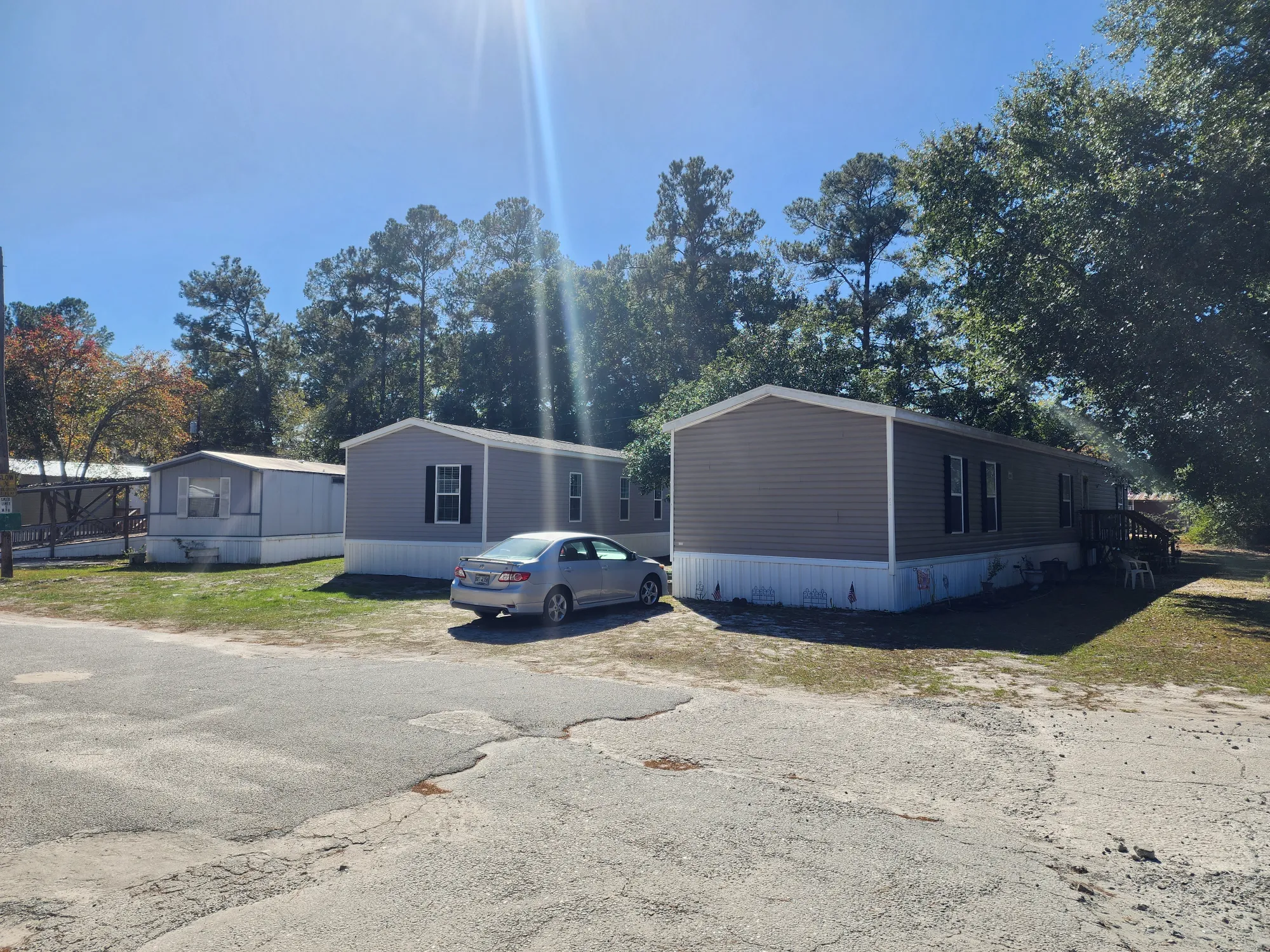
Finding and Securing Mobile Home Parks for Rent Near Me in 2026
Locating available mobile home parks for rent requires a strategic approach combining digital real estate tools, local municipal records, and on-the-ground reconnaissance to identify communities that offer vacant lots for manufactured...
Locating available mobile home parks for rent requires a strategic approach combining digital real estate tools, local municipal records, and on-the-ground reconnaissance to identify communities that offer vacant lots for manufactured housing or rentals of existing mobile homes. Whether you are looking to lease space for a home you already own or search for an all-inclusive rental package, understanding land-lease community dynamics, zoning laws, and leasing terms is essential for securing a stable, affordable housing option in 2026.
Contents
Understanding the Manufactured Housing Landscape
Navigating the market for mobile home parks begins with recognizing the fundamental distinction between renting a physical mobile home and renting a land lease (space rent) within a community. Manufactured housing communities operate under unique property structures that differ significantly from traditional apartment rentals or single-family home leases.
When searching for options nearby, you will generally encounter two primary business models within these parks:
- Resident-Owned Homes on Leased Land: You purchase or finance the manufactured home itself, and you pay monthly rent to the park owner for the underlying parcel of land, pad, or site.
- Park-Owned Rentals (POR): The community management owns both the land and the physical mobile home structure, renting them out together under a standard residential lease agreement.
Recognizing this distinction dictates your financial obligations, maintenance responsibilities, and legal rights under local landlord-tenant statutes. Park-owned rentals typically require standard security deposits and monthly rent covering both structure and space. Conversely, bringing your own home onto a rented pad involves transportation costs, setup fees, utility connection expenses, and adherence to strict community architectural guidelines.
Essential Criteria for Evaluating Local Manufactured Home Communities
Selecting the right park involves analyzing multiple operational, financial, and environmental factors. Rushing into a lease without verifying community standards can lead to unexpected expenses or lease violations.
Infrastructure and Utility Hookups
Before signing a lease agreement or moving a structure, verify the status and capacity of on-site utilities. Modern communities generally feature city water and municipal sewer connections, but rural or older parks may rely on well water and private septic tanks. Ensure that electrical pedestals supply adequate amperage (typically 100 to 200 amps) to support modern appliances and HVAC systems.
Community Rules, Covenants, and Restrictions (CC&Rs)
Every reputable mobile home park operates under a binding set of rules and regulations. These guidelines govern daily life within the neighborhood and protect property values. Review the community bylaws for specific clauses covering:
- Age-restrictions (e.g., designated 55+ senior active communities versus all-age family parks).
- Pet policies, including breed, weight limitations, and pet deposit fees.
- Vehicle parking limits, restrictions on commercial vehicles, and rules regarding recreational vehicles or boats.
- Home exterior maintenance standards, skirting requirements, and storage shed regulations.
Location, Accessibility, and Proximity to Services
Evaluate the park's geographic positioning relative to essential daily infrastructure. Proximity to major regional healthcare systems, transit corridors, employment centers, and grocery stores impacts both your quality of life and long-term convenience. Furthermore, verify whether the community lies within a designated flood zone or prone to severe weather hazards, which directly influences your hazard and casualty insurance premiums.
Financial Realities: Costs, Fees, and Lease Structures
Budgeting for a mobile home park tenancy requires accounting for recurring and variable expenses that go beyond base rent. In 2026, inflationary pressures and rising property management operational costs have shifted fee structures across the manufactured housing sector.
| Expense Category | Typical Cost Structure | Description & Responsibility |
|---|---|---|
| Base Space Rent / Lot Rent | $400 - $900+ per month | Monthly fee paid to the park owner for land occupancy, common area maintenance, and basic amenities. |
| Utilities | Variable ($100 - $300+ / month) | Water, sewer, trash removal, electricity, and gas. Some parks sub-meter utilities, while others include water/trash in base rent. |
| Security Deposit | 1 to 2 months' rent | Upfront refundable deposit required upon lease execution to cover potential property damage. |
| Park Entrance/Application Fee | $50 - $150 per adult | Non-refundable fee covering background, credit, and criminal history screening by park management. |
| Home Transport & Setup | $3,000 - $10,000+ (One-time) | Applicable only if moving an existing home onto an empty pad; includes teardown, transport, leveling, anchoring, and setup. |
Review the community lease term carefully. Many operators offer standard one-year leases, but land-lease communities often utilize month-to-month agreements or longer-term ground leases. Pay close attention to annual rent escalation clauses, which dictate how much the landlord can increase space rent upon lease renewal.
Step-by-Step Guide to Finding and Securing a Space
Finding available lots or park-owned rentals requires a systematic search methodology that combines modern online listing aggregation with direct local outreach.
- Conduct Digital Reconnaissance: Utilize specialized manufactured housing directories such as MHVillage, MobileHome.net, and traditional real estate portals filtered by property type. Search for local parks within your target county or zip code.
- Contact Community Management Directly: Online databases do not always reflect real-time pad vacancies. Call or visit park management offices to inquire about unlisted open pads, upcoming move-outs, or newly acquired park-owned homes.
- Submit Application and Undergo Screening: Complete tenant application forms and provide required documentation, including proof of income, employment verification, and references. Parks enforce strict credit and background checks to maintain community safety.
- Review the Prospectus and Disclosure Statements: State laws frequently require park operators to provide a community prospectus outlining zoning history, utility maintenance responsibilities, and historical rent increases over the past three to five years.
- Inspect the Physical Pad or Home: Walk the specific lot to check drainage, proximity to amenities, tree canopy conditions, and driveway access. If renting a park-owned home, perform a detailed move-in inspection checklist documenting any pre-existing structural wear.
- Execute the Lease Agreement: Sign the lease and community rules acknowledgment. Secure required renter's insurance or specialized manufactured home insurance policies before moving your belongings or structure onto the property.
Pros and Cons of Living in a Mobile Home Park
Weighing the advantages against the potential drawbacks ensures you make an informed housing decision aligned with your financial and lifestyle goals.
Advantages
- Affordability: Generally offers a lower cost of entry and lower monthly housing expenses compared to traditional stick-built single-family housing or conventional apartment complexes.
- Community Amenities: Many modern parks feature structured neighborhood environments equipped with clubhouses, swimming pools, playgrounds, fitness centers, and secure gated entries.
- Maintenance Freedom: When renting a park-owned home or living in a professionally managed community, exterior common areas, street maintenance, and landscaping of shared spaces are handled by management.
Disadvantages
- Land Rent Vulnerability: If you own your home but rent the land, you are subject to land rent increases and potential changes in park ownership or zoning redevelopment.
- Strict Community Guidelines: Comprehensive rules regarding home appearance, exterior modifications, and guest parking can limit personal autonomy compared to owning private acreage.
- Resale Complexities: Selling a mobile home located within a rented park can be subject to park management approval of the incoming buyer, potentially delaying transactions.
Frequently Asked Questions
Can I move any mobile home into an empty park space?
No. Most mobile home parks enforce strict age limits and size restrictions on incoming structures. Many communities prohibit homes older than 10 to 15 years to maintain neighborhood aesthetic standards, and single-wide versus double-wide pad availability must match your specific home dimensions.
Who is responsible for repairing utility lines in a mobile home park?
Generally, park management is responsible for maintaining main utility lines up to the designated point of connection or pedestal at your specific pad. The homeowner or tenant is typically responsible for lateral lines running from the connection point directly into the home's underbelly.
What happens if the mobile home park is sold or redeveloped?
State laws govern tenant rights during park closures or redevelopment, often requiring advance written notice ranging from 60 days to over a year. Some jurisdictions mandate relocation assistance or right-of-first-refusal provisions if residents attempt to purchase the park cooperatively.
Are mobile home parks considered safe and stable housing?
Yes. Modern manufactured housing is built to strict federal HUD construction and safety standards implemented in 1976, ensuring structural integrity, fire resistance, and energy efficiency comparable to traditional site-built homes.
How do I check the reputation and history of a local park?
Review local municipal code enforcement records, check online tenant review forums, visit the property at different times of day to observe neighborhood conditions, and talk directly with current residents about management responsiveness and utility reliability.
Strategic Recommendation
To secure a quality mobile home park rental that meets your needs, prioritize parks managed by professional property management companies rather than fragmented independent owners, as corporate operators typically provide more consistent maintenance and transparent lease terms. Always inspect the community firsthand during evening hours to evaluate lighting, parking congestion, and overall neighborhood atmosphere before committing to a long-term lease agreement.
Image Gallery