Who Founded Estée Lauder and Why Her Legacy Matters in 2026
The Estée Lauder Companies was founded in 1946 by Josephine Esther Mentzer, professionally known as Estée Lauder, and her husband, Joseph Lauder. Her impact remains profound because she pioneered modern cosmetic marketing—specifically...
The Estée Lauder Companies was founded in 1946 by Josephine Esther Mentzer, professionally known as Estée Lauder, and her husband, Joseph Lauder. Her impact remains profound because she pioneered modern cosmetic marketing—specifically the "Gift with Purchase" model—and transformed a four-product skincare line into a global prestige beauty empire that continues to dominate the luxury market in 2026.
Contents
The Origins of a Beauty Pioneer
To understand why Estée Lauder matters, one must first look at the woman behind the name. Born in 1908 in Corona, Queens, New York, Josephine Esther Mentzer was the daughter of Hungarian and Czech immigrants. Her journey into the world of beauty did not begin in a corporate boardroom but in a kitchen.
Her uncle, John Schotz, was a chemist who created skin creams and lotions. Young Estée was fascinated by his work, watching him blend ingredients to create "velvet packs." She didn't just help him; she learned the science of skin. By the time she was a teenager, she was selling these products to her friends and eventually to local beauty salons. She understood early on that a woman’s desire for beauty was universal and that the best way to sell a product was to put it directly on the customer’s face.
In 1930, she married Joseph Lauder, and together they formed a partnership that would change the face of the beauty industry. While Joseph handled the operations and finance, Estée was the visionary, the salesperson, and the face of the brand.
The Official Founding and Early Breakthroughs
While Estée had been selling skincare for years, The Estée Lauder Companies was officially incorporated in 1946. At the time, the product line was remarkably lean, consisting of only four items: Super Rich All-Purpose Creme, Creme Pack, Cleansing Oil, and Skin Lotion.
The turning point for the brand came in 1947 when Estée landed her first major order. After years of persistence, she convinced Saks Fifth Avenue to place an order worth $800. The products sold out in two days. This success proved that there was a massive market for high-end, prestige skincare backed by a personal touch.
Estée’s sales strategy was revolutionary. She practiced what she called "High-Touch" service. She would visit beauty salons and wait for women to be under the hair dryers—a captive audience. She would then apply her creams to their faces, believing that "the face is the most important thing a woman has." This direct-to-consumer physical engagement was the precursor to the modern personalized beauty consultation.
Why Estée Lauder Matters: Revolutionary Marketing
The reason Estée Lauder is studied in business schools today is not just because of the quality of her creams, but because of her brilliance as a marketer. She invented or refined several pillars of the modern retail experience.
The "Gift with Purchase" (GWP)
Perhaps her most enduring contribution to retail is the Gift with Purchase. In the early days, Estée did not have a large advertising budget. Instead of buying print ads, she decided to use her marketing budget to give away free samples of her products to anyone who bought another item.
Competitors mocked the idea, claiming she was "giving away the store." However, Estée realized that once a woman tried a high-quality product, she would become a loyal customer. Today, in 2026, the GWP remains a standard practice across the entire beauty and fragrance industry, from Sephora to high-end department stores.
The Democratization of Fragrance: Youth-Dew
Before 1953, perfume was a luxury item that women received as gifts from men for birthdays or anniversaries. It was kept on a vanity and used sparingly for special occasions. Estée Lauder changed this dynamic with the introduction of Youth-Dew.
Instead of marketing it as a perfume, she sold it as a bath oil that doubled as a skin perfume. Because it was a bath oil, women felt comfortable buying it for themselves. It was an affordable luxury that could be used every day. This shift empowered women to become their own consumers of fragrance, and it turned Youth-Dew into a worldwide sensation, selling 50,000 bottles in its first year and millions thereafter.
The Power of "Telephone, Telegraph, Tell-a-Woman"
Estée Lauder understood the power of word-of-mouth long before the era of social media influencers. She lived by the mantra: "Telephone, Telegraph, Tell-a-Woman." She knew that a recommendation from a friend was more powerful than any billboard. She encouraged her customers to share their beauty secrets, effectively creating the first organic "viral" marketing campaigns in the beauty world.
Strategic Milestones in the Estée Lauder Legacy
The company's growth was fueled by a series of strategic decisions that allowed it to scale without losing its prestige status.
| Milestone Year | Event | Significance |
|---|---|---|
| 1946 | Official Incorporation | Established the brand as a formal business entity in New York. |
| 1953 | Launch of Youth-Dew | Transformed the fragrance market and provided the capital for global expansion. |
| 1960 | International Expansion | Opened a counter at Harrods in London, marking the brand's first step outside the US. |
| 1968 | Launch of Clinique | Created the first allergy-tested, fragrance-free, dermatologist-driven line. |
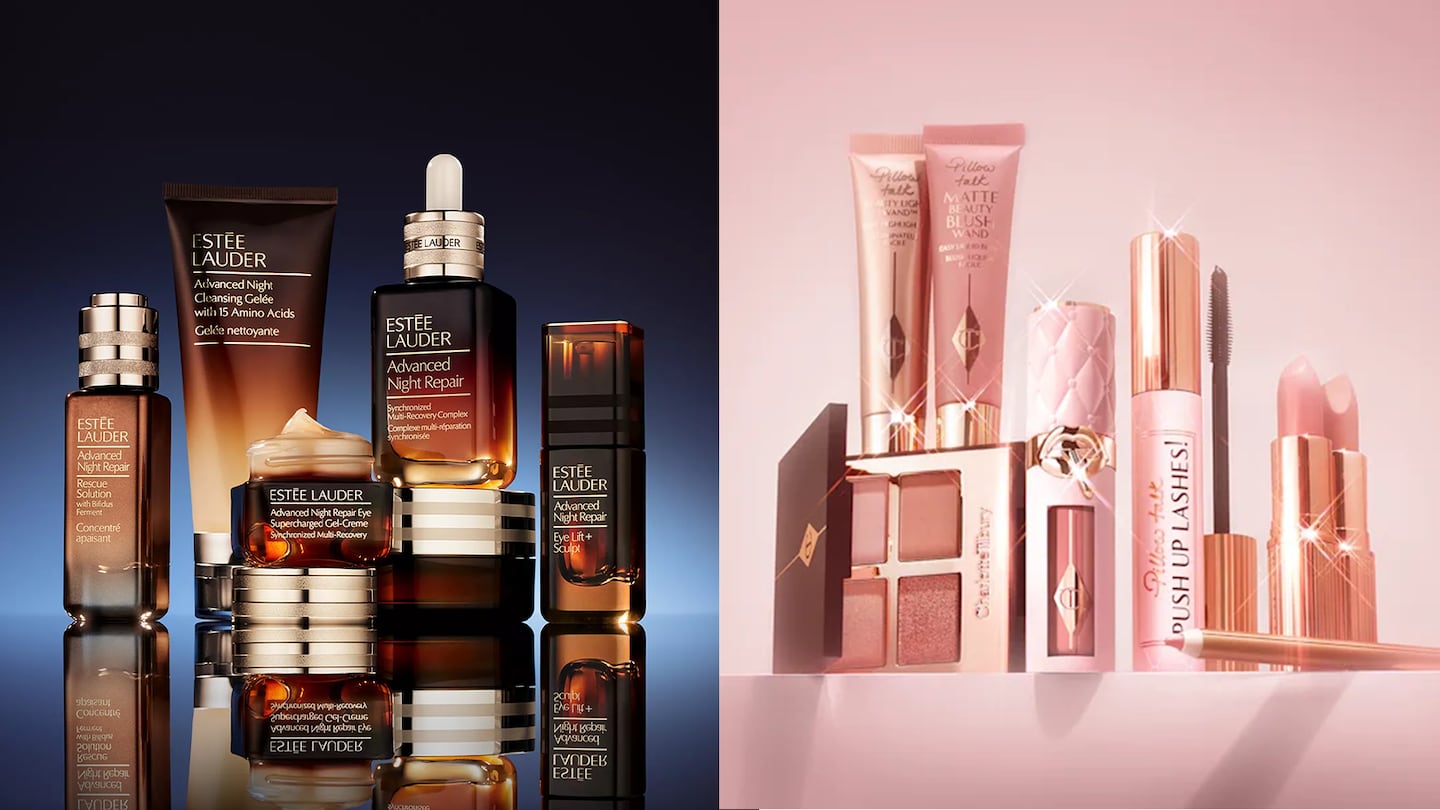
| 1982 | Night Repair Launch | Revolutionized the skincare market by introducing the concept of "skin recovery" during sleep. |
| 1995 | Initial Public Offering (IPO) | Took the company public on the NYSE while maintaining family control. |
| 2004 | Death of Estée Lauder | The founder passed away, but her vision remained the core of the corporate culture. |
| 2026 | Current Market Standing | Continues as a leader in prestige beauty with a portfolio of over 25 global brands. |
The Estée Lauder Portfolio in 2026
By 2026, The Estée Lauder Companies (ELC) has evolved from a single brand into a powerhouse portfolio. This multi-brand strategy, initiated by Estée herself and expanded by her son Leonard Lauder, allowed the company to dominate different segments of the market simultaneously.
The company owns or licenses some of the most recognizable names in beauty:
- Clinique: Targeted at the "clean" and dermatologist-aligned consumer.
- M·A·C Cosmetics: Focused on professional artistry and diverse color palettes.
- La Mer: The pinnacle of luxury, high-science skincare.
- Jo Malone London: Leading the artisanal fragrance and "scent pairing" movement.
- Too Faced and Dr.Jart+: Capturing younger demographics and the "K-Beauty" influence.
This diversification matters because it protected the company from shifts in consumer trends. If one brand faced a downturn, another in the portfolio would often be on the rise, ensuring steady corporate growth for nearly eight decades.
Modern Lessons for Entrepreneurs
The story of Estée Lauder is more than just a history of makeup; it is a blueprint for building a brand that lasts.
- Start with the Product: Estée believed that if the product wasn't superior, no amount of marketing could save it. She personally tested and refined her formulas until they met her exacting standards.
- Know Your Customer: She spent countless hours behind the counters of department stores. She didn't rely on focus groups; she relied on direct observation of how women used her products and what they complained about.
- The "No" is Just the Beginning: Estée was famously persistent. When she was rejected by a buyer at the Galeries Lafayette in Paris, she "accidentally" spilled her Youth-Dew on the floor during a busy afternoon. The scent filled the air, customers started asking what it was, and the buyer was forced to place an order.
- Maintain the Image: Even as the company grew to a multi-billion dollar scale, Estée insisted on maintaining a "prestige" image. She refused to sell her products in supermarkets or discount pharmacies, a strategy the company adheres to even in the digital-first retail environment of 2026.
The Cultural Significance of Estée Lauder
Estée Lauder was one of the few women of her era to build a global business from scratch. She broke the glass ceiling long before the term existed, becoming the only woman on Time magazine’s 1998 list of the 20 most influential business geniuses of the 20th century.
Her legacy matters because she proved that beauty was not just a vanity project—it was a serious, scientific, and highly profitable industry. She validated the idea that women could be the primary drivers of economic value in the luxury sector, both as creators and as consumers.
Frequently Asked Questions
Did Estée Lauder really invent the "Gift with Purchase"?
While some local shops may have experimented with small giveaways, Estée Lauder was the first to formalize and scale the "Gift with Purchase" as a national marketing strategy. She recognized that giving away a smaller version of a premium product was the most effective way to ensure a customer would return to buy the full-sized version.
Is the Estée Lauder Company still family-owned in 2026?
The Estée Lauder Companies Inc. is a publicly traded company on the New York Stock Exchange (ticker: EL). However, the Lauder family retains a controlling interest through a class of shares with superior voting rights. Several family members, including William P. Lauder, continue to hold key leadership and board positions as of 2026.
How did Estée Lauder compete with Elizabeth Arden and Helena Rubinstein?
When Estée started, Arden and Rubinstein were the established giants. Estée competed by being more "High-Touch" and accessible. While the other two were seen as distant and aristocratic, Estée was the woman behind the counter, touching the faces of her customers and speaking their language. She leveraged her relative youth and energy to disrupt their dominance.
What was Estée Lauder's first product?
The first product she sold was the Super Rich All-Purpose Creme, which was based on a formula developed by her uncle. It was designed to be a multi-tasking product that could cleanse, hydrate, and nourish the skin, reflecting her belief that skincare should be effective but not overly complicated for the average woman.
Why is the company still successful 80 years later?
The company’s success in 2026 is attributed to its "prestige-only" focus and its ability to acquire and grow niche brands. By focusing exclusively on high-end beauty and avoiding the mass-market grocery channel, the company maintains high margins and a luxury brand equity that few competitors can match.
Recommendation for Further Research
For those interested in the business strategies of the beauty industry, the next logical step is to study the "Clinique Case Study." Launched in 1968, Clinique was the company's first major internal brand expansion and set the standard for how to launch a "competitor" brand to your own main line without cannibalizing sales. Understanding the Estée Lauder business model provides a foundational look at how luxury branding and customer loyalty are built from the ground up.
Image Gallery