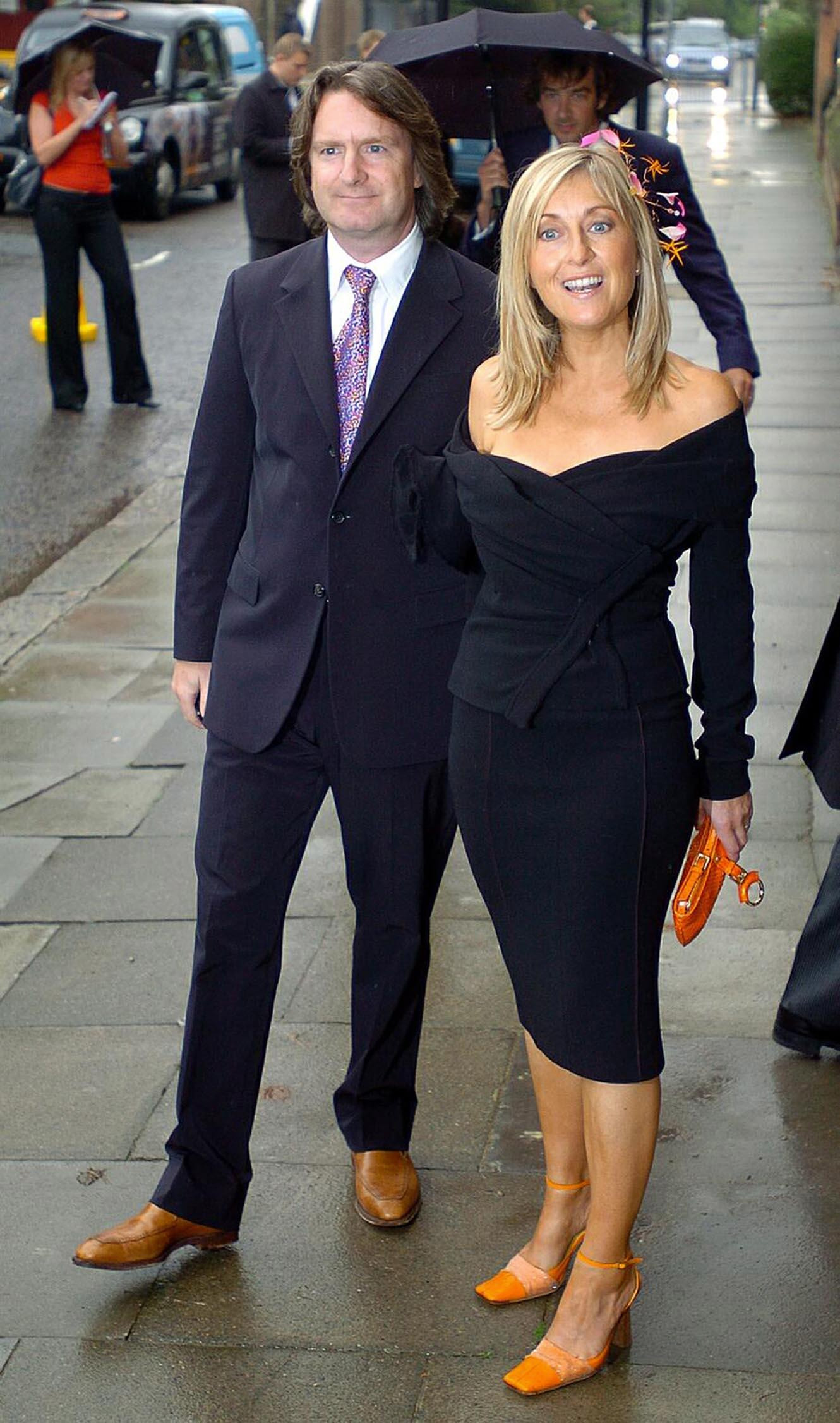
Fiona Phillips Today: An Update on Her Health and Alzheimer’s Journey in 2026
Fiona Phillips is currently living with Alzheimer’s disease, a condition she publicly disclosed in July 2023. As of 2026, she remains under specialist medical care and continues her role as a prominent advocate for dementia awareness....
Fiona Phillips is currently living with Alzheimer’s disease, a condition she publicly disclosed in July 2023. As of 2026, she remains under specialist medical care and continues her role as a prominent advocate for dementia awareness. While she has largely retired from public broadcasting to focus on her health and family, her participation in clinical trials remains a significant part of her ongoing journey.
Contents
The news of Fiona Phillips’ diagnosis sent shockwaves through the UK media landscape when it was first revealed. As one of the most recognizable faces in British television—best known for her decade-long tenure on GMTV—her transition from a journalist reporting the news to becoming the subject of a deeply personal health story has highlighted the realities of early-onset Alzheimer’s. In 2026, her story continues to serve as a beacon for those navigating similar paths, emphasizing the importance of early detection and the pursuit of new medical treatments.
The 2023 Disclosure and Its Lasting Impact
In July 2023, Fiona Phillips revealed that she had been diagnosed with Alzheimer’s disease the previous year at the age of 61. The announcement was particularly poignant because both of her parents had suffered from the same condition. Her mother, Amy, passed away with the disease in 2006, followed by her father, Neville, in 2012. Phillips had spent years campaigning for better dementia care, never imagining she would be diagnosed with the condition so relatively early in her life.
The disclosure was not merely a health update; it was a call to action. By speaking openly about her diagnosis in The Mirror, a publication she had written for for years, she brought the conversation regarding "early-onset" dementia into the mainstream. This term refers to any form of dementia that affects people under the age of 65. For Phillips, the diagnosis explained months of debilitating anxiety and "brain fog" that she had initially attributed to the menopause—a common diagnostic hurdle for women in their late 50s and early 60s.
From Menopause Symptoms to a Life-Changing Diagnosis
One of the most critical aspects of Fiona Phillips’ journey is the overlap between menopausal symptoms and the early signs of cognitive decline. In 2021 and 2022, Phillips experienced increased anxiety and a loss of confidence, which many healthcare professionals first treated as symptoms of the menopause. She underwent Hormone Replacement Therapy (HRT), but while some physical symptoms improved, the cognitive "fog" remained and eventually worsened.
This confusion highlights a significant gap in women's healthcare that Phillips has been vocal about. The physiological changes during menopause can often mask neurological shifts. It was only after HRT failed to resolve her memory issues that she sought further testing at University College Hospital (UCH) in London, leading to the definitive diagnosis of Alzheimer’s.
Clinical Trials and the Fight for a Cure
As of 2026, Phillips’ medical regimen has included participation in groundbreaking clinical trials. Shortly after her diagnosis, she began taking part in a trial for a drug called Miridesap, conducted by the University College London Hospitals (UCLH) NHS Foundation Trust.
Clinical trials are the cornerstone of modern Alzheimer’s research. For Phillips, the decision to participate was driven by a desire to contribute to a future where the disease is manageable, if not curable. These trials often focus on "amyloid clearance"—the process of removing toxic protein plaques that build up in the brains of Alzheimer’s patients.
Understanding the Miridesap Trial
The drug Miridesap (also known as CPHPC) works by a unique mechanism compared to some other high-profile Alzheimer’s treatments. It targets a protein called Serum Amyloid P component (SAP). By removing SAP from the brain, researchers hope to stop the formation of the amyloid fibrils that lead to cell death.
Phillips has been an "active" participant, meaning she has undergone regular monitoring, including:
- Regular infusions or injections: Depending on the trial phase, patients receive the medication under strict clinical supervision.
- Cognitive Assessments: Frequent testing to track memory, problem-solving skills, and daily functioning.
- Brain Imaging: Using MRI and PET scans to visualize changes in brain structure and amyloid density.
While clinical trials do not guarantee a personal "cure," they are vital for the regulatory approval of drugs that could help millions. Phillips’ involvement has significantly boosted recruitment for such trials in the UK, as her story demystifies the process for the general public. You can learn more about current research initiatives at the Alzheimer's Society.
The Legacy of a Broadcaster Turned Advocate
Fiona Phillips' career in broadcasting spanned several decades, characterized by her warm but tenacious interviewing style. Her work on GMTV from 1997 to 2008 made her a household name, where she interviewed everyone from world leaders to Hollywood stars.
However, her role today in 2026 is defined by her advocacy. By refusing to hide her diagnosis, she has challenged the stigma that dementia is a condition only for the very elderly or that it signals an immediate end to a meaningful life.
Reducing the Stigma of Dementia
Stigma often leads to social isolation for those diagnosed with Alzheimer’s. Phillips and her husband, Martin Frizell (the editor of ITV’s This Morning), have been candid about the challenges they face, including the emotional toll on the family. By sharing these details, they have helped others realize that:
- Dementia is a physical disease: It is not a natural part of aging, nor is it something to be ashamed of.
- Life continues after diagnosis: While roles may change, the person remains, and their contributions to society—such as Phillips' advocacy—remain invaluable.
- Support systems are essential: No one should navigate this diagnosis alone.
Supporting a Loved One: The Role of Martin Frizell
The impact of Alzheimer’s extends beyond the patient to their primary caregivers. Martin Frizell has been a pillar of support for Phillips, often speaking on her behalf or alongside her to explain the daily realities of the condition. He has detailed the "heartbreak" of watching a partner change while remaining committed to providing the best possible quality of life.
In 2026, the couple’s experience reflects that of hundreds of thousands of "sandwich generation" families in the UK—those who may still be supporting adult children while simultaneously managing the complex care needs of a spouse or parent. Their transparency regarding the strain on their marriage and the necessity of patience has been a vital resource for other caregivers. For those seeking guidance on supporting a spouse, the NHS provides comprehensive resources.
Comparing Alzheimer’s Support and Resources
Navigating the landscape of dementia care in 2026 requires understanding the different types of support available. The following table outlines the primary resources available for those in a situation similar to Fiona Phillips.
| Resource Type | Focus Area | Best For | Access Method |
|---|---|---|---|
| Clinical Trials | Experimental drugs and therapies | Patients seeking early access to new treatments | Via specialist hospitals like UCLH |
| Memory Cafés | Social interaction and peer support | Reducing isolation for patients and caregivers | Local community centers and charities |
| Admiral Nurses | Specialist dementia nursing | Families needing expert practical and emotional advice | Through the charity Dementia UK |
| Cognitive Stimulation Therapy (CST) | Mental exercise and engagement | Slowing the progression of mild to moderate symptoms | GP referral or private clinics |
| Legal & Financial Advice | Power of Attorney and care funding | Planning for future care needs and asset protection | Solicitors specializing in elder law |
Frequently Asked Questions
How old is Fiona Phillips now?
As of 2026, Fiona Phillips is 65 years old. She was born on January 1, 1961. Her diagnosis at the age of 61 places her in the category of early-onset Alzheimer’s, which affects approximately 7.5% of all people with dementia.
Is Fiona Phillips still working?
While Fiona Phillips has largely stepped back from her full-time broadcasting and columnist roles to prioritize her health, she occasionally participates in documentary work or interviews specifically focused on Alzheimer’s advocacy. Her "work" has transitioned from general journalism to specialized awareness campaigns.
What were Fiona Phillips' first symptoms?
Her initial symptoms included severe anxiety, a lack of confidence, and cognitive "fog." Because these coincided with her mid-50s and early 60s, they were initially mistaken for symptoms of the menopause. It was only when these symptoms persisted despite HRT treatment that further neurological investigations were conducted.
Does Alzheimer's run in Fiona Phillips' family?
Yes, there is a strong family history. Both her mother and father died from the disease. This genetic component is something Phillips has spoken about frequently, expressing her long-held fear that she might also develop the condition, which unfortunately materialized in 2022.
What trial drug is Fiona Phillips taking?
She has been involved in trials for Miridesap at University College Hospital. This drug is designed to remove Serum Amyloid P (SAP) from the brain, which is believed to play a role in the formation of the plaques associated with Alzheimer's disease.
Next Steps for Those Seeking Help
If you or a loved one are experiencing symptoms similar to those described by Fiona Phillips—such as persistent memory loss, confusion, or unexplained anxiety—it is essential to seek medical advice promptly. Early diagnosis is key to accessing the latest clinical trials and starting treatments that may help manage symptoms.
- Consult a GP: Request a "memory assessment." Document specific instances of forgetfulness or behavioral changes.
- Seek a Specialist Referral: In the UK, this usually means being referred to a Memory Clinic or a neurologist.
- Explore Clinical Trials: Research hospitals like UCLH often have information on ongoing studies.
- Join a Support Group: Organizations like the Alzheimer’s Society offer local support networks that can provide invaluable community connection.
Fiona Phillips' journey is a testament to the fact that while an Alzheimer’s diagnosis is life-altering, it is also an opportunity to advocate for change and contribute to the global effort to defeat the disease.
Image Gallery