The Odyssey Movie Pictures Reveal a Bold New Mythic Vision
The recently released promotional pictures for the latest cinematic adaptation of Homer’s The Odyssey—titled The Return—reveal a bold, grounded mythic vision that prioritizes psychological realism over digital artifice. Directed by Ube...
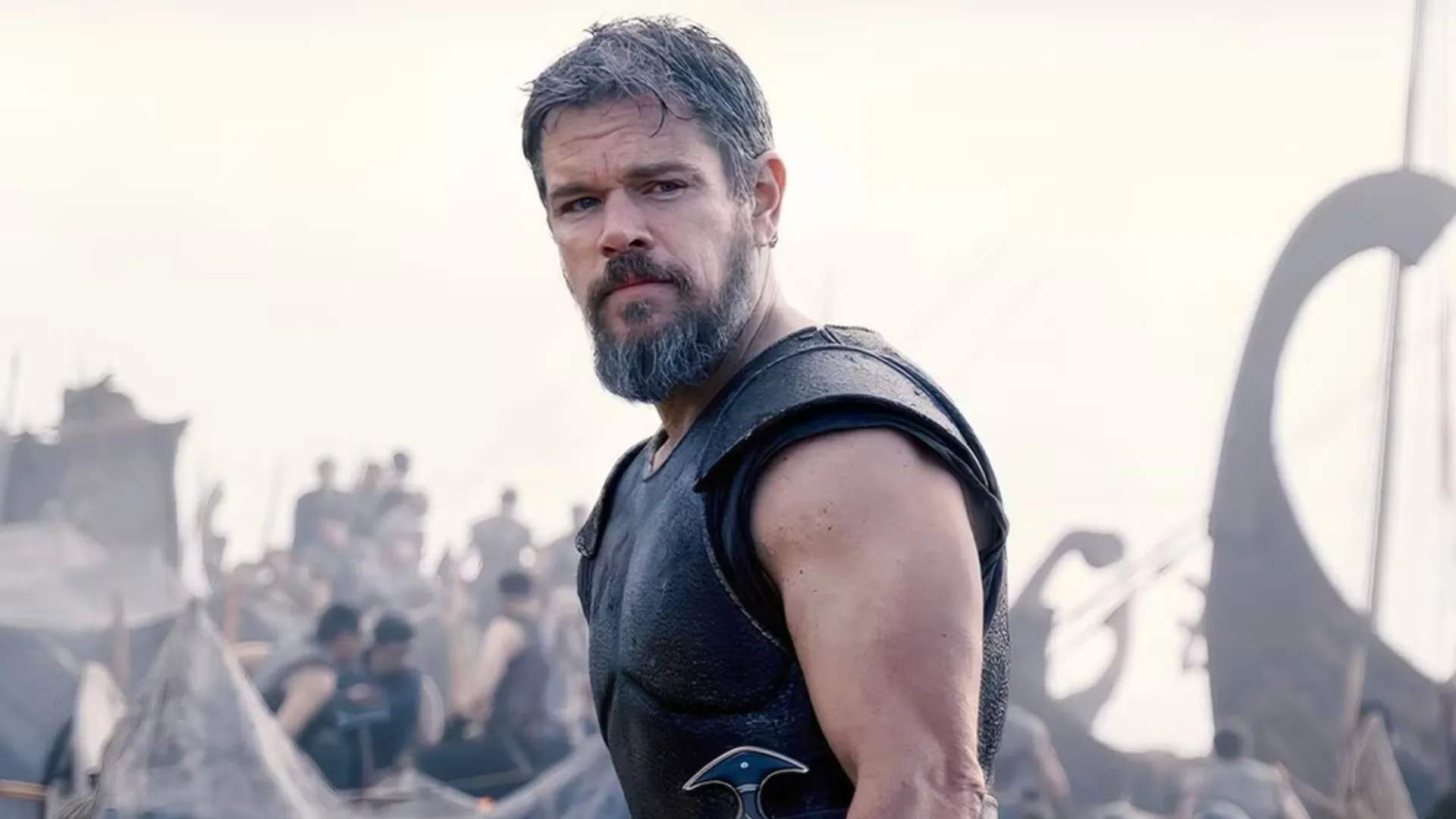
The recently released promotional pictures for the latest cinematic adaptation of Homer’s The Odyssey—titled The Return—reveal a bold, grounded mythic vision that prioritizes psychological realism over digital artifice. Directed by Uberto Pasolini and starring Ralph Fiennes and Juliette Binoche, the film’s imagery signals a shift toward a gritty, ancestral interpretation of the ancient Greek epic.
Contents
For decades, cinematic depictions of Odysseus have leaned heavily into the fantastical, often prioritizing the "monsters and magic" of the hero’s ten-year journey home. However, the first look at the 2025–2026 production cycle indicates that this new vision is interested in something far more profound: the internal wreckage of a man who has spent twenty years at war and at sea, and the cold reality of the kingdom he left behind.
A Departure from CGI Spectacle
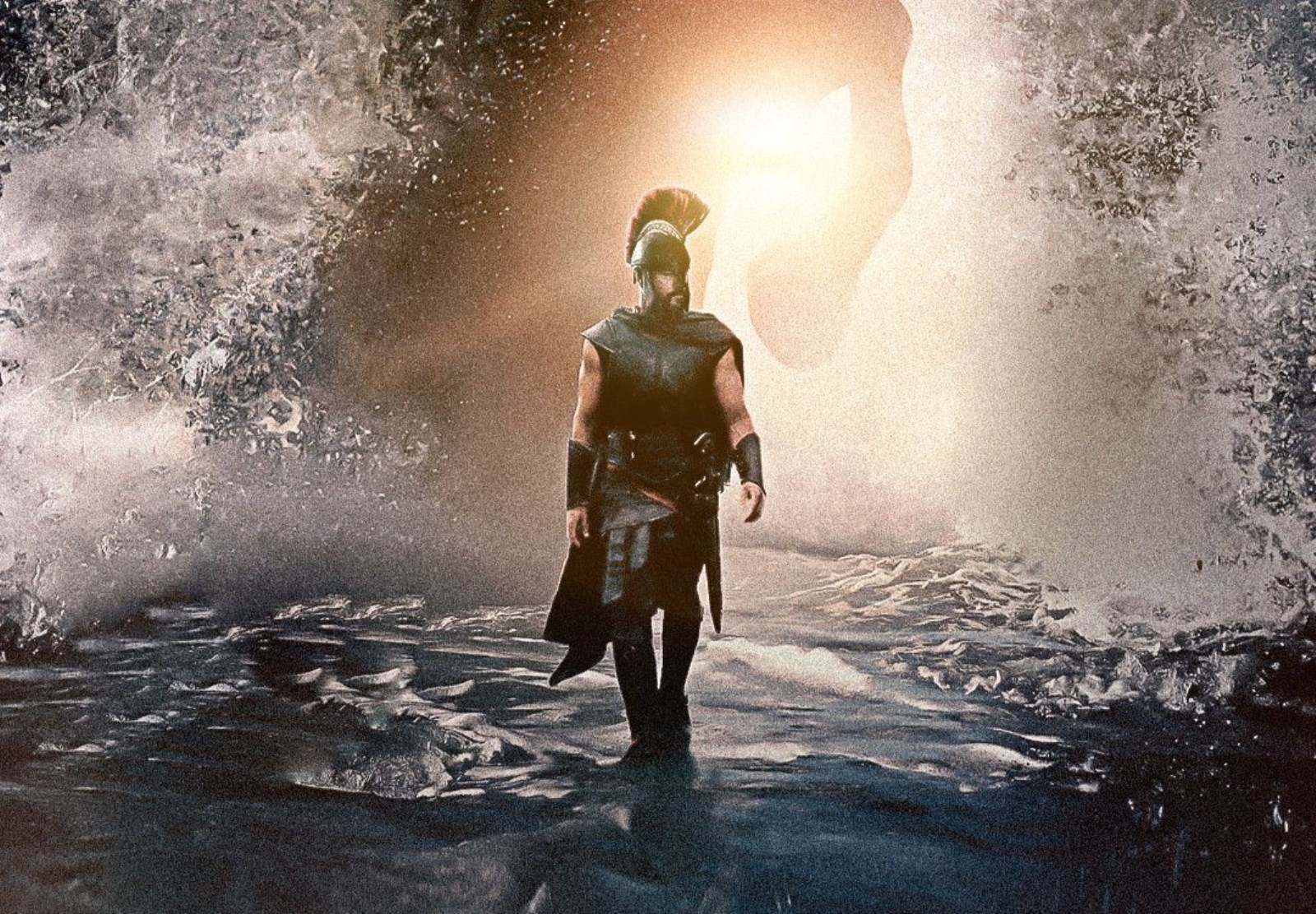
The most striking aspect of the pictures revealed for this new mythic vision is the absence of the glossy, saturated palette typical of modern sword-and-sandal blockbusters. Instead, the cinematography employs a desaturated, earthy aesthetic. This is not the gleaming marble Greece of 1950s cinema or the hyper-kinetic, CGI-drenched world of 300. It is a world of coarse wool, jagged limestone, and the omnipresent, unforgiving sun.
By 2026, audience fatigue with over-processed visual effects has led to a resurgence in naturalistic filmmaking. The "mythic vision" touted by the production team focuses on the tactile. You can almost feel the salt crust on Odysseus’s skin and the rough texture of the loom where Penelope waits. This visual choice forces the viewer to confront the characters as humans rather than untouchable legends, bridging the three-millennium gap between the audience and the source material.
Analyzing the Key Imagery: The Return of the King
The central image released to the public features Ralph Fiennes as Odysseus, standing on the rugged shores of Ithaca. Unlike the triumphant heroes of past adaptations, Fiennes appears skeletal and haunted. His eyes do not suggest a conqueror, but a survivor grappling with what we would modernly define as post-traumatic stress.
The Iconography of Ithaca
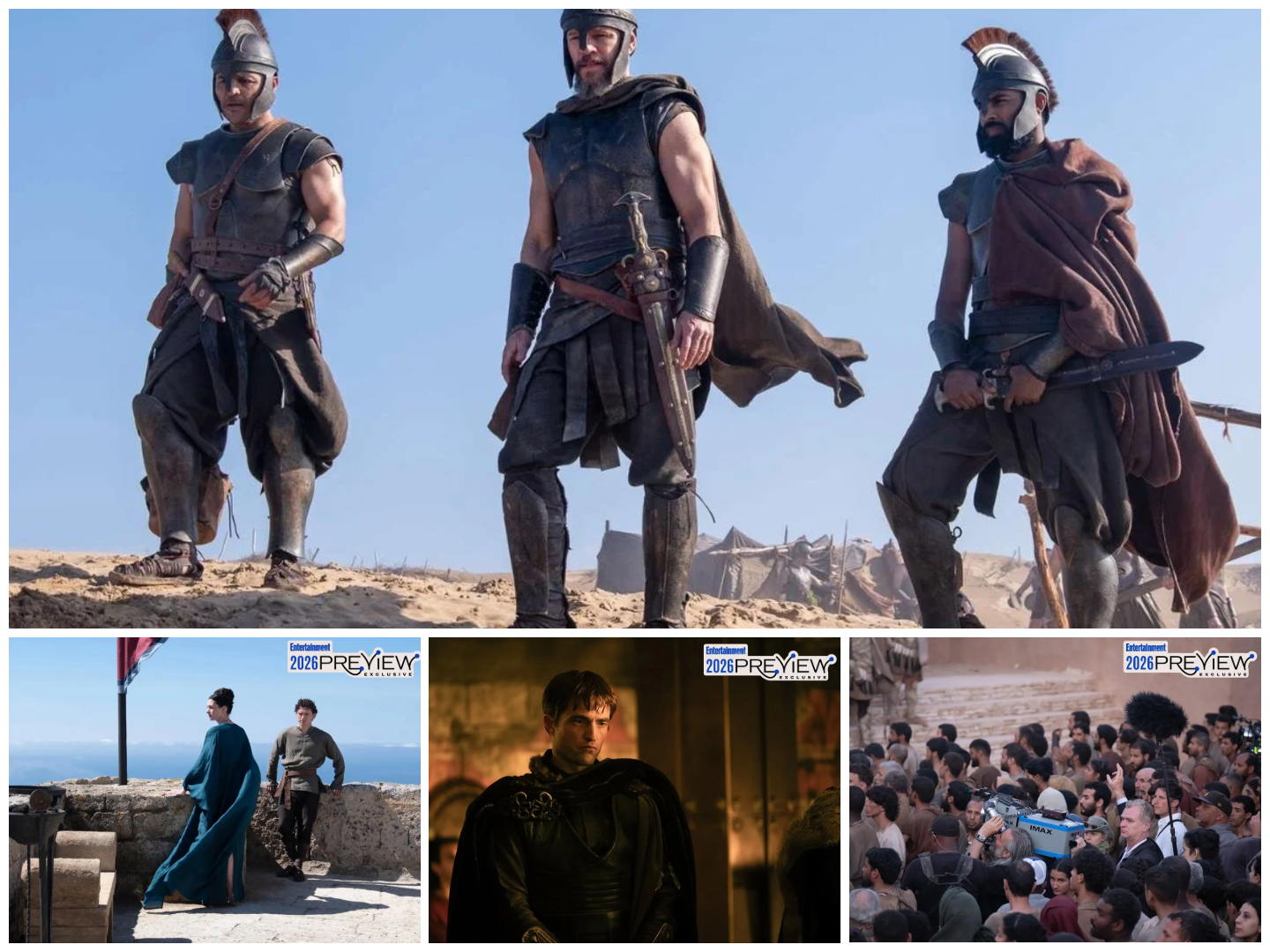
The production stills reveal a version of Ithaca that feels lived-in and precarious. The architecture is modest—closer to the Bronze Age reality of 1200 BCE than the classical ruins often seen in films. This "bold new vision" strips away the anachronistic luxuries of later Greek eras to show a palace that is more of a fortified farmstead, currently under siege by the "suitors" who have colonized Penelope’s home.
Penelope’s Silent Resistance
Juliette Binoche’s portrayal of Penelope, as seen in the released pictures, is equally revolutionary. Rather than a passive figure of grief, the images show her as a sharp, tactical presence. One particular shot captures her at the loom, her face illuminated by flickering oil lamps, suggesting a mind that is constantly weaving and unweaving more than just a shroud. The visual language reinforces her role as Odysseus’s intellectual equal—a theme central to the "mythic vision" Pasolini is pursuing.
Technical Execution of the Mythic Aesthetic
The "boldness" of this vision is underpinned by specific technical choices in cinematography and costume design. The film was shot largely on location in Corfu and other regions of Greece, utilizing the natural light of the Ionian Islands to create a sense of timelessness.
- Chiaroscuro Lighting: Many of the interior shots use high-contrast lighting to mirror the moral ambiguity of the characters. Odysseus is often framed in shadows, highlighting the "man of many turns" (polytropos) nature of his character.
- Period-Accurate Textures: Costume designer Stefano De Nardis opted for hand-woven fabrics and natural dyes. The lack of vibrant purples or golds emphasizes that Ithaca is a kingdom on the brink of exhaustion.
- Physicality over Stunts: The action stills suggest a brutal, close-quarters style of combat. The bow of Odysseus, when it finally appears, looks less like a magical artifact and more like a heavy, dangerous tool of war that only a man of his singular focus could string.
Comparative Evolution of Odyssey Adaptations
To understand why this 2026 vision is considered "bold," it is helpful to compare it to previous major screen adaptations of Homer’s work.
| Feature | Ulysses (1954) | The Odyssey (1997) | The Return (2025/26) |
|---|---|---|---|
| Lead Actor | Kirk Douglas | Armand Assante | Ralph Fiennes |
| Visual Tone | Technicolor Glamour | Fantasy/Adventure | Gritty Realism |
| Narrative Scope | Journey + Return | The Entire 10-Year Voyage | The Homecoming (Ithaca) |
| Special Effects | Practical Sets | Heavy Early-CGI | Minimalist/Naturalist |
| Penelope’s Role | Damsel in Distress | Patient Mourner | Tactical Matriarch |
| Primary Theme | Heroic Conquest | Divine Intervention | Trauma and Identity |
The Focus on "Nostos"
The term Nostos refers to the Greek concept of a "heroic homecoming." While previous movies focused on the monsters Odysseus fought—Scylla, Charybdis, the Cyclops—this "bold new mythic vision" focuses on the difficulty of the return itself.
The pictures reveal that the film spends significant time on the "hidden" parts of the poem: the moment Odysseus steps onto the sand and realizes he no longer knows his own home. This thematic shift is what makes the 2026 imagery so potent. It suggests that the greatest monster Odysseus ever faced wasn't a giant, but the possibility that his wife and son would not recognize the man he had become.
Casting as a Narrative Tool
The reunion of Ralph Fiennes and Juliette Binoche (thirty years after The English Patient) is a meta-narrative stroke of genius that adds to the mythic weight of the film. Their history as a cinematic "couple" mirrors the long-awaited reunion of Odysseus and Penelope. The released pictures capture a palpable tension between them—a mixture of yearning and the awkwardness of two decades of separation.
Supporting cast members, including Charlie Plummer as Telemachus, are also featured in the new stills. Plummer’s Telemachus looks less like a prince in waiting and more like a young man struggling under the shadow of a legendary father he has never known. This focus on the family dynamic grounds the "mythic vision" in relatable human stakes.
Frequently Asked Questions
Does the movie cover the monsters like the Cyclops or Circe?
While the film is an adaptation of The Odyssey, it focuses primarily on the final stages of the story—the return to Ithaca. Any mythological creatures are likely to be presented through the lens of memory or psychological interpretation rather than as literal CGI spectacles. This is a central part of the "bold new vision" that prioritizes the human element.
Why is this version being called "bold" compared to others?
It is considered bold because it strips away the "blockbuster" tropes that have defined Greek mythology in film for the last two decades. By focusing on the "Return" rather than the "Journey," the filmmakers are challenging the audience's expectations of what an epic should look like.
Who is the director, and what is his previous work?
The film is directed by Uberto Pasolini, known for Nowhere Special and Still Life. His background in intimate, emotionally resonant dramas explains the shift toward a character-driven, grounded version of Homer’s epic.
When will the film be widely available?
Following its initial reveal and festival runs, the film is slated for a wider global release across 2025 and 2026. The release of these pictures marks the beginning of the major promotional push to introduce this specific aesthetic to a broader audience.
Is the film historically accurate?
While The Odyssey is a work of fiction/mythology, the production team has made a concerted effort to align the visual design with Bronze Age archaeology (c. 1200 BCE) rather than the later Classical Greek era. This gives the "mythic vision" a sense of historical weight and authenticity.
Recommended Next Steps for Enthusiasts
If the "bold new mythic vision" revealed in these pictures has piqued your interest, the best way to prepare for the film is to revisit the final books of Homer’s The Odyssey (Books 13–24). Unlike the more famous journey segments, these chapters deal with the politics of Ithaca, the disguise of Odysseus as a beggar, and the eventual bloody reclamation of his home.
For those interested in the visual arts, comparing the new stills with the works of 17th-century painters like Caravaggio or Rembrandt can provide insight into the film's use of light and shadow. The production clearly draws from these traditions to elevate the story from a mere adventure tale to a cinematic meditation on time, aging, and the enduring power of home.
Image Gallery