Choosing the Best Firestone SUV Tires for Your 2026 Driving Needs
Selecting the right Firestone SUV tires in 2026 requires balancing your specific vehicle platform, local weather patterns, and primary use case, whether that involves long-distance highway commuting or occasional light-duty off-road ex...
Selecting the right Firestone SUV tires in 2026 requires balancing your specific vehicle platform, local weather patterns, and primary use case, whether that involves long-distance highway commuting or occasional light-duty off-road excursions. Firestone’s current lineup, anchored by the Destination and WeatherGrip series, offers engineered solutions for traction, longevity, and cabin comfort across diverse light truck and SUV chassis.
Contents
Understanding the Firestone SUV Tire Portfolio
Firestone, a subsidiary of Bridgestone Americas, segments its SUV tire offerings based on performance characteristics and environmental stressors. In 2026, the brand focuses on three distinct pillars: All-Season versatility, All-Terrain durability, and All-Weather capability. Understanding these classifications is essential for ensuring that the tire’s construction—such as sidewall ply, rubber compound, and tread void ratio—matches your daily driving demands.
The primary distinction in the 2026 catalog lies between "All-Season" tires designed for high-mileage road handling and "All-Terrain" tires designed with deeper, aggressive tread patterns for loose surfaces. Selecting the incorrect type will negatively impact your vehicle’s fuel efficiency, noise levels (NVH), and emergency braking performance.
Technical Analysis of Top-Rated Models
When evaluating which tire fits your SUV, technical specifications such as the Uniform Tire Quality Grading (UTQG) and speed ratings provide objective benchmarks. Below is a comparison of the most requested Firestone SUV models currently available for the 2026 market.
| Tire Model | Primary Intent | Treadwear Warranty | Best For |
|---|---|---|---|
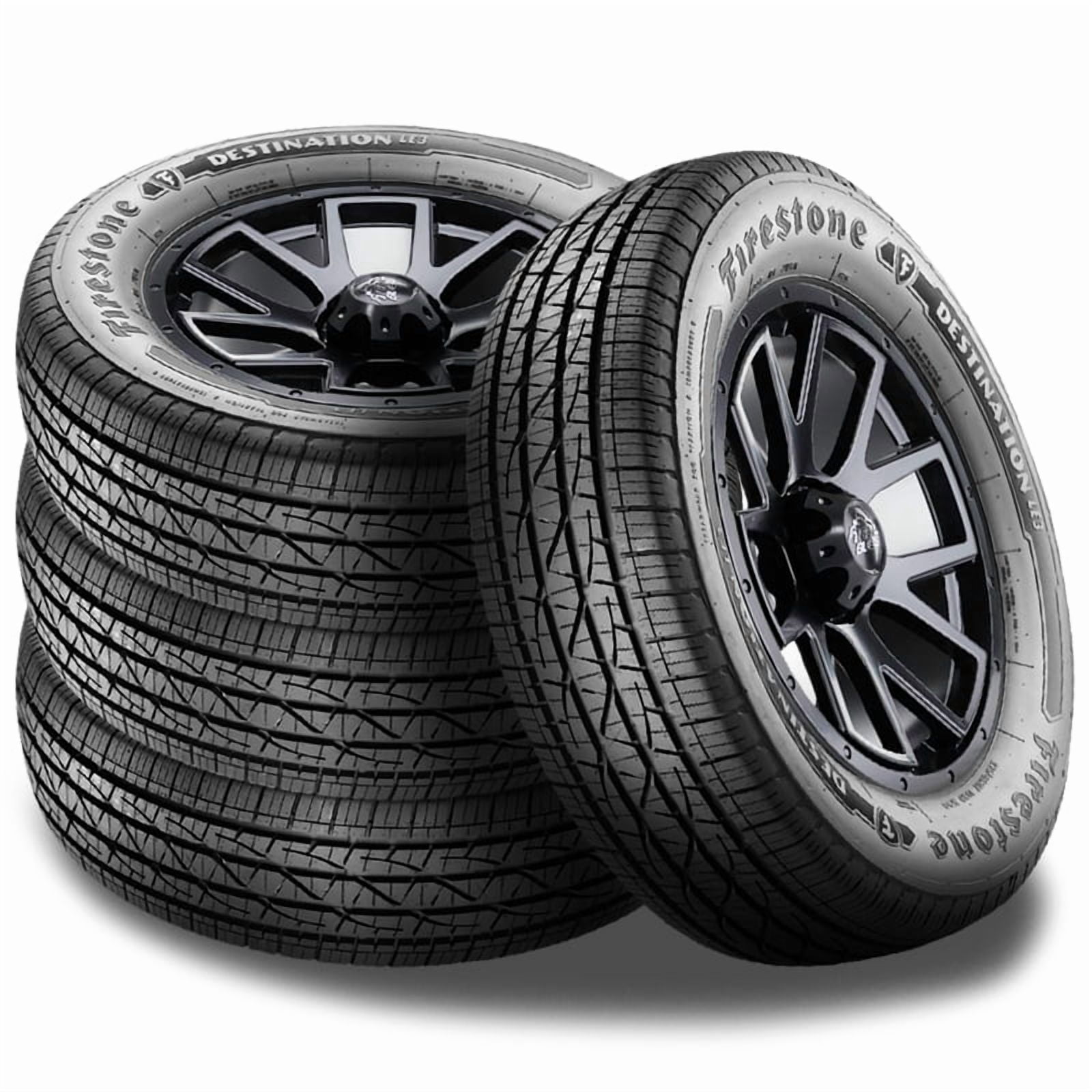
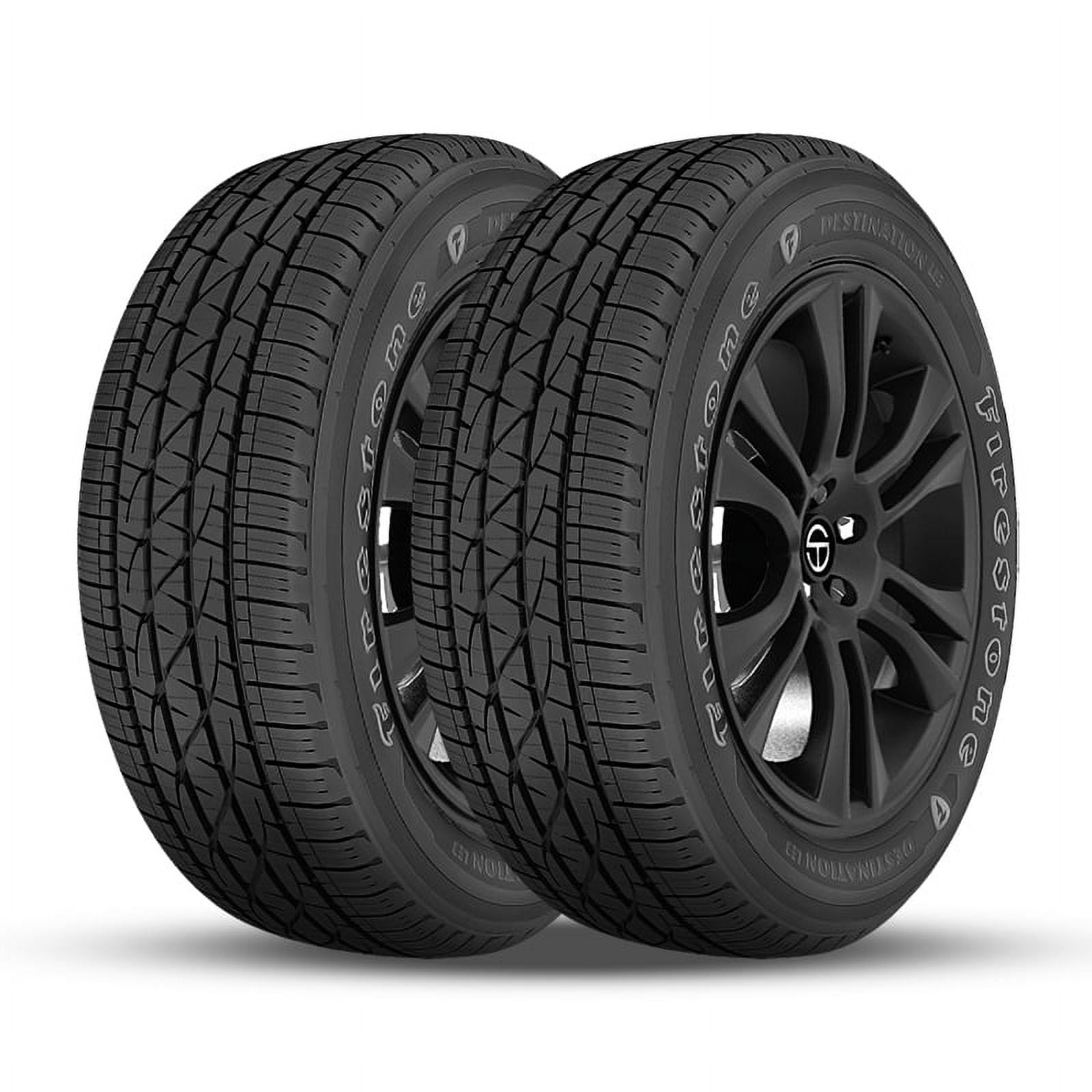
| Destination LE3 | All-Season | 70,000 Miles | Highway commuting and dry/wet comfort |
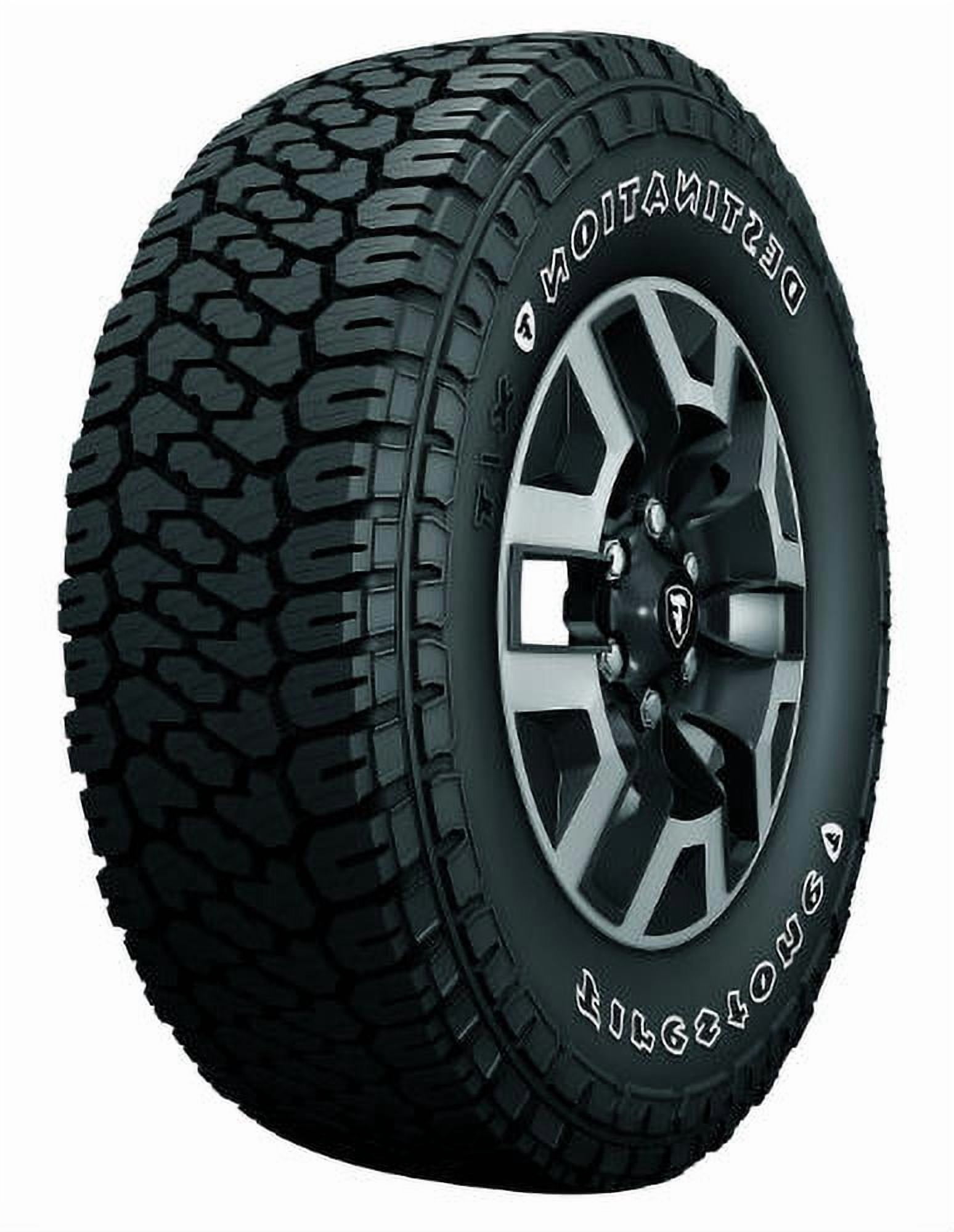
| Destination A/T2 | All-Terrain | 55,000 Miles | Mixed surfaces and light off-roading |
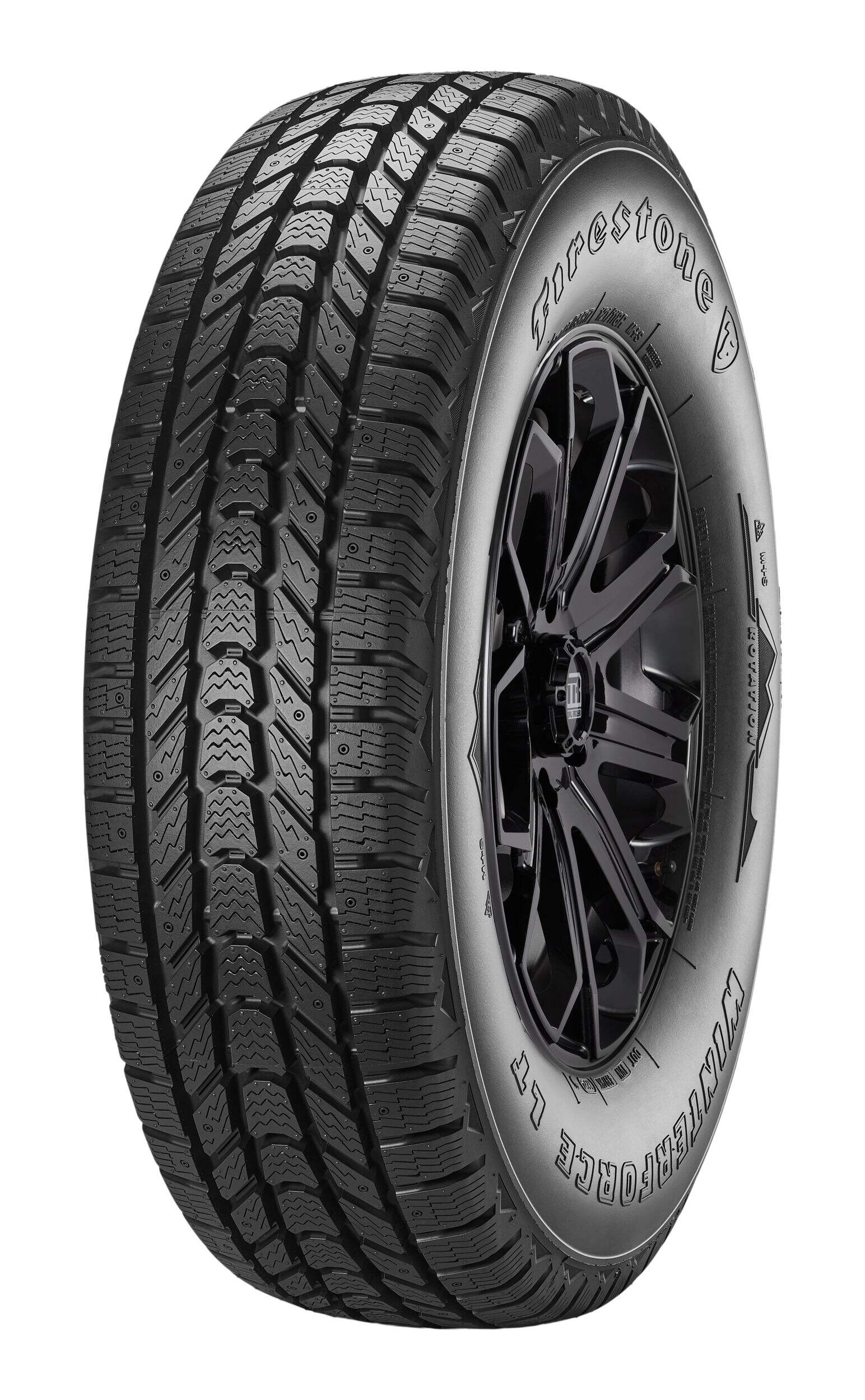
| WeatherGrip | All-Weather | 65,000 Miles | Heavy rain and light snow conditions |
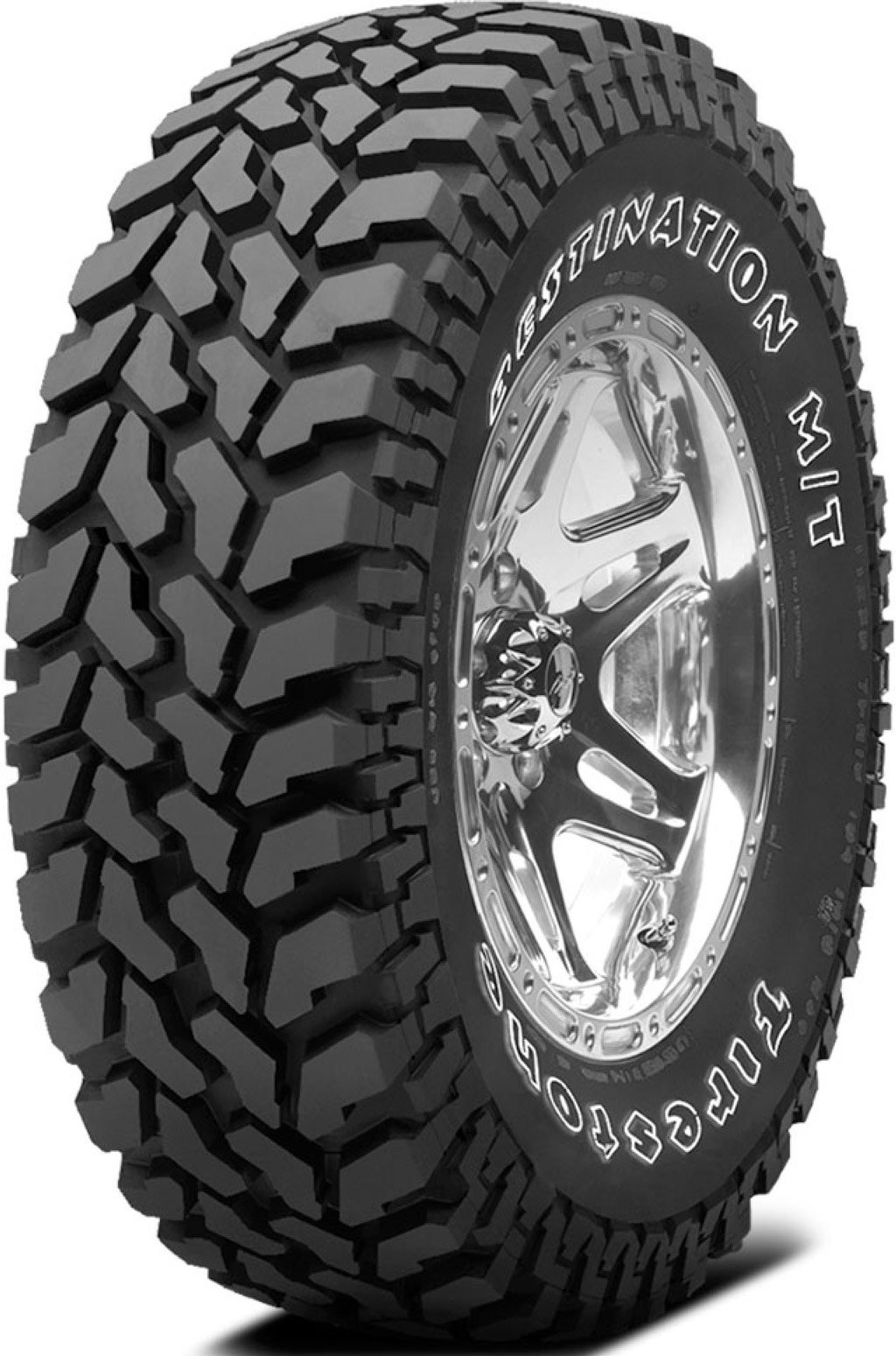
| Destination X/T | Rugged Terrain | 50,000 Miles | Heavy-duty durability and towing |
Destination LE3: The Highway Standard
The Destination LE3 is engineered specifically for Crossover Utility Vehicles (CUVs) and SUVs that spend the majority of their time on paved surfaces. Its design utilizes "Hydro-Grip" technology, which features open shoulder slots to evacuate water effectively, reducing the risk of hydroplaning during heavy rainfall. For 2026, this model remains the gold standard for owners prioritizing a quiet cabin and maximum tread life.
Destination A/T2: Versatility for Variable Conditions
For SUV owners who frequent gravel paths or unpaved secondary roads, the Destination A/T2 offers a more aggressive contact patch. Unlike specialized mud-terrain tires, the A/T2 retains enough rubber-to-road contact to remain civilized during highway transitions. It features a full-depth tread design, ensuring that even as the tire wears down, traction remains significantly higher than a standard all-season tire.
Critical Factors for Selection: Safety and Performance
Your choice of tire directly affects your SUV's Advanced Driver Assistance Systems (ADAS). Modern 2026 vehicle platforms rely on precise wheel speed sensors; installing tires with significantly different outer diameters can trigger stability control errors or inaccuracies in speedometer readings.
Operational Safety Compliance Always verify the Load Index and Speed Rating specified on your vehicle's door jamb placard. Never install a tire with a lower load index than the manufacturer’s original equipment (OE) recommendation, as this could compromise the structural integrity of your SUV, especially when carrying maximum cargo or towing.
The Importance of Proper Inflation
Regardless of the model chosen, Firestone tires perform according to their design specifications only when maintained at the correct cold tire pressure. In 2026, most SUVs are equipped with Direct Tire Pressure Monitoring Systems (TPMS). It is critical to adjust your inflation pressure according to the vehicle manufacturer’s guidelines rather than the "Max PSI" molded into the tire sidewall, which is a structural limit, not a recommended operating pressure.
Troubleshooting Common Tire Issues
Even premium tires can experience premature wear or performance degradation if neglected. Being proactive with maintenance extends the service life and maintains safety margins.
- Uneven Tread Wear: If you notice "cupping" or "feathering" on the edges, this is typically a sign of alignment issues or suspension component fatigue rather than a manufacturing defect in the tire.
- Vibration at Highway Speeds: This is often the result of wheel imbalance. Ensure your tires are road-force balanced every 5,000 to 7,500 miles.
- Loss of Grip in Rain: Check your tread depth using a simple depth gauge. In most regions, tires should be replaced once the tread depth reaches 4/32 of an inch, as the evacuation channels lose their ability to clear standing water below this threshold.
Frequently Asked Questions
Are Firestone SUV tires covered by a nationwide warranty? Yes, most Firestone passenger and SUV tires include a limited warranty that covers manufacturing defects. Furthermore, the brand often provides a "Buy and Try" guarantee, allowing customers to return tires within a specified window if they are not satisfied with the ride quality.
Can I mix Firestone SUV tire models on the same vehicle? It is strongly discouraged to mix different tire models or tread patterns on the same axle. For optimal performance and safety, always maintain a matching set of four tires, or at minimum, a matching pair on each axle to ensure consistent handling characteristics.
How do I determine the manufacturing date of my Firestone tires? Locate the Department of Transportation (DOT) code on the sidewall. The last four digits indicate the week and year of production. For example, a code ending in "1226" indicates the tire was manufactured during the 12th week of 2026.
Do these tires perform well in deep snow? While the WeatherGrip and A/T2 models carry the 3-Peak Mountain Snowflake (3PMSF) symbol indicating superior snow performance, no all-season tire can match the dedicated traction of winter-specific studless tires. Use the 3PMSF-rated options for moderate winter climates, but consider dedicated winter tires if you live in areas with frequent sub-zero temperatures and heavy ice.
Professional Recommendation
When purchasing Firestone SUV tires in 2026, prioritize the Destination LE3 if your primary concerns are comfort, fuel economy, and longevity. If your lifestyle involves camping, mountain driving, or frequent travel on gravel, the Destination A/T2 is the superior choice due to its puncture-resistant compound and superior traction. Always pair your new tires with a professional four-wheel alignment to ensure you receive the full mileage potential from your investment.
Image Gallery