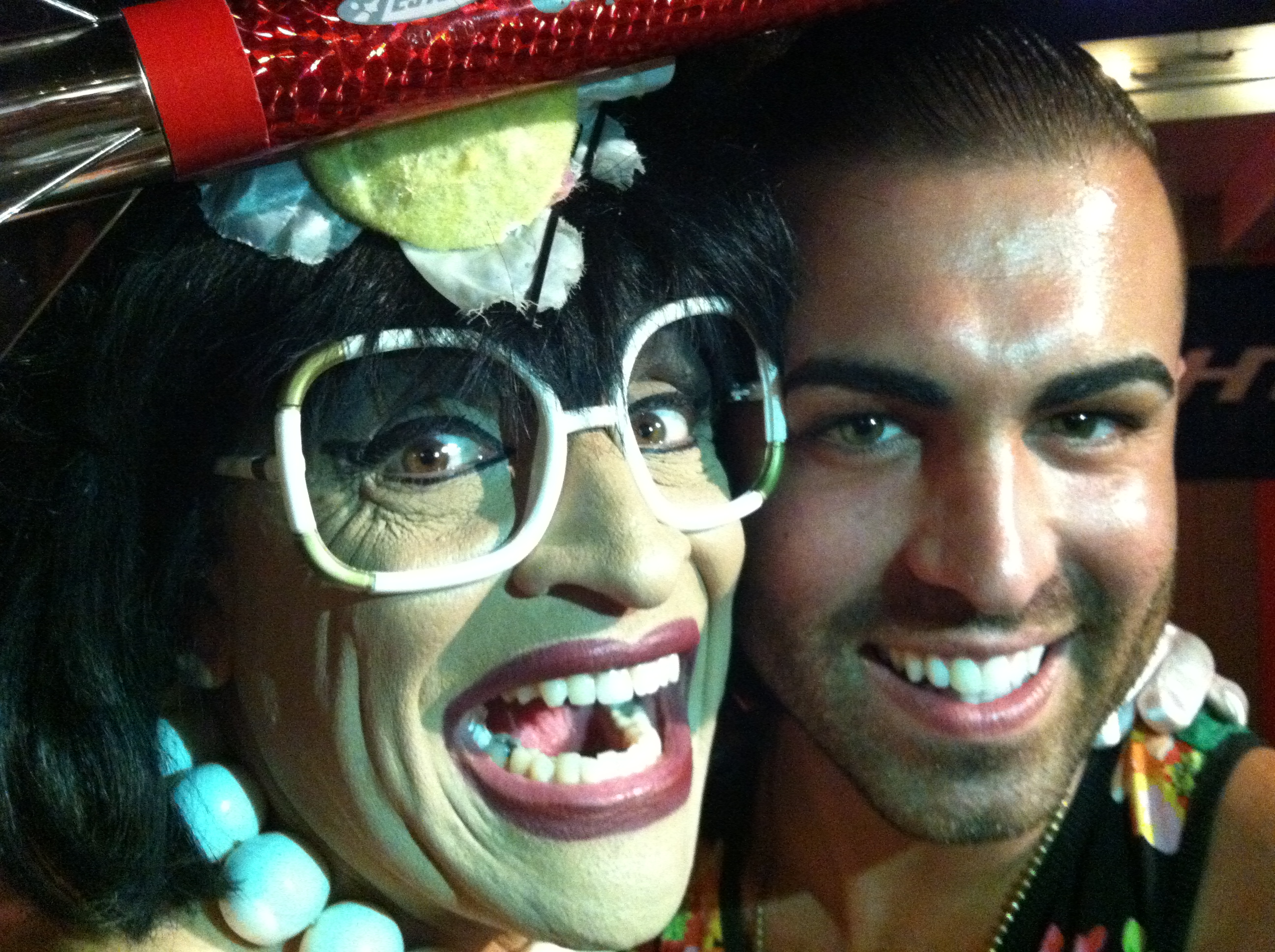
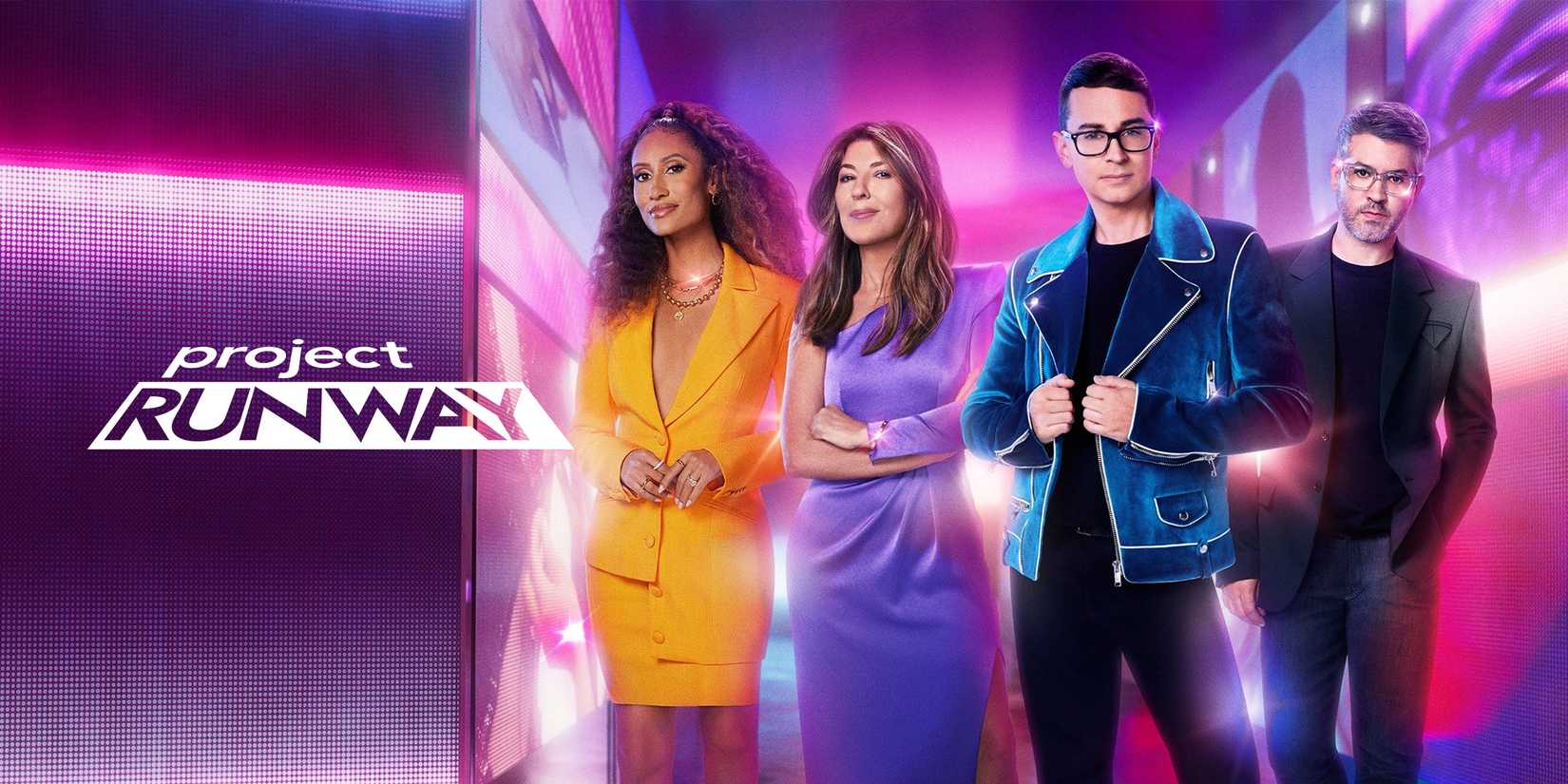
Joshua McKinley from Project Runway: Career, Design Style, and TV Legacy
"Joshua from Project Runway" primarily refers to fashion designer Joshua McKinley, the standout runner-up of Project Runway Season 9 and a multi-season fan favorite on Project Runway All Stars. Known for his high-energy personality, bo...
"Joshua from Project Runway" primarily refers to fashion designer Joshua McKinley, the standout runner-up of Project Runway Season 9 and a multi-season fan favorite on Project Runway All Stars. Known for his high-energy personality, bold pattern mixing, expert menswear tailoring, and dramatic flair, McKinley established himself as one of the most memorable contestants in the franchise's history.
Contents
Disambiguation and Background: Who is Joshua from Project Runway?
While two designers named Joshua appeared on Project Runway Season 9—Joshua Christensen and Joshua McKinley—search intent and fan legacy almost exclusively point to Joshua McKinley. Christensen was eliminated early in the competition (placing 15th after a brief return), whereas McKinley competed in all 14 episodes of Season 9, presented a full collection at Mercedes-Benz Fashion Week, finished as runner-up behind winner Anya Ayoung-Chee, and subsequently returned for two All Stars spin-off seasons.
Born and raised in Ohio, Joshua McKinley pursued formal fashion training at two prestigious institutions: the Fashion Institute of Technology (FIT) in New York City and the Istituto Marangoni in London. This dual exposure to American commercial sportswear and European high-concept tailoring shaped his signature aesthetic. Prior to appearing on national television, McKinley gained hands-on industry experience in retail management, styling, and garment manufacturing within New York's competitive Garment District.
His television debut on Season 9 immediately positioned him as a focal point of the show. Audiences were drawn not only to his vibrant, hard-meets-soft design philosophy but also to his unfiltered commentary, intense work ethic, and emotional vulnerability—most notably when discussing the personal loss of his mother, which deeply influenced his creative drive.
The Project Runway Season 9 Journey
Season 9 of Project Runway, which premiered in 2011, is widely remembered as one of the most competitive and drama-filled seasons in the series. From the opening challenge—where designers had to create garments using only the pajamas they wore when awakened in the middle of the night—McKinley signaled his intent to stand out.
Key Milestones in Season 9:
- High-Energy Debut: Transformed basic lounge fabrics into structured garments
- Challenge Wins: Excelled in high-stakes team and individual challenges
- Signature Elements: Integrated leather trim, vibrant neoprene, and tailored suits
- Finale Runway: Showcased a 10-piece collection at Lincoln Center (Runner-Up)
Throughout the season, McKinley demonstrated exceptional speed, technical drafting skills, and an acute understanding of silhouette construction. His design voice was characterized by juxtaposing opposing textures—combining tough elements like molded leather, studs, and heavy zippers with fluid silk chiffons, bright prints, and body-conscious tailoring.
Key Wins and Memorable Challenges
- The Pet Shop Challenge ("Sew 'Til You Drop"): McKinley demonstrated creative resourcefulness by converting non-traditional pet care items into a cohesive, fashionable look, winning over judges Heidi Klum, Nina Garcia, and Michael Kors.
- The L'Oreal Paris Image Challenge: Tasked with creating a dramatic, high-fashion look inspired by a makeup palette, McKinley delivered a sharply tailored jacket and dress combination that highlighted his command over structural tailoring and rich color blocking.
- The Menswear / Team Challenges: As one of the few designers on his season with formal menswear construction training, McKinley excelled in challenges requiring sharp suiting, lapel construction, and tailored trousers—a skill set that frequently saved his team during group assignments.
The Season 9 Finale Collection
McKinley advanced to the finale alongside Anya Ayoung-Chee, Viktor Luna, and Kimberly Goldson. For his 10-piece runway show presented at Lincoln Center during Mercedes-Benz Fashion Week, McKinley crafted a collection inspired by his personal journey, incorporating bright neon pops, intricate cutouts, custom print fabrications, and heavy metallic accents.
While judge Michael Kors and guest judge L'Wren Scott praised his immaculate sewing techniques and impeccable fit, some judges felt the styling was overly embellished. McKinley ultimately placed second overall to Anya Ayoung-Chee. Despite losing the top title, his strong finish cemented his reputation as a technically elite designer capable of executing complex garments under grueling time constraints.
Return to the Franchise: All Stars Season 2 and Season 6
McKinley’s compelling television presence and proven technical talent made him a natural candidate for the franchise's spin-off series, Project Runway All Stars.
Project Runway Appearances:
| Season | Year | Final Placement | Key Design Focus |
|---|---|---|---|
| Project Runway Season 9 | 2011 | Runner-Up (2nd Place) | Neon accents, leather |
| All Stars Season 2 | 2012-13 | 4th Place | Sleek eveningwear |
| All Stars Season 6 | 2018 | 11th Place | Modern street couture |
All Stars Season 2 (2012–2013)
Less than a year after his Season 9 debut, McKinley returned for Project Runway All Stars Season 2. Competing against seasoned alumni like Anthony Ryan Auld, Uli Herzner, and Emilio Sosa, McKinley demonstrated noticeable professional growth.
During this season, he restrained some of his more overt embellishments, focusing instead on sleek lines, sophisticated color palettes, and refined luxury textiles. He consistently placed in the top tier throughout the competition, making it all the way to the final four before being eliminated just shy of the finale, securing an impressive 4th place finish.
All Stars Season 6 (2018)
In 2018, McKinley joined the cast of Project Runway All Stars Season 6, a "Rookies vs. Veterans" edition that pitted earlier contestants against seasoned All-Stars. By this stage in his career, McKinley brought a calmer, more seasoned perspective to the workroom.
Although his run on Season 6 ended earlier than his previous appearances (finishing in 11th place), his designs reflected a mature understanding of contemporary luxury, athleisure integration, and refined tailoring. His participation reinforced his enduring status as one of the franchise's most iconic figures.
Signature Design Aesthetic and Technical Expertise
Joshua McKinley’s fashion identity stands out within contemporary American fashion due to its refusal to conform to minimal minimalism. His work thrives on high visual impact, precise geometric drafting, and dramatic contrast.
Core Pillars of Joshua McKinley's Aesthetic:
- Juxtaposition of Materials: Soft silks paired with structured leather
- Precision Tailoring: Impeccably fitted menswear and structure-driven womenswear
- Fearless Color Palette: Neon accents, deep jewel tones, and custom prints
- Architectural Lines: Sharp lapels, strategic cutouts, and sculpted shoulders
1. Hard vs. Soft Fabric Juxtaposition
A recurring motif in McKinley's work is pairing rigid, industrial materials with delicate, fluid textiles. It is common in his collections to see a supple lambskin leather bodice fused with a flowing silk chiffon skirt, or heavy neoprene jackets layered over light jersey knits. This tension creates dynamic movement on the runway.
2. Menswear-Inspired Construction for Womenswear
Drawing on his classical training at FIT, McKinley integrates menswear tailoring techniques—such as padded shoulders, canvas chest pieces, welt pockets, and precise lapel notch cuts—into his womenswear designs. This gives his female garments a commanding, empowered silhouette.
3. Vibrant Pattern & Texture Layering
Where many designers avoid mixing prints out of fear of clashing, McKinley embraces complex visual layering. He frequently pairs floral prints with geometric stripes or metallic accents, using precise seam placements to anchor the eye and prevent the design from feeling chaotic.
Comparative Analysis: How McKinley Set Himself Apart
To understand McKinley's impact on reality fashion television and menswear/womenswear design, it helps to compare his approach with typical contestants on Project Runway.
| Design Dimension | Standard Contestant Approach | Joshua McKinley’s Approach |
|---|---|---|
| Fabric Selection | Relies on store-bought solids or simple draped jerseys. | Uses mixed media, custom prints, synthetic leathers, and structural neoprene. |
| Tailoring & Fit | Often avoids complex suiting due to time limits. | Seeks out structured jackets, fitted trousers, and sharp shoulders. |
| Color Philosophy | Sticks to safe, neutral palettes (black, beige, navy). | Utilizes high-contrast jewel tones, bright neons, and vibrant animal prints. |
| Workroom Strategy | Struggles with speed or pattern-drafting bottlenecks. | Drapes and drafts at high speed with strong technical confidence. |
| Target Audience | Broad commercial contemporary womenswear. | Statement-making editorial, luxury sportswear, and custom performance wear. |
Post-Show Career, Brand Evolution, and Current Status
Following his extensive run on television, Joshua McKinley translated his reality TV visibility into a sustained fashion career. Rather than pursuing mass-market commercial licensing alone, he focused on building a specialized luxury brand and custom apparel business catering to private clients, performers, and boutique retail buyers.
Custom Apparel and Celebrity Styling
McKinley established a bespoke design practice operating out of New York and Florida, creating custom red-carpet gowns, performance wear for musicians and stage performers, and specialized menswear. His ability to craft show-stopping, one-of-a-kind pieces made him a sought-after designer for high-profile events and editorial photo shoots.
Creative Direction and Industry Engagement
In addition to his namesake label, McKinley has worked across various facets of the garment industry:
- Fashion Consulting: Advising emerging apparel brands on trend forecasting, pattern grading, and collection development.
- Retail & Visual Merchandising: Applying his eye for aesthetic staging to boutique retail environments and trade shows.
- Public Appearances & Mentorship: Participating in fashion panels, university guest lectures, and charity runway shows, sharing practical career advice with aspiring fashion students.
McKinley remains an active figure in fashion design and creative styling, using digital platforms to showcase custom creations, personal style evolutionary updates, and behind-the-scenes insights into garment construction.
How to Apply McKinley's Design Principles in Personal Styling
For fashion enthusiasts, designers, and stylists inspired by Joshua McKinley's work on Project Runway, several practical takeaways can elevate everyday wardrobe styling or collection design:
- Balance High-Contrast Textures: When creating an outfit, combine opposite materials. Pair a smooth leather jacket with a soft knit sweater, or match a silk blouse with structured denim to create visual interest.
- Prioritize Fit Over Trend: McKinley's success on the runway was rooted in fit. Investing in proper tailoring—ensuring shoulder seams sit correctly and trouser hems drop at the ideal break—instantly elevates any garment regardless of price point.
- Use Pop Colors as Anchors: Instead of overwhelming an ensemble with all-over bright colors, use a single neon or jewel-toned element (such as a handbag, belt, jacket lining, or footwear) to anchor a neutral base outfit.
- Embrace Statement Outerwear: A sharply tailored coat or structured blazer serves as the centerpiece of an outfit. Build your look from the outside in by letting structured outerwear define the overall silhouette.
Frequently Asked Questions
What season of Project Runway was Joshua McKinley on?
Joshua McKinley first appeared on Project Runway Season 9 in 2011, where he finished as the runner-up. He later returned for Project Runway All Stars Season 2 (finishing 4th) and Project Runway All Stars Season 6 (finishing 11th).
Who won Project Runway Season 9?
Anya Ayoung-Chee won Project Runway Season 9. Joshua McKinley finished in second place as the runner-up, while Viktor Luna and Kimberly Goldson rounded out the top four finalists.
Where did Joshua McKinley go to fashion school?
McKinley studied fashion design at two renowned institutions: the Fashion Institute of Technology (FIT) in New York City and the Istituto Marangoni in London, England.
What is Joshua McKinley's signature design style?
His signature style is characterized by bold print mixing, structured tailoring, hard-meets-soft material combinations (such as leather and chiffon), vibrant color choices, and modern menswear/womenswear silhouettes.
Was there another Joshua on Project Runway Season 9?
Yes. Joshua Christensen was also a contestant on Season 9. However, he was eliminated in the early episodes (placing 15th), while Joshua McKinley made it to the finale and became the prominent "Joshua" associated with the season.
Practical Summary and Next Steps
Joshua McKinley remains one of the most dynamic personalities and skilled technicians to come out of the Project Runway franchise. His journey from fashion student to reality TV runner-up and established custom designer demonstrates the power of combining solid technical construction with a confident, distinct personal voice.
For those interested in studying his work or exploring his current projects:
- Examine His Runway Portfolios: Reviewing McKinley's Season 9 and All Stars Season 2 runway collections provides a masterclass in pattern drafting, structural seams, and bold fabric choices.
- Follow His Official Channels: Keep up with his latest bespoke collections, custom client designs, and creative projects through his verified social media profiles and professional portfolio outlets.
- Explore Apparel Construction: Aspiring designers can draw inspiration from McKinley's use of leather manipulation, menswear tailoring techniques, and dynamic color-blocking to build strong visual narratives in their own collections.
Image Gallery