How Food Inventory Programs Work: A Deep Dive into Digital Stock Management
Food inventory programs work by digitizing the lifecycle of raw materials and finished goods through the integration of procurement data, sales records, and real-time tracking. By connecting a Point of Sale (POS) system to a centralize...
Food inventory programs work by digitizing the lifecycle of raw materials and finished goods through the integration of procurement data, sales records, and real-time tracking. By connecting a Point of Sale (POS) system to a centralized database, these programs automatically deplete stock levels based on standardized recipes, identifying discrepancies between theoretical usage and physical counts to minimize waste and maximize profitability.
Contents
Managing a food service operation in 2026 requires more than just occasional clipboard counts. As profit margins in the hospitality and food processing sectors remain under pressure from fluctuating commodity prices and labor costs, automated inventory systems have transitioned from luxury tools to operational necessities. These programs act as the "brain" of a kitchen or warehouse, reconciling what was bought with what was sold and highlighting exactly where money is being lost to spoilage, over-portioning, or theft.
The Architecture of a Modern Food Inventory Program
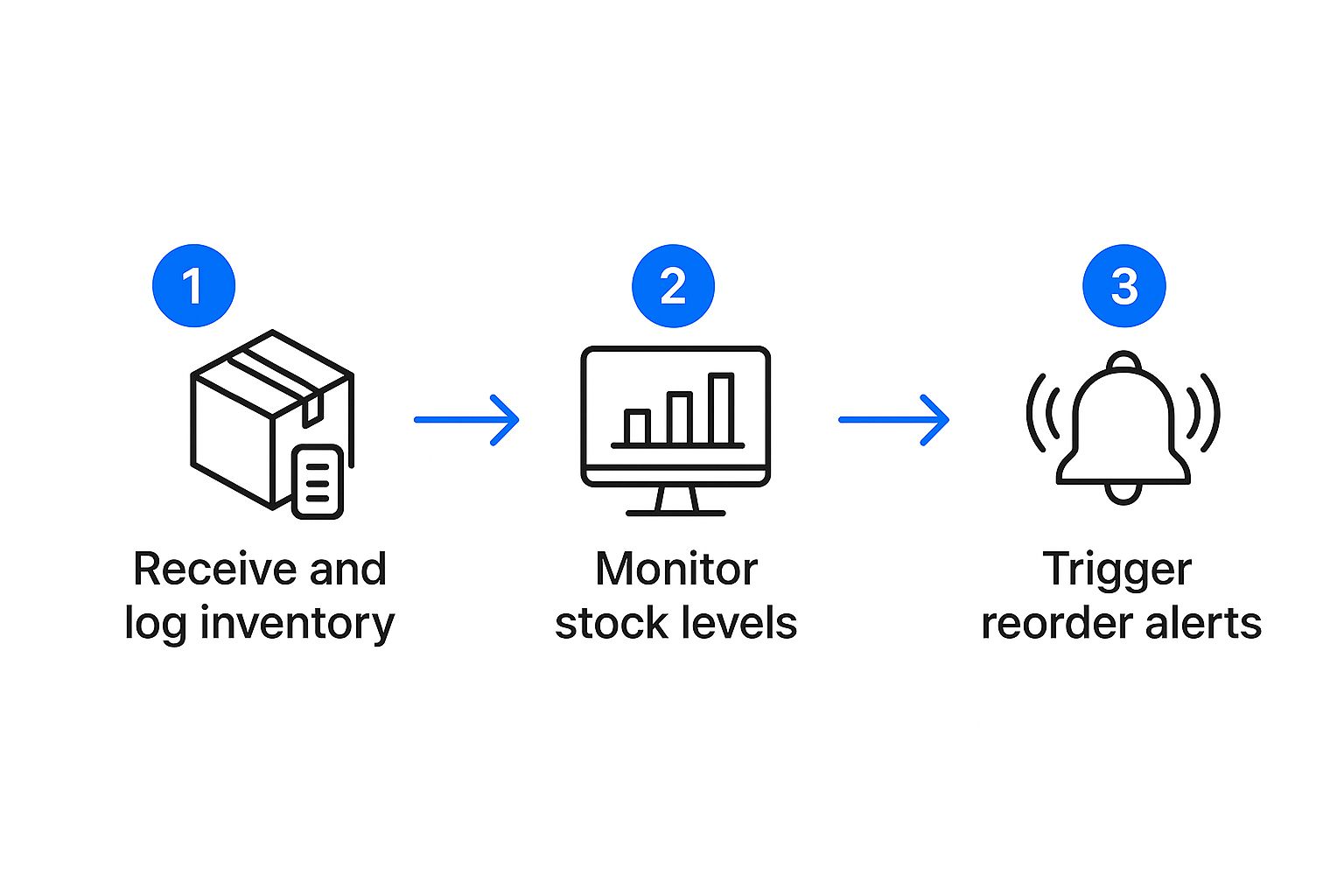
At its core, a food inventory program is a relational database designed to track three distinct states: inventory on hand, inventory in transit, and inventory consumed. The system operates through a continuous feedback loop involving four primary technical stages: input, processing, depletion, and reconciliation.
Data Input and Procurement Integration
The process begins with the "Opening Count." When a business first adopts an inventory program, every item—from bulk flour to individual garnish sprigs—is counted and entered into the system with its corresponding Unit of Measure (UOM).
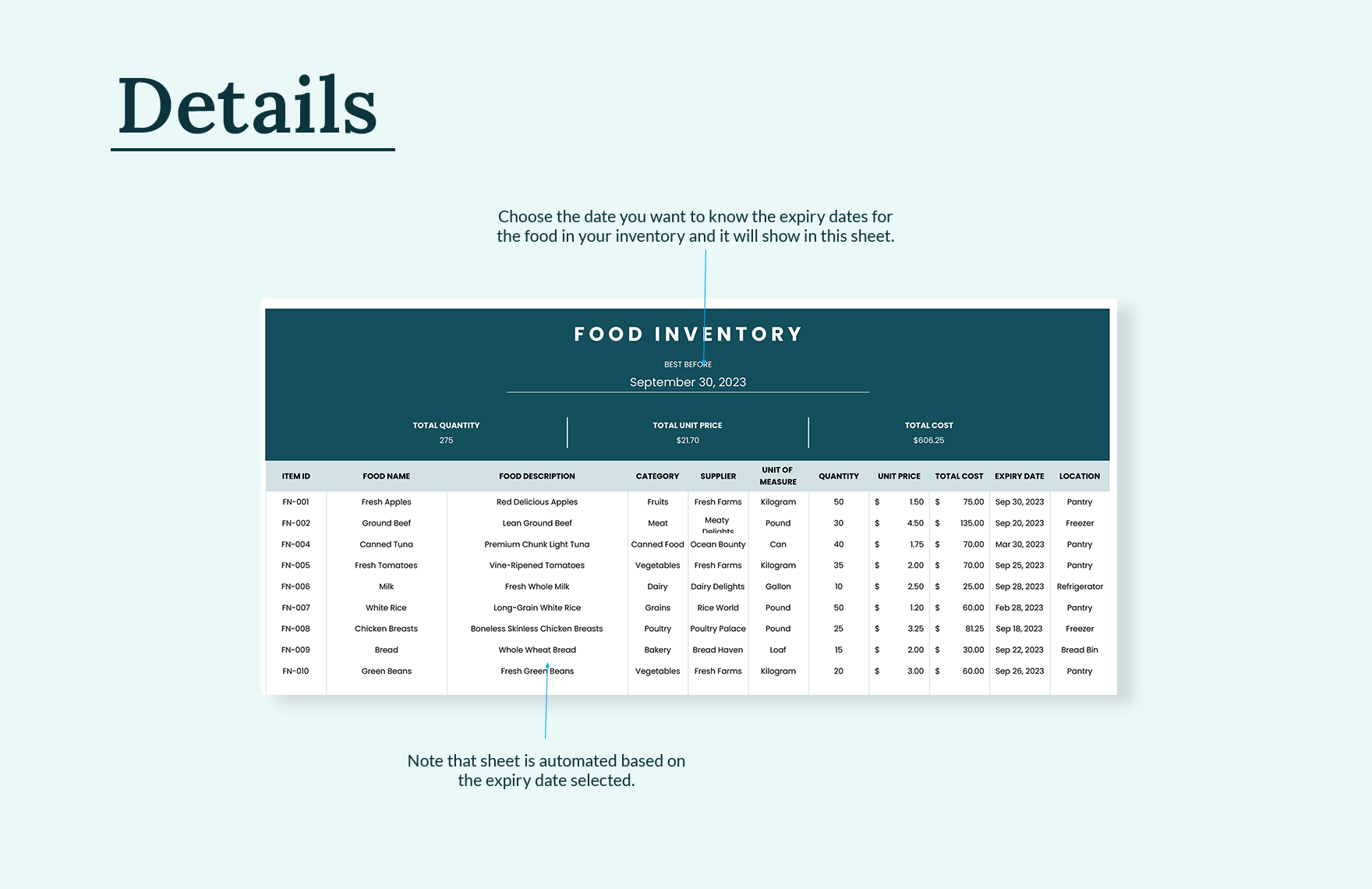
In 2026, most advanced programs use Optical Character Recognition (OCR) and direct Electronic Data Interchange (EDI) with vendors like Sysco, US Foods, or local organic cooperatives. When an invoice is received, the software automatically scans the line items, updates the current stock levels, and records the most recent price paid. This "last price paid" metric is critical for calculating the current value of the inventory sitting on shelves, which directly impacts the balance sheet.
Recipe Management and Theoretical Depletion
The most sophisticated aspect of these programs is the "Recipe Mapping" or "Bill of Materials" (BOM) layer. For every menu item or product sold, a sub-recipe is programmed into the system. For example, a single "Cheeseburger" SKU in the POS system might be mapped to:
- 0.5 lbs of Ground Beef
- 1 Brioche Bun
- 2 slices of Cheddar Cheese
- 0.05 lbs of Onions
- 1 oz of Special Sauce
When the POS registers a sale, the inventory program "declares" those specific quantities as used. This creates a "Theoretical Inventory" level—what the system believes should be in the walk-in cooler based strictly on sales data.
The Role of Real-Time Tracking and IoT
By 2026, the integration of Internet of Things (IoT) hardware has significantly reduced the manual labor associated with inventory management. Food inventory programs now frequently interface with:
- Smart Scales: Connected scales in prep areas track the weight of discarded trimmings or bulk-prepped items, adjusting stock levels for "yield" (the difference between the weight of a raw ingredient and its usable portion).
- Temperature Sensors: If a refrigeration unit fails, the inventory program can flag the entire contents of that unit as "potentially compromised," moving those items into a "quarantine" status for safety inspection or automated insurance loss reporting.
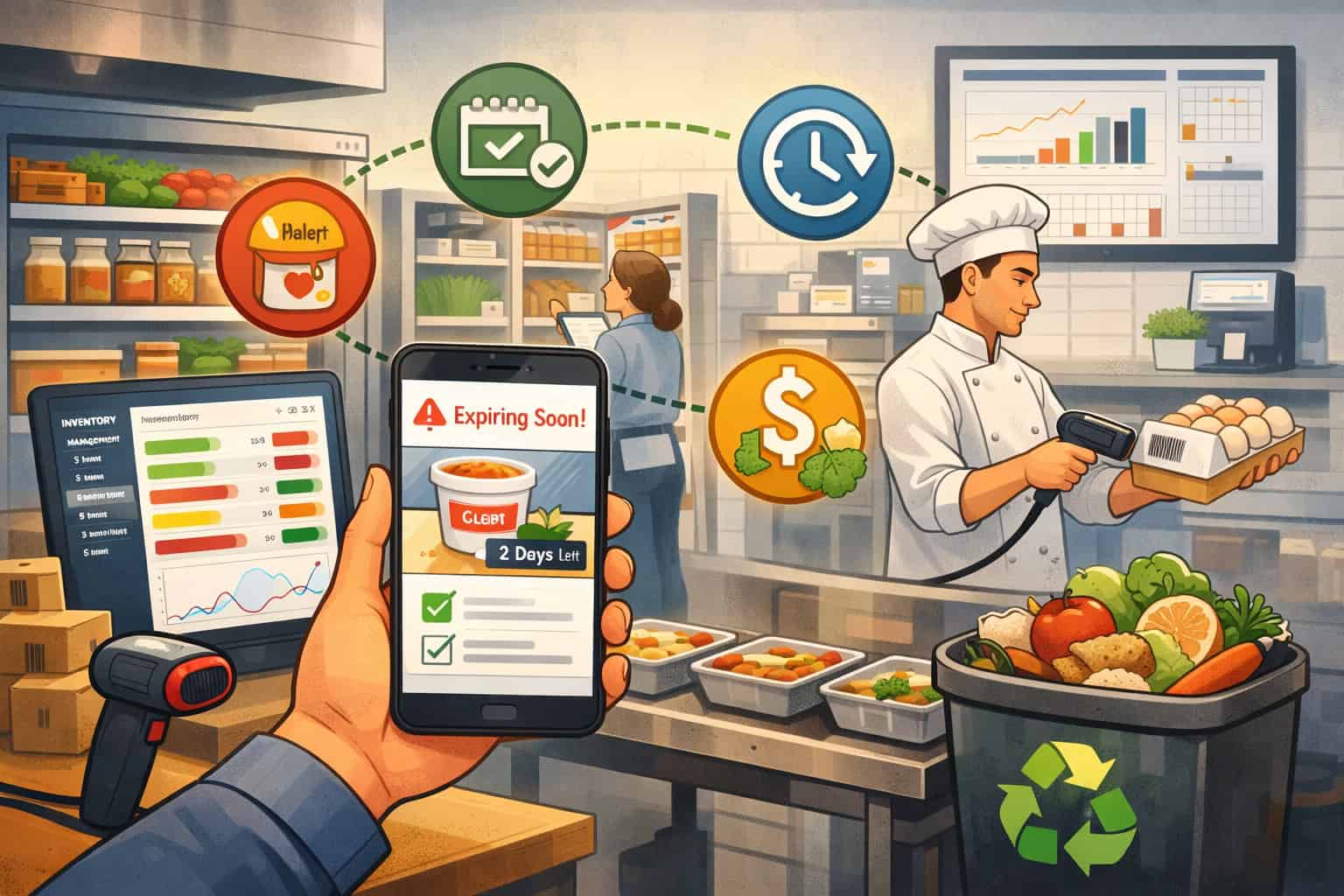
- RFID and Barcode Scanning: Handheld scanners allow staff to perform "cycle counts" (partial inventory checks) in minutes rather than hours. This ensures that the digital record matches the physical reality of the shelves.
Theoretical vs. Actual: Calculating Variance
The primary value proposition of a food inventory program lies in its ability to calculate variance. Variance is the difference between what the software says you should have (Theoretical) and what you actually have (Physical).
Variance = Theoretical Inventory - Physical Inventory
If the system indicates you should have 50 lbs of ribeye steak remaining but the physical count shows 42 lbs, you have a variance of 8 lbs. The program then assigns a dollar value to this loss. High variance usually signals one of four problems:
- Waste: Food dropped, burned, or spoiled.
- Portion Control: Chefs using more than the standardized recipe calls for.
- Unrecorded Sales: Items being given away or "forgotten" to be rung in.
- Theft: Unauthorized removal of stock.
Without a dedicated program, identifying which of these four categories is draining profit is nearly impossible for high-volume operations.
Comparison of Inventory Management Methods
| Feature | Manual Spreadsheets | Basic Cloud Inventory | Enterprise ERP Systems |
|---|---|---|---|
| Data Entry | Manual typing (high error) | OCR Invoice Scanning | Full EDI/API Integration |
| Recipe Costing | Static/Manual updates | Dynamic (updates with prices) | Multilevel Sub-recipes |
| POS Sync | None (End-of-month only) | Real-time sales depletion | Real-time + Forecasting |
| Accuracy | Low (Historical only) | High (Daily/Weekly) | Real-time (IoT assisted) |
| Ideal For | Small food trucks/Cafes | Independent Restaurants | Chains & Food Manufacturers |
| Cost | Low (Labor intensive) | Monthly Subscription | High Capital Investment |
Advanced Analytics and Forecasting
In the current 2026 landscape, food inventory programs have moved beyond mere tracking into predictive analytics. Using historical sales data, seasonal trends, and even local weather patterns, these systems generate "Par Levels."
A Par Level is the minimum amount of a product required to meet demand until the next delivery arrives, plus a small safety buffer. Advanced programs use machine learning to suggest purchase orders. For instance, if the system knows that Friday nights in July usually result in a 20% spike in seafood sales, it will automatically adjust the suggested order on Wednesday to ensure the kitchen doesn't run out of stock (a "stockout") or over-order items that will spoil.
Prerequisites for Successful Implementation
For a food inventory program to work effectively, several technical and operational prerequisites must be met:
- Standardized Units of Measure: The system must understand conversions. If you buy flour by the 50lb bag but use it by the gram in recipes, the software must be programmed with the correct conversion factors.
- Strict Receiving Protocols: The program is only as good as the data entered. If a delivery arrives and is not "checked in" against the digital invoice, the inventory levels will be permanently skewed.
- Waste Logs: Even the best software cannot "see" a cook dropping a tray of eggs. Staff must be trained to enter "Waste Events" into a tablet or the POS so the system can distinguish between sold items and lost items.
Troubleshooting Common Issues
Even with high-end software, discrepancies occur. Common points of failure include:
- Ghost Inventory: This happens when an item is deleted from the POS but not from the inventory recipe list, or vice versa. The system continues to "deplete" an item that no longer exists in the kitchen.
- Incorrect Yield Factors: If a chef forgets to account for the weight lost when trimming a whole salmon (yield loss), the system will expect more usable meat than is physically possible, leading to a constant "negative variance."
- Inter-location Transfers: In businesses with multiple kitchens or bars, moving a case of vodka from the main bar to the service bar without logging a "transfer" in the software will result in one location appearing to have a surplus and the other a massive loss.
Frequently Asked Questions
What is the difference between physical and theoretical inventory?
Theoretical inventory is the "paper" count of what should be on hand based on purchases minus sales. Physical inventory is the actual count performed by staff manually checking shelves. The goal of any food inventory program is to bring these two numbers as close together as possible.
Can food inventory programs help with food safety and recalls?
Yes. By tracking batch numbers and "First In, First Out" (FIFO) dates, these programs can pinpoint exactly which dishes were made with a specific shipment of ingredients. If a vendor issues a recall on lettuce, the system can identify every SKU that utilized that lettuce batch, facilitating a surgical and rapid response.
How much do food inventory programs cost in 2026?
Pricing typically follows a SaaS (Software as a Service) model. Basic tiers for single-unit restaurants range from $100 to $300 per month. Enterprise solutions for multi-unit chains or large-scale catering operations can exceed $2,000 per month, often including hardware leases for tablets and scanners.
Do these programs integrate with accounting software?
Most modern programs offer direct API integrations with platforms like QuickBooks, Xero, and Sage. This allows the "Cost of Goods Sold" (COGS) and "Inventory Valuation" data to flow directly into financial statements, ensuring that the business's profit and loss (P&L) reports are accurate and up to date without manual data entry.
How long does it take to see a Return on Investment (ROI)?
Most operations see a reduction in food costs of 2% to 5% within the first three to six months. By identifying "invisible" waste and optimizing order quantities, the software often pays for itself through the recovery of lost margins and reduced labor hours spent on manual counting.
Practical Recommendation
To get the most out of a food inventory program, start by digitizing your top 20 highest-value items (e.g., proteins, alcohol, expensive spices) rather than trying to track every salt packet from day one. Perfect the recipe mapping and waste logging for these high-impact items first. Once your variance for these items is under 1-2%, expand the system to cover the rest of your inventory. This phased approach prevents staff burnout and ensures that the most critical data is accurate from the start.
Image Gallery