Why the Honda Fit Is Not a Hybrid: Regional Limits and Market Strategy
The Honda Fit is not a hybrid in the North American market because Honda discontinued the model there after 2020 due to shifting consumer preferences toward crossovers. While a sophisticated e:HEV hybrid version exists globally, high p...
The Honda Fit is not a hybrid in the North American market because Honda discontinued the model there after 2020 due to shifting consumer preferences toward crossovers. While a sophisticated e:HEV hybrid version exists globally, high production costs and low fuel prices historically made a hybrid Fit non-viable for U.S. and Canadian consumers.
Contents
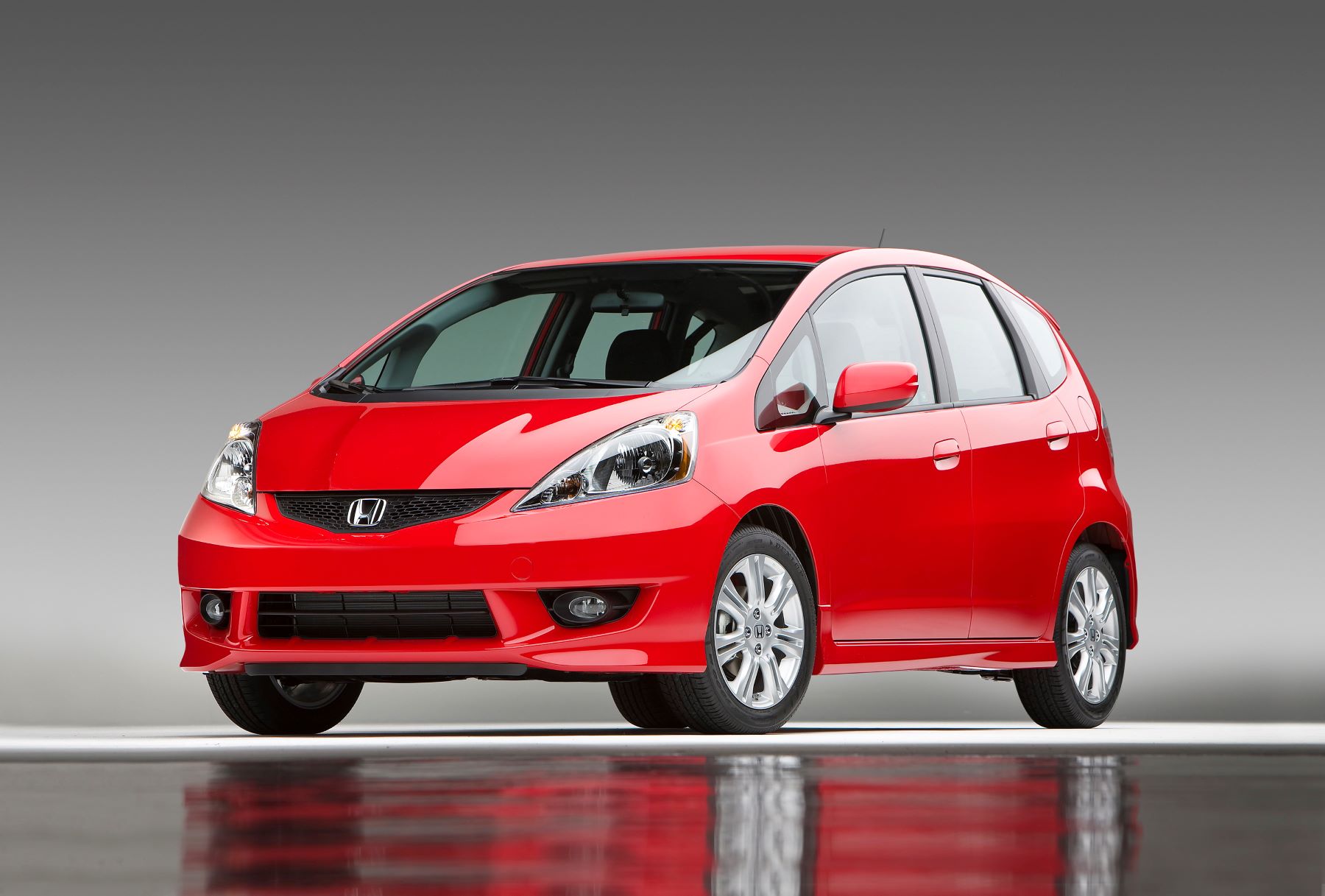
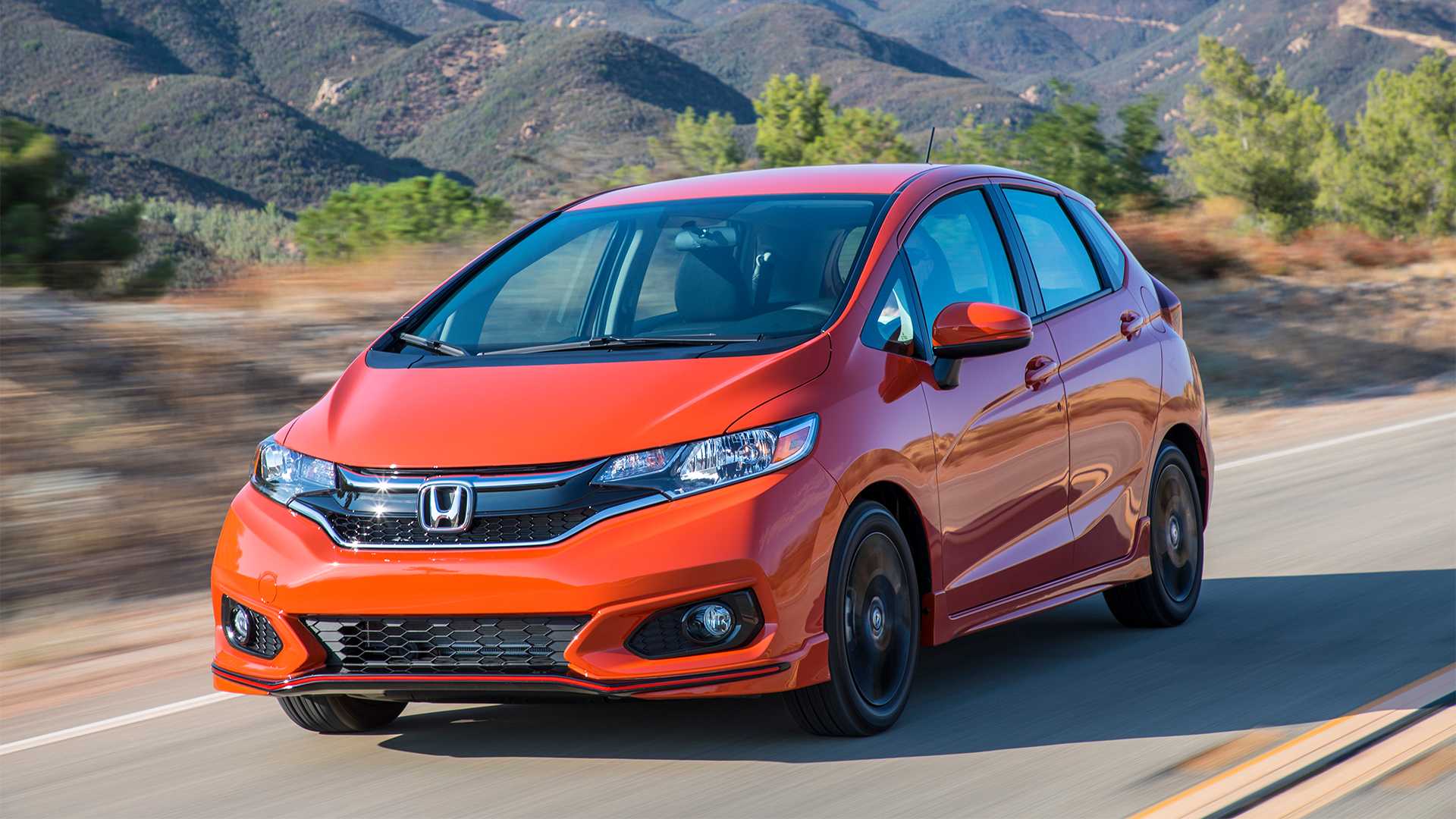
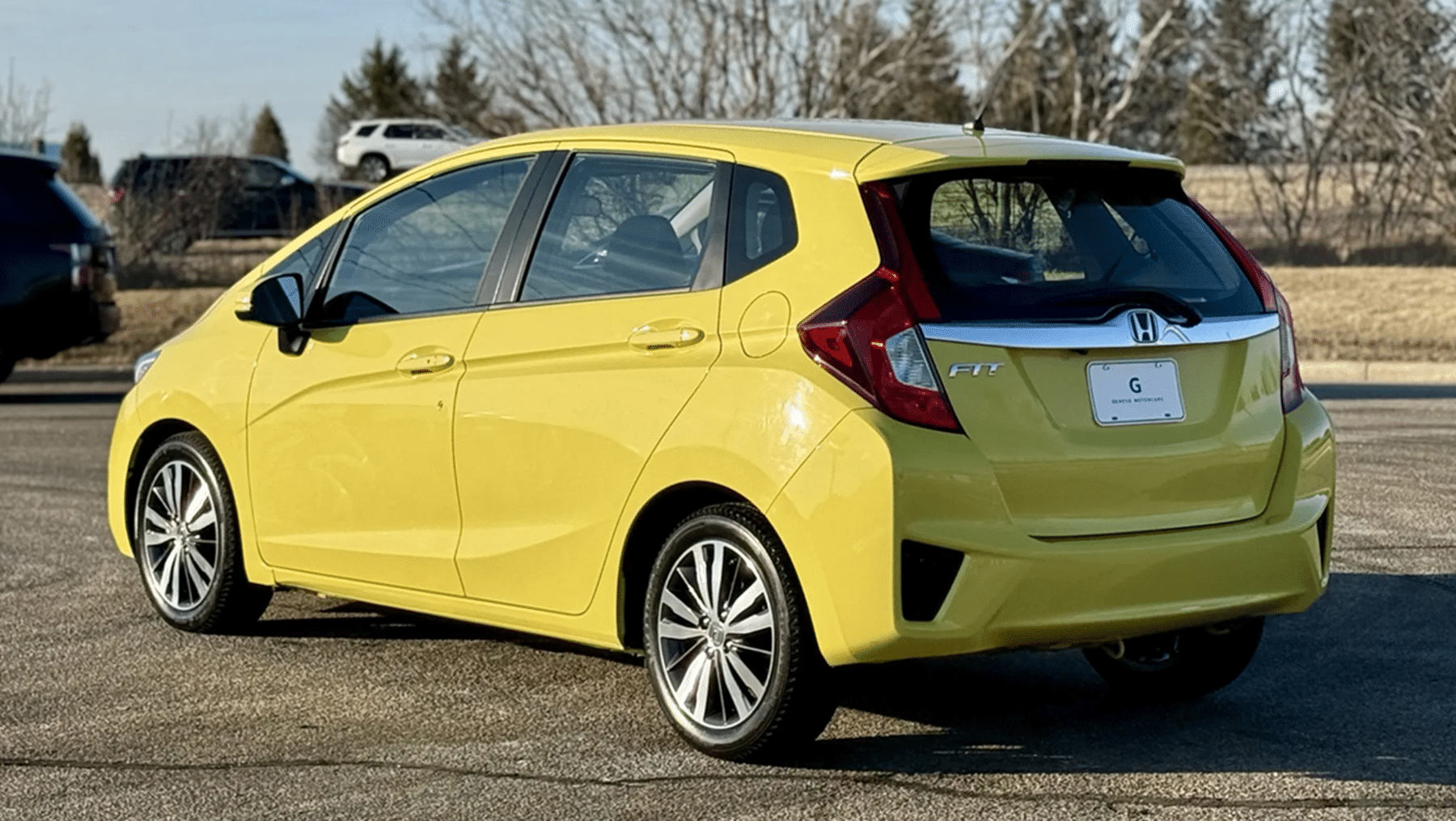
The Honda Fit, known as the Honda Jazz in international markets, presents one of the most curious cases of automotive regionalism. For years, drivers in Europe and Japan have enjoyed ultra-efficient hybrid versions of this subcompact hatchback, yet North American buyers were restricted to the traditional internal combustion engine (ICE) variants until the model was withdrawn from the market entirely. Understanding why the Honda Fit is not a hybrid in certain regions—and why it remains a hybrid leader in others—requires a deep dive into manufacturing economics, regional emissions regulations, and the relentless rise of the subcompact SUV.
The Regional Paradox: Where the Fit Hybrid Exists
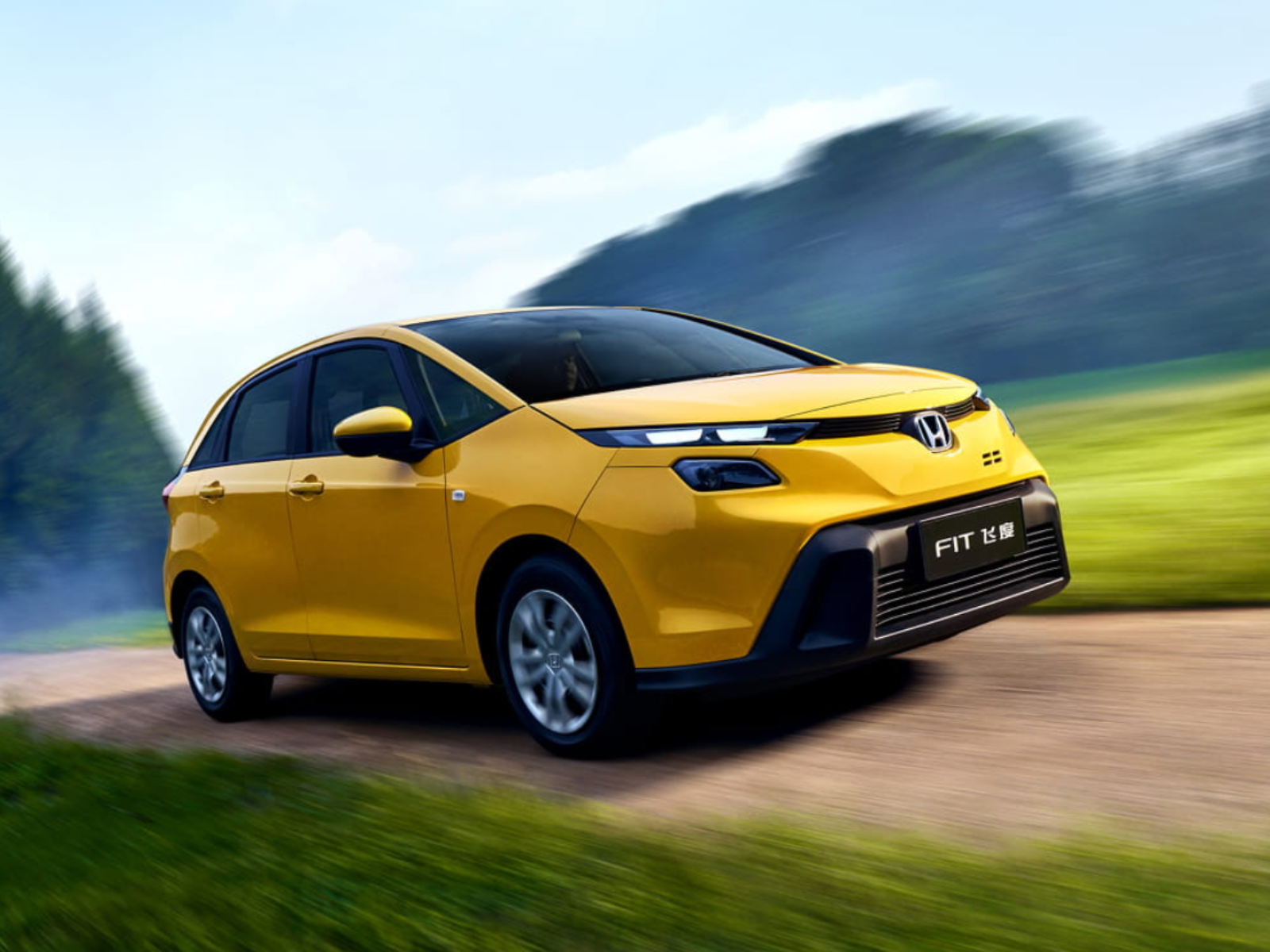
To answer why a specific Honda Fit is not a hybrid, one must first identify where the vehicle was purchased. As of 2026, the Honda Fit (Jazz) is almost exclusively sold as a hybrid in the European and Japanese markets. The fourth-generation model, launched globally around 2020, debuted with the e:HEV dual-motor hybrid system as its primary powertrain.
However, for the North American market, the Honda Fit remained a purely gasoline-powered vehicle until its discontinuation. Honda’s decision to exclude the hybrid powertrain from the U.S. and Canada was not a matter of technical inability, but rather a strategic choice based on profit margins. The subcompact segment in North America has historically been a "race to the bottom" regarding price. Adding a complex dual-motor hybrid system would have increased the MSRP (Manufacturer’s Suggested Retail Price) by several thousand dollars, pushing the Fit into the price bracket of the larger Honda Civic, which many consumers preferred for its size and perceived status.
Economic Barriers to a North American Fit Hybrid
The primary reason the Honda Fit was never offered as a hybrid in North America involves the cost-to-value ratio. In the mid-to-late 2010s, when Honda was deciding the future of the Fit in the U.S., several economic factors converged:
- Low Fuel Prices: During the peak production years of the third-generation Fit (GK5), gasoline prices in the United States remained relatively low. This diminished the financial incentive for consumers to pay a premium for a hybrid subcompact.
- Narrow Profit Margins: Subcompact cars have the thinnest profit margins of any vehicle class. Importing hybrid components or retooling North American plants for a low-volume hybrid hatchback was financially risky.
- Manufacturing Location: The North American Fit was primarily manufactured in Celaya, Mexico. Setting up a hybrid assembly line there would have required significant investment that Honda deemed better spent on the HR-V, which shared the Fit’s platform but offered higher profit margins as a crossover.
Product Overlap and the "Insight" Factor
Honda’s internal lineup also played a role in the absence of a Fit Hybrid. For much of the Fit's lifecycle, Honda marketed the Honda Insight as its dedicated hybrid offering. The Insight was essentially a hybrid-exclusive sedan that sat between the Fit and the Accord in terms of size but shared some architectural DNA with the Civic.
By offering the Insight, Honda believed it had satisfied the demand for an affordable, high-efficiency hybrid. Introducing a Fit Hybrid would have created "internal cannibalization," where one Honda model steals sales from another rather than conquesting sales from competitors like Toyota or Hyundai. In Honda's view, the buyer looking for 50+ MPG would choose the Insight, while the buyer looking for a versatile "Magic Seat" utility on a budget would choose the gasoline Fit.
Technical Anatomy: Gasoline vs. Hybrid Powertrains
The gasoline-only Honda Fits found in North America utilize a 1.5-liter i-VTEC four-cylinder engine. This engine was praised for its reliability and "peppy" nature, but it lacks the electric motors and battery buffers found in the global hybrid versions.
In contrast, the international Fit (Jazz) Hybrid utilizes the e:HEV system. This is a sophisticated "series-parallel" hybrid setup. Unlike a Toyota Prius, which often uses the engine and motor in tandem to drive the wheels, the Fit e:HEV often acts as an electric vehicle. The gasoline engine frequently functions only as a generator to provide power to the electric propulsion motor, engaging directly with the wheels only at high cruising speeds via a lock-up clutch.
The complexity of this e:HEV system requires:
- A high-voltage lithium-ion battery pack (typically housed under the rear cargo floor).
- Dual electric motors (one for propulsion, one for generation).
- A Power Control Unit (PCU) to manage the seamless transitions between drive modes.
Removing these components for the North American market allowed Honda to maintain the Fit’s famous "Magic Seats," which flip up to carry tall items. In earlier hybrid generations, the battery placement often interfered with this folding mechanism, though Honda eventually solved this in the 4th generation—the very generation that was denied to North American showrooms.
The Rise of the HR-V and the Decline of Subcompacts
By 2020, the writing was on the wall for the Honda Fit in North America. Consumer data showed a massive shift toward "tall" vehicles. The Honda HR-V, which is built on the same global small car platform as the Fit, began to outsell the hatchback by significant margins.
The HR-V offered:
- Higher ground clearance and a more commanding seating position.
- The availability of All-Wheel Drive (AWD), which the Fit never offered in North America.
- Better perceived safety due to its larger footprint.
Because the HR-V captured the "utilitarian" market that the Fit once dominated, Honda chose to discontinue the Fit in North America rather than invest in bringing the new 2021 hybrid generation across the ocean. Consequently, if you are looking for a hybrid in the subcompact space today, Honda directs you toward the CR-V Hybrid or the latest Accord and Civic hybrid models.
Comparing the North American Fit vs. International Hybrid Fit
The following table illustrates the technical and market differences between the non-hybrid models familiar to U.S. drivers and the hybrid models sold elsewhere.
| Feature | North American Fit (Gas Only) | International Fit/Jazz (e:HEV Hybrid) |
|---|---|---|
| Primary Engine | 1.5L i-VTEC 4-Cylinder | 1.5L i-VTEC + 2 Electric Motors |
| Transmission | 6-Speed Manual or CVT | Fixed-gear (e-CVT) |
| Fuel Economy | ~33–36 Combined MPG | ~50–60 Combined MPG (Converted) |
| Availability | Discontinued after 2020 | Active (4th Gen and beyond) |
| Drivetrain | Front-Wheel Drive | FWD (AWD available in Japan) |
| Target Audience | Budget-conscious, first-time buyers | Tech-focused, eco-conscious urbanites |
| Horsepower | 128–130 hp | ~107 hp (combined system output) |
Frequently Asked Questions
Did Honda ever make a Fit Hybrid?
Yes, Honda has produced a Fit Hybrid for international markets since 2010. The first version used Honda’s Integrated Motor Assist (IMA) system, the second used a dual-clutch i-DCD system, and the current version uses the highly efficient e:HEV dual-motor system. None of these were officially sold by Honda in the United States or Canada.
Can I import a Honda Fit Hybrid to the United States?
Under current U.S. law, you generally cannot import a vehicle that was not originally sold in the U.S. until it is 25 years old. This means that early 2010s Fit Hybrids will not be legal for standard import until approximately 2035. There are very limited exceptions for "Show or Display" or for vehicles that meet all Federal Motor Vehicle Safety Standards (FMVSS), but this is cost-prohibitive for a subcompact car.
Why does my Honda Fit get such good gas mileage if it’s not a hybrid?
The Honda Fit is exceptionally light (typically under 2,600 lbs) and features a small-displacement engine with advanced valve timing (i-VTEC) and direct injection. Combined with a continuously variable transmission (CVT) that keeps the engine in its most efficient power band, the Fit can achieve highway fuel economy near 40 MPG without the need for heavy, expensive hybrid batteries.
Is there a Honda hybrid that is similar in size to the Fit?
The closest current equivalent to a "Fit Hybrid" in the U.S. market is the Honda Civic Hybrid or the Honda Insight (for used car buyers). If you require the hatchback form factor and a hybrid powertrain, the Toyota Corolla Hatchback or the Hyundai Ioniq (discontinued) are the primary competitors that fulfilled that niche.
Does the Honda Fit EV count as a hybrid?
No, the Honda Fit EV was a limited-production, all-electric vehicle produced between 2012 and 2014. It was available primarily through lease programs in select markets like California. It did not have a gasoline engine at all, making it a Battery Electric Vehicle (BEV) rather than a hybrid.
Recommendation for Buyers
If you are currently researching why a Honda Fit you are considering is not a hybrid, it is almost certainly because the vehicle is a North American spec model or a base-trim gasoline model from another region. For those who prioritize the Fit’s unique interior "Magic Seats" but want hybrid efficiency, your options in 2026 are limited to seeking out the Honda Insight (2019-2022 models) or moving up to the 2025/2026 Honda Civic Hybrid, which offers the latest iteration of Honda's dual-motor technology. While the Fit remains a masterpiece of packaging, its lack of a hybrid powertrain in certain markets was a calculated move by Honda to keep the entry-level price accessible in an era dominated by SUVs.
Image Gallery