Understanding Term Life Insurance Commissions: A Comprehensive Guide for 2026
Term life insurance commissions are the primary form of compensation paid by insurance carriers to agents and brokers for the sale and servicing of life insurance policies. In 2026, these commissions typically range from 60% to over 10...
Term life insurance commissions are the primary form of compensation paid by insurance carriers to agents and brokers for the sale and servicing of life insurance policies. In 2026, these commissions typically range from 60% to over 100% of the first-year premium for the agent, with smaller renewal commissions paid in subsequent years to ensure ongoing policy maintenance and client support.
Contents
While most consumers view life insurance as a straightforward protection product, the underlying financial mechanics involving agent compensation are complex. The commission structure is designed to incentivize the distribution of insurance, which remains a "sold, not bought" product requiring significant professional expertise to navigate. Understanding how these commissions are calculated, distributed, and regulated is essential for both aspiring insurance professionals and savvy policyholders who want to understand the cost drivers of their coverage.
The Structure of Life Insurance Compensation
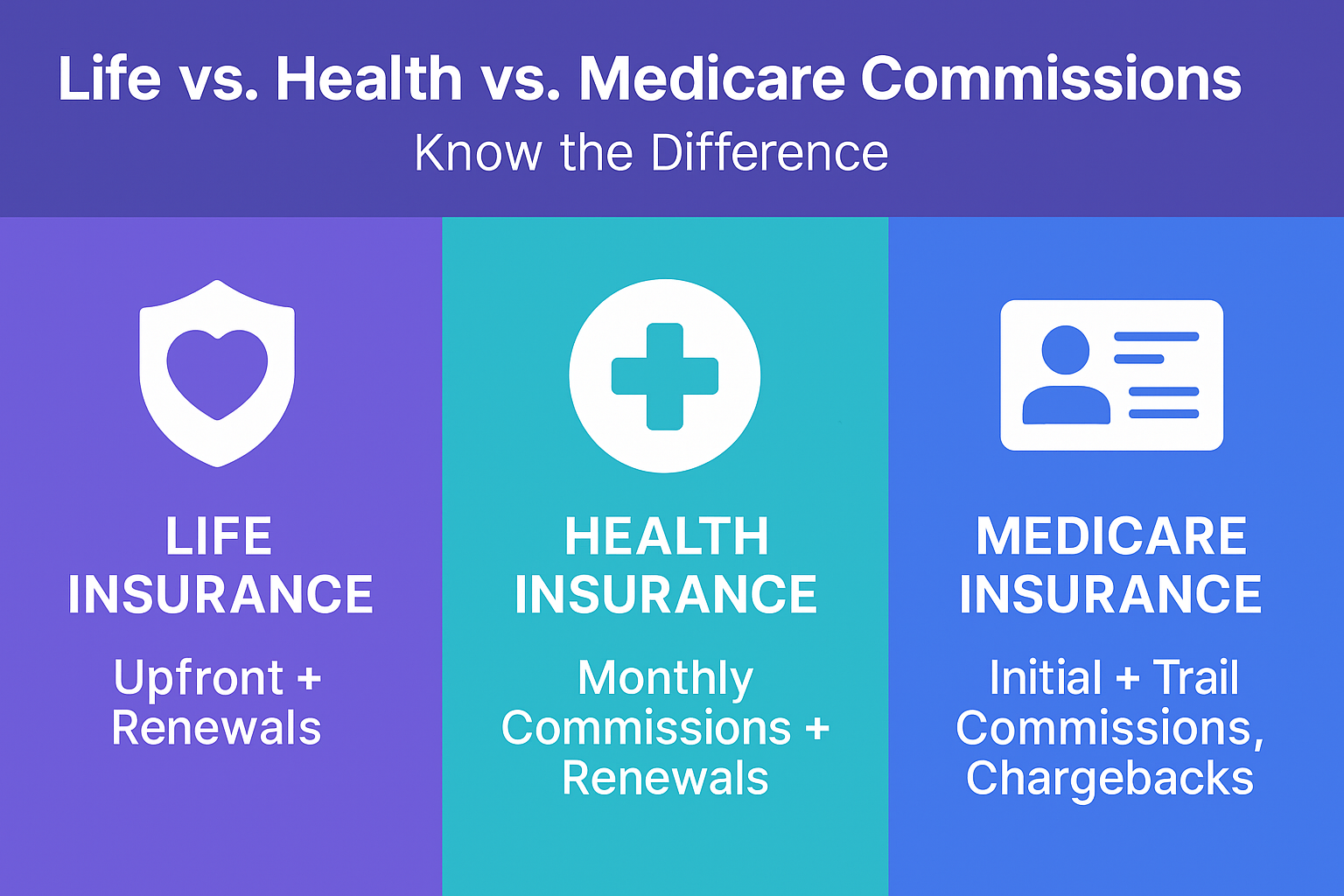
The compensation model for term life insurance is predominantly "heaped," meaning the vast majority of the pay is front-loaded into the first year of the policy. This reflects the high cost of acquisition for the insurance company, which includes the agent's time for needs analysis, application processing, and medical exam coordination.
First-Year Commissions (FYC)
The First-Year Commission (FYC) is the largest payment an agent receives. In the 2026 market, a standard "street level" contract for a 20-year or 30-year term policy usually offers an FYC between 70% and 100% of the annual premium. For example, if a policyholder pays $1,000 per year for a term policy, the agent may receive $800 to $1,000 as a one-time payment shortly after the policy is placed in force.
It is important to note that the FYC can exceed 100% in certain high-production scenarios. This occurs through a combination of the base commission and production bonuses. Carriers offer these incentives to top-tier agencies to capture a larger share of their business. While this may seem like a loss for the carrier initially, they rely on the long-term profitability of the policy and the fact that most term policies do not result in a death claim, as many policyholders outlive the term or let the coverage lapse.
Renewal Commissions and Service Fees
After the first year, agents receive renewal commissions. These are significantly lower than the FYC, typically ranging from 2% to 5% of the annual premium. These payments usually continue for a set period, such as years two through ten of the policy.
The purpose of renewals is to incentivize the agent to provide ongoing service, such as updating beneficiaries, assisting with policy changes, or facilitating the conversion of a term policy into a permanent life insurance policy. In 2026, many carriers have moved toward a "service fee" model for older policies, where a nominal flat fee is paid to the agent of record even after the standard renewal period has expired.
Factors Influencing Commission Rates
Not every term life insurance policy pays the same commission. Several variables dictate the final payout to the agent or agency.
Policy Duration and Type
The length of the term significantly impacts the commission rate. A 30-year term policy generally offers the highest commission percentage because it represents a long-term commitment from the policyholder. Conversely, 10-year term policies or "annually renewable term" (ART) products often carry lower commission rates, sometimes as low as 30% to 50% of the first-year premium.
Distribution Channel and Contract Levels
The insurance industry operates on a hierarchical structure. Most agents do not work directly for the carrier but are affiliated with an Independent Marketing Organization (IMO) or a Field Marketing Organization (FMO).
- The MGA/GA Level: General Agencies receive the highest contracts from carriers.
- The Street Level: Individual agents receive a percentage of what the General Agency is paid.
- Overrides: The difference between the MGA contract and the agent's contract is called an override. This override compensates the agency for providing training, marketing support, and administrative infrastructure to the individual agent.
Carrier Competition and Product Selection
Carriers frequently adjust their commission schedules to remain competitive. If a carrier wants to increase its market share in the "Preferred Plus" health category, it might temporarily increase commissions or offer bonuses for policies issued to exceptionally healthy applicants. Agents must balance these incentives with their fiduciary duty to the client, ensuring that the chosen policy is truly the best fit for the client's needs regardless of the commission.
Comparison of Commission Structures by Product Category (2026)
The following table compares the typical commission structures across different life insurance product lines to provide context for term insurance compensation.
| Product Type | First-Year Commission (FYC) | Renewal Period | Typical Renewal Rate |
|---|---|---|---|
| Term Life (20-30 Year) | 70% – 110% | 2–10 Years | 2% – 5% |
| Term Life (10 Year) | 40% – 70% | 2–5 Years | 1% – 3% |
| Whole Life Insurance | 50% – 90% | 10+ Years | 3% – 7% |
| Universal Life (GUL) | 60% – 85% | 5–10 Years | 2% – 4% |
| Final Expense | 100% – 120% | 2–10 Years | 5% – 10% |
Chargebacks: The Financial Risk for Agents
One of the most critical aspects of term life insurance commissions is the chargeback provision. Commissions are often paid "on advance," meaning the agent receives the full first-year commission shortly after the first monthly premium is paid. However, this commission is not fully "earned" until the policy has been in force for a full year.
If a policyholder cancels their policy or allows it to lapse within the first 12 months, the insurance carrier will demand a refund of the unearned commission from the agent. This is known as a chargeback. For example, if a policy lapses after only six months, the agent may be required to pay back 50% of the commission they received. Chargebacks are a significant financial risk for agents and serve as a quality control mechanism to ensure that agents are selling policies that clients can actually afford over the long term.
Transparency and Regulatory Compliance in 2026
In 2026, the landscape of commission disclosure is more rigorous than in previous decades. Regulations such as the NAIC Life Insurance Illustrations Model Regulation and various state-specific "Best Interest" standards require agents to act in the client's best interest.
Disclosure Requirements
While agents are not always required to disclose the exact dollar amount of their commission to a client (unless specifically asked in certain jurisdictions), they must disclose that they are being compensated by the carrier. In some states, such as New York under Regulation 187, there are strict suitability standards that require agents to document why a specific term policy was recommended, ensuring that the commission did not unfairly influence the advice.
The Rise of No-Commission (Fee-Only) Products
As the financial advisory world moves toward a fiduciary, fee-based model, some carriers have introduced "No-Load" or "Fee-Only" term life insurance. These products do not pay a commission to an agent. Instead, the consumer pays a flat fee to a financial advisor for the advice and implementation. These policies often have slightly lower premiums because the carrier does not have to factor the high acquisition cost (commission) into the pricing. However, these products remain a niche part of the overall market.
How Commissions Impact Policyholder Premiums
It is a common misconception that buying a policy through an agent is more expensive than buying "direct" from a carrier. In the insurance industry, the commission is typically baked into the premium rates filed with state insurance departments.
Whether a consumer uses an agent or attempts to buy a policy through a carrier’s website, the premium for the same product is usually identical. The carrier simply keeps the "commission" portion of the premium to cover their own internal marketing and distribution costs if an agent is not involved. Therefore, for most consumers, using an experienced agent provides significant value—such as underwriting advocacy and needs analysis—at no additional out-of-pocket cost.
Frequently Asked Questions
Do agents get paid if I renew my term policy after the initial period?
Most term policies have an "ART" (Annually Renewable Term) period after the initial level term (e.g., after year 20). If you continue the policy at the much higher ART rates, the agent may receive a small service fee, but the standard renewal commissions usually end after the first 10 years of the policy life.
What happens to the commission if I convert my term policy?
If you convert your term policy to a permanent policy (like Whole Life or Universal Life) with the same carrier, the agent typically receives a new commission based on the premium of the new permanent policy. This is often referred to as a conversion commission and is a key reason why agents remain in contact with term policyholders.
Can agents offer me a rebate or share their commission with me?
In the vast majority of U.S. states, rebating is strictly illegal. Agents cannot give you a portion of their commission, pay your first premium, or give you a gift of significant value to induce the sale. This regulation is designed to maintain a level playing field and prevent unfair discrimination among policyholders.
Is the commission higher for older applicants?
The commission is a percentage of the premium. Since life insurance premiums are higher for older applicants (due to increased mortality risk), the total dollar amount the agent earns is higher, even if the commission percentage remains the same as a policy for a younger person.
How does "Advancing" work?
Carriers often offer "9-month advances" or "12-month advances." This means if you buy a policy for $100 a month, and the agent has a 100% commission rate with a 12-month advance, the carrier pays the agent $1,200 as soon as your first $100 payment clears. The agent then "earns" that money month-by-month as you pay your premiums.
Recommendation for 2026
For those entering the insurance industry, focusing on high-quality lead generation and client retention is more important than chasing the highest commission percentage. A 100% contract with a 50% lapse rate is far less profitable than an 80% contract with a 95% retention rate, especially when considering the impact of chargebacks.
For consumers, the presence of a commission should be viewed as a payment for the agent's professional services. To ensure you are getting the best value, ask your agent to provide quotes from at least five different carriers and explain why the recommended policy is the best fit for your specific health profile and financial goals.
Image Gallery