Navigating Life in the Sunshine State: Essential Legal, Financial, and Practical Guide for Florida Residents
Living in the state of Florida brings a unique blend of subtropical climate, economic advantages, and specific administrative requirements that every resident must navigate. Whether you are a newly arrived transplant establishing domic...
Living in the state of Florida brings a unique blend of subtropical climate, economic advantages, and specific administrative requirements that every resident must navigate. Whether you are a newly arrived transplant establishing domicile or a lifelong resident optimizing your lifestyle, understanding Florida's residency laws, tax landscape, healthcare framework, and infrastructure preparations is essential for long-term stability in 2026.
Contents
Establishing and Proving Legal Domicile in Florida
Establishing legal residency in Florida offers significant financial benefits, most notably the absence of a state personal income tax. However, declaring that you live in the state of Florida requires more than renting an apartment or spending the winter months in a seasonal home; it demands clear, legal documentation of intent to make Florida your permanent primary home.
To establish domicile successfully, legal and tax authorities look at a totality of circumstances. Proving your primary connection requires executing specific administrative steps within your first few months of relocation.
- Declaration of Domicile: File a formal Declaration of Domicile with the Clerk of the Circuit Court in your local county.
- Driver's License and Vehicle Registration: Florida law mandates that new residents obtain a Florida driver's license within 30 days of establishing residency, and register all motor vehicles within 10 days of employment or enrollment.
- Voter Registration: Register to vote using your Florida residential address and actively participate in local or state elections.
- Property Homestead Exemption: If you purchase a home, apply for the Florida Homestead Exemption by March 1st of the tax year following your move to cap property value assessment increases.
Financial and Tax Implications of Florida Residency
The financial structure of the state heavily favors individuals and businesses seeking low-tax environments, but understanding the nuances prevents unexpected liabilities. While the state imposes no personal income tax, capital gains tax, or estate tax, other tax vectors require careful financial planning.
Property taxes, managed at the county level, fund local infrastructure and public education. The Save Our Homes benefit caps the annual increase of assessment on homesteaded property at 3% or the Consumer Price Index (CPI), whichever is lower. Sales tax is another critical consideration, with a state base rate of 6% alongside discretionary local option sales surtaxes levied by individual counties.
| Tax Type | Florida Rate / Rule | National Average / Comparison |
|---|---|---|
| State Income Tax | 0% | Varies by state (up to 13.3% in top brackets) |
| State Sales Tax | 6.0% (plus local surtaxes up to 2.5%) | Typically ranges between 4% and 7.25% |
| Average Effective Property Tax | Approximately 0.83% of assessed value | National average sits near 1.02% |
| Estate and Inheritance Tax | None | Imposed by several other U.S. states |
Healthcare Systems and Insurance Realities
Accessing quality medical care and maintaining proper insurance coverage is a top priority for Florida residents. The state's healthcare landscape features major regional health systems such as Mayo Clinic in Jacksonville, Cleveland Clinic in Weston, and Tampa General Hospital, alongside expansive networks managed by Orlando Health and Baptist Health South Florida.
When selecting health insurance, residents must navigate the Health Insurance Marketplace or employer-sponsored plans while paying close attention to network adequacy. Medicare beneficiaries must carefully evaluate Original Medicare against Medicare Advantage plans, ensuring their preferred physicians and local hospital networks hold active contracts with specific carriers. Furthermore, homeowners insurance requires specialized attention due to the state's unique property casualty market, prompting many homeowners to utilize the state-backed insurer of last resort, Citizens Property Insurance Corporation, alongside private carriers.
Navigating Environmental Risks and Severe Weather Preparedness
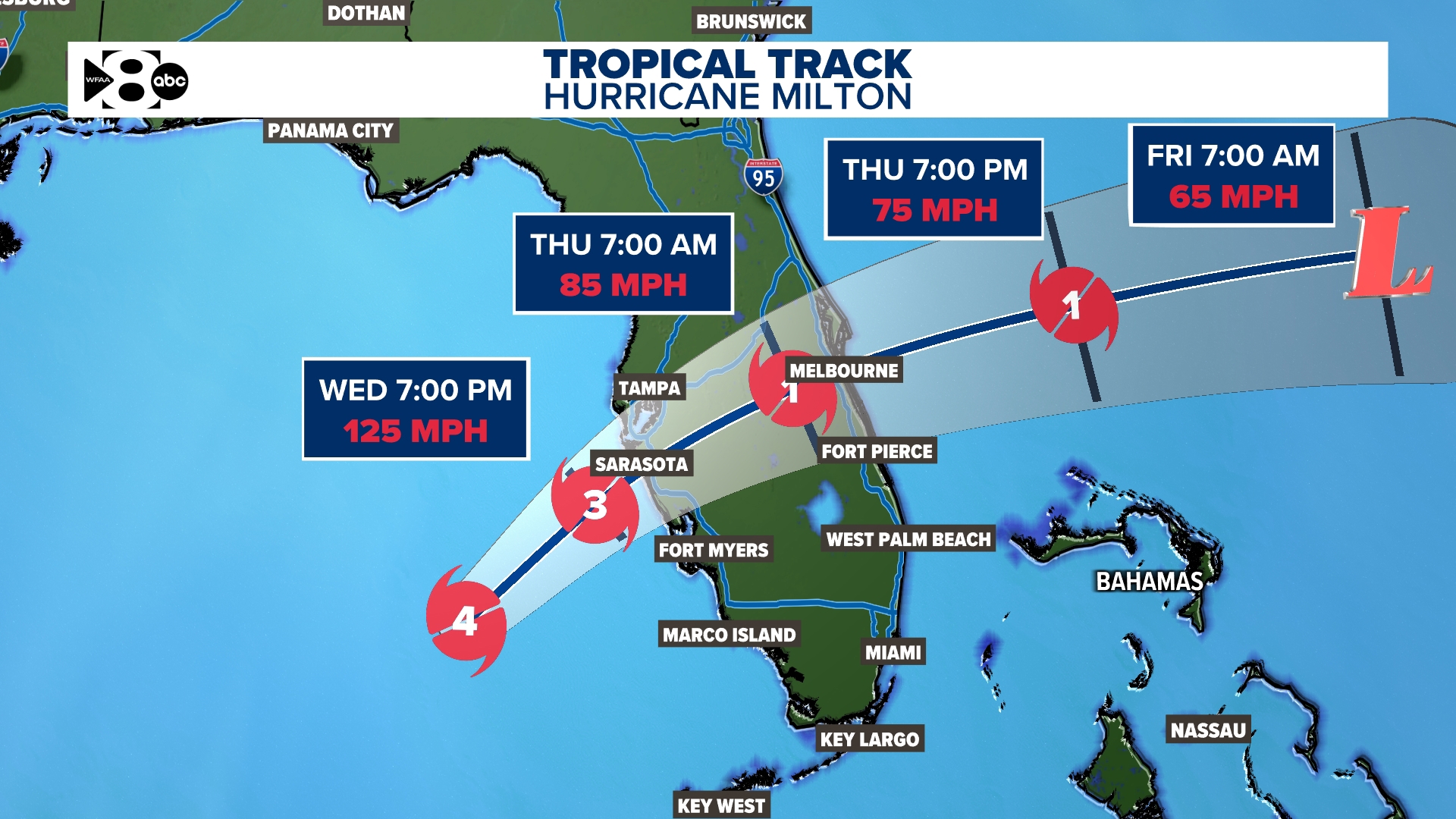
Living in a peninsula bordered by the Atlantic Ocean and the Gulf of Mexico exposes residents to severe weather events, most notably tropical storms and hurricanes. Preparedness is not merely a seasonal recommendation; it is an ongoing logistical requirement for all households.
- Evacuation Zones: Identify your local county emergency management zone and understand mandatory evacuation triggers.
- Emergency Supply Kits: Maintain a minimum of a 7-to-10-day supply of non-perishable food, potable water (one gallon per person per day), medications, and battery-powered communication devices.
- Home Hardening: Implement wind-mitigation measures, including impact-rated windows, hurricane shutters, and reinforced roof-to-wall ties, which can also yield significant discounts on homeowners insurance premiums.
- Flood Insurance: Standard homeowners insurance policies exclude flood damage. Residents must purchase separate coverage through the National Flood Insurance Program (NFIP) or private surplus lines.
Frequently Asked Questions About Living in Florida
How many days do I need to live in Florida to be considered a legal resident?
While traditional rules of thumb often mention 183 days, legal residency depends on your primary ties and intent. Establishing domicile requires proving that Florida is your permanent center of life through voter registration, driver's licensing, and real estate ownership.
Does Florida tax Social Security benefits or retirement income?
No, the state does not levy a personal income tax, meaning pension distributions, 401(k) withdrawals, IRA payouts, and Social Security benefits are entirely free from state taxation.
How do I apply for the Florida Homestead Exemption?
You must own the property as of January 1st of the tax year and file an application with your county property appraiser by March 1st. This exemption reduces the taxable value of your primary residence and limits future assessment increases.
What are the vehicle registration deadlines for new residents?
New residents must register their motor vehicles within 10 days of establishing residency, accepting employment, or enrolling children in public schools, and must transfer their driver's license within 30 days.
Is flood insurance mandatory for all Florida homeowners?
While mortgage lenders legally require flood insurance only for properties located in designated High-Risk Flood Hazard Areas (Special Flood Hazard Areas), experts strongly recommend coverage regardless of zone due to heavy localized rainfall and storm surge risks.
Securing Your Future in the Sunshine State
Thriving as a resident of Florida requires balancing the lifestyle benefits of the region with proactive administrative, financial, and safety management. By officially establishing your legal domicile, optimizing your tax strategies, anchoring yourself within reliable healthcare networks, and maintaining robust hurricane preparedness plans, you position yourself to enjoy everything the region has to offer with total peace of mind. Review your compliance benchmarks annually to protect your household and maximize your long-term security.
Image Gallery