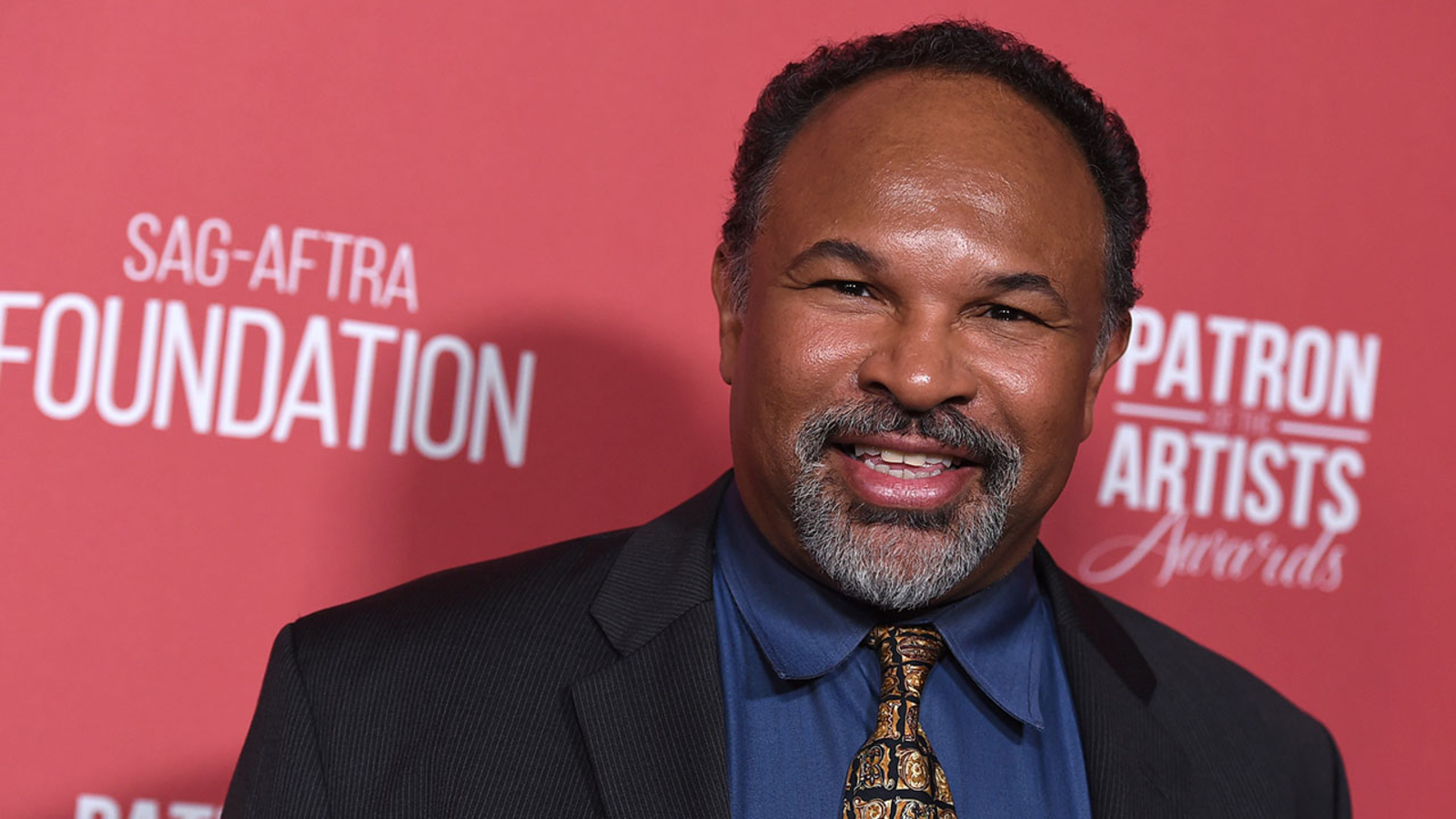
Geoffrey Owens and the Actor's Role in the American Film Landscape
Geoffrey Owens—frequently searched as Jeffrey Owens—is a veteran American actor, director, and educator whose multi-decade career spans legendary television sitcoms, feature films, and classical theater. Best known for portraying Elvin...
Geoffrey Owens—frequently searched as Jeffrey Owens—is a veteran American actor, director, and educator whose multi-decade career spans legendary television sitcoms, feature films, and classical theater. Best known for portraying Elvin Tibideaux on The Cosby Show, Owens became a pivotal national figure highlighting the economic realities and career resilience of working performers within the American film and television industry.
Contents
Clarifying the Entity: Geoffrey Owens vs. Jeffrey Owens
When searching for "Jeffrey Owens" within the context of the American film landscape, queries almost universally point to Geoffrey Owens. Because "Jeffrey" and "Geoffrey" share an identical phonetic pronunciation in English, public records, film databases, and news coverage often reflect this common spelling variation.
Born on March 18, 1961, in Brooklyn, New York, Geoffrey Owens is the son of the late United States Representative Major Owens. He earned a Bachelor of Arts in English cum laude from Yale University in 1983, laying a strong literary foundation before launching a professional acting career that would encompass high-profile network television, independent feature films, and classical stage productions. Understanding his trajectory provides a realistic lens through which to view the working actor's journey in American entertainment.
Career Foundations: From Classical Stage to Network Television
Owens began his career in theater, developing a deep grounding in Shakespearean performance and classical drama. His broad intellectual background and formal training prepared him for a wide variety of roles, but his breakthrough came when he entered main-stream American television in the mid-1980s.
| Geoffrey Owens: Career Arc |
|---|
| 1980s–1990s: Cosby Show Breakout & Classical Stage Roots |
| 2000s–2010s: Guest Roles, Directing, & Educational Leadership |
| 2018: Media Attention & Public Solidarity Shift |
| 2019–2026: Film Resurgence, Broadway Debut, & Industry Advocacy |
The Cosby Show Impact (1985–1992)
In 1985, Owens joined the cast of The Cosby Show during its second season as Elvin Tibideaux, the boyfriend and eventual husband of Sondra Huxtable. Over seven seasons, his portrayal of Elvin evolved from a well-intentioned but naive college student into a devoted husband and young doctor.
The Cosby Show was a rating juggernaut, dominating American television networks throughout the late 1980s. The immense popularity of the series gave Owens instant global recognition. However, as is common in the American film landscape, long-term association with a single character in a hugely successful sitcom can present distinct career challenges, including typecasting and shifts in financial structures over time.
Navigating the Film and Television Ecosystem
Following the conclusion of The Cosby Show in 1992, Owens maintained a steady presence across film, television, and stage. Rather than relying solely on high-budget studio projects, he cultivated a diversified career as a working character actor and theater artist.
Screen and Television Credits
Owens’ screen work showcases his versatility across comedy, procedural drama, and independent feature films:
- Feature Films: Appeared in Ron Howard's newsroom drama The Paper (1994), alongside independent feature films such as Hide and Seek (2021) and Fatale (2020).
- Television Dramas: Secured guest and recurring roles in top-tier television series, including The Blacklist, NCIS, Blue Bloods, Lucifer, The Good Fight, and Power.
- Comedy and Satire: Made acclaimed guest appearances on FX's It's Always Sunny in Philadelphia, self-referentially playing actors auditioning for local promotional spots (including famous recurring gags as a fake Donovan McNabb and fake Barack Obama).
This varied filmography reflects the broader labor dynamics of the Screen Actors Guild (SAG-AFTRA). The vast majority of professional actors in the United States rely on a steady rotation of guest spots, independent features, and theater work rather than continuous studio blockbusters.
The 2018 Media Watershed: Job Shaming and Labor Realities
In late August 2018, photographs of Owens working at a Trader Joe’s grocery store in Clifton, New Jersey, were published by media outlets. The coverage initially attempted to frame his employment as a fall from grace. However, the story triggered a massive counter-response from the entertainment industry and the general public, turning into a landmark conversation regarding the realities of working actors.
- 2018 Media Event
- Initial Media Coverage (Framed as "Job Shaming")
- Public & Industry Support (Solidarity from SAG-AFTRA)
- Broader Industry Impact
- Public discussion on television residuals
- Overcoming stigma surrounding secondary employment
- New acting offers (e.g., Tyler Perry projects)
Industry Solidarity and Public Reaction
High-profile actors, directors, and SAG-AFTRA members rallied to Owens' defense. Prominent figures including Terry Crews, Patricia Heaton, and Pamela Adlon highlighted that taking honest, non-acting employment between artistic projects is standard practice for working artists.
The event illuminated key systemic aspects of the American entertainment landscape:
- Residual Structures: Network television reruns historically provided residual checks for actors. However, shifts toward streaming platforms, corporate library consolidation, and pullbacks on syndication significantly reduced ongoing passive income for many veteran actors.
- Gig Economy in the Arts: Acting is inherently project-based. Maintaining income stability during lulls between booking projects requires supplementary work, regardless of an actor's past credentials.
- Destigmatizing Honest Work: Owens handled the media scrutiny with grace, publicly stating on national broadcasts that every job has dignity and value, encouraging fellow artists never to feel ashamed of earning a living.
Career Resurgence
The widespread attention led directly to fresh opportunities. Filmmaker and studio owner Tyler Perry reached out immediately, casting Owens in a recurring role on his hit drama series The Haves and the Have Nots on the OWN network. Following this, Owens booked additional film roles, commercial spots, and high-profile stage appearances.
Theater Directorship, Pedagogy, and Artistic Mentorship
Beyond camera work, Owens has made significant contributions to stage performance and acting education in the United States. His commitment to classical theater has provided artistic continuity throughout changing screen dynamics.
Classical Directing and Teaching
- Brooklyn Shakespeare Company: Founded and directed by Owens, this organization brought accessible classical theater to New York audiences.
- Acting Pedagogy: Owens has taught Shakespeare and classical acting technique at prestigious institutions, including HB Studio, Columbia University, Yale University, and private workshops across New York.
- Broadway and Stage: In addition to off-Broadway productions, Owens appeared on Broadway in productions such as the 2013 revival of Romeo and Juliet (starring Orlando Bloom and Condola Rashad) and the Pulitzer Prize-winning play Fat Ham.
His teaching emphasizes text analysis, vocal control, and practical professionalism, helping young actors navigate both the artistic and commercial requirements of the industry.
Key Milestones and Industry Footprint
The following table summarizes the major eras of Geoffrey Owens' career, highlighting his primary mediums, key projects, and broader contribution to the American performance landscape.
| Era / Phase | Primary Medium | Key Projects & Roles | Industry Significance & Context |
|---|---|---|---|
| 1985–1992 | Network Sitcom | The Cosby Show (Elvin Tibideaux) | Established national name recognition; highlighted mid-80s network television dominance. |
| 1993–2005 | Theater & Film | The Paper (Film), Regional Stage | Transformed from sitcom star to working stage director and feature character actor. |
| 2006–2017 | Drama & Comedy TV | It's Always Sunny, The Blacklist, NCIS | Demonstrated comedic and dramatic range across diverse cable and network formats. |
| 2018 | National Media | News Coverage & Interviews | Sparked national labor awareness regarding actor compensation, residuals, and dignity of work. |
| 2019–Present | Film, TV & Broadway | The Haves and Have Nots, Fat Ham, Hide and Seek | Expanded work across independent film and Broadway; advocate for working actors. |
Financial Realities: Residuals, SAG-AFTRA, and Streaming
To understand Owens' place in the American film landscape, one must examine how actor compensation has evolved over the past four decades.
The Evolution of Reruns and Royalties
During the 1980s and 1990s, broadcast syndication provided substantial income for cast members of top-rated shows. However, residual formulas are complex:
- Broadcast Syndication vs. Cable/Streaming: Initial rerun syndication payments decrease progressively over subsequent airings.
- Series Removal from Distribution: When series are pulled from broadcast syndication or licensing platforms due to external controversies or corporate shifts, residual income can shrink abruptly.
- Streaming Contract Adjustments: Traditional contracts did not anticipate digital streaming platforms, leading to long-standing compensation disputes that eventually culminated in major SAG-AFTRA labor actions.
Owens' experience highlighted why even well-known actors must diversify their income streams, maintain active membership in labor unions, and stay adaptable as media distribution models evolve.
Frequently Asked Questions
Is Jeffrey Owens the same actor as Geoffrey Owens?
Yes. "Jeffrey Owens" is a frequent spelling misspelling of Geoffrey Owens. Both refer to the American actor best known for his role as Elvin Tibideaux on The Cosby Show and his extensive stage, film, and television work.
What are Geoffrey Owens' most prominent film and TV credits?
Owens is widely recognized for The Cosby Show, Ron Howard's feature film The Paper, Tyler Perry's The Haves and the Have Nots, FX's It's Always Sunny in Philadelphia, Starz's Power, and independent feature films like Hide and Seek (2021).
How did the 2018 news coverage impact Geoffrey Owens' career?
While the 2018 media coverage initially attempted to frame his employment at Trader Joe's negatively, public and industry backlash turned the narrative into a movement of support. It destigmatized non-acting jobs for artists and led to new roles in television, film, and theater.
What teaching contributions has Geoffrey Owens made to American theater?
Owens is a respected classical acting teacher who founded the Brooklyn Shakespeare Company. He has taught Shakespearean acting at institutions such as HB Studio, Yale University, and Columbia University.
Why is Geoffrey Owens' story significant to working actors in the U.S.?
His story serves as a real-world example of career resilience, illustrating the financial realities of project-based acting, the shifting nature of television residuals, and the importance of professional dignity regardless of secondary employment.
Key Takeaways for Industry Observers and Aspiring Performers
Analyzing Geoffrey Owens' trajectory offers clear practical insights for anyone studying or working within the modern entertainment industry:
- Separate Fame from Financial Stability: High visibility on television does not guarantee lifelong financial independence; actors must plan for cyclical market changes.
- Value Diversification: Developing skills in stage directorship, voiceover, and teaching provides artistic continuity when film and TV bookings fluctuate.
- Embrace Professional Resilience: Secondary work outside the entertainment industry is a normal, honorable part of sustaining a long-term creative career.
- Support Fair Residual Structures: Staying informed on labor union updates (SAG-AFTRA) helps artists protect their rights as media distribution technology shifts.
Image Gallery