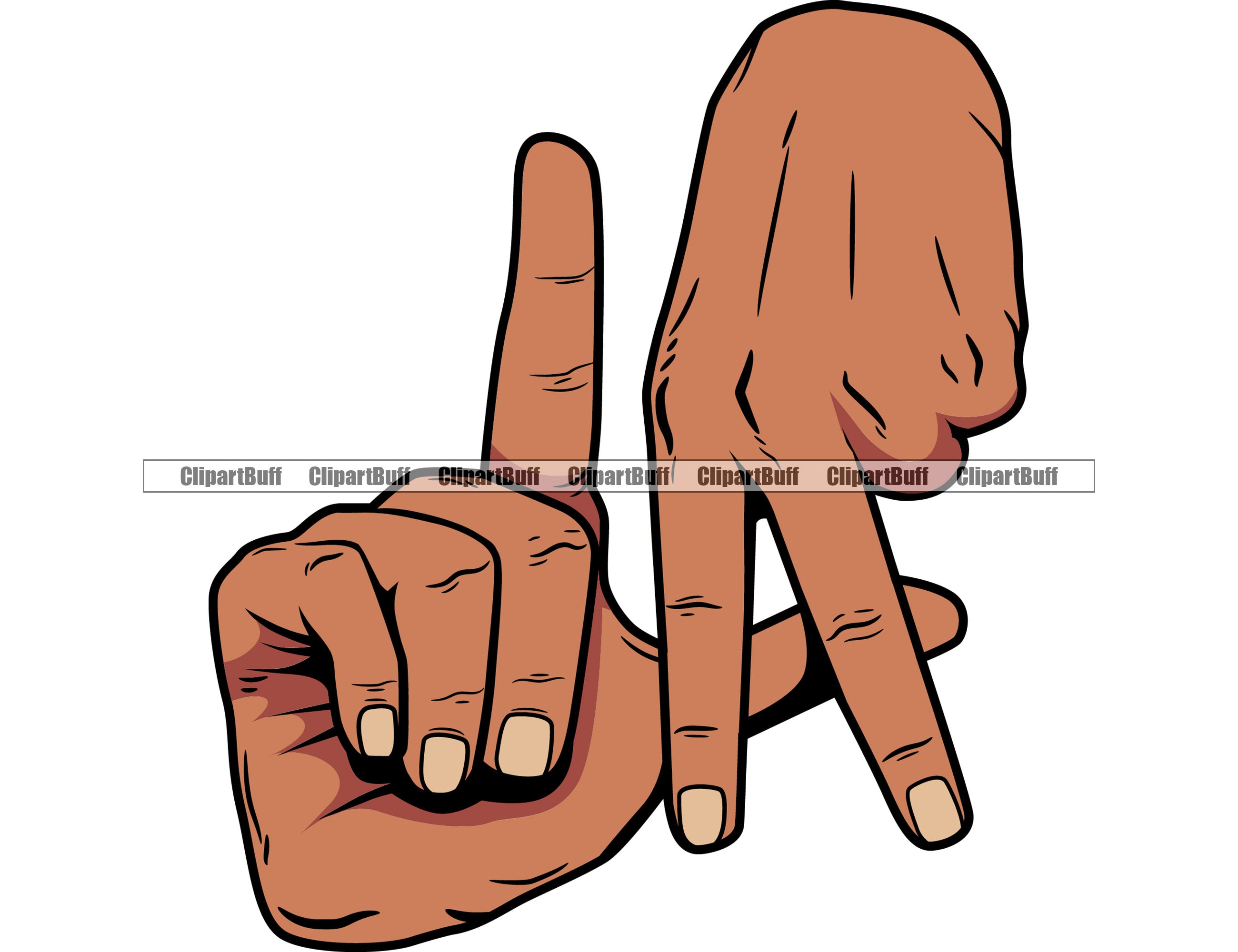
Understanding the Signification of Hand Gestures: The Ring Finger Down Configuration
The gesture described as a hand sign with the ring finger held down is a common anatomical configuration in non-verbal communication, frequently appearing in American Sign Language (ASL), cultural iconography, and various subcultural s...
The gesture described as a hand sign with the ring finger held down is a common anatomical configuration in non-verbal communication, frequently appearing in American Sign Language (ASL), cultural iconography, and various subcultural signaling systems. Its meaning is entirely context-dependent, shifting significantly between linguistic usage, historical gang-affiliated symbolism, and pop-culture expressions used in 2026.
Contents
Linguistic and Anthropological Context of Hand Signalling
Hand gestures, or "chirosemes," have served as a foundational element of human communication for millennia. When the ring finger is tucked against the palm while other fingers are extended or positioned in specific ways, it usually indicates a departure from a natural, relaxed hand posture, necessitating voluntary muscle isolation.
In the context of American Sign Language, variations of finger positioning are strictly defined. For instance, the number "6" in ASL involves touching the tip of the thumb to the tip of the pinky finger while extending the index, middle, and ring fingers. Conversely, positioning the hand to intentionally keep only the ring finger down while keeping the index and middle fingers extended often mirrors the "victory" or "peace" sign, modified by the tension required to depress the fourth digit.
Decoding Symbolic Associations and Subcultural Usage
The specific gesture of holding the ring finger down while keeping other fingers extended is frequently scrutinized in law enforcement and sociological studies regarding street gang identification. It is essential to recognize that individual hand shapes are rarely sufficient evidence of gang affiliation in isolation, as gestures are often co-opted across different social spheres.
Factors Influencing Interpretations of Hand Gestures
- Anatomical Constraints: Some individuals possess limited independent control over the ring finger due to the shared tendons between the ring and middle fingers (the extensor digitorum).
- Regional Variation: Gestures that signify a specific alliance in one jurisdiction may be completely meaningless or carry a different connotation in another, as street-level symbolism is highly localized and prone to evolution.
- Intentionality: The difference between a deliberate "set sign" and a coincidental hand posture is defined by the rigidity of the sign, the speed of execution, and the surrounding social environment.
Comparative Analysis of Symbolic Hand Configurations
To distinguish between various uses of hand gestures involving the fourth digit, consider the following table which breaks down common interpretations observed in modern social and linguistic contexts as of 2026.
| Gesture Configuration | Primary Field | Typical Significance |
|---|---|---|
| Ring Finger Tucked/Flexed | ASL / Linguistics | Used in complex phonemic representation and numeric signing. |
| Ring Finger Tucked/Extended | Pop Culture | Often represents stylized variations of the "V" or "Peace" sign. |
| Ring Finger Tucked/Rigid | Subcultural Signaling | Potentially associated with specific group identification or territory marking. |
| Voluntary Flexion | Ergonomics | Common in repetitive strain injury prevention and dexterity exercises. |
Legal and Sociological Perspectives in 2026
In modern law enforcement, the identification of "gang signs" is governed by strict evidentiary standards. Courts generally require more than a single photograph of a hand gesture to establish a pattern of activity or criminal affiliation. Experts in criminal sociology note that the "ring finger down" sign, while often referenced in popular media, lacks the universal standardization of more common symbols.
From a technical SEO and informational standpoint, the primary danger in interpreting such signs is the attribution of criminal intent to what may be a benign movement. Users searching for this term often encounter misinformation derived from outdated message boards or sensationalist content. Accurate information relies on understanding that hand gestures are a fluid language; they evolve based on geographical location, demographic shifts, and the influence of digital media platforms.
Troubleshooting Misconceptions and Identifying Intent
If you are researching hand gestures for academic or professional purposes, it is critical to employ a methodology that accounts for context. Use the following guide to refine your understanding of any hand-based signal:
- Observe the Context: Is the gesture being performed in a formal, casual, or performative setting?
- Analyze the Full Body Language: Hand signals rarely exist in a vacuum; they are typically accompanied by specific facial expressions and body positioning.
- Consult Subject Matter Experts: In legal contexts, rely on certified gang intelligence analysts rather than online forums, which often promote unsubstantiated rumors.
- Consider Anatomical Limitations: Acknowledge that for many people, the inability to move the ring finger independently—often known as "ring finger syndrome" or simply anatomical tethering—can make specific gestures physically impossible to execute perfectly.
Expert Insight on Symbolic Evolution
Contextual Dependency Symbols are not static. A gesture that signifies a specific territorial claim in 2010 might be repurposed as a trend in a music video or social media challenge by 2026. When interpreting these signs, always prioritize current, documented field reports from regional law enforcement or academic sociologists over historical archives that may no longer reflect contemporary reality.
Frequently Asked Questions
Is "ring finger down" a universally recognized gang sign? No, there is no single, globally recognized "ring finger down" sign that denotes membership in a specific criminal organization. Because hand gestures are highly localized, a sign with this description may have dozens of meanings depending on the city, neighborhood, or cultural group.
Can anatomy influence how someone makes a hand sign? Yes, the human hand is governed by the extensor digitorum communis muscle, which features interconnecting tendons that often link the ring finger to the middle and pinky fingers. Many people find it physically difficult to depress the ring finger while keeping the others extended without significant practice or specific hand geometry.
How does law enforcement treat these gestures in court? Law enforcement agencies use these gestures as part of a "totality of circumstances" approach. By itself, a single gesture is rarely enough for a court to establish gang affiliation; it is usually viewed alongside tattoos, past criminal history, and corroborated intelligence regarding the individual’s social circle.
Are there non-criminal uses for this hand gesture? Yes, this configuration is common in various forms of sign language, dance, and even in standard hand-strengthening exercises used in physical therapy to increase finger independence and coordination.
Where can I find authoritative information on regional symbols? For reliable data, researchers should consult reports from the National Institute of Justice or regional law enforcement training manuals, which are updated periodically to track the evolution of cultural and subcultural symbols.
Conclusion
Understanding the "gang sign with ring finger down" requires a disciplined approach that balances linguistic, anatomical, and sociological realities. In 2026, as digital communication continues to influence how individuals express identity, the nuance of non-verbal cues becomes increasingly important. By avoiding broad generalizations and focusing on the specific context of the gesture, you can gain a more accurate understanding of how these symbols function in modern society. If you are conducting professional research into the intersection of semiotics and subcultural identity, ensure your data sources are peer-reviewed or originate from verified field experts to maintain the highest level of accuracy and ethical responsibility.
Image Gallery