What is Brazil Well Known For? A Comprehensive Guide to Its Culture, Nature, and Global Impact
Brazil is globally renowned for its vibrant Carnival, the vast Amazon Rainforest, and its unparalleled success in football (soccer). It is also famous for the Christ the Redeemer statue in Rio de Janeiro, its status as the world's larg...
Brazil is globally renowned for its vibrant Carnival, the vast Amazon Rainforest, and its unparalleled success in football (soccer). It is also famous for the Christ the Redeemer statue in Rio de Janeiro, its status as the world's largest coffee producer, and a diverse cultural heritage that blends indigenous, African, and European influences.
Contents
As the largest country in South America and the fifth largest in the world by land area, Brazil occupies a unique position in the global consciousness. It is a nation of superlatives, housing the largest river by volume, the most biodiverse forest, and one of the most celebrated cultural festivals on the planet. From the modernist architecture of its capital, Brasília, to the rhythmic beats of Samba in the streets of Salvador, Brazil offers a complex tapestry of experiences that extend far beyond the typical postcard images.
The Crown Jewel of Nature: The Amazon Rainforest and Biodiversity
Perhaps nothing defines Brazil’s global identity more than the Amazon Rainforest. Covering roughly 60% of the country's territory, the Amazon is not merely a forest but a critical biological infrastructure for the entire planet. Brazil is well known for hosting this "lungs of the earth," which plays a vital role in regulating the global climate and sequestering carbon.
The biodiversity within the Brazilian Amazon is staggering. It is home to approximately one in ten known species on Earth. Scientists continue to document new species of plants, insects, and birds annually. For travelers and researchers alike, the Amazon represents the ultimate frontier of nature, offering a glimpse into ecosystems that have remained largely unchanged for millennia.
Beyond the Amazon, Brazil is also famous for the Pantanal, the world’s largest tropical wetland. While the Amazon is dense and often hides its inhabitants, the Pantanal is an open landscape that provides the best opportunities in the Americas for spotting elusive wildlife, including the jaguar, the giant anteater, and the hyacinth macaw. This region is a testament to Brazil's commitment to ecological diversity, attracting thousands of eco-tourists every year who seek a raw connection with nature.
Iconic Landmarks and Urban Architecture
Brazil is home to some of the most recognizable man-made structures in the world. The most famous is undoubtedly Christ the Redeemer (Cristo Redentor). Perched atop the Corcovado Mountain in Rio de Janeiro, this Art Deco statue stands 30 meters tall and overlooks the city with outstretched arms. It was named one of the New Seven Wonders of the World in 2007 and remains a symbol of both Brazilian Christianity and the nation's welcoming spirit.
However, Brazil’s architectural prowess extends into the realm of modernism. The capital city, Brasília, is a UNESCO World Heritage site and a masterpiece of urban planning. Designed by Lúcio Costa and architect Oscar Niemeyer, the city was built in the late 1950s to move the capital from the coast to the interior. Its "Pilot Plan" shape—resembling an airplane or a bird—and its futuristic government buildings, characterized by sweeping curves and white concrete, make it a global pilgrimage site for architects and urban designers.
The Rhythm of the Nation: Carnival and Samba
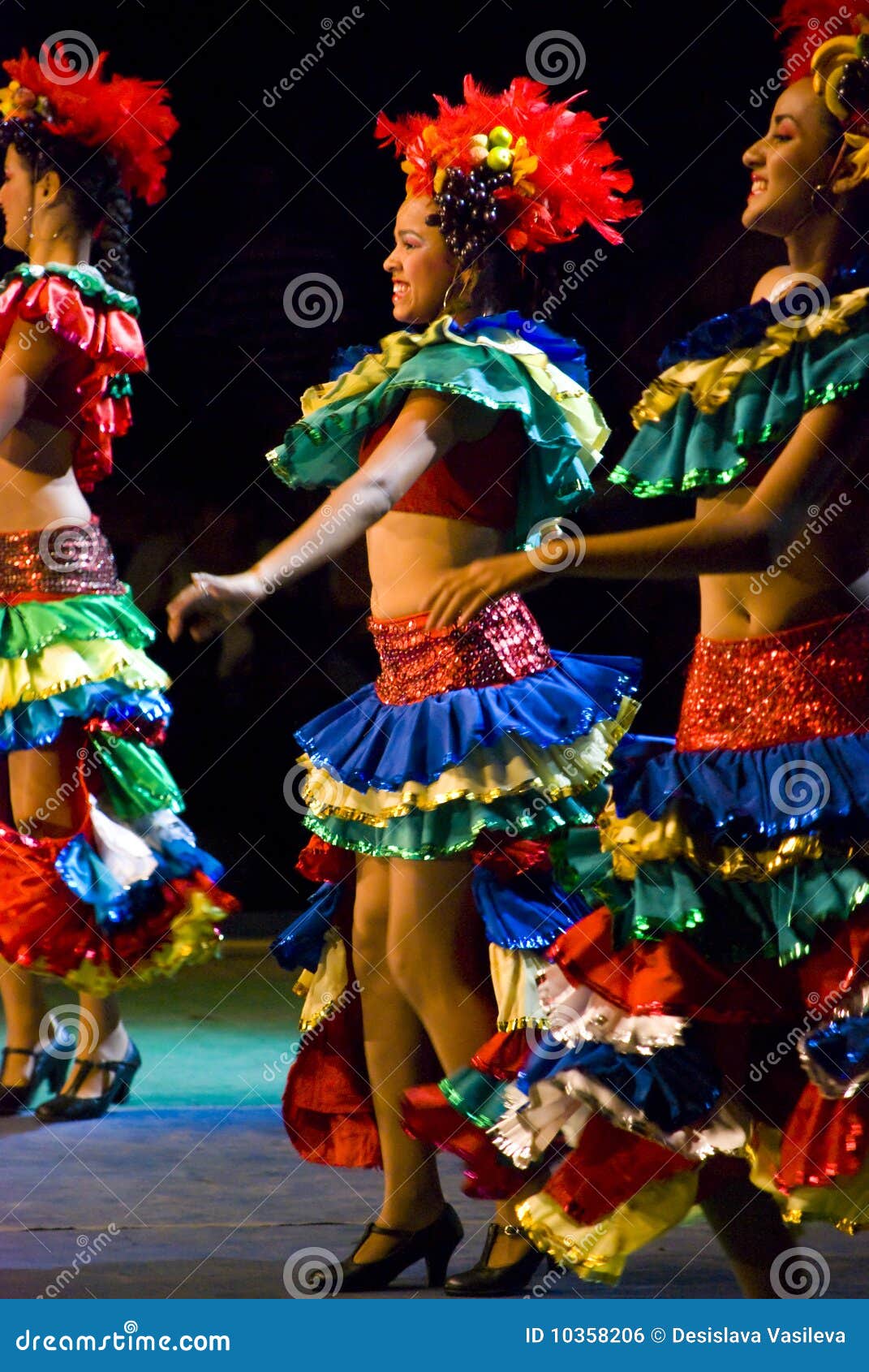
When people ask what Brazil is well known for, Carnival is often the first answer. This annual festival, held before Lent, is the world’s largest party. While many cities celebrate, the Rio de Janeiro Carnival is the most famous, featuring the high-energy "Samba Parade" at the Sambadrome. Here, samba schools spend an entire year preparing elaborate floats, intricate costumes, and synchronized dance routines that tell stories of Brazilian history, mythology, and social issues.
Samba itself is more than just a musical genre; it is the heartbeat of the country. With roots in the African diaspora, particularly among the enslaved populations in Bahia and later Rio de Janeiro, Samba evolved into various forms, including the sophisticated Bossa Nova, which gained international fame in the 1960s with hits like "The Girl from Ipanema." Today, the music of Brazil remains a primary export, influencing jazz, pop, and electronic music worldwide.
A Legacy of Sporting Excellence: The Land of Football
Brazil is synonymous with football (soccer). It is the only nation to have participated in every single FIFA World Cup and holds the record for the most titles, having won five times (1958, 1962, 1970, 1994, and 2002). For Brazilians, football is not just a sport; it is a fundamental part of the national identity and a source of immense pride.
The country has produced some of the greatest players in history, most notably Pelé, often cited as the greatest athlete of the 20th century. Other legends like Zico, Romário, Ronaldo Nazário, Ronaldinho, and Neymar Jr. have solidified Brazil's reputation as a "factory" of world-class talent. The Brazilian style of play, known as jogo bonito (the beautiful game), is characterized by creativity, flair, and individual skill, making the Brazilian national team (the Seleção) a favorite for fans globally, regardless of their own nationality.
Economic Powerhouse: Coffee and Commodities
In the realm of global trade, Brazil is a dominant force. For over 150 years, Brazil has been the world’s largest producer of coffee. The country accounts for approximately one-third of all coffee produced globally, with the states of Minas Gerais and São Paulo leading the output. Whether you are drinking a commercial blend or a high-end specialty roast, there is a high probability that the beans originated in the Brazilian highlands.
However, Brazil's economic impact reaches far beyond the breakfast table. The country is a leading exporter of:
- Soybeans: Brazil is the world's top producer and exporter.
- Beef: It holds one of the largest commercial cattle herds globally.
- Iron Ore: Vital for the global steel industry, with companies like Vale being major international players.
- Aviation: Brazil is home to Embraer, the world’s third-largest manufacturer of civil aircraft, specializing in regional jets used by major airlines across the globe.
Brazilian Gastronomy: A Fusion of Flavors
The culinary landscape of Brazil is as diverse as its geography. The national dish, Feijoada, is a rich stew of black beans with various cuts of pork and beef, traditionally served with rice, farofa (toasted cassava flour), and orange slices. Its origins are deeply rooted in the country's colonial and slave-trading past, representing a fusion of European and African culinary traditions.
Another world-famous aspect of Brazilian food is the Churrasco (barbecue). The rodízio style of service, where servers bring different cuts of grilled meat directly to the table on skewers, has been exported to cities around the world. Beyond meat, Brazil is known for:
- Pão de Queijo: Small, chewy cheese bread balls made with cassava flour, a staple of the Minas Gerais region.
- Açaí: A dark purple berry from the Amazon palm tree, now a global "superfood" trend, served in Brazil as a cold, thick pulp.
- Brigadeiro: A beloved chocolate truffle made from condensed milk, cocoa powder, and butter, present at every Brazilian birthday party.
Regional Comparison of Brazilian Highlights
To better understand the diversity of what Brazil offers, the following table compares the primary features of its most prominent regions:
| Region | Primary Fame | Key Cities | Natural Feature |
|---|---|---|---|
| Southeast | Economic hub, Rio Carnival | Rio de Janeiro, São Paulo | Atlantic Forest, Beaches |
| Northeast | Afro-Brazilian culture, Colonial history | Salvador, Recife, Fortaleza | Stunning Tropical Coastline |
| North | The Amazon, Indigenous heritage | Manaus, Belém | Amazon Rainforest & River |
| Central-West | Modernist Architecture, Agriculture | Brasília, Cuiabá | Pantanal Wetlands, Cerrado |
| South | European influence, Wine production | Curitiba, Porto Alegre | Iguazu Falls, Pampas |
Social Dynamics: The "Jeitinho Brasileiro"
Beyond tangible products and landmarks, Brazil is well known for its unique social philosophy often referred to as the Jeitinho Brasileiro (the "little Brazilian way"). This term describes a creative, informal way of solving problems or navigating bureaucratic hurdles through social agility and personal connections. While it can sometimes have negative connotations regarding rule-bending, it also reflects the Brazilian people's famous warmth, resilience, and ability to find joy in difficult circumstances.
This hospitality is a hallmark of the Brazilian experience. Visitors often remark on the openness and friendliness of the locals, who are generally eager to share their culture, food, and music with outsiders. This social warmth is a significant factor in why Brazil remains a top destination for international travelers seeking authentic human connection.
Common Questions About Brazil
Is Portuguese the only language spoken in Brazil?
While Portuguese is the official and overwhelmingly dominant language, Brazil is home to about 274 indigenous languages spoken by over 300 different ethnic groups. In large urban centers and the southern regions, you may also find communities that speak German, Italian, or Japanese due to historical migration patterns.
Why is the Amazon Rainforest so important to Brazil?
The Amazon is vital for Brazil’s economy (through sustainable rubber, nut, and fruit harvesting), its climate (as it produces much of the rainfall for the country's agricultural heartland), and its international standing. Conservation of the Amazon is a primary focus of Brazilian environmental policy in 2026, as the nation balances economic development with the preservation of this global asset.
What is the best time of year to visit Brazil?
The "best" time depends on your goal. For Carnival, you must visit in February or March (dates vary). For the Amazon, the dry season (July to October) is best for hiking, while the wet season is ideal for boat tours through flooded forests. For the beaches of the Northeast, the weather is warm year-round, though June and July can be rainier.
Is Brazil safe for international tourists?
Like any large country, safety varies significantly by location. Major tourist areas in Rio de Janeiro and São Paulo have a high police presence, but visitors are advised to remain vigilant against petty crime. Exploring the interior, smaller colonial towns (like Ouro Preto), and nature reserves is generally considered very safe for travelers who follow standard common-sense precautions.
What should I know before visiting Iguazu Falls?
Iguazu Falls (Foz do Iguaçu) is located on the border between Brazil and Argentina. While both sides offer spectacular views, the Brazilian side is famous for providing the best panoramic vistas of the 275 individual drops. It is recommended to spend at least two full days in the area to experience the falls from both national perspectives.
Final Recommendations for Exploring Brazil
To truly understand what Brazil is well known for, one must look beyond a single category. If you are planning to engage with the country—whether for travel, business, or study—start by identifying which of its "personalities" interests you most.
For nature lovers, a guided expedition into the Amazon or the Pantanal is essential. For those interested in history and culture, the cobblestone streets of Salvador or Olinda offer a deep dive into the nation's colonial past. For the business-minded, the bustling metropolis of São Paulo provides a glimpse into the economic engine of Latin America. Regardless of your entry point, Brazil’s combination of natural splendor and cultural vitality ensures a profound impact on any visitor.
Image Gallery