How to Find Sheriff Mugshots: 2026 Guide to Accessing Public Arrest Records
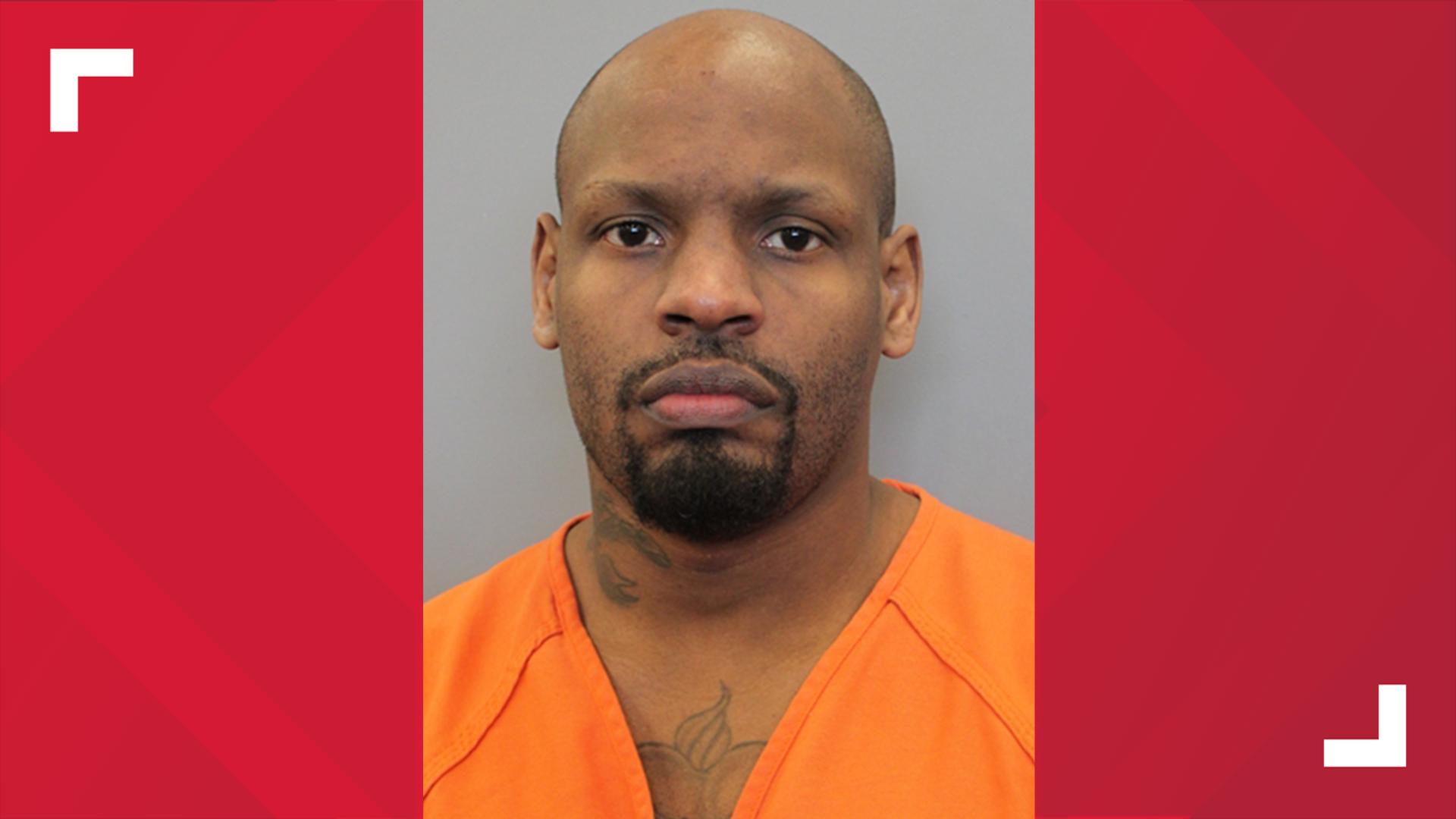
Sheriff mugshots are official booking photographs taken by county law enforcement agencies during the intake process. As of 2026, these records are generally accessible through official county sheriff websites, inmate search portals, o...
Sheriff mugshots are official booking photographs taken by county law enforcement agencies during the intake process. As of 2026, these records are generally accessible through official county sheriff websites, inmate search portals, or formal public records requests, though availability depends on specific state privacy laws and the nature of the alleged offense.
Contents
The Evolution of Public Access to Sheriff Mugshots in 2026
The landscape of accessing sheriff mugshots has undergone significant transformation leading into 2026. While the Freedom of Information Act (FOIA) and various state-level public records acts traditionally classified these images as public domain, a nationwide shift toward privacy advocacy has modified how this data is distributed. In 2026, the primary objective of most sheriff departments is to balance the public's right to know with the "Right to be Forgotten" for individuals who are not convicted.
Most jurisdictions now distinguish between "investigative records" and "administrative booking records." If you are searching for a sheriff mugshot today, you are likely interacting with a sophisticated Digital Evidence Management System (DEMS) that logs every arrest within a specific county. These databases serve several critical functions:
- Public Safety Transparency: Allowing citizens to stay informed about local law enforcement activity and recent arrests in their neighborhoods.
- Identification Verification: Assisting victims and witnesses in identifying suspects during the legal process.
- Institutional Accountability: Providing a verifiable paper trail (and visual record) of individuals who have been taken into government custody.
Primary Methods for Locating Sheriff Mugshots
Navigating the various repositories for arrest records requires an understanding of where the data originates. Since sheriffs operate at the county level, your search must be geographically targeted to the location of the arrest.
Official County Sheriff Department Portals
The most reliable and legally authoritative source for a mugshot is the official website of the Sheriff’s Office in the county where the individual was booked. By 2026, most mid-to-large-sized counties have implemented "Current Inmate" or "Jail Roster" tools. These portals typically allow searches by name, booking date, or inmate ID.
State Department of Corrections (DOC)
If the individual has already been convicted and moved from a county jail to a state prison facility, the sheriff's office may no longer host their photograph. In these instances, the State DOC website becomes the primary resource. These records are often more comprehensive, including sentencing information and projected release dates alongside the original booking photo.
Third-Party Public Record Aggregators
While numerous commercial websites aggregate arrest data, they are subject to strict regulations in 2026. Many states have passed legislation prohibiting these sites from charging fees to remove mugshots. Furthermore, these sites often contain outdated or inaccurate information compared to official government databases.
Step-by-Step Guide to Conducting a Sheriff Mugshot Search
To successfully locate an arrest record in 2026, follow this systematic approach to ensure you are accessing the most current and accurate data.
- Identify the Jurisdiction: Determine the exact county where the arrest occurred. If an arrest happened within city limits, the individual may still be processed at a county jail managed by the Sheriff.
- Locate the Official Inmate Search Tool: Navigate to the official ".gov" website for that county's Sheriff’s Office. Look for tabs labeled "Inmate Information," "Jail Roster," or "Arrest Records."
- Input Search Parameters: Enter the legal first and last name. If the name is common, use filters such as "Date of Birth" or "Booking Date Range" to narrow the results.
- Verify the Records: Once the profile appears, verify the photograph against known physical descriptions. Note the "Booking Number," as this is the unique identifier for that specific arrest event.
- Request Full Records (If Necessary): If the mugshot is not displayed online due to privacy filters, you may need to submit a formal Public Records Request (PRR) or FOIA request to the Sheriff's Records Division.
Legal and Ethical Considerations of Mugshot Access
The availability of sheriff mugshots is not absolute. In 2026, several legal frameworks govern what can be released and to whom. It is essential to understand these boundaries before utilizing arrest data.
Privacy Protections and Non-Disclosure Many states have adopted the "Presumption of Innocence" doctrine regarding digital records. This means that if a case is dismissed, sealed, or the individual is acquitted, the sheriff's office is often required by law to remove the mugshot from their public-facing website. Furthermore, many jurisdictions now withhold mugshots for non-violent misdemeanors to prevent long-term reputational damage before a court appearance.
Commercial Use Prohibitions It is illegal in many jurisdictions to use sheriff mugshots for extortion or unauthorized commercial purposes. Using a mugshot to harass an individual or as a basis for employment discrimination without following Fair Credit Reporting Act (FCRA) guidelines can result in significant legal liabilities for the user.
Comparing Official vs. Unofficial Record Sources
| Feature | Official Sheriff Website | State DOC Portal | Third-Party Aggregator |
|---|---|---|---|
| Data Accuracy | Highest (Real-time updates) | High (Post-conviction) | Variable (Often outdated) |
| Cost | Usually Free | Free | May require a subscription |
| Legal Authority | Primary Source | Primary Source | Secondary/Derivative |
| Removal Rights | Subject to State Law | Subject to State Law | Hard to enforce/Unregulated |
| Detail Depth | Booking info & charges | Sentencing & location | General summary |
Removing or Sealing a Sheriff Mugshot
If your own mugshot is appearing online, 2026 legislation provides several pathways for removal, depending on the status of your legal case.
- Expungement and Sealing: If a court grants an expungement order, the Sheriff’s Office is legally mandated to purge the booking photo from public access. You must provide a certified copy of the court order to the Sheriff’s Records Division.
- Automatic Removal Laws: Several states now have "Clean Slate" laws that automatically redact or remove mugshots for certain offenses after a specific period of time (e.g., 5-7 years) if no further criminal activity occurs.
- Cease and Desist for Private Sites: Under 2026 consumer protection laws, private websites that display sheriff mugshots must remove them within a set timeframe (usually 30 days) if provided with proof that the case was dismissed or sealed, often without any charge to the individual.
Common Challenges in Finding Arrest Records
Even with digital portals, finding a specific sheriff mugshot can be difficult. Common obstacles include:
- Name Variations: Arrests are often logged under a person's legal name on their government ID. If they used an alias or a maiden name, the record might not appear.
- Inter-Agency Transfers: If a suspect is arrested by the Highway Patrol or a City Police Department but housed in a County Jail, the record might be indexed differently across various agency databases.
- Redaction for Sensitive Cases: Mugshots involving undercover officers, certain protected witnesses, or sensitive high-profile investigations may be withheld from public view for safety reasons.
Frequently Asked Questions
Are all sheriff mugshots public record in 2026?
Most are considered public records, but access has become more restricted. Many states now limit the public release of mugshots to cases involving violent crimes, felonies, or instances where the individual poses an immediate threat to public safety. Minor offenses are increasingly shielded from automated public search tools to protect the privacy of the accused.
How much does it cost to get a copy of a sheriff mugshot?
Viewing a mugshot on an official sheriff’s website is typically free. However, if you require a certified physical copy or a high-resolution digital file through a formal public records request, the department may charge a nominal administrative fee. These fees usually range from $5.00 to $25.00, depending on the county’s fee schedule.
Can a sheriff mugshot be used for a background check?
Yes, but with strict limitations. Professional background check companies must comply with the Fair Credit Reporting Act (FCRA). An arrest record (and its accompanying mugshot) does not prove guilt. Employers and landlords are generally encouraged or legally required to look for "dispositions" (the final outcome of the case) rather than just the initial arrest record.
Why is my mugshot still online if my charges were dropped?
Official government sites are usually quick to update, but third-party "scraper" sites may take much longer. In 2026, you have the right to request removal from these private sites by providing documentation of the dropped charges. If they refuse, they may be in violation of state consumer protection statutes.
Can I find a sheriff mugshot from 20 years ago?
It depends on the county's retention policy. While digital records from the early 2000s onwards are often archived, very old records may only exist in physical form or on microfilm. Accessing these older sheriff mugshots usually requires a manual search by the records clerk and a formal request process.
Expert Recommendations for Accessing Records
When searching for sheriff mugshots in 2026, always prioritize official government channels to ensure you are viewing the most accurate and legally compliant information. If you are a legal professional or a researcher, maintaining a log of "Booking Numbers" and "Case Identifiers" is crucial for tracking the progression of a record from the initial sheriff's intake to the final court disposition. For individuals seeking to manage their own digital footprint, staying informed about your state's specific "Right to be Forgotten" and expungement statutes is the most effective way to address the presence of a booking photo in the public domain.
Image Gallery