Comprehensive Guide to Web Rims: Selection, Maintenance, and Performance in 2026
Web rims represent a distinct category of automotive wheels designed with intricate, web-like spoke patterns that blend aesthetic elegance with structural rigidity. In the context of modern vehicle customization and performance enhance...
Web rims represent a distinct category of automotive wheels designed with intricate, web-like spoke patterns that blend aesthetic elegance with structural rigidity. In the context of modern vehicle customization and performance enhancement, understanding how these intricate wheel designs affect vehicle dynamics, unsprung weight, and brake cooling is essential for enthusiasts and everyday drivers alike.
Contents
Anatomy and Engineering Principles of Web Rims
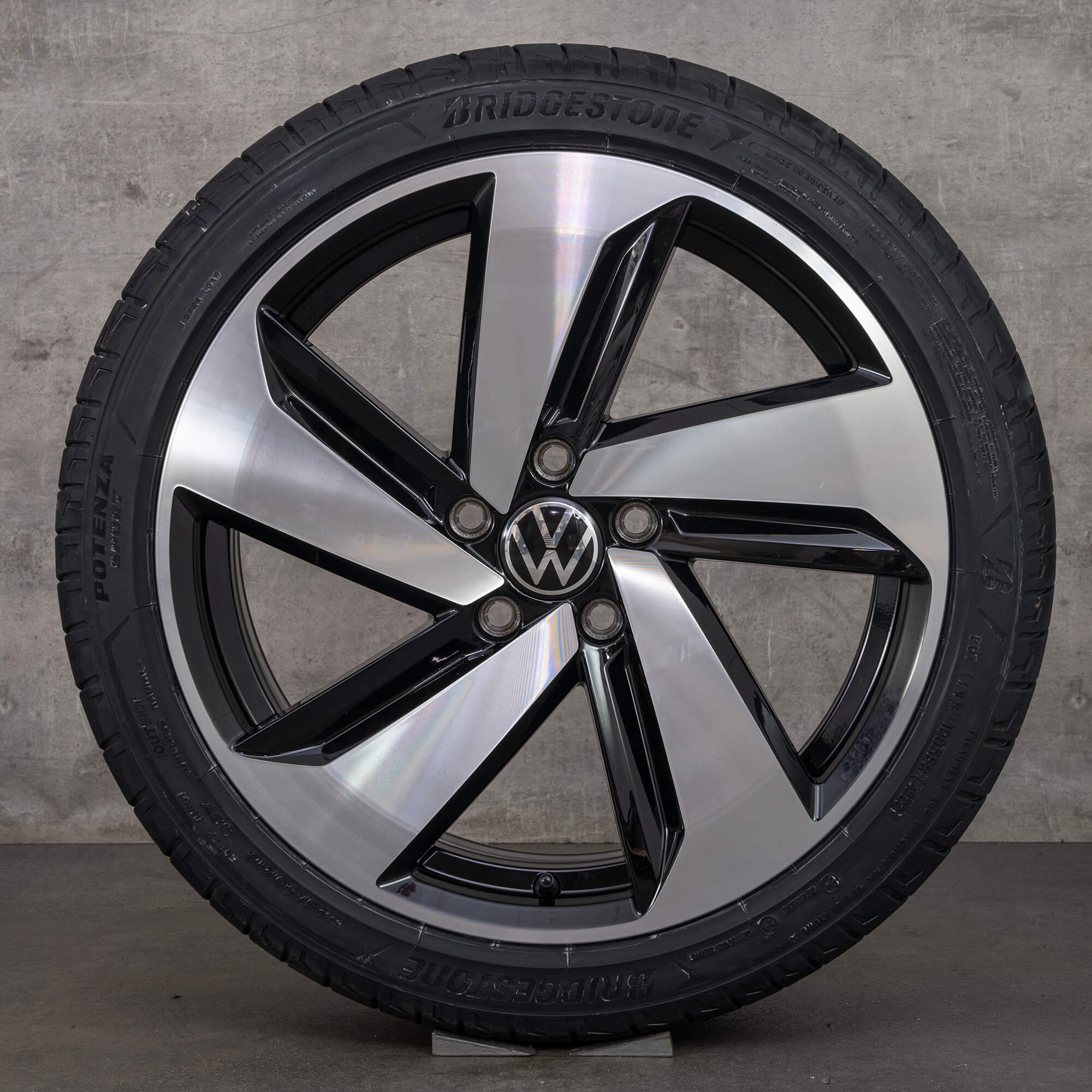
Web rims are characterized by a dense matrix of interconnected spokes that fan out from the central hub to the outer barrel. This structural configuration is not merely chosen for its visual appeal; it serves specific engineering functions in load distribution and stress management.
When a vehicle navigates a corner or encounters a road hazard, the forces exerted on the wheel are immense. Traditional five-spoke or multi-spoke wheels concentrate stress points at specific intervals along the rim flange. In contrast, the geometric lattice of web rims disperses kinetic load across a greater number of connection points.
- Load Distribution: The interconnected web design reduces localized bending moments by sharing structural loads evenly across the entire circumference of the wheel face.
- Material Composition: Most high-end web rims utilize low-pressure cast aluminum or forged aerospace-grade 6061-T6 aluminum to maintain high tensile strength without excessive weight penalties.
- Spoke Density: The spacing between individual webbing elements is carefully calculated to balance structural integrity with optimal airflow paths for brake component ventilation.
Structural Comparison: Web Rims Versus Traditional Multi-Spoke Wheels
Selecting the right wheel configuration requires an objective evaluation of how structural design influences daily driving conditions, track performance, and maintenance routines. The table below outlines the primary technical differences between web rims and conventional multi-spoke alternatives.
| Feature / Metric | Web Rims | Traditional Multi-Spoke Wheels |
|---|---|---|
| Load Distribution | High dispersion across a dense interconnected lattice | Concentrated along individual, separated spoke paths |
| Cleaning Complexity | High; requires specialized brushes due to tight apertures | Low to Moderate; wider gaps allow easy access for washing |
| Weight Profile | Typically heavier in cast variants; comparable in forged formats | Varies widely; generally lighter in baseline multi-spoke setups |
| Brake Cooling Efficiency | Moderate to High (optimized via channel design) | High (open design allows maximum ambient air circulation) |
| Aesthetic Impact | Complex, vintage-inspired or aggressive motorsport look | Clean, minimalist, or classic sporty appearance |
Performance Impacts: Unsprung Weight and Brake Thermal Management
Vehicle dynamics are heavily influenced by unsprung weight—the mass of suspension, wheel assemblies, and components directly connected to the road, rather than supported by the springs. Because web rims feature a high density of material across the wheel face, forged manufacturing processes are frequently recommended over standard casting methods to keep rotational inertia manageable.
Rotational mass affects acceleration, braking efficiency, and fuel economy. A heavier wheel requires more torque to accelerate and more braking force to halt. Forged web rims mitigate this drawback by removing surplus internal material through CNC machining while retaining structural strength at critical stress nodes.
Furthermore, brake thermal management is a critical consideration. High-performance braking systems generate significant heat that must be dissipated to prevent brake fade. The complex geometry of web rims must incorporate engineered ventilation channels that direct ambient air across the brake rotors and calipers, ensuring consistent stopping power during aggressive driving conditions.
Maintenance Strategies for Complex Wheel Geometries
The intricate design of web rims introduces unique upkeep challenges. Brake dust, road grime, and iron fallout tend to accumulate rapidly within the narrow crevices of the webbing matrix, making routine cleaning a meticulous process.
- Pre-Rinse Phase: Use a pressure washer from a safe distance to loosen loose debris, mud, and surface contaminants trapped within the web pockets.
- pH-Neutral Chemical Application: Spray a dedicated, pH-neutral wheel cleaner or iron remover across the entire wheel surface. Allow the chemical to dwell for three to five minutes without letting it dry on the clear coat.
- Targeted Agitation: Utilize specialized soft-bristled wheel brushes, micro-fiber wash mitts, and barrel brushes designed specifically to reach behind the spoke matrix.
- Comprehensive Flushing: Rinse thoroughly with clean water to flush away loosened particles and chemical residue from every recess.
- Protective Coating Application: Apply a high-temperature wheel sealant or ceramic coating to create a hydrophobic barrier that repels brake dust and simplifies future maintenance cycles.
Frequently Asked Questions About Web Rims
Do web rims negatively impact fuel economy?
Web rims can slightly impact fuel economy if they add significant unsprung weight compared to factory wheels. However, choosing forged aluminum variants minimizes weight penalties, resulting in a negligible difference in real-world fuel efficiency.
Are web rims harder to clean than standard wheels?
Yes, the dense lattice of interconnected spokes features numerous tight angles and crevices where brake dust accumulates. Utilizing specialized detailing brushes and applying a ceramic protective coating significantly eases the cleaning process.
Can web rims be installed on any vehicle?
Web rims can be installed on most vehicles provided the bolt pattern (PCD), offset, width, and center bore match the manufacturer specifications. Proper clearance for upgraded brake calipers must also be verified prior to purchase.
Do forged web rims offer better durability than cast options?
Forged web rims provide superior structural integrity, impact resistance, and tensile strength compared to cast wheels. The forging process aligns the grain structure of the aluminum under extreme pressure, eliminating internal voids and weaknesses.
How do I determine the correct offset for web rims?
The correct offset depends on your vehicle suspension geometry, fender clearance, and desired stance. Consult professional fitment guides or measure the distance from the wheel mounting surface to the centerline of the rim to ensure proper alignment.
Professional Procurement and Installation Recommendations
When sourcing web rims for your vehicle, prioritize certified manufacturers that adhere to recognized international quality standards such as JWL, VIA, or TÜV. Avoid unverified replica wheels that may compromise structural safety under high-load cornering or impact scenarios. Always pair new wheels with high-quality mounting hardware, hub-centric rings if necessary, and dynamic wheel balancing to protect your suspension geometry and ensure a vibration-free driving experience.
Image Gallery