Donald E. Wahlberg Sr. and the Teamster Legacy
Donald E. Wahlberg Sr. is historically recognized as the patriarch of the well-known Wahlberg family of Dorchester, Massachusetts, and as a hardworking teamster who spent his life navigating the demanding blue-collar landscape of Bosto...
Donald E. Wahlberg Sr. is historically recognized as the patriarch of the well-known Wahlberg family of Dorchester, Massachusetts, and as a hardworking teamster who spent his life navigating the demanding blue-collar landscape of Boston. While his children—including prominent actors and musicians Mark, Donnie, and Robert Wahlberg—later achieved widespread international fame in the entertainment industry, Donald Sr.’s daily life was defined by the rigorous labor, union participation, and community resilience characteristic of Boston’s working-class neighborhoods during the mid-to-late 20th century.
Contents
To understand Donald E. Wahlberg Sr. requires looking closely at the socio-economic environment of Boston, the historical role of teamsters in local labor movements, and the dynamics of raising a large family in a dense urban setting. This examination explores his background, his career as a teamster, the realities of union labor in Boston during his era, and the foundational influence he exerted on his family long before their rise to public prominence.
Early Life and Background in Dorchester, Boston
Donald E. Wahlberg Sr. was born and raised in the Greater Boston area, spending the majority of his life rooted in Dorchester, a diverse and historically working-class neighborhood. Growing up in the mid-20th century shaped his outlook on labor, community responsibility, and family survival. Dorchester provided a tightly knit yet economically challenging environment where residents frequently relied on steady trade employment, civil service jobs, or union-backed labor to maintain financial stability.
Life in Boston during this period was marked by industrial shifts, neighborhood transitions, and the ongoing struggle for fair wages and working conditions. For individuals like Donald Sr., formal higher education was often secondary to immediate employment and vocational endurance. Entering the workforce meant taking on physically demanding roles that required long hours, early mornings, and resilience against economic downturns. His integration into the local labor force laid the groundwork for a career characterized by blue-collar dedication.
The Role of a Teamster in Mid-20th Century Boston
To appreciate Donald E. Wahlberg Sr.’s professional life, it is essential to understand what it meant to be a teamster in Boston during the decades following World War II. Originally referring to drivers of animal-drawn teams, the term "teamster" evolved in the 20th century to encompass truck drivers, warehouse workers, delivery personnel, and freight handlers represented by the International Brotherhood of Teamsters (IBT).
During this era, Boston was a major shipping, manufacturing, and distribution hub in New England. Teamsters were the literal backbone of the city's commerce, ensuring that goods, construction materials, food supplies, and fuel moved reliably across the region. However, the profession was intensely demanding:
- Physical Rigor: Loading and unloading heavy freight, operating large commercial vehicles in congested city streets, and working through harsh New England winters required exceptional physical stamina.
- Long and Irregular Hours: Delivery schedules frequently required pre-dawn starts, late-night returns, and extensive time away from home.
- Safety and Occupational Hazards: Before modern occupational safety regulations and ergonomic standards, teamsters faced high risks of workplace injuries, vehicle accidents, and chronic health issues from heavy lifting.
Within Boston, union membership through local chapters of the Teamsters provided crucial structural support, including collective bargaining for wages, health benefits, and grievance procedures. For working fathers like Donald Sr., a union card was not merely an employment credential; it was a vital mechanism for securing family healthcare and financial predictability in an unpredictable economy.
Family Life and the Dorchester Household
Donald E. Wahlberg Sr. married Alma Elaine Donnelly, and together they raised a large family of nine children in Dorchester: Arthur, Jim, Paul, Robert, Tracey, Michelle, Debbie, Donnie, and Mark. Managing a household of nine children in a modest urban home required immense logistical skill, financial discipline, and shared responsibility between parents.
The family dynamic was shaped by the dual pressures of economic scarcity and urban neighborhood life. While Alma managed the household and later took on various jobs to help make ends meet, Donald Sr.’s labor as a teamster provided the primary, albeit often strained, financial engine for the family.
Despite the financial pressures, the Wahlberg household emphasized resilience, resourcefulness, and mutual support among siblings. The shared experiences of growing up in Dorchester—balancing school, part-time jobs, and community interactions—forged close bonds that the Wahlberg children maintained into their adult lives and careers.
Professional Challenges and Union Dynamics
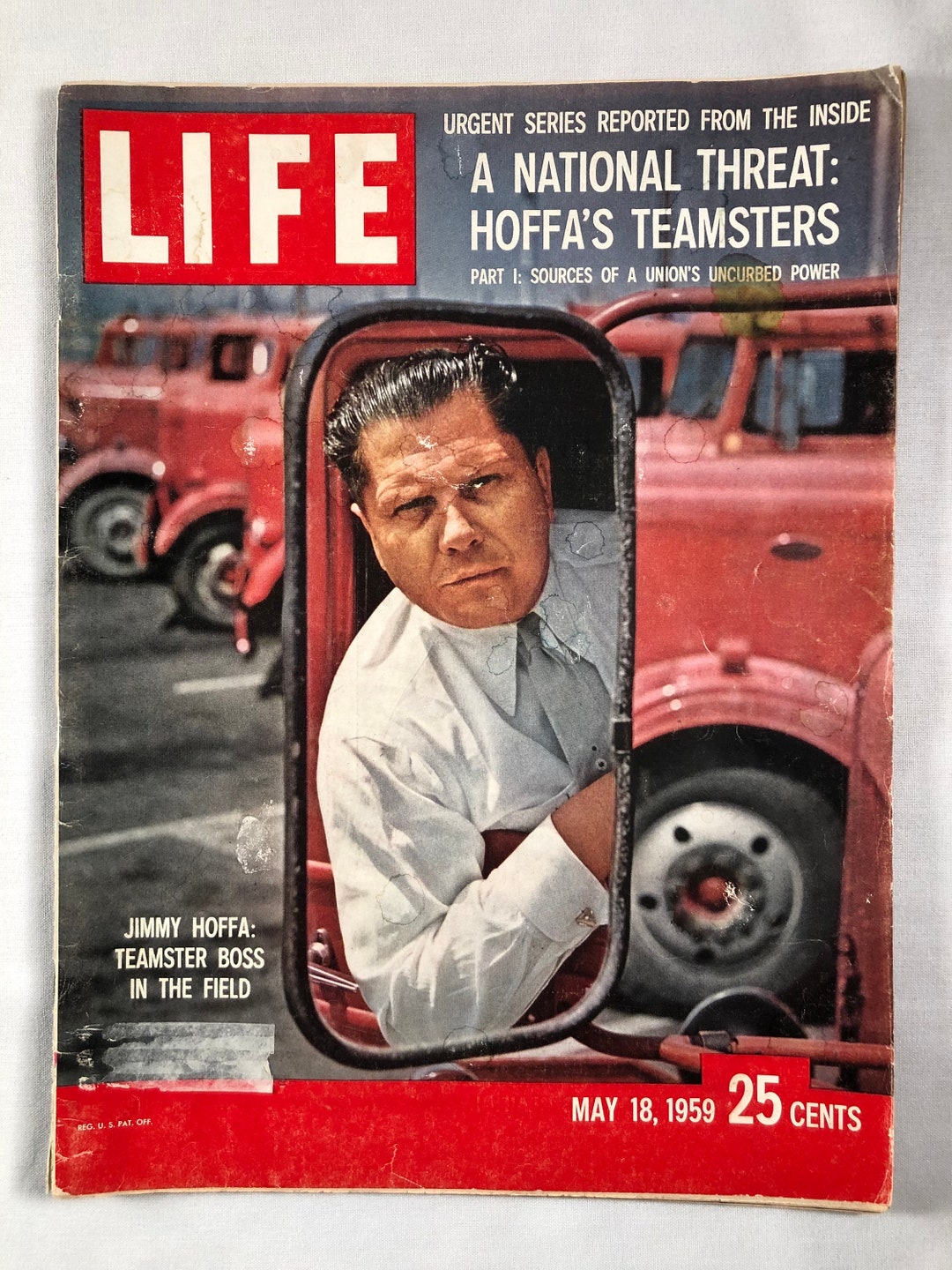
Working as a teamster in Boston during the second half of the 20th century placed Donald Sr. at the intersection of powerful labor movements and shifting economic conditions. The Teamsters union was one of the most influential and politically active labor organizations in the United States, particularly under leadership figures such as Jimmy Hoffa, whose national and regional reach deeply affected local union halls.
In Boston, local teamster chapters engaged in frequent contract negotiations, strikes, and jurisdictional disputes aimed at securing better pensions, medical coverage, and job security for members. While these union structures successfully elevated the standard of living for many blue-collar families, they also operated within high-stress environments characterized by intense internal politics and rigorous labor management confrontations.
For an individual worker like Donald Sr., participation in the union meant adhering to collective standards, paying dues faithfully, and relying on union representation during disputes with employers. The stability provided by union contracts was essential for blue-collar workers managing large families, helping cushion the blows of inflation and seasonal slowdowns in freight and construction industries.
| Aspect of Labor | Mid-20th Century Teamster Realities | Modern Equivalent / Comparison |
|---|---|---|
| Primary Transport | Manual-shift heavy trucks, basic diesel fleets | Automated commercial vehicles, GPS logistics, electronic logs |
| Bargaining Power | High reliance on local union strikes and direct negotiation | Complex federal labor laws, structured arbitration, mediated agreements |
| Health and Safety | Limited ergonomic support, high physical wear | OSHA regulations, mandatory safety gear, worker's compensation |
| Communication | Landline dispatch, in-person check-ins, paper manifests | Mobile data terminals, digital tracking, instant fleet messaging |
Transition of the Next Generation and Legacy
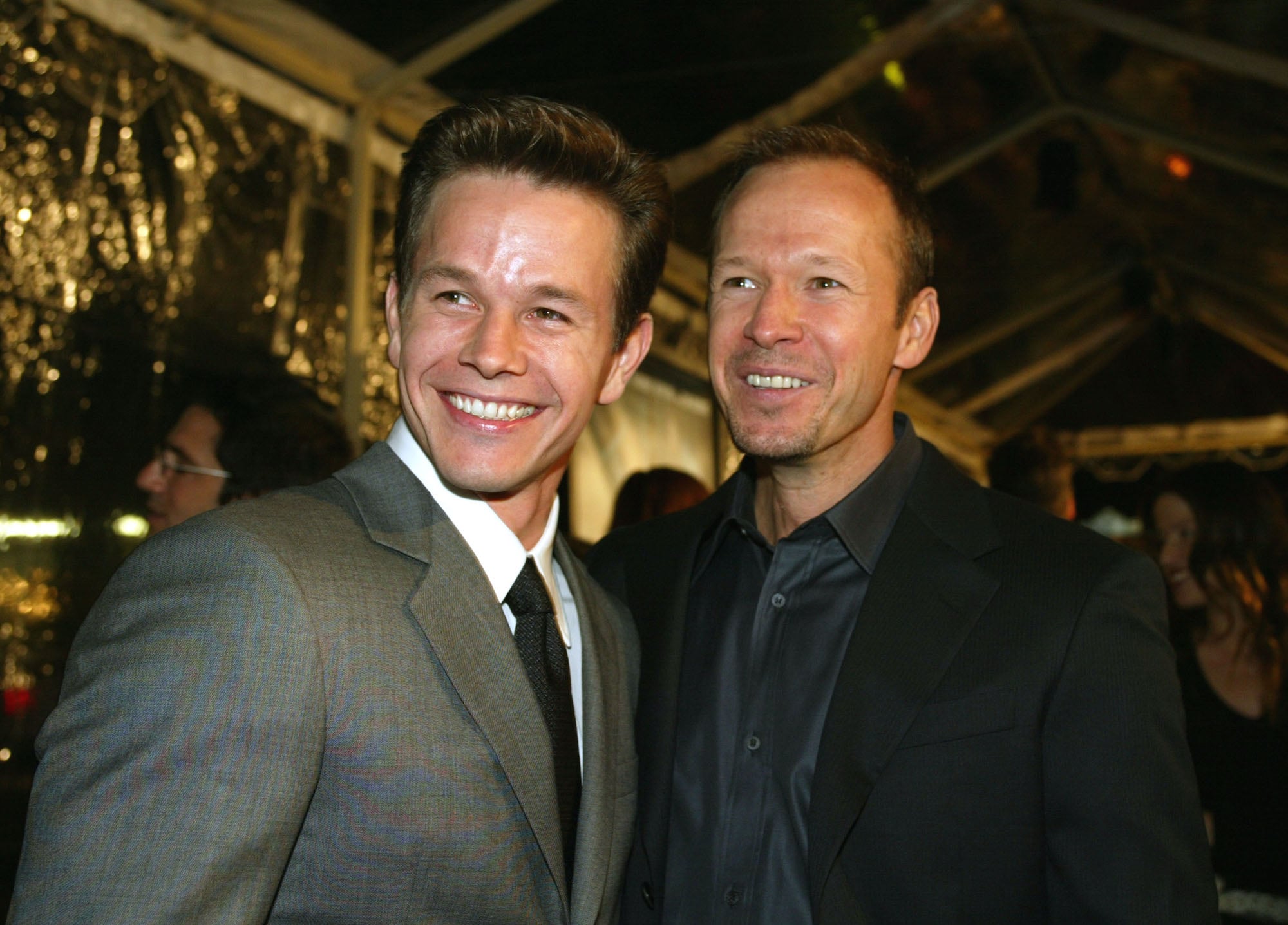
As Donald E. Wahlberg Sr.’s children grew into adulthood, the family experienced a dramatic shift in economic and social standing. Donnie Wahlberg rose to fame in the late 1980s as a founding member of the pop sensation New Kids on the Block, while younger brother Mark Wahlberg transitioned from music to a successful career as a Hollywood actor and film producer. Other siblings, such as Paul Wahlberg, established successful ventures in the culinary industry, founding the Wahlburgers restaurant chain alongside his brothers.
This divergence from blue-collar trade labor to entertainment and entrepreneurship marked a generational leap for the Wahlberg family. However, both Donnie and Mark have frequently emphasized in interviews and public appearances that their work ethic, discipline, and resilience were directly inherited from their parents. The foundational expectations of punctuality, accountability, and physical hard work instilled by Donald Sr. and Alma remained central to the siblings' professional trajectories.
Donald E. Wahlberg Sr. passed away in 2008, leaving behind a sprawling family tree and a distinct legacy tied to the working-class history of Boston. While public memory often focuses on the entertainment achievements of his famous sons, his life remains representative of the millions of ordinary union workers who sustained America's infrastructure and urban economies throughout the 20th century.
Frequently Asked Questions
What was Donald E. Wahlberg Sr.’s profession?
Donald E. Wahlberg Sr. worked primarily as a teamster, engaging in heavy driving and freight handling within the Boston area. His profession required long hours, physical labor, and active participation in local labor union structures to support his large family.
How many children did Donald E. Wahlberg Sr. have?
He had nine children with his former wife, Alma Elaine Donnelly: Arthur, Jim, Paul, Robert, Tracey, Michelle, Debbie, Donnie, and Mark. Several of his children achieved significant public prominence in the entertainment and culinary industries.
What is the historical context of a Boston teamster during his working years?
During the mid-to-late 20th century, Boston teamsters were responsible for moving freight, construction materials, and commercial goods across New England. Represented by powerful labor unions, these workers fought for collective bargaining rights, health insurance, and pension security amid demanding physical conditions and shifting urban economies.
How did Donald E. Wahlberg Sr. influence his famous sons?
While his sons achieved international fame in music, acting, and business, they have frequently credited their father's blue-collar work ethic, discipline, and daily commitment to providing for the family as the foundational template for their own professional success and work habits.
Where did Donald E. Wahlberg Sr. live and raise his family?
He lived and raised his family primarily in Dorchester, a historic, densely populated working-class neighborhood in Boston, Massachusetts, which profoundly shaped the family's upbringing and community ties.
Conclusion and Final Perspective
Examining the life of Donald E. Wahlberg Sr. provides valuable insight into the realities of mid-century urban labor and the foundational roots of a well-known American family. Far removed from the glamour of Hollywood and international pop charts, his daily reality was forged in the cab of a commercial truck, the union hall, and the demanding environment of a large Dorchester household. By maintaining steady employment within the teamster ranks, he navigated the economic pressures of his era and established a durable framework of discipline that his children carried forward into their respective careers.
Image Gallery