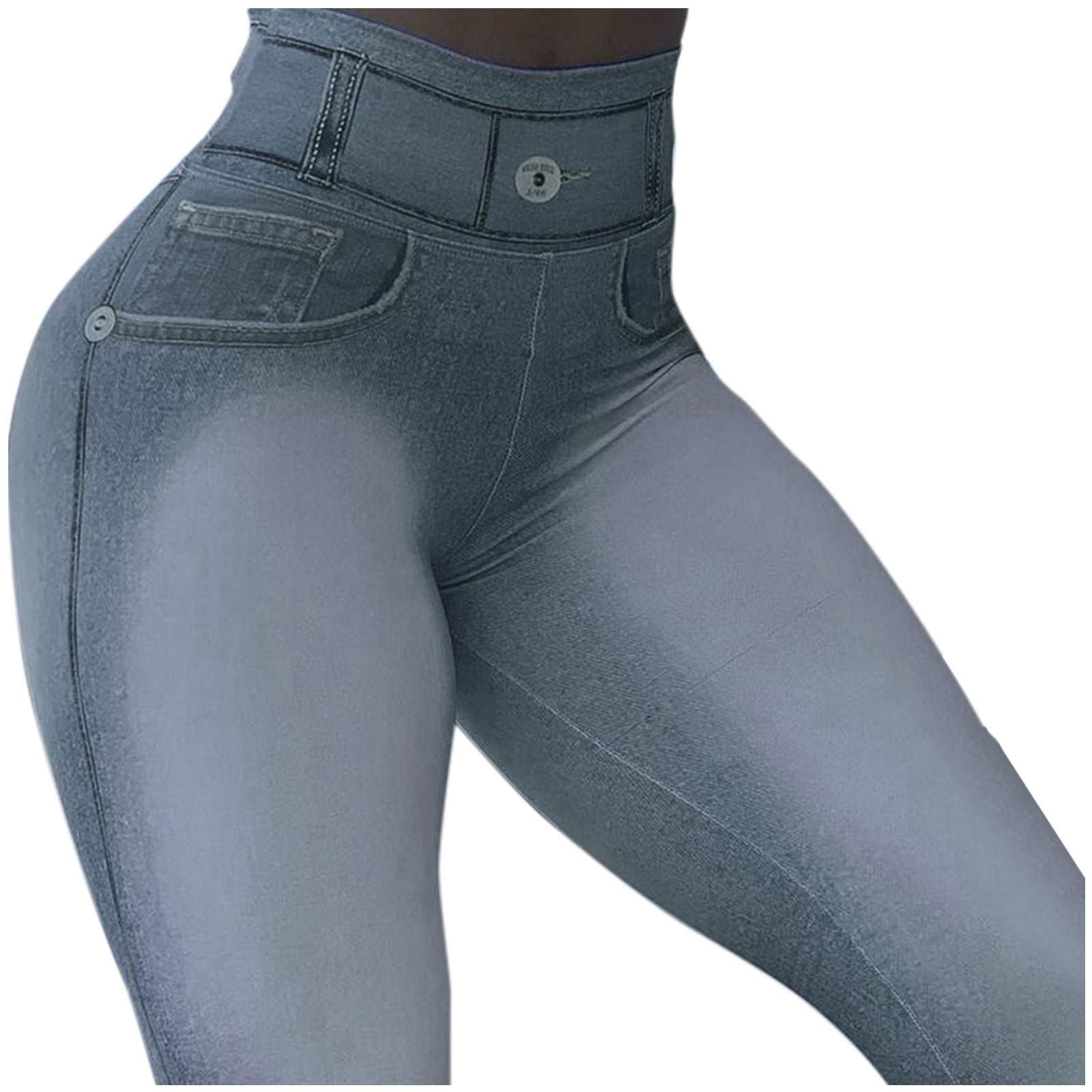
Workout Jeans Leggings: The Ultimate Guide to Performance Denim Activewear
Workout jeans leggings—often called denim activewear leggings—are hybrid athletic tights that combine the aesthetic look of classic indigo denim with the stretch, breathability, and moisture management of technical gym wear. Unlike sta...
Workout jeans leggings—often called denim activewear leggings—are hybrid athletic tights that combine the aesthetic look of classic indigo denim with the stretch, breathability, and moisture management of technical gym wear. Unlike standard fashion jeggings, true workout denim tights utilize high-elastane synthetic blends, squat-proof density, and flatlock seams designed specifically for physical exercise.
Contents
Anatomy of Performance Denim: Materials and Fabric Construction
Understanding the difference between everyday fashion apparel and high-performance activewear begins with textile composition. Standard street-style jeggings rely heavily on cotton blended with low percentages of spandex (typically 2% to 5%). While cotton feels soft against the skin for low-activity wear, it is inherently hydrophilic—meaning it absorbs and holds moisture. During physical exertion, cotton jeggings retain sweat, become heavy, lose structural tension, and create friction that leads to skin chafing.
In contrast, true workout jeans leggings are engineered from technical synthetic fibers. The structural backbone of exercise-grade denim tights usually consists of a high-density blend of polyester or nylon paired with high-performance elastane (Spandex or Lycra) at ratios ranging from 15% to 25%.
- Standard Jeggings: Cotton (75-85%) + Polyester (10-20%) + Spandex (2-5%): High retention, low recovery
- Workout Jean Tights: Nylon/Polyester (75-85%) + Elastane/Lycra (15-25%): Wicking, 4-way stretch, compressive
Synthetic Fiber Selection: Nylon vs. Polyester
- Nylon 6,6 Blends: Premium workout denim leggings frequently utilize Nylon 6,6. Nylon offers superior tensile strength, exceptional abrasion resistance, and a soft hand-feel. It maintains structural integrity under intense stretch and resists pilling against gym equipment or velcro.
- Polyester Blends: High-grade polyester is hydrophobic, retaining less than 1% of its weight in water. Polyester-based denim activewear excels at rapid moisture evacuation and accepts sublimation dyes exceptionally well, allowing manufacturers to print ultra-realistic denim textures without compromising breathability.
Sublimation Printing vs. Jacquard Denim Knits
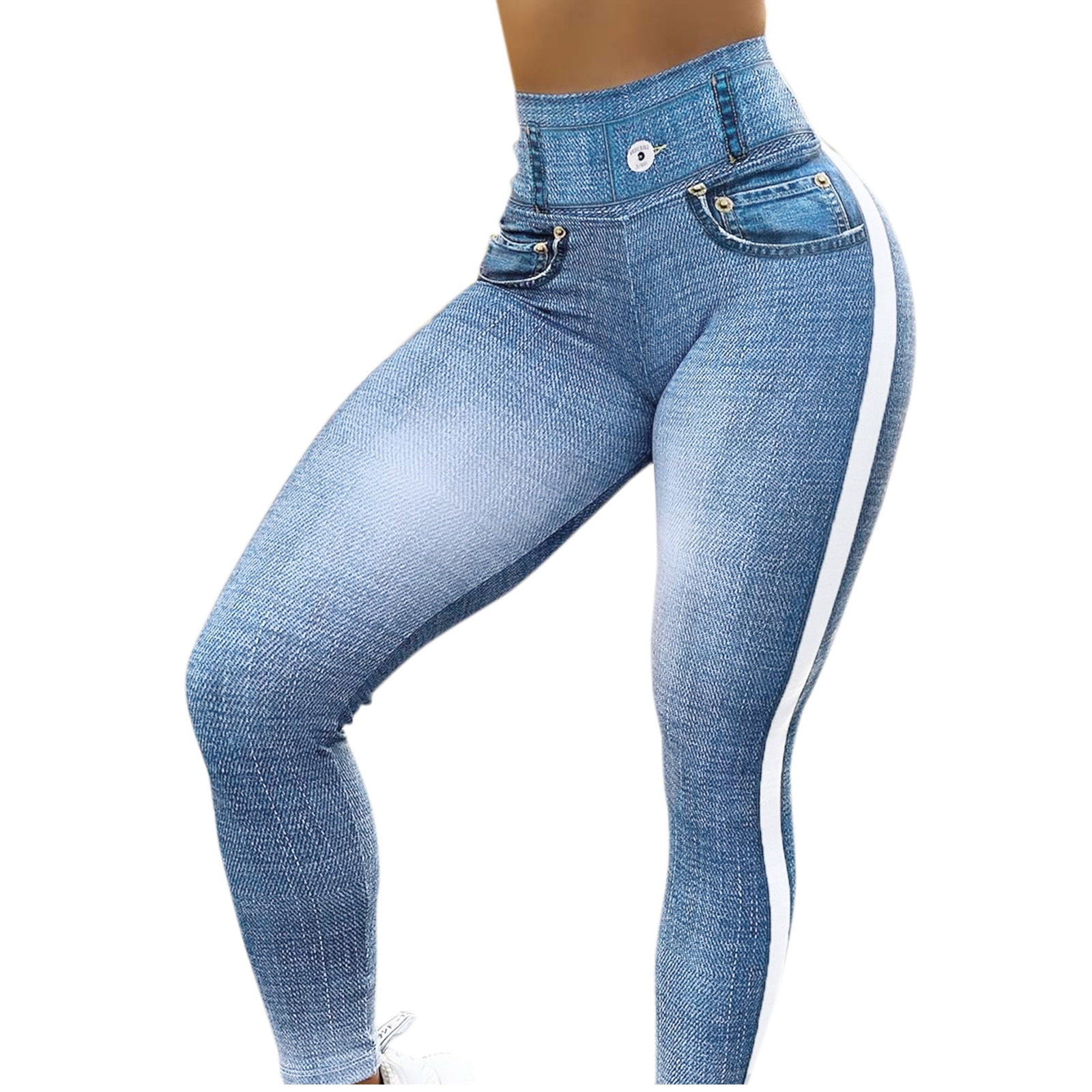
To achieve the visual depth of genuine denim—complete with whiskering, fade patterns, contrast orange stitching, and faux copper rivets—performance brands utilize advanced digital dye sublimation. Sublimation fuses non-toxic inks directly into the synthetic yarns under extreme heat and pressure. This ensures that the denim visual effect will not crack, peel, or stiffen the fabric.
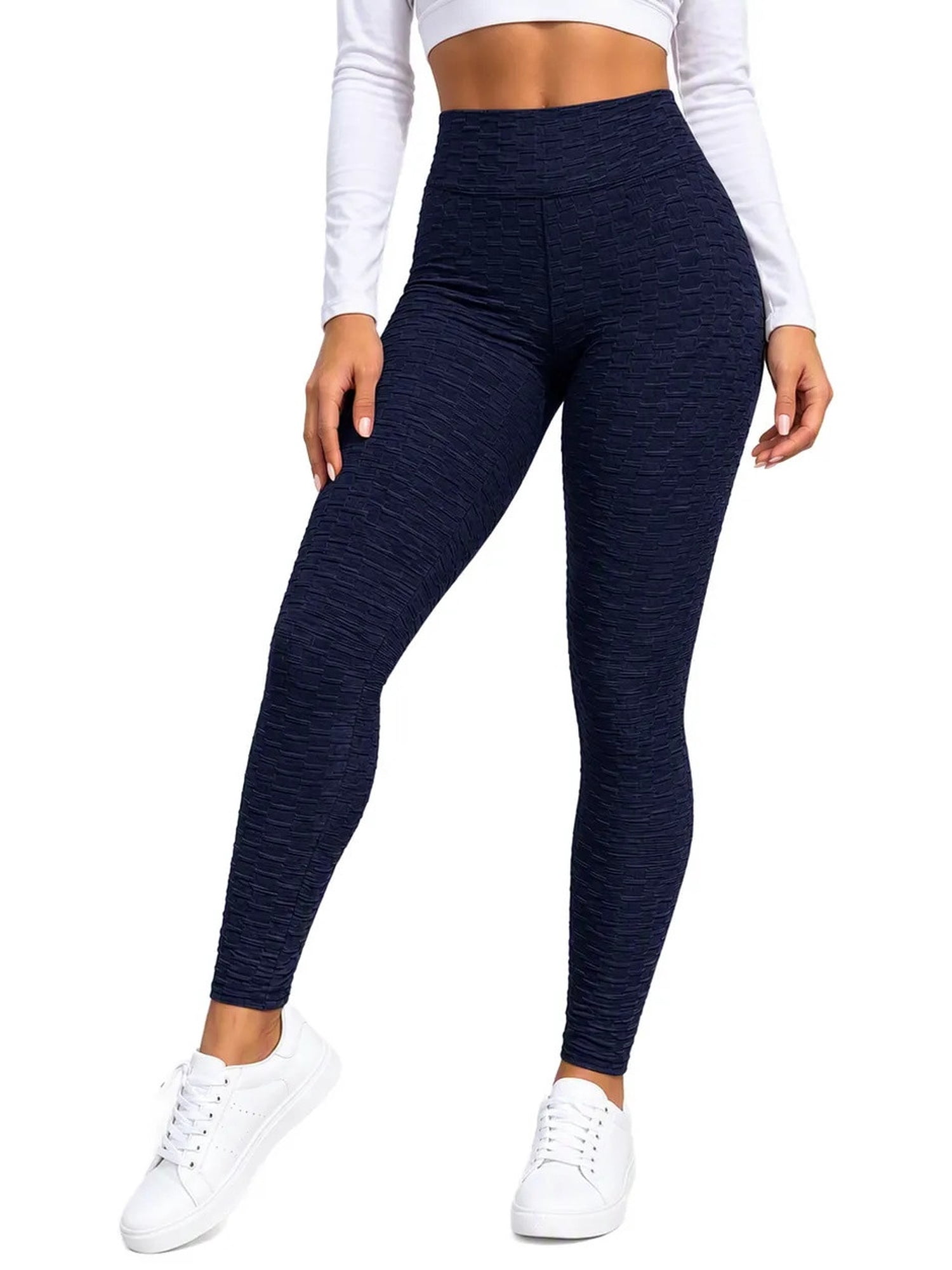
Alternatively, specialized jacquard knitting techniques interweave light and dark blue yarns into structural pattern matrices. This creates a tactile denim-like texture while maintaining the lightweight flexibility required for intensive training.
Key Structural Features for Exercise-Ready Jean Leggings
Not all apparel labeled as "denim leggings" can withstand physical training. To ensure a garment performs well in the gym, several key structural design elements must be verified before purchase.
| High-Performance Design Elements | Description |
|---|---|
| 1. High-Rise Waistband | Dual-layer compression band prevents slip |
| 2. Diamond Crotch Gusset | Re-routes seam stress to prevent tearing |
| 3. Flatlock Seamwork | Flush stitching eliminates skin chafing |
| 4. Heavyweight GSM Fabric | 250-320 GSM prevents sheer transparency |
1. Fabric Density and GSM Rating
Fabric weight is measured in grams per square meter (GSM). Low-quality fashion leggings often fall between 150 and 200 GSM, rendering them transparent when stretched across the hips during a deep squat or bend. High-performance workout denim leggings feature a density between 250 GSM and 320 GSM. This structural weight provides total squat-proof opacity, subtle muscular compression, and enhanced durability against equipment abrasion.
2. Four-Way Stretch and Elastic Recovery
Two-way stretch fabrics only expand horizontally, restricting movement during lunges, deep squats, or mobility exercises. Workout-grade denim leggings feature true 4-way stretch, extending horizontally and vertically. Equally important is elastane recovery—the fabric's ability to snap back immediately to its original shape without sagging at the knees or drooping at the waist.
3. Diamond or Triangle Crotch Gusseting
Conventional jeans feature a center cross-seam where four fabric panels meet. In activewear, this four-way intersection creates a high-friction point prone to tearing and severe chafing. Performance denim tights replace this junction with an ergonomic diamond or triangle gusset—an extra panel of fabric inserted along the inner seam that redistributes mechanical strain across multiple axis points during leg abduction.
4. Flatlock Seamwork
Traditional denim employs thick, raised flat-fell seams that rub against the skin during movement. Exercise denim tights use flatlock stitching, where the fabric edges are abutted directly together and stitched flush. This creates a completely flat interior and exterior seam profile, eliminating seam imprints and preventing runner's chafing.
Performance Comparison Matrix
The table below breaks down the technical and functional differences between standard fashion jeggings, workout jeans leggings, and traditional black activewear tights.
| Performance Attribute | Standard Fashion Jeggings | Workout Jeans Leggings | Traditional Gym Tights |
|---|---|---|---|
| Primary Material | Cotton / Rayon / Low Spandex | Nylon or Polyester / High Elastane | Nylon or Polyester / Elastane |
| Moisture Management | Poor (Absorbs & holds sweat) | High (Wicks & evaporates rapid) | High (Wicks & evaporates rapid) |
| Elasticity Type | 2-Way Stretch | 4-Way Stretch | 4-Way Stretch |
| Crotch Construction | Standard 4-Way Center Seam | Ergonomic Gusset Panel | Ergonomic Gusset Panel |
| Seam Profile | Raised Lap / Flat-Fell Seams | Flush Flatlock Stitching | Flush Flatlock Stitching |
| Squat-Proof Opacity | Unreliable (Stretches sheer) | Certified (250–320 GSM) | Certified (220–300 GSM) |
| Aesthetic Versatility | High (Casual street look) | High (Gym to street seamless) | Moderate (Purely athletic look) |
| Compression Level | Minimal / Purely aesthetic | Medium to High (Muscular support) | Light to High (Varies by style) |
Activity Mapping: Matching Denim Leggings to Your Training Routine
Selecting the right workout denim leggings depends on the physical demands of your exercise regimen. The structural demands of low-impact studio work differ significantly from high-intensity training.
- Low Impact (Yoga, Pilates, Walking)
- Focus: Ultra-soft touch
- High waist flexibility
- Seamless waistband
- Moderate Impact (Weightlifting, Erg Rowing)
- Focus: Squat-proof opacity
- Moderate compression
- Gusset seam integrity
- High Impact (HIIT, Distance Running)
- Focus: High compression
- Maximum sweat evaporation
- Secure drawstring/fit
Studio Work, Yoga, and Pilates
For low-impact disciplines emphasizing range of motion, prioritize leggings with high elastane content (20% or higher) and a seam-free, high-rise waistband. The absence of top elastic bands prevents waist pinching during forward folds, while the 4-way stretch allows unhindered joint articulation.
Weightlifting and Strength Training
Squat opacity and fabric durability are non-negotiable for barbell training and kettlebell workouts. Choose workout denim leggings rated at 280 GSM or higher. Look for flatlock stitching around the gluteal seams to withstand high tensile loads during deep hip flexion.
High-Intensity Interval Training (HIIT) and Cardio
Cardio routines generate maximum body heat and perspiration. For these workouts, prioritize polyester-based denim prints over heavy jacquards. Synthetic polyester blends excel at moisture transportation, pulling sweat away from the epidermis to the outer layer of the fabric where ambient air currents accelerate drying.
How to Care for and Preserve Performance Denim Activewear
Synthetic technical textiles require specific maintenance routines to preserve their moisture-wicking capabilities, elastane tension, and photographic denim prints over time.
- Wash Cold and Inside-Out: Always turn denim leggings inside-out prior to laundering. This protects the printed indigo pattern from surface abrasion against machine drums and preserves color saturation. Wash using cold water (at or below 30°C / 86°F) to prevent elastane breakdown.
- Eliminate Fabric Softeners: Liquid fabric softeners and dryer sheets utilize cationic surfactants that deposit a thin silicone film over textile fibers. This coating clogs the microscopic channels engineered into technical synthetics, permanently destroying their moisture-wicking and breathability properties.
- Avoid High Heat Drying: High temperatures in tumble dryers cause thermal degradation of elastane fibers, leading to fabric sagging, loss of compression, and micro-tears. Line dry your workout tights in the shade, or tumble dry on an unheated air cycle.
- Use Mild, Neutral Detergents: Strong bleaching agents, optical brighteners, and heavy enzymatic detergents degrade elastane polymers and dull sublimation print details. Use a sport-specific liquid detergent formulated to remove lipid buildup without damaging synthetic fibers.
Buyer’s Guide: Common Mistakes to Avoid
Buying workout jeans leggings requires evaluating technical specs rather than relying solely on visual appearance. Avoid these common purchasing pitfalls:
- Buying Cotton-Heavy "Jeggings" for Fitness: Do not rely on fast-fashion jeggings for workouts. Always inspect the inner garment tag or product specification sheet for fabric composition. If cotton accounts for more than 20% of the material, reserve the garment strictly for casual streetwear.
- Ignoring Waistband Construction: Cheap denim tights use a thin, single piece of elastic enclosed inside a folded waistband seam. This narrow strip cuts into the torso and rolls down during squats or runs. Look for a wide, dual-layer compression waistband that measures at least 3 to 4 inches in height.
- Assuming Dark Colors Are Squat-Proof: A dark indigo print does not automatically guarantee privacy. If the underlying synthetic knit density is thin (below 200 GSM), the white base yarns will stretch open across the buttocks, exposing underlying undergarments under light. Always perform a bend-and-stretch test in bright lighting before keeping new activewear.
Frequently Asked Questions
Are workout jean leggings actually functional for high-intensity training?
Yes, provided they are genuine activewear leggings made from high-density synthetic performance fibers (nylon or polyester paired with 15–25% elastane) featuring flatlock seams and a gusseted crotch. Fashion jeggings made of cotton lack the stretch recovery and moisture-wicking properties required for high-intensity movement.
What is the difference between jeggings and workout jean leggings?
Fashion jeggings are casual wear made primarily of cotton, rayon, and low-percentage spandex designed to mimic skin-tight denim. Workout jean leggings are performance activewear constructed from moisture-wicking synthetic fibers, engineered with high compression, flatlock seams, and 4-way stretch specifically built for physical exercise.
Will the denim pattern fade after repeated washings?
High-quality workout denim leggings utilize thermal sublimation printing, which fuses color pigments directly into the core of synthetic yarns. When washed cold inside-out without fabric softeners, the denim visual wash resists fading, peeling, and cracking far better than surface-printed fabrics or real indigo dyed cotton.
How do I verify if denim activewear is squat-proof?
Check the product fabric weight, targeting a minimum density of 250 GSM. When trying on the garment, stand in a well-lit area, place your hands on your hips, and perform a deep squat directly in front of a mirror to ensure the fabric does not become sheer or expose underlying undergarments under tension.
Can I run in denim-look leggings without chafing?
Yes, as long as the leggings feature flatlock stitching and an integrated crotch gusset. Traditional denim jeans chafe because of raised lap seams along the inner thigh, whereas performance denim tights feature flat seam profiles that lay flush against skin to minimize mechanical friction during distance running.
Practical Recommendation: Finding Your Ideal Pair
When selecting workout jeans leggings, start by defining your primary use case. If your priority is transitioning directly from a morning workout to daily errands without changing clothes, target a high-rise, 280 GSM nylon-elastane blend with deep side utility pockets designed into the side seam.
Before placing an order, confirm three critical product attributes: a minimum elastane content of 15%, a dual-layer high waistband, and explicit flatlock seam construction. Taking these steps ensures you receive a garment that combines classic denim style with uncompromised athletic performance.
Image Gallery