Ultimate Guide to NBA Teams: Structure, Conferences, and Franchise Dynamics
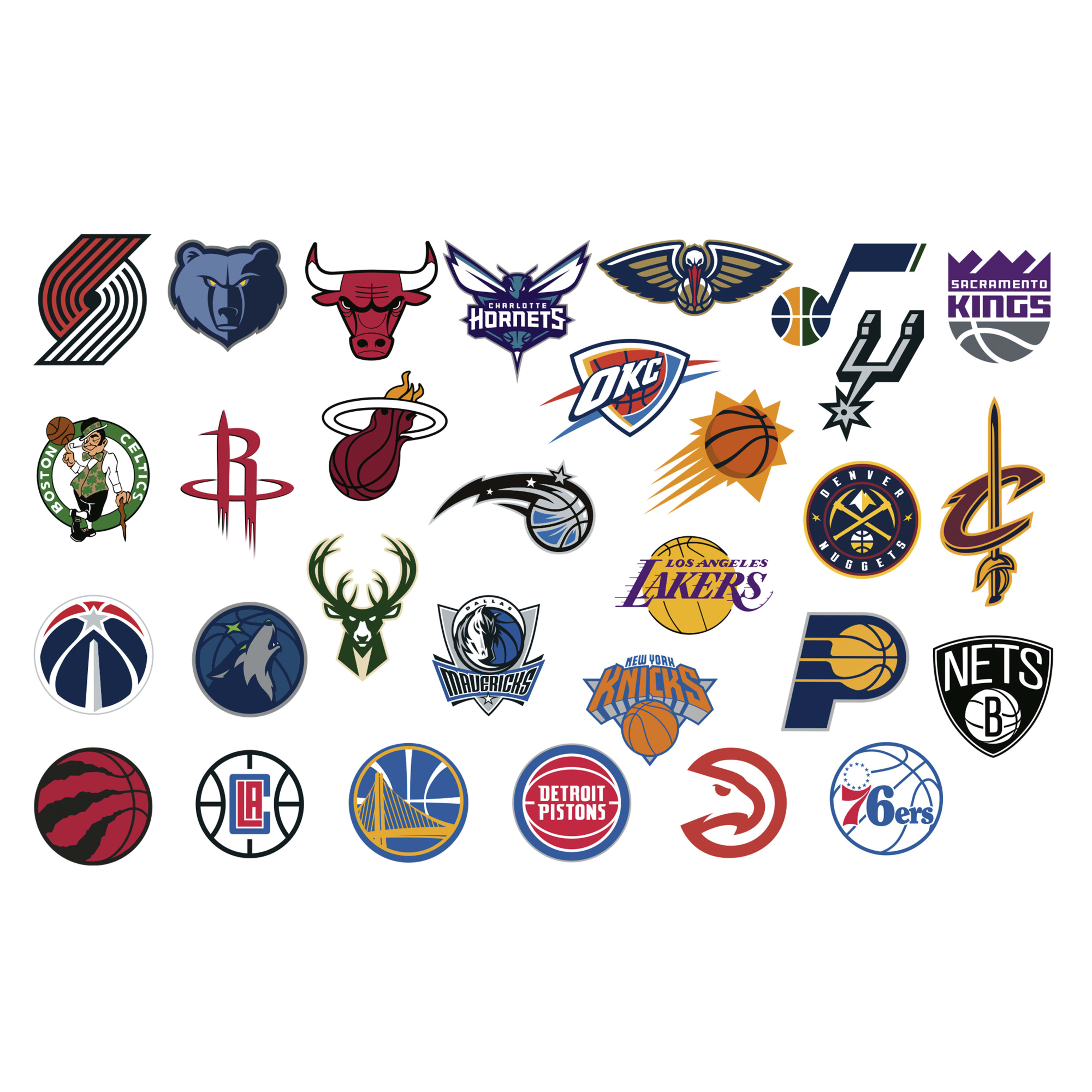
The National Basketball Association features 30 professional basketball franchises strategically divided equally into the Eastern and Western Conferences, each containing three five-team divisions. These organizations operate under a s...
The National Basketball Association features 30 professional basketball franchises strategically divided equally into the Eastern and Western Conferences, each containing three five-team divisions. These organizations operate under a shared economic and competitive structure designed to maintain parity, manage player movement through the draft and free agency, and foster global entertainment markets.
Contents
Understanding the landscape of professional basketball requires analyzing how these organizations are geographically organized, their competitive hierarchies, and the structural frameworks that govern their operations as of 2026. From historic franchises with multiple championships to expansion-era additions, every club plays a vital role in the ecosystem managed by the league office.
Conference Alignment and Divisional Breakdown
The league divides its 30 organizations into two distinct conferences: the Eastern Conference and the Western Conference. Each conference houses 15 organizations, which are further broken down into three regional divisions of five teams each. This structural layout impacts the regular-season schedule, travel logistics, and playoff qualification mechanics.
Geography largely dictates divisional alignment, though historical rivalries and league expansions have occasionally necessitated adjustments. The division setup ensures that organizations play frequent games against their closest geographic rivals, reducing travel fatigue and building intense regional fan engagement.
- Eastern Conference Divisions: Atlantic, Central, and Southeast.
- Western Conference Divisions: Northwest, Pacific, and Southwest.
- Scheduling Impact: Organizations play intraconference opponents multiple times per season while maintaining balanced cross-conference matchups.
The Eastern Conference: Franchise Overview and Regional Dynamics
The Eastern Conference features some of the oldest and most storied organizations in professional sports history, alongside rapidly developing modern contenders. Teams in this conference battle through an 82-game regular season to secure one of the top eight guaranteed playoff seeds or participate in the postseason play-in tournament.
Geographically stretching from the Northeast down to Florida and across to the Midwest, the Eastern Conference presents unique travel schedules and fierce divisional rivalries. Atlantic Division powerhouses often clash with physical Central Division opponents and fast-paced Southeast squads.
Eastern Conference Divisions and Membership
| Division | Member Organizations | Geographic Focus |
|---|---|---|
| Atlantic Division | Boston Celtics, Brooklyn Nets, New York Knicks, Philadelphia 76ers, Toronto Raptors | Northeast Corridor & Canada |
| Central Division | Chicago Bulls, Cleveland Cavaliers, Detroit Pistons, Indiana Pacers, Milwaukee Bucks | Great Lakes & Midwest |
| Southeast Division | Atlanta Hawks, Charlotte Hornets, Miami Heat, Orlando Magic, Washington Wizards | Southeast Region |
The Western Conference: Franchise Overview and Regional Dynamics
The Western Conference is widely recognized for its deep competitive talent pool, where playoff qualification often requires a winning record well above .500. Spanning from the Pacific Coast across the Rocky Mountains and down into Texas, the West covers vast geographic distances.
Franchises in the Pacific Division face heavy travel loads, while Northwest and Southwest organizations manage high-altitude environments and intense regional battles. The conference layout demands robust roster depth and sophisticated sports science protocols to handle the grueling travel demands.
Western Conference Divisions and Membership
| Division | Member Organizations | Geographic Focus |
|---|---|---|
| Northwest Division | Denver Nuggets, Minnesota Timberwolves, Oklahoma City Thunder, Portland Trail Blazers, Utah Jazz | Mountain West & Pacific Northwest |
| Pacific Division | Golden State Warriors, LA Clippers, Los Angeles Lakers, Phoenix Suns, Sacramento Kings | West Coast & Southwest Desert |
| Southwest Division | Dallas Mavericks, Houston Rockets, Memphis Grizzlies, New Orleans Pelicans, San Antonio Spurs | Texas & Gulf Coast |
Operational Structure and League Governance
Operating a professional basketball organization requires a complex executive infrastructure. Front offices are led by General Presidents of Basketball Operations and General Managers who handle roster construction, salary cap management, and draft capital accumulation.
Beneath the executive suite, coaching staffs implement tactical schemes, while specialized performance departments manage player health, data analytics, and skill development. Every front office must operate within the strict boundaries of the collective bargaining agreement, which dictates luxury tax thresholds, maximum player salaries, and trade rules.
- Front Office: Oversees scouting, trades, contract negotiations, and long-term roster strategy.
- Coaching Staff: Manages daily practices, game-plan execution, player rotations, and in-game adjustments.
- Performance Science: Utilizes biometric tracking, injury prevention protocols, and nutritional science to optimize player availability.
Economic Models and Revenue Generation
Basketball organizations function as major business enterprises driven by several primary revenue streams. Understanding how these financial mechanisms operate explains why franchises can invest heavily in state-of-the-art training facilities, advanced analytics software, and elite talent.
National media rights agreements serve as a massive financial baseline, distributing shared revenue equally among all 30 organizations. Additionally, local television contracts, ticket sales, luxury suite rentals, and global merchandise licensing contribute significantly to individual franchise valuations.
Revenue Diversification Strategies
Media Rights and Broadcasting: National television partnerships and streaming contracts generate guaranteed shared income, while regional sports networks provide localized broadcast revenue.
Arena Operations and Ticketing: Gate receipts, premium seating sales, and hosting non-basketball events like concerts maximize stadium utility throughout the calendar year.
Global Brand Partnerships: Sponsorships, international digital engagement, and localized merchandising drive substantial alternate revenue streams for market-leading organizations.
Strategic Evolution: Analytics and Modern Play Styles
The tactical approach employed by organizations has transformed dramatically over the past two decades. Driven by advanced spatial tracking and statistical modeling, front offices and coaching staffs prioritize shot efficiency, ball movement, and defensive versatility.
The traditional reliance on mid-range jump shots has largely given way to an analytical preference for high-percentage shots at the rim and high-volume three-point shooting. Defensively, organizations deploy complex switching schemes, zone hybrids, and drop coverages to counter elite perimeter and interior scorers.
- Spatial Efficiency: Maximizing court spacing to create driving lanes and open perimeter opportunities.
- Positional Versatility: Valuing athletes who can defend multiple positions and execute plays across different roles.
- Workload Management: Balancing player rest with competitive demands to ensure peak performance during the postseason.
Frequently Asked Questions
How many teams are currently in the league?
There are 30 professional organizations operating within the league, divided equally into the Eastern and Western Conferences. This stable number has been maintained through careful expansion and relocation planning.
How are teams divided for the regular-season schedule?
The 30 organizations are split into two conferences of 15, with each conference containing three five-team divisions. This alignment helps organize travel logistics and regional rivalries while dictating specific game frequencies against conference and cross-conference opponents.
What is the role of a front office in a basketball organization?
The front office is responsible for overall roster construction, managing the salary cap, executing trades, participating in the annual draft, and hiring coaching and medical personnel. They balance short-term competitiveness with long-term asset management.
How do organizations manage the salary cap?
Front offices must operate within a complex collective bargaining agreement that sets spending limits, luxury tax thresholds, and minimum team salary floors. Strategic cap management allows organizations to retain star talent while acquiring complementary role players through free agency and trades.
What criteria determine playoff qualification?
The top six organizations in each conference based on regular-season winning percentages automatically secure playoff berths. Organizations ranked seventh through tenth participate in a play-in tournament to determine the final two postseason spots in each conference.
Conclusion and Strategic Outlook
The 30 organizations that make up the league represent the pinnacle of global basketball talent, supported by sophisticated operational, financial, and analytical frameworks. From traditional powerhouses to modern data-driven contenders, each franchise contributes to a dynamic competitive ecosystem. Staying informed on conference realignments, front office strategies, and structural rule changes provides fans and analysts with a deeper appreciation of the professional game.
Image Gallery