Do You Need Car Insurance in America? Mandatory Requirements and Coverage Guide
In the United States, car insurance is a legal requirement in nearly every state to ensure drivers can cover costs resulting from accidents. While specific minimums vary by jurisdiction, operating a vehicle without valid insurance in 2...
In the United States, car insurance is a legal requirement in nearly every state to ensure drivers can cover costs resulting from accidents. While specific minimums vary by jurisdiction, operating a vehicle without valid insurance in 2026 carries severe penalties, including heavy fines, license suspension, and personal liability for all damages.
Contents
Driving in America necessitates a clear understanding of financial responsibility laws. Unlike many other countries where insurance might be tied to the individual, American auto insurance is primarily tied to the vehicle itself, though the driver’s history significantly influences the premium. As of 2026, the complexity of vehicle technology and the rising costs of medical care have made maintaining adequate coverage more critical than ever before.
The Legal Mandate: Why Insurance is Compulsory
The primary reason you need car insurance in America is the legal framework known as financial responsibility laws. Every state government seeks to ensure that if a driver causes an accident, they have the financial means to pay for the resulting bodily injuries or property damage.
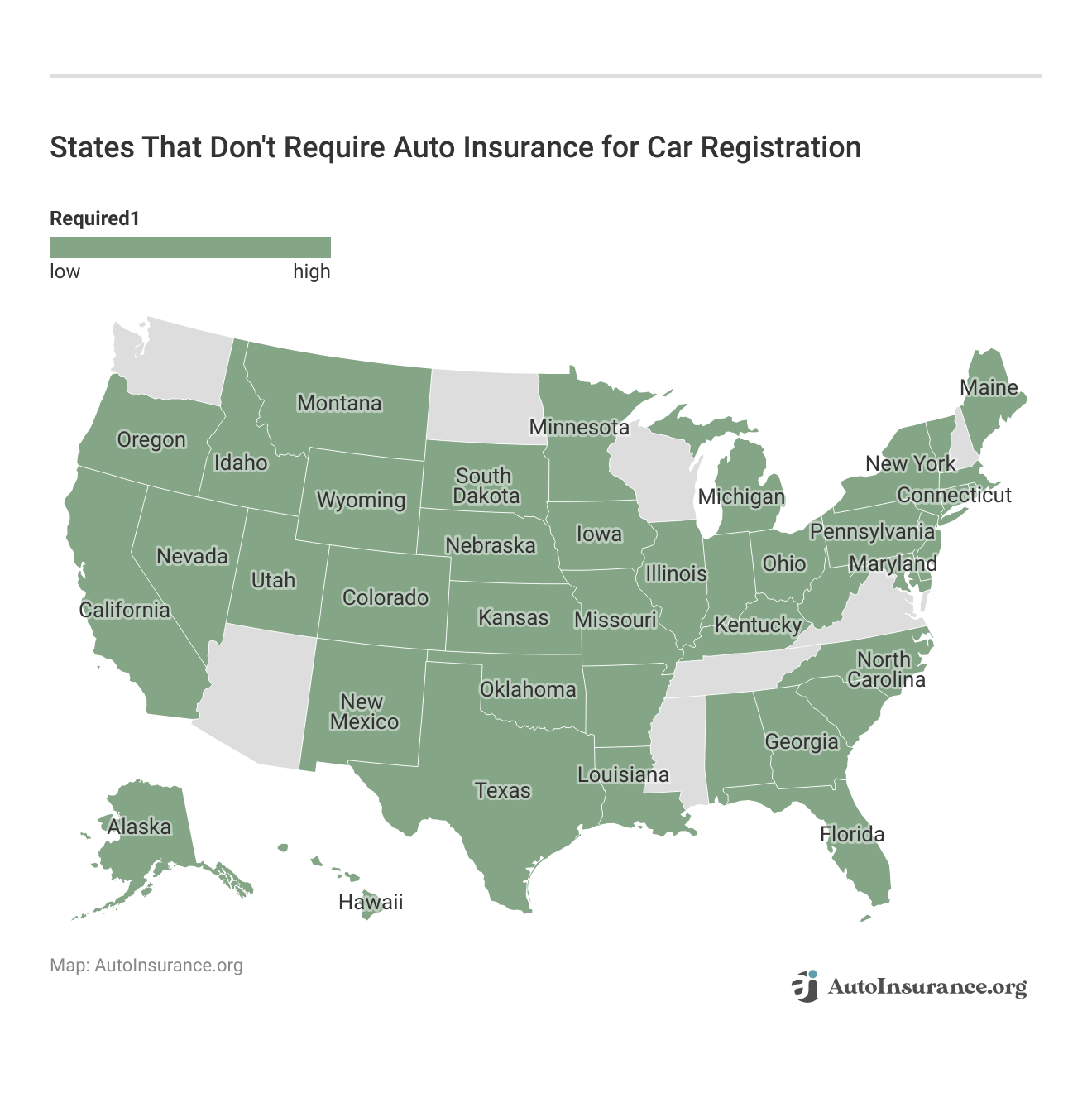
As of 2026, 49 out of 50 states, along with the District of Columbia, mandate some form of automotive insurance. New Hampshire remains the primary outlier, as it does not strictly require all drivers to purchase insurance. However, New Hampshire drivers must still demonstrate the ability to pay for damages if they are found at fault in an accident. If they cannot prove financial responsibility after an incident, their driving privileges are typically revoked.
In states where insurance is mandatory, you cannot register a vehicle or renew your license plates without providing proof of active coverage. In 2026, most states utilize real-time electronic verification systems that allow Department of Motor Vehicles (DMV) offices and law enforcement to check an individual's insurance status instantly against a national database.
Understanding Minimum Liability Coverage
When people ask if they need insurance, they are usually referring to Liability Coverage. This is the core component required by law. Liability insurance does not pay for your own car repairs or your own medical bills; instead, it pays for the "other guy's" losses when you are at fault.
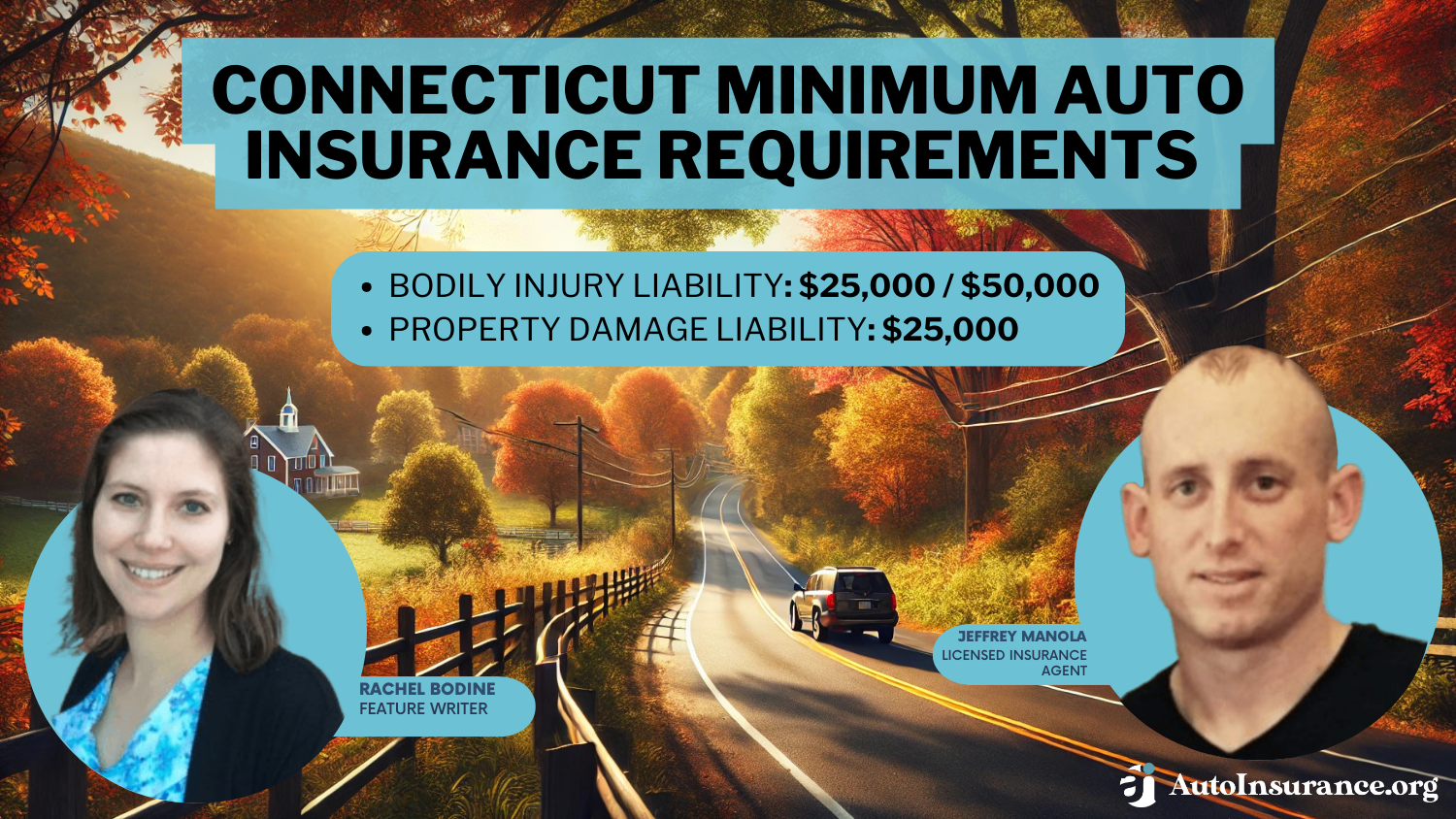
Liability is typically expressed in a three-number shorthand, such as 25/50/25. Understanding these numbers is vital for compliance:
- $25,000 (Bodily Injury per Person): This is the maximum amount your insurance will pay for medical expenses for a single person injured in an accident you caused.
- $50,000 (Bodily Injury per Accident): This is the total limit your insurance will pay for all people injured in a single accident.
- $25,000 (Property Damage): This is the maximum amount paid to repair or replace property (other vehicles, fences, buildings) damaged in the accident.
In 2026, many experts suggest that these state minimums are dangerously low. With the average price of a new electric or hybrid vehicle exceeding $50,000, a "25/50/25" policy may leave a driver personally liable for tens of thousands of dollars if they total a late-model vehicle.
No-Fault vs. At-Fault Systems
The "need" for insurance also changes based on whether you live in a No-Fault or an At-Fault (Tort) state. This distinction dictates whose insurance pays for medical treatments.
At-Fault (Tort) States
In the majority of U.S. states, the person who caused the accident is responsible for all damages. The victim files a claim against the at-fault driver's insurance company. If the damages exceed the at-fault driver's policy limits, the victim can sue the driver for the remainder.
No-Fault States
In states with no-fault laws (such as Florida, Michigan, and New Jersey), your own insurance company pays for your medical expenses through Personal Injury Protection (PIP), regardless of who caused the accident. These laws were designed to reduce the number of small-claims lawsuits, though they often result in higher premium costs for drivers in those jurisdictions.
Consequences of Driving Without Insurance
The risks of driving uninsured in 2026 extend far beyond a simple traffic ticket. Because insurance data is now integrated into law enforcement scanners, the likelihood of being caught is higher than in previous decades.
- Legal Penalties: First-time offenders often face fines ranging from $500 to $1,500. Repeat offenders may face jail time.
- License and Registration Suspension: Most states will immediately suspend your driver's license and vehicle registration. Reinstating these often requires paying a "reinstatement fee" and providing an SR-22 form.
- The SR-22 Requirement: An SR-22 is not insurance; it is a certificate of financial responsibility filed by an insurance company with the state. It proves you have the required coverage. Once you are flagged for an SR-22, your insurance premiums will typically double or triple for a period of three to five years.
- Vehicle Impoundment: If you are pulled over and cannot provide proof of insurance, the police have the authority to impound your vehicle on the spot. You will be responsible for towing and storage fees.
- Personal Financial Ruin: If you cause an accident without insurance, the other party (or their insurance company) can sue you personally. This can lead to wage garnishment and the seizure of personal assets like your home or savings.
2026 Minimum Requirements by Selected States
The following table outlines the minimum liability requirements for several major states. These figures represent the baseline needed to drive legally.
| State | Bodily Injury (Per Person/Accident) | Property Damage | Unique Requirements |
|---|---|---|---|
| California | $15,000 / $30,000 | $5,000 | Low-cost programs available for low-income drivers. |
| Texas | $30,000 / $60,000 | $25,000 | Strict real-time "TexasSure" verification system. |
| Florida | $10,000 (PIP) / $10,000 (PDL) | Included | No-fault state; BI liability not always required for all. |
| New York | $25,000 / $50,000 | $10,000 | Requires $50,000 in No-Fault (PIP) coverage. |
| Arizona | $25,000 / $50,000 | $15,000 | Digital ID cards are fully recognized by law. |
| Illinois | $25,000 / $50,000 | $20,000 | Requires Uninsured Motorist Bodily Injury coverage. |
Note: For the most current requirements in your specific zip code, consult the National Association of Insurance Commissioners (NAIC).
Beyond the Minimums: Recommended Coverage in 2026
While state laws only require liability, most drivers "need" additional coverage to protect their own financial interests. If you are financing or leasing a vehicle, your lender will almost certainly require Full Coverage.
- Collision Insurance: This pays for damage to your car resulting from a collision with another vehicle or object, regardless of fault. Given that 2026 vehicle repair costs are high due to integrated sensors and LIDAR systems, this is highly recommended for any vehicle less than 10 years old.
- Comprehensive Insurance: This covers non-collision events such as theft, vandalism, fire, or natural disasters (floods, hail).
- Uninsured/Underinsured Motorist (UM/UIM): Despite the laws, many people still drive without insurance. This coverage protects you if you are hit by someone who has no insurance or whose limits are too low to cover your medical bills.
- Gap Insurance: If your car is totaled, standard insurance only pays the "Actual Cash Value." If you owe more on your loan than the car is worth, Gap insurance covers the difference.
Insurance for International Visitors and New Residents
If you are visiting the United States or have recently moved from abroad, your foreign insurance policy will likely not be recognized.
- Rentals: If you are renting a car, the rental agency will offer a Loss Damage Waiver (LDW) and Supplemental Liability Insurance (SLI). While expensive, these fulfill the legal requirements for your stay.
- International Drivers: You can generally purchase a policy with an International Driving Permit (IDP), though premiums may be higher until you obtain a U.S. state-issued driver's license.
- New Residents: Once you establish residency in a state, you typically have 30 to 90 days to register your vehicle and obtain a local insurance policy.
Common Mistakes to Avoid
In the pursuit of meeting legal requirements, many drivers make errors that leave them vulnerable:
- Letting Coverage Lapse: Even a one-day lapse in coverage can trigger a notification to the DMV and lead to a significant increase in future premiums.
- Ignoring Exclusions: Many policies do not cover "commercial use." If you are using your personal car for ride-sharing or delivery services in 2026 without a specific endorsement, your insurer may deny your claim.
- Underestimating Property Damage: As mentioned, $10,000 or $25,000 in property damage is often insufficient in 2026's economy. Striking a luxury vehicle or a piece of utility infrastructure can easily exceed these limits.
Frequently Asked Questions
Can I drive someone else's car without my own insurance?
In most states, insurance follows the vehicle, not the driver. If you borrow a friend's car with their permission, their insurance usually provides coverage. However, if you live with the person or use the car regularly, you must be listed as a "named driver" on their policy to ensure coverage is valid.
Is car insurance required if the car is parked and not in use?
If the vehicle is registered with the state and has valid license plates, most states require it to be insured. If you plan to store a vehicle long-term, you may be able to apply for a "planned non-operation" status with the DMV to legally drop the insurance.
What is the average cost of car insurance in 2026?
Costs vary wildly by state and driver history, but the national average for full coverage in 2026 is approximately $2,200 to $2,800 per year. Minimum liability-only policies are significantly cheaper but offer far less protection.
Does car insurance cover theft of personal items inside the car?
No. Standard auto insurance covers the vehicle itself and its factory equipment. To cover personal items like laptops or luggage stolen from a vehicle, you typically need Renters Insurance or Homeowners Insurance.
Can I get insurance without a Social Security Number?
Yes, many insurance carriers in 2026 accept an Individual Taxpayer Identification Number (ITIN) or a valid foreign passport and International Driving Permit to start a policy, especially in states with high immigrant populations.
Final Recommendation
Do you need car insurance in America? The answer is a definitive yes. To stay compliant and protected in 2026, you should first identify your state’s minimum requirements through your local DMV website. However, do not stop at the minimums; evaluate your personal assets and the value of your vehicle. A standard recommendation for most drivers is to carry 100/300/100 limits to ensure that a single accident doesn't lead to long-term financial hardship. Always carry a digital or paper copy of your insurance card in your vehicle at all times.
Image Gallery