Olivia Wilde and Harry Styles in Popular Culture: Media Frenzy, Fandom Dynamics, and Cinema
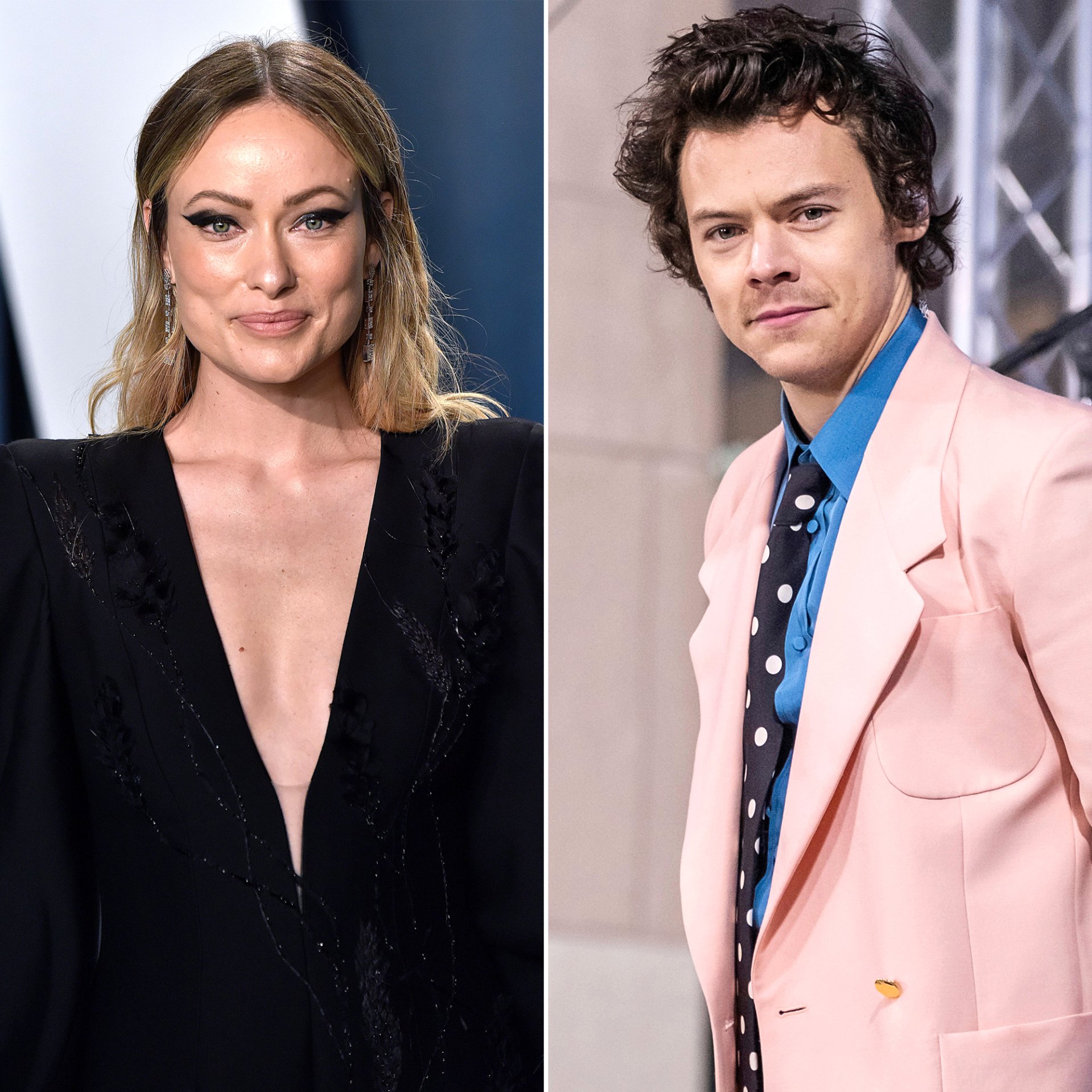
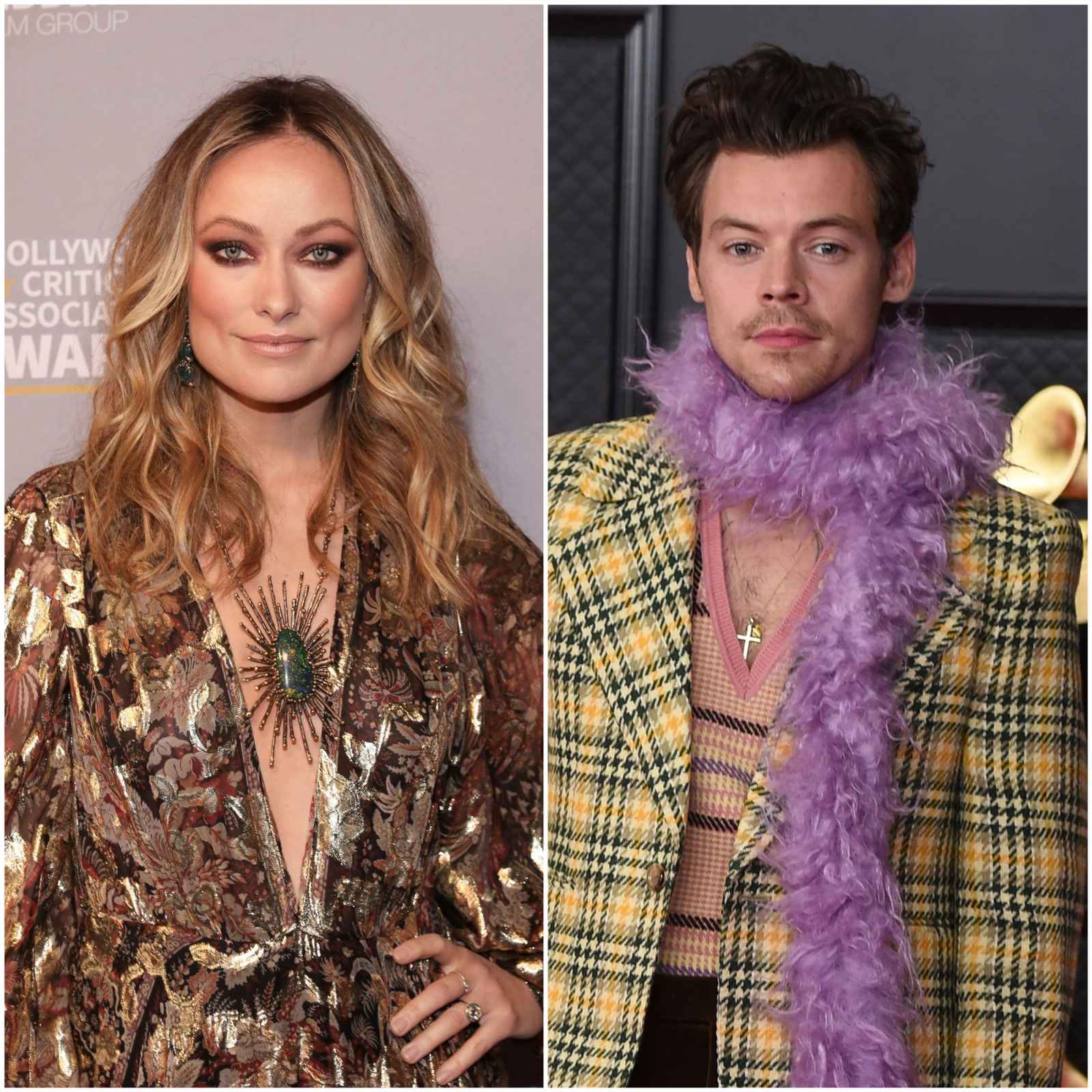
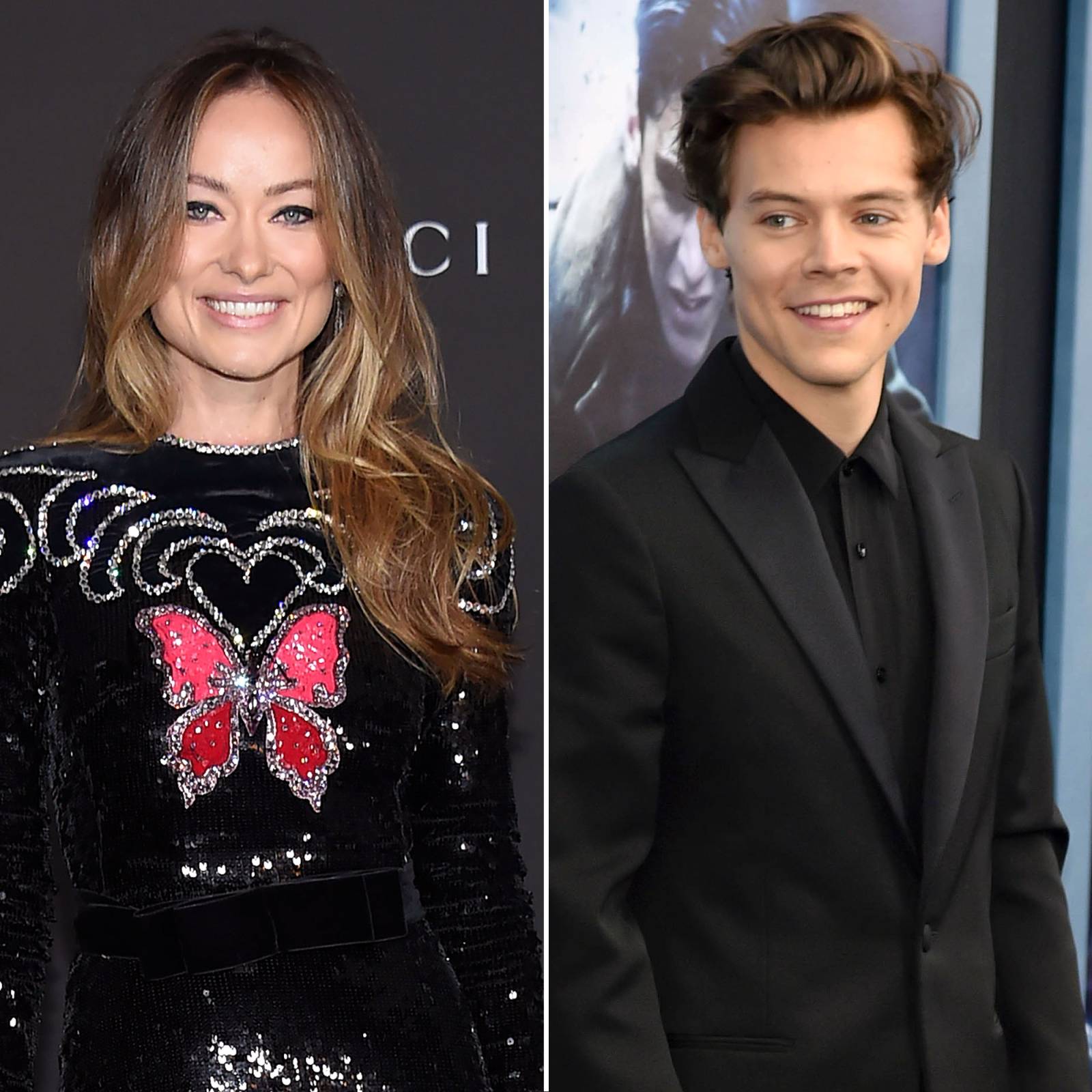
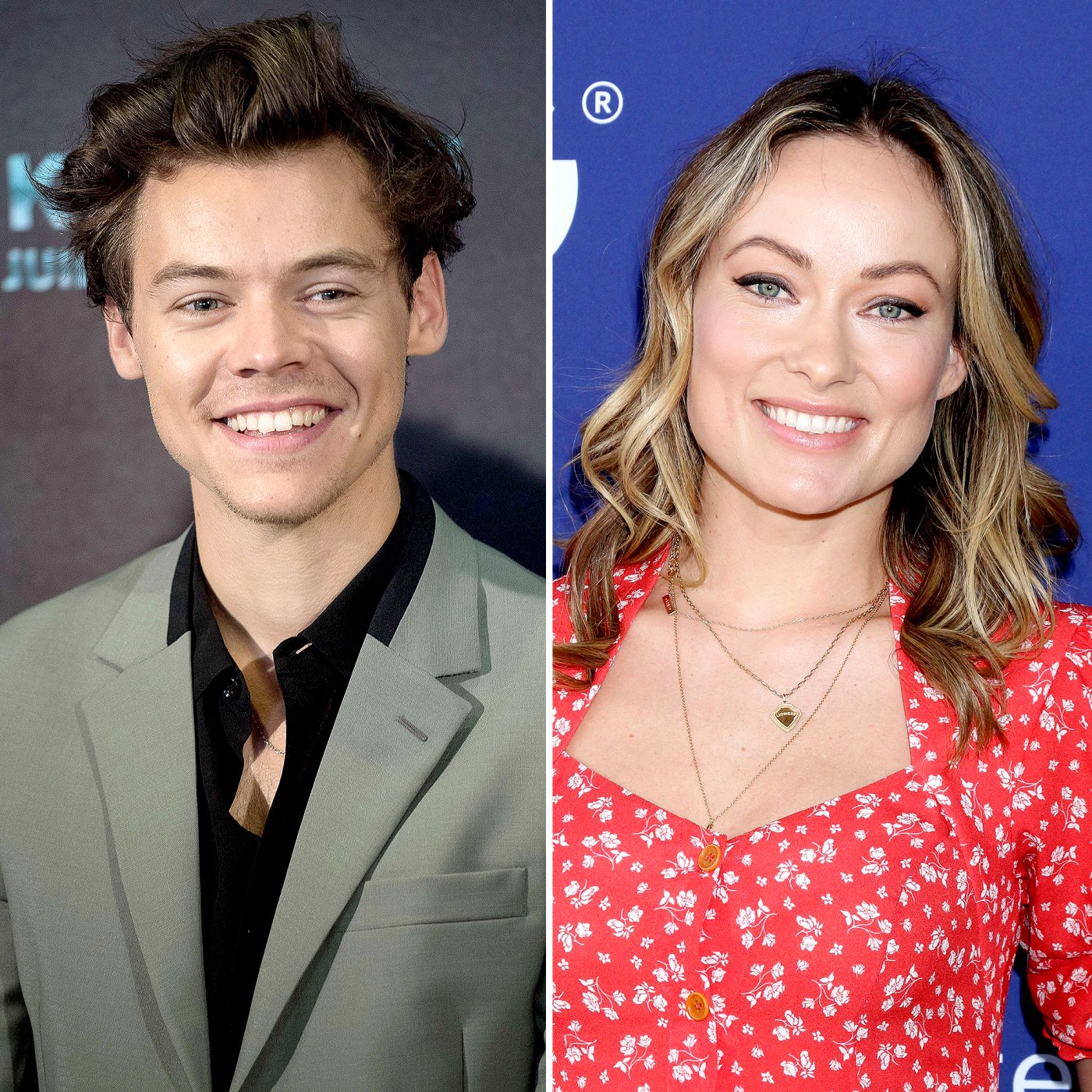
The high-profile relationship between director Olivia Wilde and musician Harry Styles became a defining pop culture phenomenon from 2020 to 2022. Fused with internet speculation, intense fandom parasocial behavior, press tour drama, an...
The high-profile relationship between director Olivia Wilde and musician Harry Styles became a defining pop culture phenomenon from 2020 to 2022. Fused with internet speculation, intense fandom parasocial behavior, press tour drama, and gendered media scrutiny surrounding Don't Worry Darling, their romance reshaped modern celebrity public relations and film marketing in the digital age.
Contents
From Film Set to Cultural Flashpoint
The narrative surrounding Olivia Wilde and Harry Styles began in late 2020 during the production of the psychological thriller Don't Worry Darling. Wilde, coming off the critical success of her directorial debut Booksmart (2019), cast Styles to replace Shia LaBeouf in September 2020. At the time, Styles was transitioning from international pop stardom following his 2019 album Fine Line into high-profile feature film acting.
Public awareness of their romantic involvement emerged in January 2021 after photographs surfaced of the pair attending a wedding together. Because Wilde had recently ended a long-term relationship with actor Jason Sudeikis, tabloid outlets and social media platforms immediately centered their attention on the timeline of the relationship. What began as a standard Hollywood workplace romance quickly expanded into an ongoing digital spectacle, fueled by short-form video platforms, entertainment commentary channels, and pop music fan communities.
The convergence of Wilde’s rising status as a prominent female director and Styles’ global celebrity created a unique intersection of film industry press and music fandom culture. Rather than remaining a secondary detail of the film's production, their relationship became the primary lens through which the entertainment press and the public viewed Don't Worry Darling.
Fandom Dynamics and Digital Surveillance Culture
The public reception of Wilde and Styles highlighted a significant evolution in celebrity fandom, specifically the rise of parasocial surveillance on platforms such as TikTok, X (formerly Twitter), and Reddit.
Styles possesses one of the most dedicated global fanbases in contemporary music, inherited in part from his years in One Direction and expanded through his solo career. Within these digital spaces, fan responses to the relationship varied widely:
- Parasocial Resistance: Portions of the fanbase expressed skepticism toward the relationship, dissecting paparazzi photos, public statements, and promotional footage to argue the romance was a public relations campaign designed to generate publicity for Don't Worry Darling.
- Timeline Investigation: Amateur sleuths created detailed video essays analyzing production schedules, social media posts, and public appearances to reconstruct personal timelines, illustrating how digital audiences actively participate in narrative creation rather than passively consuming media reports.
- Gender-Based Backlash: Wilde became the target of intense online criticism. Observers and media scholars noted that much of the hostility directed at Wilde mirrored historical patterns of pushback against women dating high-profile male pop stars, where the female partner is framed as an adversary or distraction.
This level of audience surveillance demonstrated how social media algorithms amplify celebrity gossip, transforming personal lives into interactive digital mysteries.
The 2022 Venice Film Festival: Peak Press Tour Drama
The publicity campaign for Don't Worry Darling culminated at the 79th Venice International Film Festival in September 2022, creating one of the most heavily documented and analyzed film festival press tours in modern cinema history.
Instead of focusing primarily on the film's artistic merits, media coverage centered almost exclusively on interpersonal dynamics among the cast and director. Key moments during the festival generated global viral headlines:
Red Carpet and Panel Seating Arrangements: Journalists and social media users scrutinized seating distance during the press conference and body language on the red carpet, searching for evidence of tension between Wilde, Styles, and co-star Florence Pugh.
The "Spitgate" Incident: A short video clip showing Styles taking his seat next to co-star Chris Pine generated millions of views as users debated whether Styles had spat on Pine. Despite official denials from Pine's representative confirming the story was entirely fabricated by online speculation, the myth dominated mainstream news cycles for days.
Cast Absence and Scheduling: Discussions regarding Florence Pugh’s limited press availability due to her filming schedule for Dune: Part Two were reinterpreted by digital audiences as evidence of a rift over the director-actor relationship on set.
Social Media Rumor / Video Clip
Algorithmic Amplification on TikTok / X
Mainstream Entertainment News Coverage
Official PR Denials / Statements
Increased Box Office & Streaming Curiosity
This cycle illustrated how viral digital content drives mainstream journalistic reporting, creating an echo chamber where internet memes dictate real-world entertainment coverage.
Media Double Standards and Gendered Reporting
The coverage of the Wilde-Styles relationship sparked broader commentary regarding gender dynamics within Hollywood and entertainment journalism. Media analysts pointed out distinct double standards in how the press treated the couple compared to male directors in similar situations.
Historically, male film directors dating lead actresses on set has been treated as a common Hollywood trope, often framed with romantic or artistic romanticism. Conversely, Wilde faced extensive public scrutiny regarding:
- Professional Authority: Critics questioned whether her romantic life compromised her leadership on set, a critique rarely leveled with equal intensity against male directors.
- Age-Gap Discourse: The ten-year age gap between Wilde (born 1984) and Styles (born 1994) received significant tabloid commentary, whereas much larger age gaps involving male directors or actors typically pass with minimal public reaction.
- Parental and Personal Obligations: Tabloid outlets frequently contextualized Wilde's personal life around her custody arrangements, evaluating her professional choices through her personal life in ways male filmmakers seldom experience.
These critiques prompted discussions among feminist media scholars and film critics regarding the persistent biases present in celebrity journalism and online fandom spaces.
Key Cultural Touchpoints and Timeline
The following table outlines the timeline, public events, and cultural reactions defining the Wilde-Styles media narrative:
| Date Period | Milestone / Event | Public & Media Reaction | Long-Term Cultural Impact |
|---|---|---|---|
| September 2020 | Harry Styles cast in Don't Worry Darling | High fan enthusiasm; initial interest in casting shift | Elevated film visibility prior to principal photography |
| January 2021 | Public debut at manager's wedding | Intense tabloid reporting; initial timeline speculation | Shifted focus from film production to personal lives |
| Late 2021 – Mid 2022 | Filming wraps; concert appearances | High social media tracking at Love On Tour shows | Highlighted intersection of music fandom and cinema |
| September 2022 | Venice Film Festival premiere | Viral meme generation ("Spitgate", press conference analysis) | Redefined press tour volatility in the short-form video era |
| September 2022 | Theatrical release of Don't Worry Darling | $87M worldwide box office; polarized reviews | Demonstrated that viral media attention can yield commercial viability |
| November 2022 | Reported split / hiatus | High social media commentary; quiet media transition | Case study in celebrity PR management following high-intensity press cycles |
Lasting Impact on Film Marketing and Celebrity PR
The fallout and publicity surrounding Olivia Wilde and Harry Styles altered how film studios and public relations management approach film promotion in an era dominated by viral media.
The Double-Edged Sword of Viral Publicity
While the intense media interest brought unprecedented visibility to Don't Worry Darling, it threatened to overshadow the film itself. The project ultimately achieved commercial success, opening at number one at the domestic box office and earning over $87 million worldwide against a $35 million budget. However, the narrative surrounding the film remained permanently linked to off-screen drama rather than its narrative themes.
Evolving PR Crisis Management Strategies
In response to digital tracking and rapid meme propagation, celebrity public relations teams have adjusted their strategies:
- Controlled Access: Talent management increasingly limits unscripted group panel settings during festival press tours to reduce clip harvesting for social media speculation.
- Rapid Misinformation Countering: The quick, formal denial issued by Chris Pine’s team during the Venice Film Festival demonstrated the necessity of swift, explicit statements to halt speculative news cycles before they affect commercial assets.
- Separation of Personal and Professional Brands: Publicists now advise tighter boundaries between romantic personal lives and promotional tours, particularly when pop star fanbases are involved.
Actionable Takeaways for Media Analysts and Publicists
For scholars, entertainment journalists, and communications professionals, the Olivia Wilde and Harry Styles phenomenon offers practical insights into contemporary audience behavior and crisis communications:
- Monitor Short-Form Video Algorithms: Understand that narrative framing no longer originates exclusively in print or broadcast media; TikTok and short video platforms frequently establish the dominant angles for mainstream news outlets.
- Prepare for Audience Parasocial Dynamics: When cross-promotional projects involve figures with dedicated music fanbases, PR strategy must anticipate parasocial reactions and direct online scrutiny.
- Address Double Standards Explicitly: Communications strategies for female creators should proactively frame professional achievements to mitigate gendered tabloid narratives.
- Prioritize Direct Communication Over Silence: In high-velocity media environments, vague responses allow digital communities to fill information voids with speculation. Clear, definitive statements remain the most effective tool to neutralize unverified claims.
Frequently Asked Questions
When did Olivia Wilde and Harry Styles date?
Olivia Wilde and Harry Styles were romantically linked from late 2020 through November 2022. They met on the set of Don't Worry Darling in autumn 2020, made their first public appearance together in January 2021, and reportedly decided to take a break from their relationship in November 2022 due to differing work schedules and priorities.
Did the publicity help or hurt Don't Worry Darling at the box office?
The intense publicity served as a double-edged sword. While the constant media coverage and viral discourse created massive general public awareness—helping the film debut at #1 in North America and gross over $87 million globally—it also distracted from the film's artistic content and contributed to mixed critical reviews.
What was the "Spitgate" controversy at the Venice Film Festival?
"Spitgate" refers to a viral internet event in September 2022 when a video clip of Harry Styles taking his seat next to co-star Chris Pine at the Venice Film Festival lead online users to speculate that Styles had spat on Pine. The story gained massive media traction until Chris Pine's representative issued a formal statement calling the claim a complete fabrication resulting from an odd online optical illusion.
Why was there so much online pushback against Olivia Wilde?
The pushback against Wilde resulted from several factors: intense parasocial fandom defense mechanisms surrounding Styles, tabloid focus on the timeline of her previous relationship with Jason Sudeikis, and gendered media double standards that scrutinize female directors dating cast members far more harshly than their male counterparts.
How did the relationship affect future celebrity movie press tours?
The media circus surrounding Don't Worry Darling led Hollywood public relations firms and film studios to implement stricter controls during festival press tours. Publicists now manage cast seating arrangements, panel structures, and media access more tightly to prevent social media users from isolating brief clips to build viral narratives.
Image Gallery