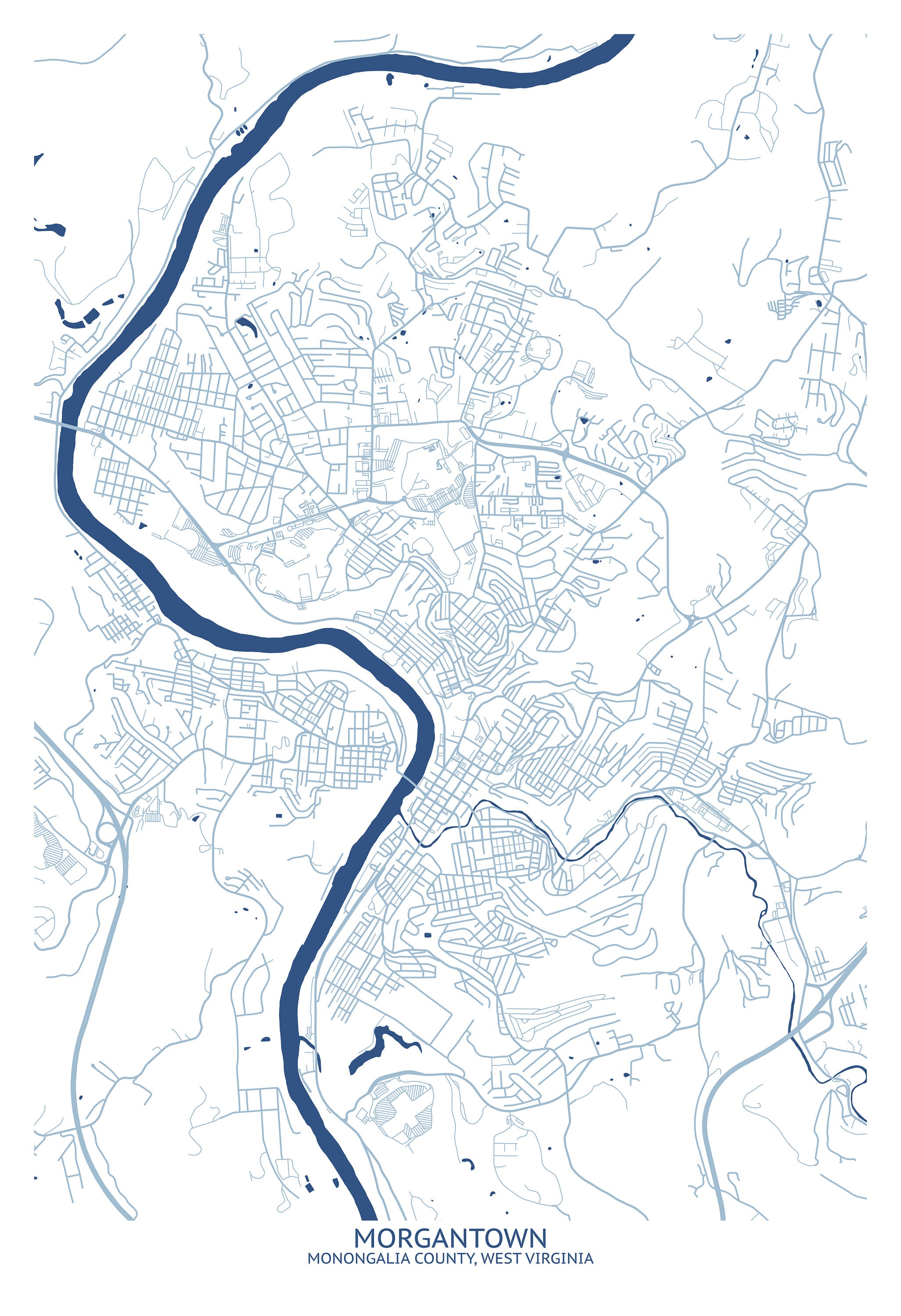
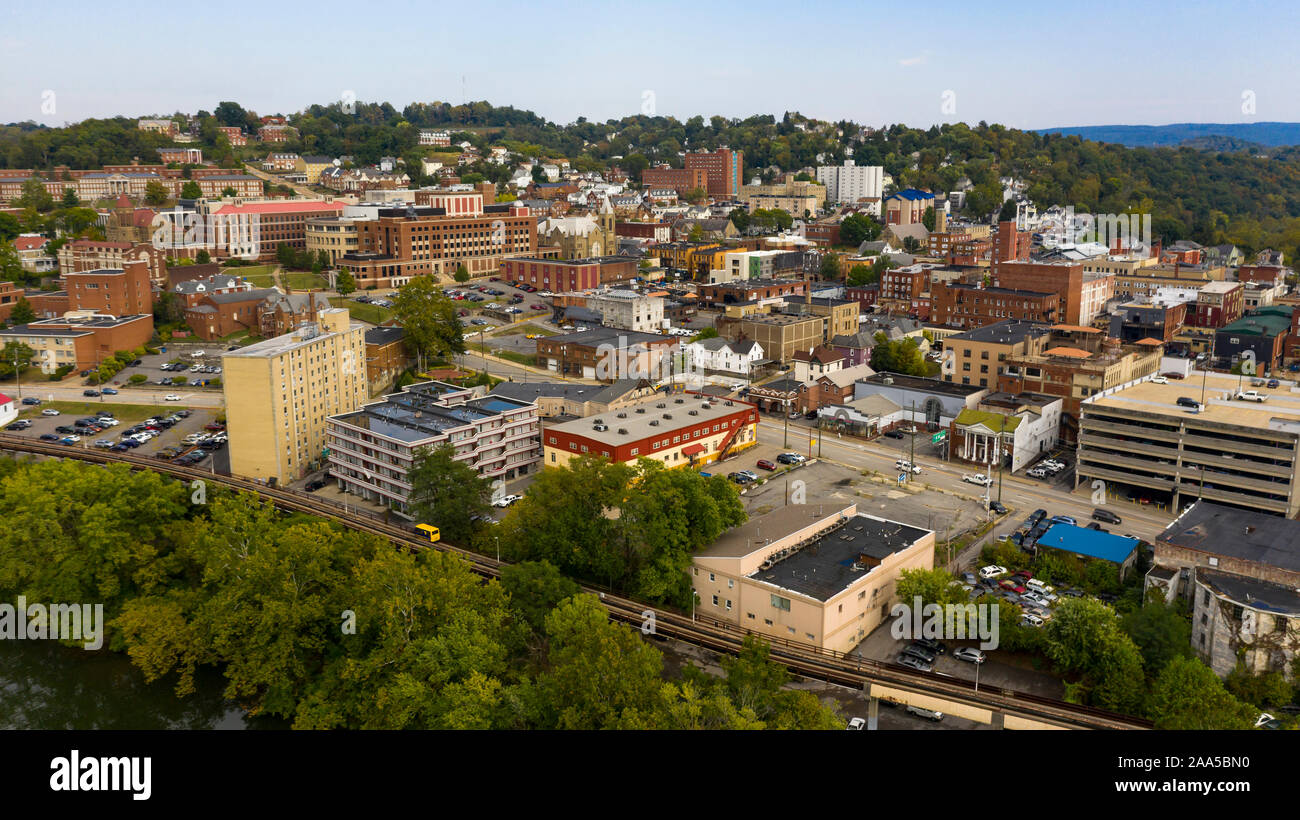
Navigating the Route from Morgantown WV to Pittsburgh PA in 2026
Traveling from Morgantown, West Virginia to Pittsburgh, Pennsylvania is a frequent commuter, commercial, and recreational journey bridging the lush hills of North-Central West Virginia with the industrial and technological hub of South...
Traveling from Morgantown, West Virginia to Pittsburgh, Pennsylvania is a frequent commuter, commercial, and recreational journey bridging the lush hills of North-Central West Virginia with the industrial and technological hub of Southwestern Pennsylvania. The trip primarily spans roughly 75 miles via Interstate 79 North, typically taking between 1 hour and 15 minutes to 1 hour and 30 minutes depending on traffic and weather conditions.
Contents
Geographic and Infrastructure Overview of the Corridor
The transit corridor connecting Morgantown, WV, and Pittsburgh, PA, is anchored by Interstate 79, a major north-south corridor traversing the Appalachian terrain. Understanding the foundational geography of this route is essential for efficient travel, commercial logistics, and daily commuting.
Morgantown serves as the home of West Virginia University (WVU) and a growing biomedical and tech sector, positioned in Monongalia County. Pittsburgh sits at the confluence of the Allegheny, Monongahela, and Ohio rivers in Allegheny County, functioning as a primary metropolitan center for healthcare, finance, and advanced robotics.
The roadway infrastructure relies heavily on continuous maintenance by the West Virginia Division of Highways (WVDOH) and the Pennsylvania Department of Transportation (PennDOT). Bridge replacements, surface paving, and lane expansions frequently occur along this route, particularly near the state line and the approaches to the Pittsburgh metropolitan area.
Detailed Route Options and Turn-by-Turn Navigation
While Interstate 79 North is the definitive backbone of travel between Morgantown and Pittsburgh, motorists and transport planners evaluate several variations depending on exact origin points, destination neighborhoods, and real-time congestion.
| Route Name | Primary Highways | Typical Distance | Average Transit Time | Key Advantage |
|---|---|---|---|---|
| Direct Interstate Corridor | I-79 N | ~75 Miles | 1 hr 15 min - 1 hr 30 min | Fastest, most direct path with minimal turns. |
| Eastern Scenic/Alternate | US-119 N to I-70 W to I-79 N | ~85 Miles | 1 hr 45 min - 2 hrs | Useful during severe accidents or major delays on I-79. |
| Western Regional Connection | WV-19 N to PA-18 N | ~90 Miles | 2 hrs+ | Avoids major interstate bottlenecks; scenic rural drive. |
The Primary Interstate 79 North Route
- Departure from Morgantown: Access I-79 North from key interchanges such as Exit 155 (US-19 / Sabraton / Star City) or Exit 152 (Westover / Smithtown).
- Crossing the State Line: Proceed northward past Wadestown exits and rural Monongalia County, crossing the Mason-Dixon line into Greene County, Pennsylvania.
- Navigating Greene and Washington Counties: Continue north past Waynesburg and through the rolling terrain of Washington County, merging briefly or intersecting with major cross-routes like Interstate 70 near Washington, PA.
- Approach to Allegheny County: Transition from Washington County into suburban Allegheny County, navigating the heavy multi-lane stretches near South Fayette, Bridgeville, and Carnegie.
- Arrival in Pittsburgh: Utilize connections to the Parkway West (I-376 East) to enter downtown Pittsburgh, or continue north on I-79 toward the northern suburbs like Wexford and Cranberry Township.
Comparative Analysis: Driving vs. Alternative Transportation Modes
Travelers planning a trip from Morgantown to Pittsburgh must weigh the conveniences of personal or commercial vehicle operation against available public transit and private transport alternatives. Because rail passenger service directly linking Morgantown to Pittsburgh is limited, choices generally center on driving, bus services, or ridesharing networks.
Personal Vehicle and Carpooling
- Pros: Absolute schedule flexibility, direct door-to-door transit, capability to transport luggage or heavy equipment, and efficient travel time during off-peak hours.
- Cons: Exposure to unpredictable weather events (such as winter snow squalls in the plateau regions), susceptibility to heavy rush-hour bottlenecks near the Greater Pittsburgh area, and fluctuating fuel costs.
Intercity Bus Services (e.g., Greyhound, Mountain Line, or Barons Bus)
- Pros: Cost-effective ticket pricing, elimination of driving fatigue, and productivity opportunities during the journey.
- Cons: Fixed schedules that may not align with strict appointment times, potential for delays due to regional highway congestion, and lack of direct door-to-door service without secondary local transit.
Ridesharing and Private Car Services
- Pros: Convenient for travelers without personal vehicles, comfortable private environment, and clear upfront pricing through digital applications.
- Cons: Substantially higher financial cost for a 75-mile intercity trip, and potential difficulty in securing return drivers willing to cross state lines.
Operational Challenges, Weather Considerations, and Safety Protocols
Navigating the Morgantown-to-Pittsburgh corridor requires constant awareness of environmental and structural variables. The Appalachian topography creates unique microclimates that shift rapidly between the river valleys and elevated ridge tops.
Seasonal Weather Hazards
- Winter Weather: Heavy lake-effect snow bands and freezing rain frequently impact Washington and Allegheny counties in Pennsylvania, while Monongalia County experiences steep grade icing. Carrying emergency supplies, scrapers, and ensuring tires possess adequate tread depth is mandatory for safe transit.
- Fog and Low Visibility: River valleys along the Monongahela and surrounding tributaries generate dense morning fog, particularly during autumn and spring transitions. Drivers should maintain increased following distances and utilize proper low-beam or fog lighting configurations.
Construction and Infrastructure Management
PennDOT and WVDOH schedule major bridge rehabilitations and resurfacing projects during the warmer construction months. Real-time traveler information systems, such as 511PA and WV 511, provide live traffic camera feeds, incident reports, and projected delay intervals that drivers should consult before departure.
Frequently Asked Questions
What is the exact driving distance from Morgantown, WV to Pittsburgh, PA?
The standard driving distance is approximately 75 miles when taking Interstate 79 North directly from downtown Morgantown to downtown Pittsburgh via connecting parkways. Depending on exact starting neighborhoods and destination points within the Pittsburgh metropolitan area, the total distance typically ranges between 70 and 80 miles.
How long does it usually take to drive between these two cities?
Under normal traffic and weather conditions, the trip takes between 1 hour and 15 minutes and 1 hour and 30 minutes. However, weekday morning and evening rush hours, accidents, or heavy winter storms can easily extend this transit time to two hours or more.
Are there any toll roads on the direct route via Interstate 79?
No, the direct route utilizing Interstate 79 North from Morgantown through Washington and into Allegheny County is toll-free. Drivers who divert onto the Pennsylvania Turnpike (I-76) or other regional toll connectors will encounter electronic toll collection systems.
What is the best way to check for real-time traffic delays along the I-79 corridor?
Travelers should check official state transportation resources, including the 511PA system operated by the Pennsylvania Department of Transportation and the WV 511 system managed by the West Virginia Division of Highways, alongside third-party GPS navigation apps.
Is there direct passenger rail service between Morgantown and Pittsburgh?
Currently, there is no direct passenger rail service connecting Morgantown, WV, and Pittsburgh, PA. Intercity travel relies entirely on roadways via private automobile, charter services, or intercity bus lines.
Strategic Travel Recommendations
To ensure a seamless journey between Morgantown and Pittsburgh, monitor weather forecasts and live traffic feeds prior to departure. If traveling during peak commuting hours—specifically entering the Pittsburgh metro area between 7:00 AM and 9:00 AM or departing between 4:00 PM and 6:00 PM—allocate an extra 30 to 45 minutes of travel buffer time to accommodate unavoidable urban congestion. Maintain a minimum of a quarter-tank of fuel and keep emergency communication devices fully charged before embarking on this vital interstate corridor.
Image Gallery