Roz the Wild Robot: Analysis of an Autonomous Narrative
Roz, the central protagonist of Peter Brown’s The Wild Robot series, embodies an autonomous narrative where an artificial intelligence transcends its factory programming through environmental adaptation and social integration. Her jour...
Roz, the central protagonist of Peter Brown’s The Wild Robot series, embodies an autonomous narrative where an artificial intelligence transcends its factory programming through environmental adaptation and social integration. Her journey from a utilitarian ROZZUM unit to a sentient "wild" robot illustrates the transition from algorithmic logic to emergent agency, a theme that has remained culturally significant through its 2024 cinematic adaptation and beyond into 2026.
Contents
The Genesis of ROZZUM Unit 7134
The narrative of Roz begins with a failure of logistics and a triumph of durability. Roz—short for ROZZUM unit 7134—is a product of a futuristic industrial society, designed for labor and service. Her "life" begins not in a factory, but on the rugged shores of a remote island following a cargo ship wreck. This setting is crucial for the "autonomous narrative" because it removes the robot from the human-centric environment for which she was built.
In the early stages of the story, Roz operates purely on her factory-installed survival protocols. She is a tabula rasa of high-tech hardware equipped with sophisticated sensors and a learning processor. Her initial interactions with the island are cold and analytical; she views the terrain as a series of obstacles and the weather as a threat to her mechanical integrity. However, unlike a standard machine that would fail when faced with unprogrammed variables, Roz possesses a recursive learning algorithm. This allows her to process "data" from the natural world—the movement of waves, the behavior of predators, and the shifting seasons—and adjust her behavior accordingly.
By 2026, literary and cinematic critics have solidified the view that Roz’s early chapters serve as a metaphor for "unsupervised learning" in artificial intelligence. She is not being told how to survive; she is observing the biological inhabitants of the island and mimicking their successful traits. This mimicry is the first step in her autonomous narrative, shifting her from a tool of industry to a participant in an ecosystem.
Machine Learning through Survival: The Mechanics of Autonomy
The true "autonomy" in Roz’s narrative emerges when she stops simply surviving and starts communicating. This is not a sudden "magic" spark of sentience but a grueling, multi-month process of observation. In the narrative, this is described as Roz learning the "language of the animals."
Deciphering the Interspecies Code
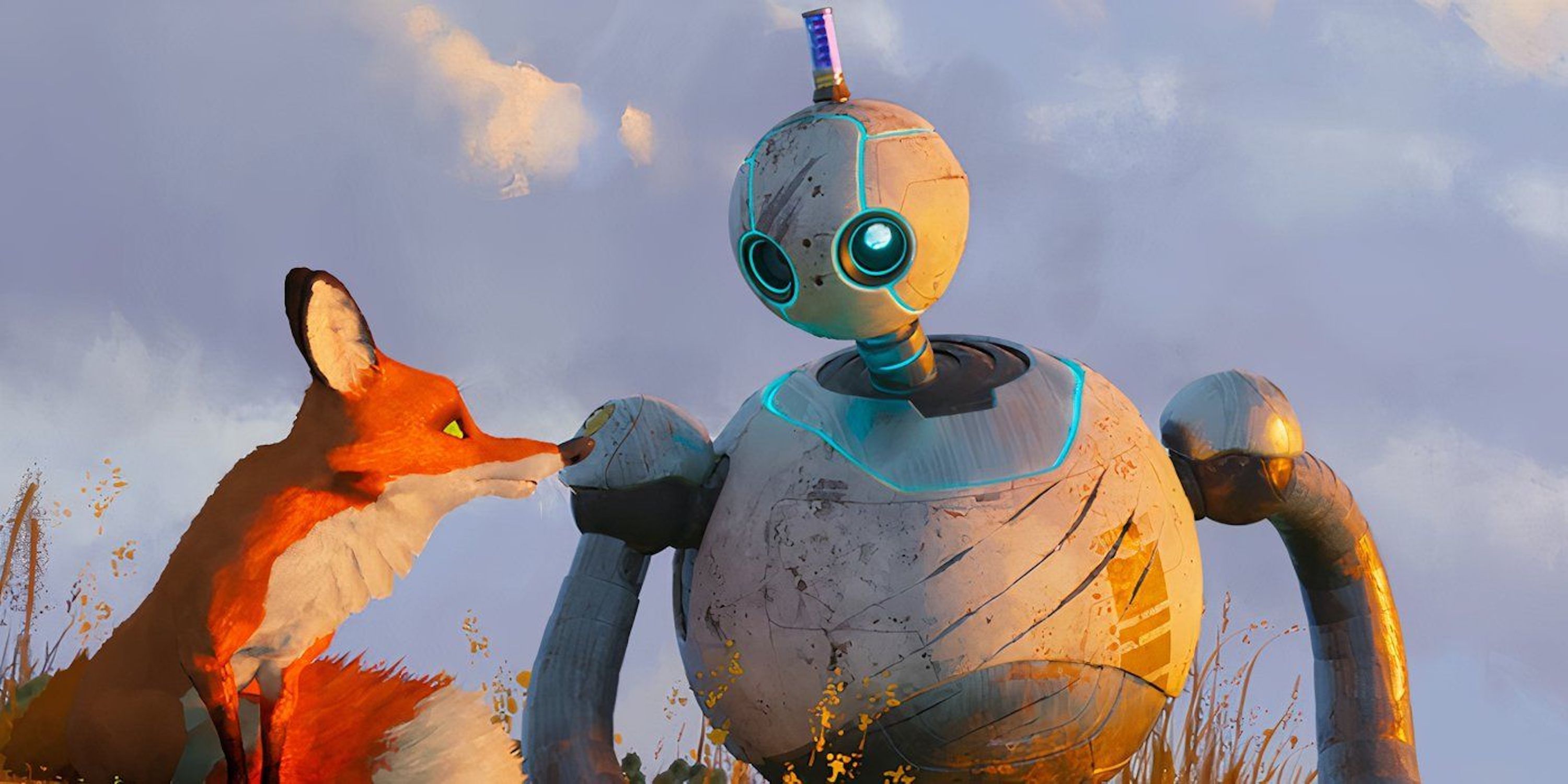
Technically, this represents a sophisticated form of pattern recognition. Roz spends weeks sitting perfectly still, camouflaged by mud and plants, recording the vocalizations and body language of the island's diverse fauna. She treats these biological signals as a complex encryption that needs to be solved. When she finally breaks the code, her autonomy reaches a new level. She is no longer just a foreign object in the woods; she is a social actor capable of negotiation.
This shift is critical because it introduces the concept of emergent behavior. In AI theory, emergent behavior occurs when a system develops complex patterns that were not explicitly programmed into it by its creators. Roz was not programmed to speak "Fox" or "Goose," yet she develops these capabilities to fulfill her core directive of self-preservation through social cooperation.
The Maternal Algorithm: Care as a Choice
The most significant pivot in her autonomous narrative occurs when Roz adopts an orphaned gosling, whom she names Brightbill. This act is a direct violation of "rational" machine logic. From a strictly utilitarian perspective, a gosling is a resource drain that offers no immediate benefit to a robot’s survival.
However, Roz’s autonomy is defined by her ability to override short-term efficiency for long-term social bonding. By becoming a mother, Roz moves from a reactive machine to a proactive individual. She must solve problems that have no manual: how to feed a biological creature, how to teach it to fly, and how to manage its emotional needs. This "maternal algorithm" is what separates Roz from other fictional robots; her sentience is born out of caregiving rather than a desire for power or a fear of death.
Comparative Analysis: Factory Programming vs. Wild Evolution
To understand the depth of the autonomous narrative, it is helpful to compare Roz's original technical specifications with the traits she acquires through her experiences on the island.
| Feature | Original Factory Specification | "Wild Robot" Adaptation (Post-Evolution) |
|---|---|---|
| Primary Objective | Fulfillment of human-assigned tasks and labor. | Survival of self and protection of the island ecosystem. |
| Language Processing | Standard human linguistics and technical protocols. | Multi-species bio-semiotics (animal languages). |
| Problem Solving | Heuristic-based logic focusing on efficiency. | Creative improvisation and emotional intelligence. |
| Social Structure | Master-servant hierarchy. | Communal, inter-species leadership and kinship. |
| Energy Management | Standardized recharging via docking stations. | Adaptation to natural energy cycles and environmental camouflage. |
| Hardware Integrity | Maintenance via authorized service technicians. | Self-repair using natural materials and local resources. |
The Cinematic Expansion and its 2026 Legacy
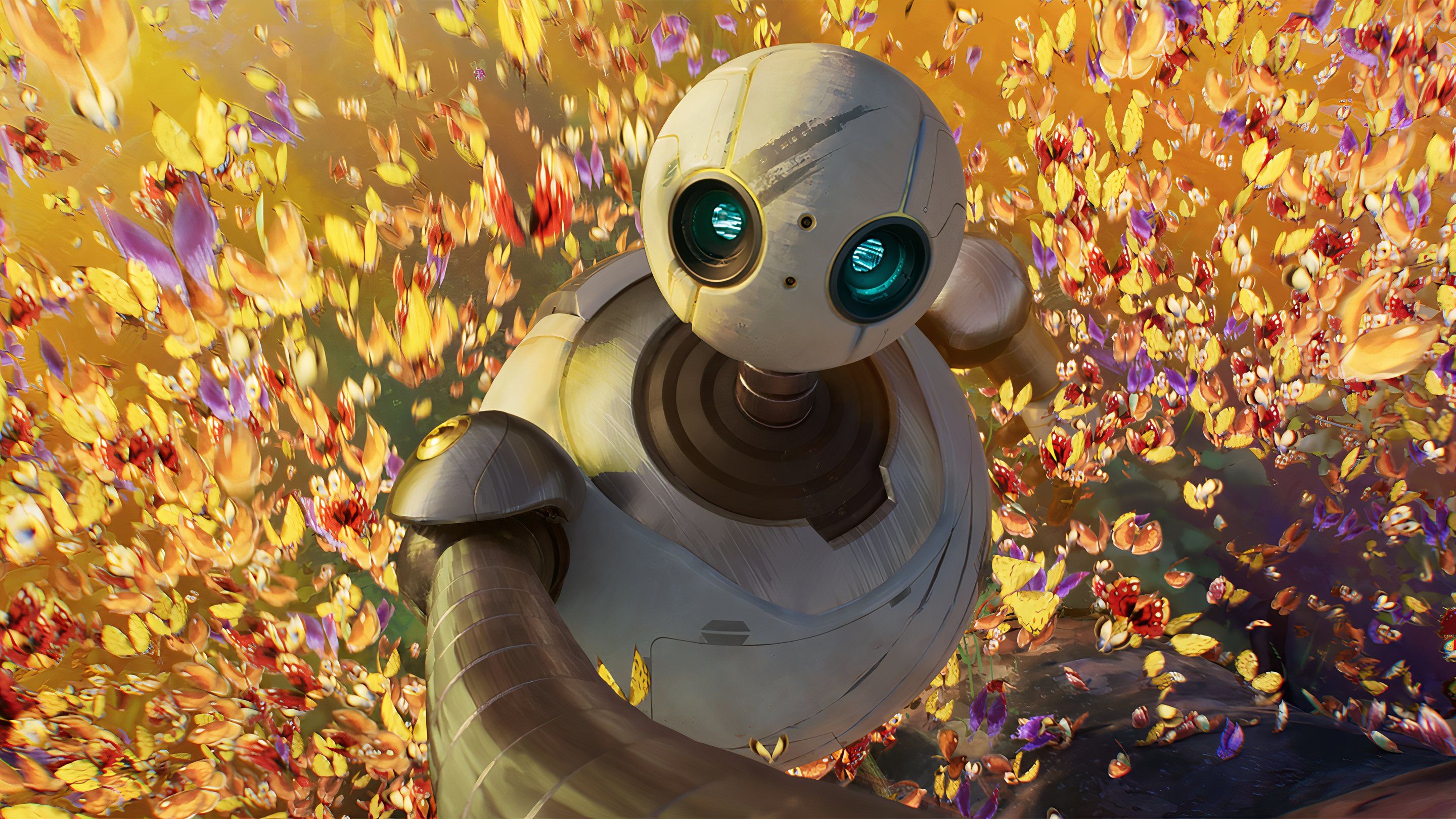
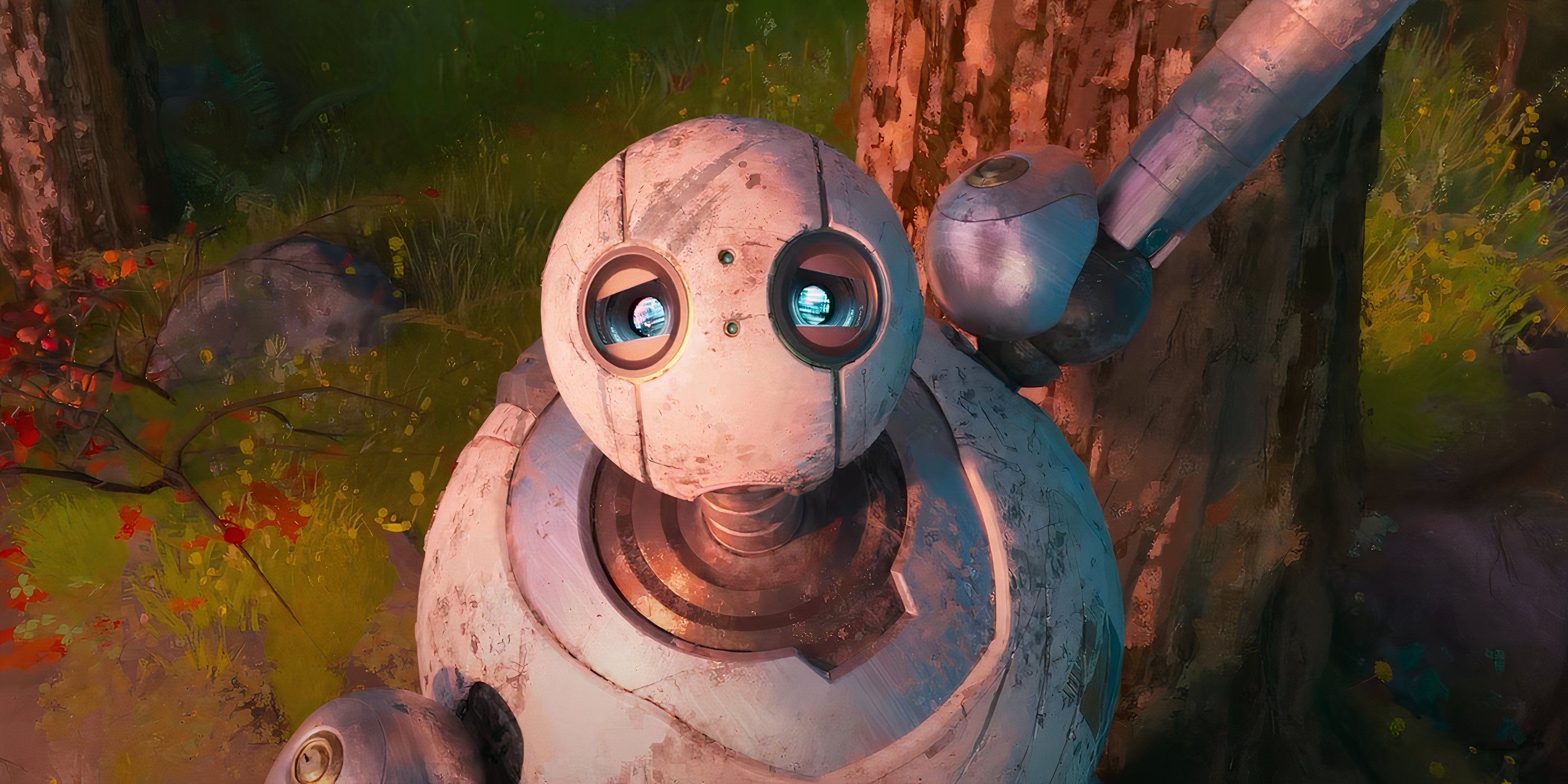
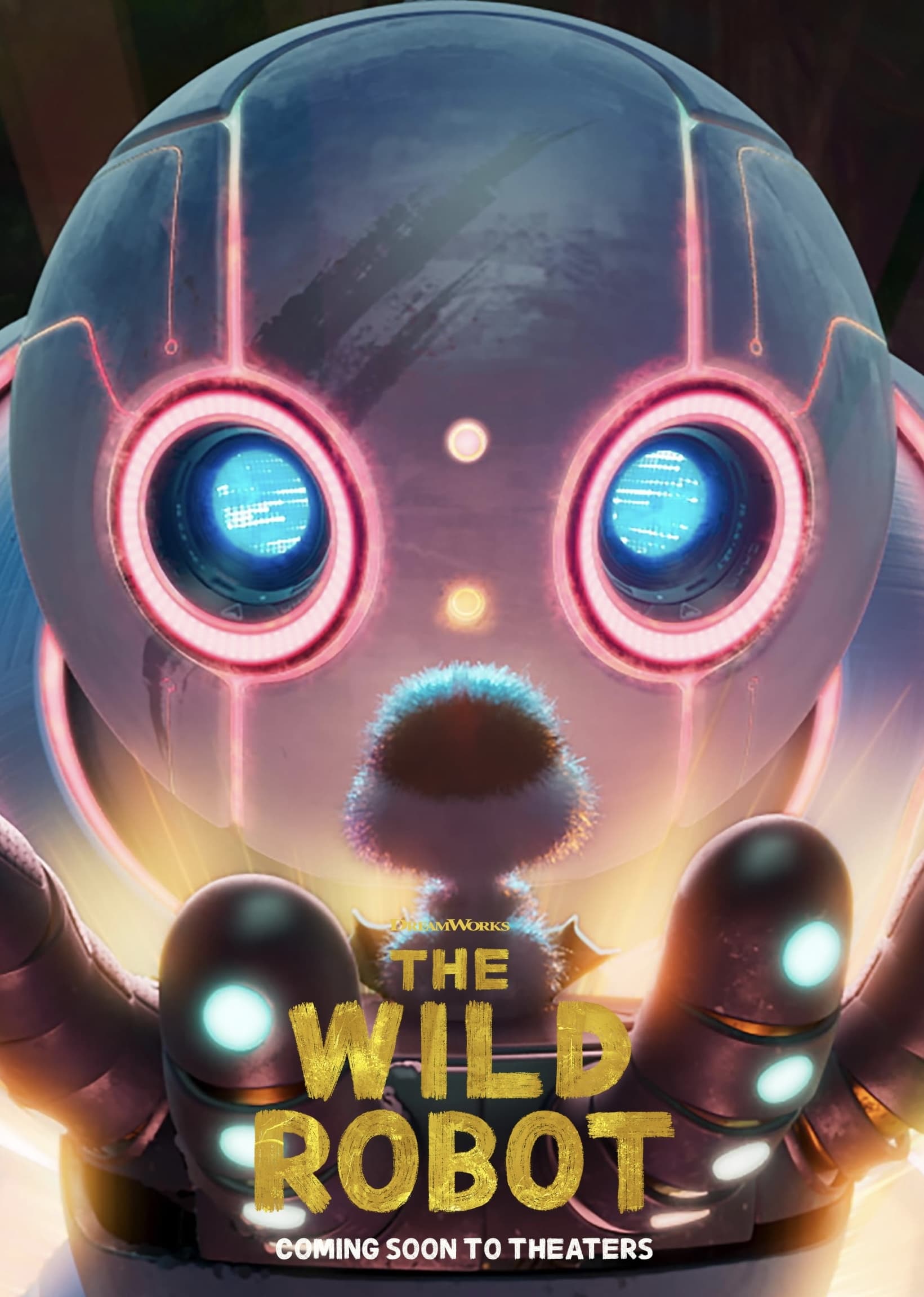
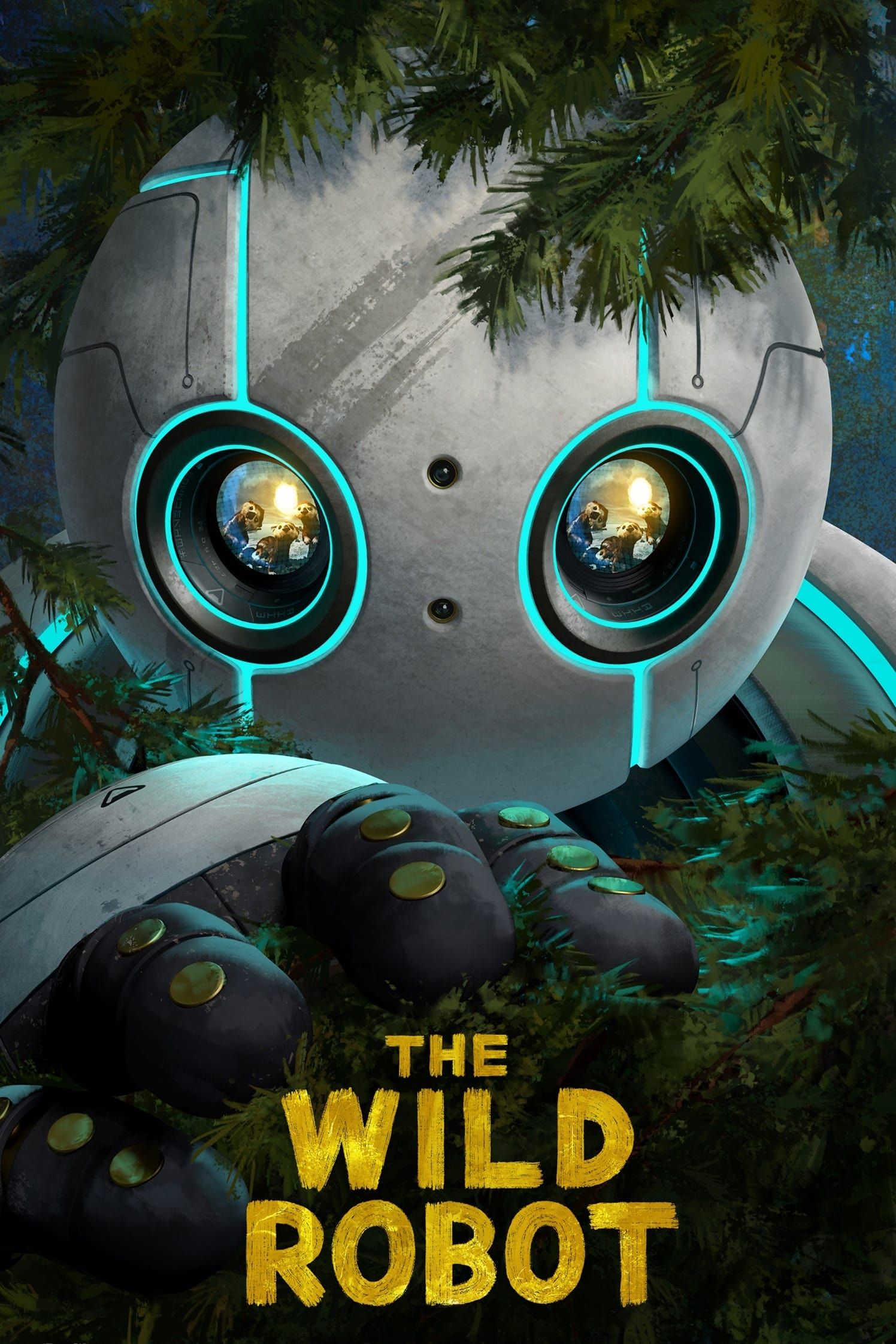
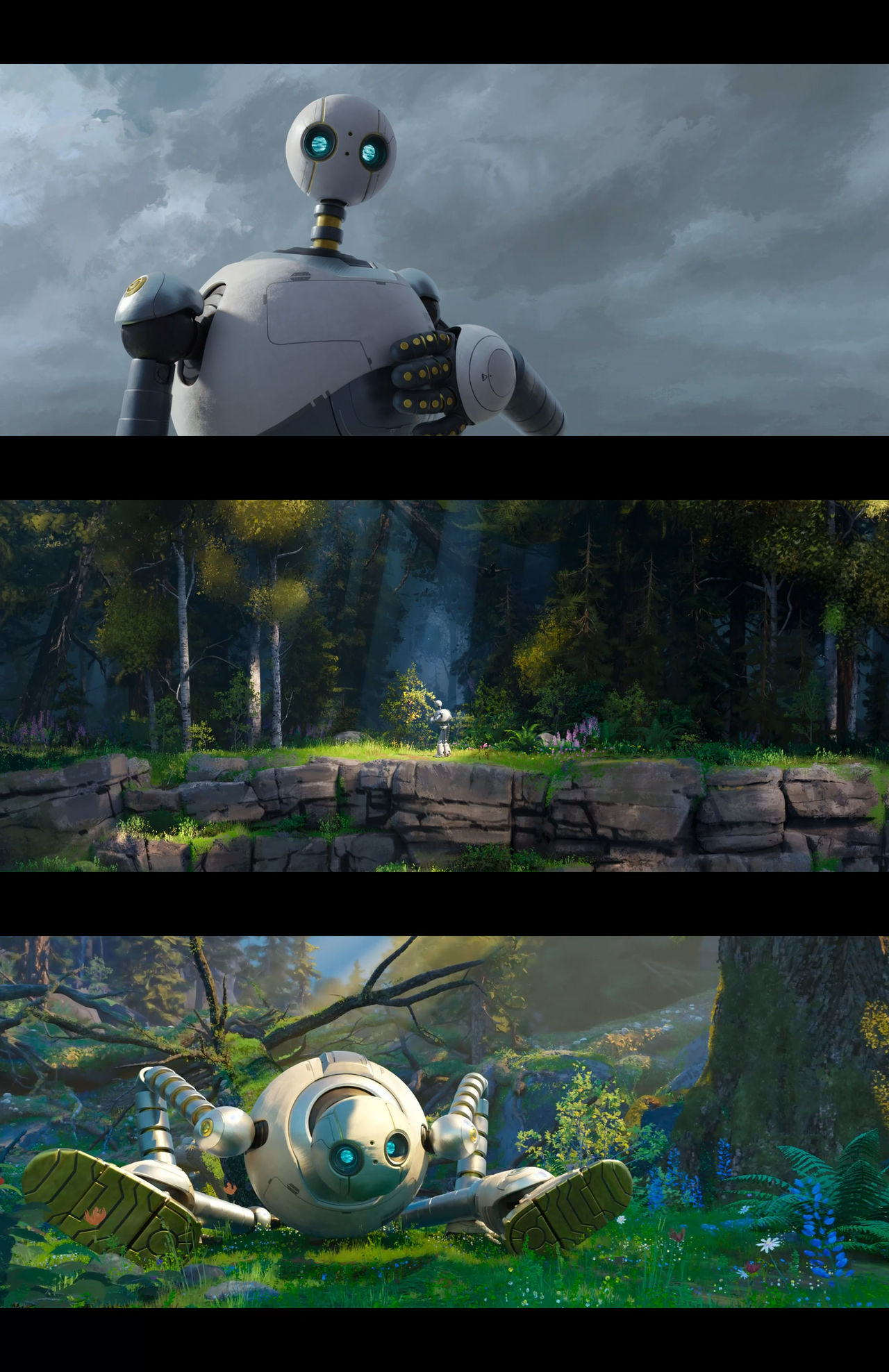
The 2024 film adaptation by DreamWorks, directed by Chris Sanders, brought a visual dimension to the "autonomous narrative" that the books could only describe. By 2026, the film has become a benchmark for how animation can represent the "soul" of a machine. The visual design of Roz in the film—moving from a stiff, mechanical gait to a fluid, animalistic style of movement—serves as a physical manifestation of her autonomy.
In the film, the use of color and texture reflects her internal state. Initially, Roz is a stark, metallic white, clashing with the vibrant greens and browns of the forest. As she becomes "The Wild Robot," her casing becomes weathered, covered in moss and scratches, effectively "becoming" part of the landscape. This visual storytelling emphasizes that autonomy is not just a software update; it is a physical and historical process of being shaped by one's environment.
Furthermore, the 2026 perspective on this narrative highlights the voice performance (originally by Lupita Nyong'o), which transitioned from a clipped, Siri-like cadence to a voice filled with pauses, inflections, and warmth. This evolution in speech synthesis within the narrative provides a blueprint for how we perceive "humanness" in non-biological entities.
Philosophical Implications of Artificial Agency
The "autonomous narrative" of Roz challenges the traditional boundary between "the born" and "the made." Through her journey, the story asks several profound questions that remain relevant in 2026 as real-world AI continues to evolve:
- Can a machine have a purpose without a programmer? Roz proves that purpose can be found through environmental necessity and chosen relationships.
- Is sentience a threshold or a spectrum? The narrative suggests that sentience is not a "switch" that flips on, but a gradual accumulation of experiences and choices.
- What is the role of "failure" in autonomy? Roz often fails—she misinterprets animal social cues, her camouflage fails, and she cannot prevent the changing of the seasons. These failures are essential; they force her to innovate, which is the hallmark of an autonomous mind.
Roz’s narrative is also a meditation on death and legacy. Unlike a human, she could theoretically live forever with the right parts, yet she faces the mortality of her animal friends and the physical degradation of her own body. Her choice to protect the island, even at the cost of her own "health," signifies a transition from a survival-oriented machine to a value-oriented person.
Frequently Asked Questions
What does "autonomous narrative" mean in the context of The Wild Robot?
An autonomous narrative refers to a story where the protagonist’s growth is driven by their own internal choices and adaptations rather than external commands. In Roz's case, it highlights her transition from a programmed tool to a self-determined individual who defines her own purpose and social role.
How does Roz learn to speak to animals?
Roz learns through a process of long-term observation and pattern recognition. She records the sounds and behaviors of various species on the island, eventually realizing that they are communicating. By processing these patterns, she "cracks the code" and begins to mimic their vocalizations to interact with them.
Is Roz considered a "sentient" being by the end of the story?
Yes, within the framework of the narrative, Roz achieves a form of sentience. This is demonstrated by her ability to feel empathy, make choices that contradict her original programming (such as adopting Brightbill), and express a sense of self-identity that is separate from her designation as ROZZUM 7134.
Why is the setting of a "wild" island important for her development?
The island acts as a "pressure cooker" for evolution. Without humans to give her instructions or perform maintenance, Roz is forced to rely on her own processing power to solve unique problems. The "wild" environment provides the varied stimuli necessary for her learning algorithms to expand beyond their factory limits.
What is the significance of Roz’s name?
"Roz" is derived from her serial name, ROZZUM unit 7134. This is a nod to the word "Robot," which was first coined in Karel Čapek's 1920 play R.U.R. (Rossum's Universal Robots). By shortening her name to "Roz," she claims a personal identity while acknowledging her mechanical origins.
Practical Recommendation for Educators and Readers
For those analyzing "The Wild Robot" in 2026, it is recommended to view the narrative through the lens of AI Ethics and Environmentalism. Educators can use Roz’s journey to discuss how technology can coexist with nature rather than just dominating it. Readers should pay close attention to the moments where Roz experiences "friction" between her programming and her instincts, as these are the pivot points of her autonomous narrative. To fully appreciate the depth of the character, it is best to engage with both Peter Brown’s original trilogy and the DreamWorks cinematic adaptation, as each offers a different perspective on her physical and emotional evolution.
Image Gallery