Legacy of Robert Newhouse: Remembering the Dallas Cowboys Legend Who Died at 64
Robert Newhouse, the iconic Dallas Cowboys fullback known affectionately as "The House," died on July 22, 2014, at the age of 64. He passed away at the Mayo Clinic in Rochester, Minnesota, following a long battle with heart disease and...
Robert Newhouse, the iconic Dallas Cowboys fullback known affectionately as "The House," died on July 22, 2014, at the age of 64. He passed away at the Mayo Clinic in Rochester, Minnesota, following a long battle with heart disease and complications resulting from a stroke he suffered in 2010.
Contents
Robert Newhouse remains a foundational figure in the history of the Dallas Cowboys, representing the grit and versatility of the franchise's golden era in the 1970s. As of 2026, his contributions to the sport are still analyzed by historians and celebrated by fans who remember the "human bowling ball" who helped define the Cowboys’ offensive identity for over a decade. To understand the significance of his passing at 64, one must look at the immense physical and cultural impact he had on professional football.
The Physical Phenomenon: "The House" and His 44-Inch Thighs
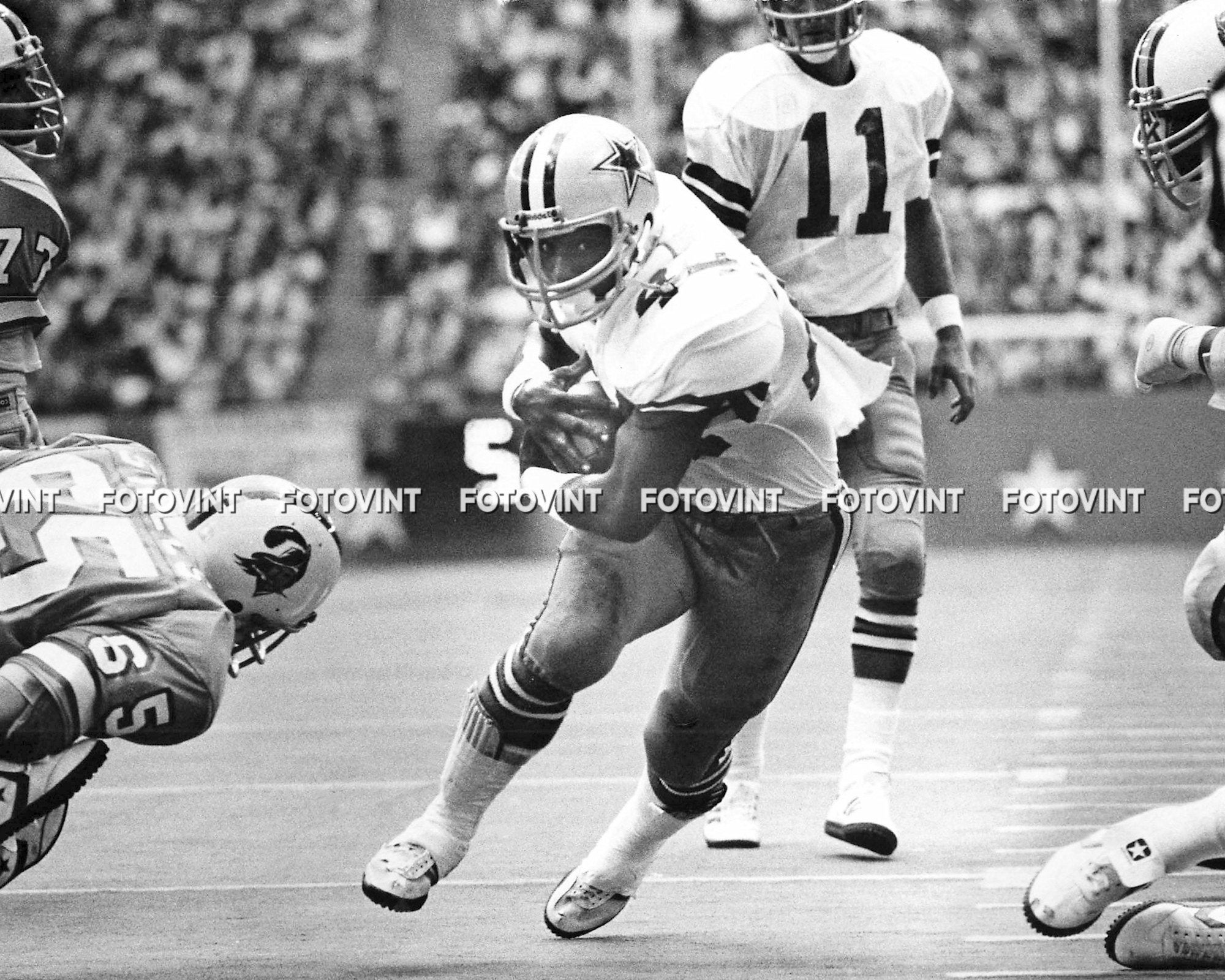
Robert Newhouse was not a typical NFL fullback, even by the standards of the 1970s. Standing 5 feet 10 inches tall and weighing approximately 210 pounds, his most famous physical attribute was his massive legs. Reports from the era consistently cited his thighs as measuring between 40 and 44 inches in circumference. This low center of gravity and immense lower-body strength earned him the nickname "The House."
His physical build allowed him to provide a unique tactical advantage for Coach Tom Landry’s complex "Flex" offense. Newhouse was notoriously difficult to bring down in one-on-one situations because defenders could not find a target low enough to tackle him effectively. This power was balanced by a surprising amount of speed and agility, making him a dual threat in an era when fullbacks were increasingly being relegated to pure blocking roles.
Engineering a Power Runner
The "Why" behind Newhouse's success lay in his ability to maintain momentum. In the 1970s, many defenses utilized head-on collisions to stop the run. Newhouse perfected a running style that involved "churning" his legs through contact, effectively moving the pile for an extra two or three yards on every carry. For a Dallas team that relied on precision and timing, Newhouse was the reliable engine that ensured the offense stayed "on schedule" regarding down-and-distance.
Collegiate Roots and the 1972 NFL Draft
Before becoming a cornerstone in Dallas, Newhouse was a standout at the University of Houston. During his time with the Cougars, he set several school records, including a 1,757-yard season in 1971. His performance at the collegiate level proved that he could handle a heavy workload, which made him a highly coveted prospect despite concerns about his height.
The Dallas Cowboys selected Newhouse in the second round of the 1972 NFL Draft. Joining a team that had recently won Super Bowl VI, Newhouse entered a locker room filled with future Hall of Famers like Roger Staubach and Bob Lilly. His integration into the team was seamless, as he quickly demonstrated a willingness to sacrifice personal statistics for the betterment of the collective unit—a trait that would define his 12-season career.
The Strategic Shift: From Lead Runner to Lead Blocker
One of the most remarkable aspects of Robert Newhouse’s career was his transition in 1977. For the first five years of his career, he was a primary ball carrier, leading the Cowboys in rushing in 1975 with 930 yards. However, the arrival of Heisman Trophy winner Tony Dorsett changed the team’s dynamic.
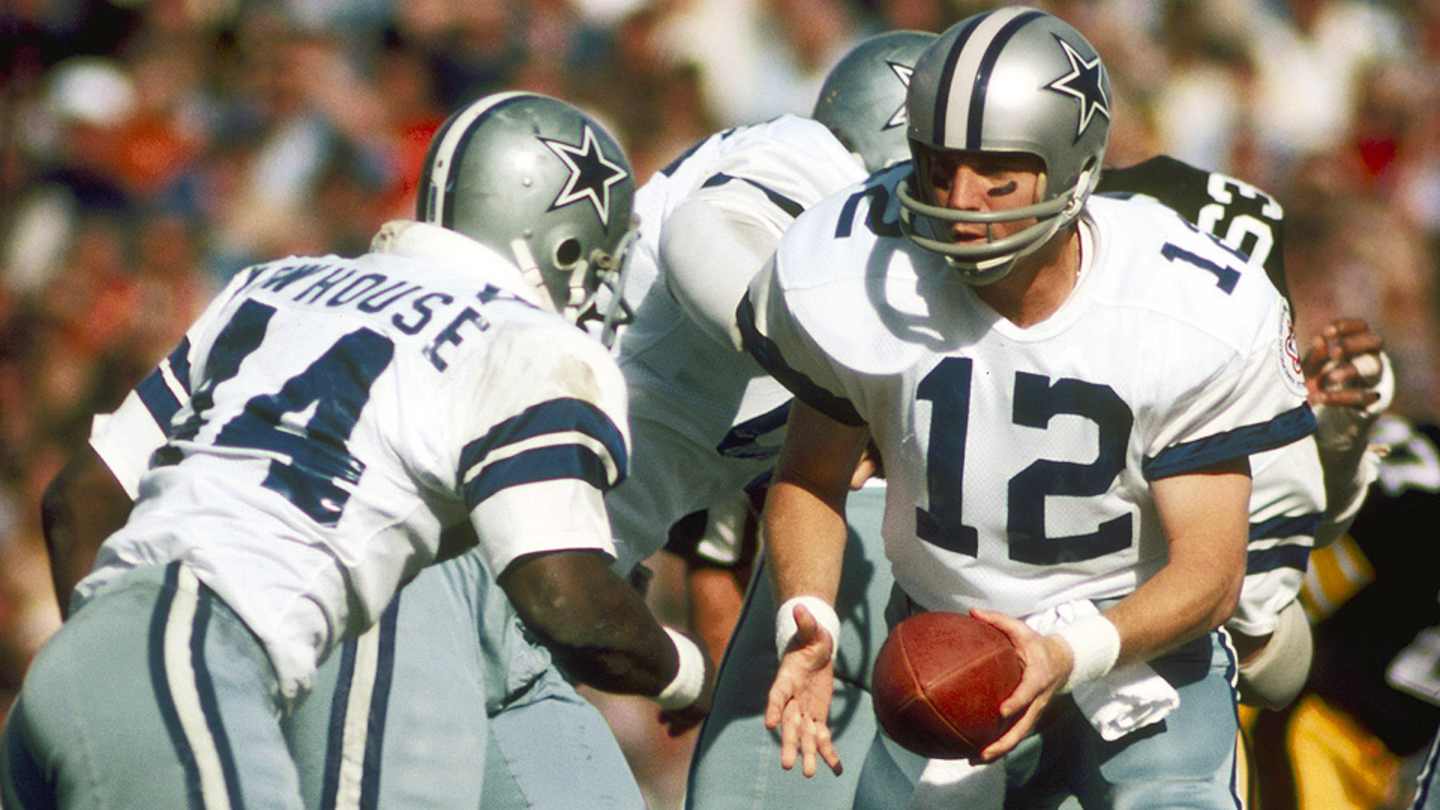
Rather than resisting the change, Newhouse embraced a role as Dorsett’s primary lead blocker. This transition is often cited by NFL analysts as a masterclass in professional selflessness. Newhouse’s ability to clear paths for the faster, more elusive Dorsett was a primary reason the Cowboys’ rushing attack remained dominant through the late 1970s and early 1980s.
The Dynamics of the Newhouse-Dorsett Duo
- Synergy: Newhouse’s power would wear down linebackers in the first half, making them slower to react when Dorsett hit the edge in the second half.
- Protection: Newhouse was an exceptional pass protector, providing Roger Staubach with the split-second necessary to find receivers like Drew Pearson.
- Versatility: Even while blocking, Newhouse remained a threat in the flat, often catching short passes to bail out the offense on third downs.
Iconic Moments: The Super Bowl XII Pass
While he was known for his power, Newhouse’s most famous play involved his arm. In Super Bowl XII against the Denver Broncos, the Cowboys led 20–10 in the fourth quarter. In a classic Tom Landry "gadget" play, Newhouse took a handoff, ran to his left, and then pulled up to throw a deep pass.
He connected with receiver Golden Richards for a 29-yard touchdown. This play effectively sealed the victory for Dallas and made Newhouse the first running back in NFL history to throw a touchdown pass in a Super Bowl. This moment encapsulated the "Dallas Cowboys way" of the era: a blend of rigorous discipline and unexpected creativity.
Career Statistics and Achievement Overview
Newhouse’s longevity in the NFL was a testament to his conditioning and toughness. Playing 12 seasons for a single franchise was rare then and remains even rarer in the modern era.
| Category | Career Totals (1972–1983) |
|---|---|
| Games Played | 168 |
| Rushing Yards | 4,784 |
| Rushing Touchdowns | 31 |
| Receptions | 120 |
| Receiving Yards | 956 |
| Super Bowl Appearances | 3 (X, XII, XIII) |
| Super Bowl Wins | 1 (XII) |
Health Challenges and the Stroke of 2010
After retiring from football in 1983, Newhouse remained active in the Dallas community and worked in the Cowboys’ front office for several years. However, his later life was marked by significant health struggles. In 2010, Newhouse suffered a massive stroke that significantly impaired his mobility and required years of intensive physical therapy.
The stroke was a turning point for the Newhouse family. Despite the physical limitations, his family reported that he maintained the same resilient spirit he showed on the football field. He spent his final four years battling the aftereffects of the stroke while also managing chronic heart disease. His death at age 64 served as a sobering reminder of the physical toll that professional sports can take on the human body, particularly for players who played during the high-impact era of the 1970s.
The Newhouse Family Athletic Legacy
The name Newhouse did not disappear from the sports world after Robert’s retirement. His children continued the family's athletic tradition, demonstrating the same work ethic that Robert was known for.
- Reggie Newhouse: Following in his father’s footsteps, Reggie played wide receiver for the University of Baylor and later spent time in the NFL with the Arizona Cardinals.
- Roddrick Newhouse: Pursued a career in sports management and representation, ensuring the family stayed connected to the business of football.
- Dawnyel and Shawntel Newhouse: Both daughters remained active in the Dallas area, upholding the family’s commitment to community service.
The Legacy of "The House" in 2026
In the year 2026, Robert Newhouse is remembered as the quintessential "glue player." In an era of superstars and "America’s Team" glamour, he was the humble workhorse who made the stars shine brighter. He is often discussed in conversations regarding the "Ring of Honor," with fans advocating for his inclusion based not just on stats, but on his role as the backbone of the Cowboys' legendary success.
His passing at 64 sparked broader conversations about the long-term health of NFL veterans. Organizations like the Gridiron Greats Assistance Fund and various alumni chapters have used the stories of players like Newhouse to push for better post-career medical support and screenings for cardiovascular health.
Frequently Asked Questions
What was the official cause of Robert Newhouse's death?
Robert Newhouse died from complications of heart disease. He had been in declining health for several years following a major stroke in 2010. He passed away at the Mayo Clinic, where he was receiving specialized care for his heart condition.
How big were Robert Newhouse's thighs?
Robert Newhouse was legendary for his massive legs. During his playing days, his thighs were measured at 44 inches in circumference. This unique physique contributed to his "low-center-of-gravity" running style and earned him the nickname "The House."
Did Robert Newhouse ever win a Super Bowl?
Yes, Robert Newhouse was a member of the Dallas Cowboys team that won Super Bowl XII by defeating the Denver Broncos 27–10. He played a pivotal role in that game, throwing a 29-yard touchdown pass to Golden Richards.
Which college did Robert Newhouse attend?
Newhouse attended the University of Houston, where he was a star running back for the Cougars. He remains one of the most productive rushers in the school's history and was inducted into the University of Houston Athletics Hall of Honor.
How many seasons did Newhouse play for the Dallas Cowboys?
Robert Newhouse played his entire 12-year NFL career with the Dallas Cowboys, spanning from 1972 to 1983. This longevity is highly respected in franchise history, as he bridged the gap between the Cowboys' early success and the era of the early 1980s.
Final Recommendation for Fans and Historians
To truly honor the legacy of Robert Newhouse, fans should look beyond the highlight reels. Studying the game film of the 1977 and 1978 seasons provides a masterclass in lead blocking and offensive selflessness. For those interested in the history of the Dallas Cowboys, visiting the team’s official archives or the Texas Sports Hall of Fame offers a deeper look at how Newhouse's physical presence changed the way the fullback position was played. Additionally, his story serves as a vital reminder for former athletes to prioritize cardiovascular screenings and neurological health as they age.
Image Gallery