Understanding Epicurean Skin Care for Natural Beauty: A Guide to Balance, Enzymes, and Radiant Skin
Epicurean skin care is a holistic skincare approach that combines metabolic enzyme technology, plant-derived antioxidants, and mindful self-care to enhance the skin’s natural radiance. Grounded in the philosophy of balance and sensory...
Epicurean skin care is a holistic skincare approach that combines metabolic enzyme technology, plant-derived antioxidants, and mindful self-care to enhance the skin’s natural radiance. Grounded in the philosophy of balance and sensory well-being, it prioritizes skin barrier integrity, deep cellular hydration, and gentle rejuvenation over aggressive chemical treatments.
Contents
What Is Epicurean Skin Care?
The term Epicurean skin care draws inspiration from the ancient philosophy of Epicurus, which emphasizes balance, sensory appreciation, and the avoidance of physical pain or disturbance. In modern esthetics and cosmetics, this philosophy translates into a skincare methodology focused on working in harmony with the skin's natural biology rather than stripping or traumatizing it.
Rather than relying on harsh chemical peels, abrasive scrubs, or invasive procedures that disrupt the stratum corneum (the outermost layer of the skin), Epicurean skin care emphasizes metabolic stimulation and enzymatic restoration. It utilizes protein-enzyme complexes, essential vitamins, and botanical oils to encourage the skin to renew, hydrate, and repair itself naturally.
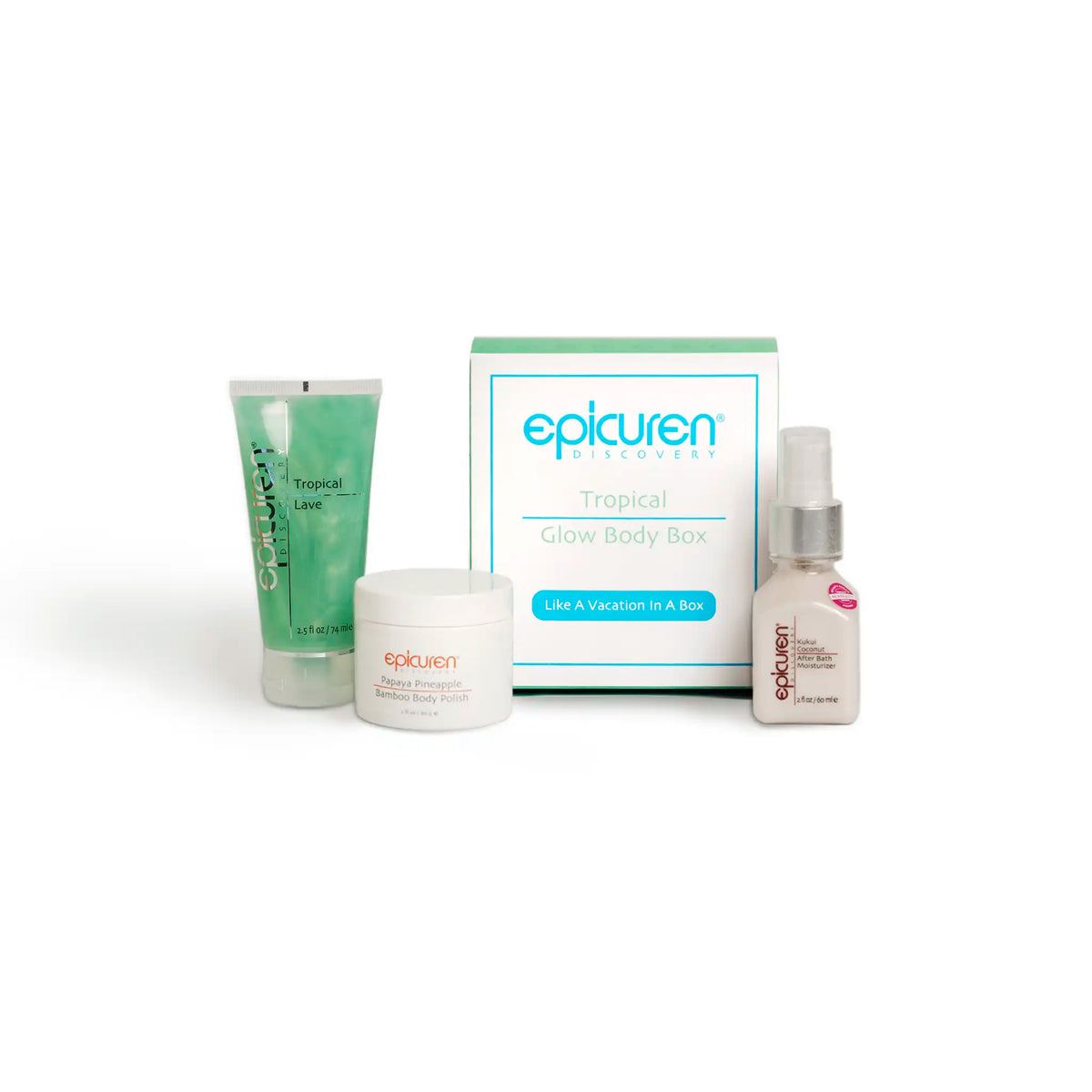
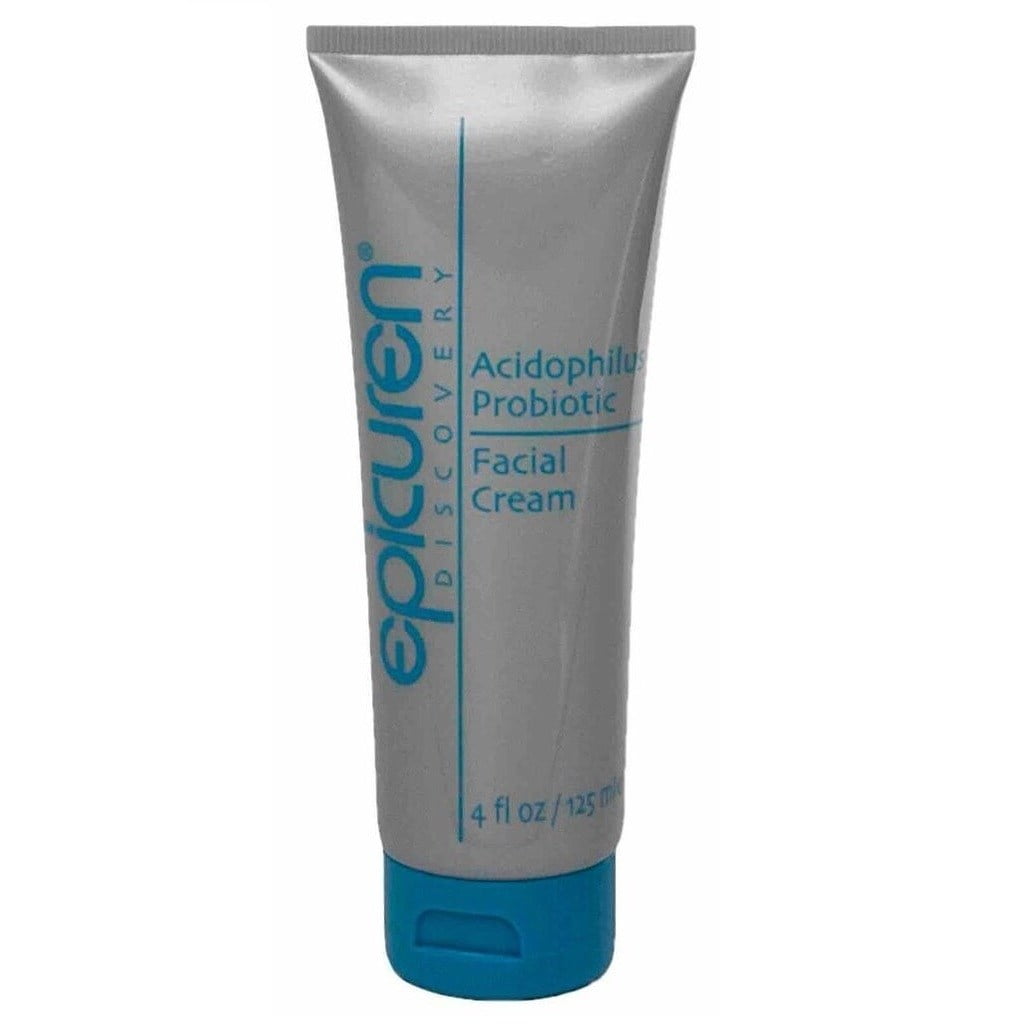
Historically pioneered by professional skincare lines such as Epicuren Discovery in the late 20th century, the core concept centers on the use of an enzyme protein complex—often referred to as Metadermabolic enzyme technology. This technology mimics the natural metabolic signals of youthful skin, helping cells utilize oxygen and nutrients more efficiently. Today, understanding Epicurean skin care involves recognizing both its philosophical emphasis on restorative self-care and its scientific focus on supporting cellular metabolism.
Core Principles of Epicurean Skin Care
To achieve long-lasting natural beauty, Epicurean skin care adheres to four fundamental principles that differentiate it from standard cosmetic regimens.
- Cellular Metadermabolic Support (Enzyme-driven vitality)
- Barrier Integrity Maintenance (Preserving lipid balance)
- Nutrient-Rich Botanical Shielding (Antioxidants & omegas)
- Mindful Sensory Self-Care (Stress-reducing routine)
1. Cellular Metadermabolic Support
At the heart of the Epicurean approach is the belief that skin cells perform best when provided with the exact metabolic building blocks they need. Protein-enzyme complexes, rich in B vitamins, water-soluble proteins, and trace minerals, stimulate cellular respiration. This gentle stimulation encourages natural collagen production, elasticity, and cell turnover without triggering inflammatory cascades.
2. Preserving Stratum Corneum Integrity
Conventional beauty treatments often rely on severe exfoliation or aggressive acids to force rapid skin cell shedding. While this yields immediate smoothness, it can compromise the skin moisture barrier, leading to transepidermal water loss (TEWL), heightened sensitivity, and premature aging. Epicurean skin care prioritizes maintaining the lipid matrix—ceramides, fatty acids, and cholesterol—ensuring the barrier remains intact while dead surface cells are dissolved naturally by enzymes.
3. Nutrient-Rich Botanical Nourishment
Natural beauty relies on systemic skin health. Epicurean formulations draw heavily on botanical extracts, cold-pressed seed oils, and plant hydrosols. Ingredients such as jojoba oil, macadamia seed oil, green tea extract, and aloe vera supply essential fatty acids and antioxidants. These compounds neutralize environmental free radicals produced by ultraviolet (UV) radiation and atmospheric pollution.
4. Mindful, Sensory Self-Care
Epicureanism celebrates tactile pleasure and stress reduction. Cortisol and other stress hormones impair wound healing and accelerate collagen degradation. By turning daily skincare into an intentional, aromatherapeutic ritual, the Epicurean approach promotes relaxation, supporting dermatological health from the inside out.
Key Ingredients in Epicurean Skincare Formulations
Understanding the chemical building blocks used in Epicurean formulations helps consumers make informed decisions for their specific skin types.
| Ingredient Category | Key Compounds | Primary Skin Benefit |
|---|---|---|
| Protein-Enzymes | Metadermabolic Enzyme Complex, Papain, Bromelain | Stimulates metabolic renewal and gently dissolves dead surface proteins |
| Botanical Lipids | Jojoba Oil, Kukui Nut Oil, Macadamia Seed Oil | Restores skin barrier, prevents transepidermal water loss (TEWL) |
| Antioxidants | Tocopherol (Vit E), L-Ascorbic Acid (Vit C), Green Tea Catechins | Neutralizes free radicals and protects extracellular matrix |
| Deep Hydrators | Sodium Hyaluronate, Aloe Vera Leaf Juice, Glycerin | Binds water molecules within the epidermis for lasting plumpness |
Protein-Enzyme Complexes
Enzymes such as papain (derived from papaya), bromelain (derived from pineapple), and proprietary metabolic enzyme blends break down peptide bonds in dead keratinized cells on the skin surface. Unlike alpha-hydroxy acids (AHAs) like glycolic acid, which lower skin pH significantly, enzymes operate within a neutral pH range, providing gentle exfoliation suitable even for reactive or rosacea-prone skin.
Botanical Oils and Emollients
Plant oils rich in linoleic and oleic acids mimic the sebum naturally produced by human sebaceous glands.
- Jojoba Oil: Structurally similar to human sebum, making it ideal for balancing oily and acne-prone skin.
- Kukui Nut and Macadamia Oils: Packed with essential fatty acids (EFAs) that nourish dry, compromised, or mature skin barriers.
Hydrators and Humectants
Hyaluronic acid (sodium hyaluronate) can hold up to 1,000 times its weight in water, drawing moisture into the stratum corneum. Paired with aloe vera leaf juice and vegetable glycerin, these humectants keep skin plump and smooth, reducing the visibility of fine dehydration lines.
Building a Daily Epicurean Skin Care Routine
To harness the benefits of Epicurean skin care, follow a step-by-step daily routine designed to clean, invigorate, feed, and protect the skin.
Morning & Evening Routine Flow
- Step 1: Gentle Cleansing
- Step 2: Enzyme Activation / Hydrosol Toning
- Step 3: Targeted Nourishing Serums
- Step 4: Moisture Barrier Locking (Emollient/Cream)
- Step 5: Broad-Spectrum Sunscreen (Morning Only)
Step 1: Gentle Cleansing
Begin with a non-stripping, pH-balanced cleanser. Avoid harsh sulfates (such as sodium lauryl sulfate) that strip skin lipids. Apply gel or oil-based cleansers using warm water, gently massaging in circular motions to lift impurities without disrupting natural oil production.
Step 2: Enzyme Activation and Toning
After cleansing, apply an enzyme-rich mist or protein hydrosol toner. This restores optimal skin pH and preps the epidermal surface to absorb active nutrients. Mists containing aloe vera, green tea, or enzyme concentrates help activate natural cellular processes.
Step 3: Targeted Serum Application
Apply water-based or enzyme-dense serums directly to clean, toned skin. Press—do not rub—the serum into the face, neck, and décolletage. Serums containing Vitamin C, niacinamide, or specialized metabolic complexes penetrate deeply to stimulate collagen synthesis and brighten hyperpigmentation.
Step 4: Moisture Barrier Locking
Lock in hydration with an emollient moisturizer tailored to your skin type:
- For Combination/Oily Skin: Choose a light enzyme lotion rich in jojoba oil and hyaluronic acid.
- For Dry/Mature Skin: Select a richer cream infused with macadamia oil, shea butter, and vitamin E to prevent moisture evaporation throughout the day.
Step 5: Solar Protection (Morning Only)
Protect natural skin health by applying a broad-spectrum sunscreen with SPF 30 or higher every morning. Mineral sunscreens utilizing non-nano zinc oxide or titanium dioxide offer physical defense against UVA/UVB rays without introducing heat or chemicals that cause skin sensitivity.
Epicurean Skincare vs. Conventional Skincare
Understanding how Epicurean skin care compares to traditional clinical treatments helps consumers make realistic choices for their aesthetic goals.
| Feature | Epicurean Skin Care | Conventional Clinical Skincare |
|---|---|---|
| Primary Mechanism | Enzyme renewal & barrier support | High-percentage chemical acids, retinoids, & resurfacing peels |
| Exfoliation Type | Enzymatic digestion (Neutral pH) | Chemical dissolution / Abrasion |
| Sensitivity & Downtime | Minimal to zero redness/peeling | Potential inflammation, flaking, and sun sensitivity |
| Skin Barrier Impact | Strengthens lipid matrix | Temporarily strips lipid barrier |
| Long-Term Focus | Sustained radiance & vitality | Rapid turnaround / Quick fixes |
While synthetic peels and strong retinoids produce rapid surface shedding, they frequently cause inflammation, redness, and sensitivity if used incorrectly. The Epicurean model takes a long-term approach: by delivering metabolic nutrients and gentle enzymes over time, the skin achieves sustained health, improved elasticity, and a natural glow without inflammation.
Common Mistakes to Avoid
- Over-Exfoliating with Conflicting Actives: Combining enzymatic treatments with high-strength glycolic, salicylic, or retinoic acids can over-process the skin, causing severe barrier compromise. Keep chemical exfoliants to a minimum when using an enzyme-centered routine.
- Expecting Overnight Synthetic Results: Because Epicurean skin care works with the skin's natural cell renewal cycle (typically 28 to 40 days), visible improvements in texture and tone require consistent application over several weeks rather than instant chemical resurfacing.
- Skipping Sun Protection: Natural and enzyme-treated skin remains vulnerable to UV-induced photoaging. Always pair enzymatic routines with daily broad-spectrum sunscreen.
- Neglecting the Neck and Décolletage: The skin on the neck and chest is thin and prone to early collagen depletion. Extend all enzyme toners, serums, and creams down to the upper chest area.
Frequently Asked Questions
Is Epicurean skin care suitable for sensitive skin?
Yes. Because Epicurean skin care relies on enzyme-based renewal and skin-barrier strengthening rather than harsh acids or physical abrasives, it is generally well-tolerated by sensitive, reactive, or rosacea-prone skin. Always perform a patch test when introducing new botanical formulas.
How do enzyme exfoliants differ from AHA or BHA chemical exfoliants?
Enzymes work specifically by digesting dead keratin proteins on the outermost layer of the skin without lowering skin pH or altering deeper living tissue. Alpha and beta hydroxy acids (AHAs/BHAs) dissolve intercellular lipid "glue" at a lower, acidic pH, which can cause stinging, flaking, or irritation if overused.
Can an Epicurean routine help reduce fine lines and signs of aging?
Yes. Epicurean formulations utilize protein-enzyme complexes, antioxidants, and intense hydrators that support natural skin cell metabolism and collagen preservation. Regular use improves elasticity, restores hydration, and smooths fine lines associated with premature aging.
How quickly will I see results from an Epicurean skincare routine?
Initial hydration, softness, and skin clarity are often noticeable within 1 to 2 weeks. Significant improvements in skin texture, tone, and firm appearance usually manifest after 4 to 6 weeks, aligning with the natural biological cycle of epidermal renewal.
Are Epicurean skin care products eco-friendly and cruelty-free?
Most skincare lines embracing Epicurean principles prioritize ethically sourced botanical extracts, cruelty-free testing standards, and recyclable packaging. Check individual product labels or manufacturer certifications to confirm specific sourcing practices.
Next Steps for Radiant, Natural Skin
To begin your Epicurean skin care journey, evaluate your current skin condition and identify any signs of moisture barrier depletion, such as tightness, redness, or excess flaking.
Start by introducing a gentle cleanser, an enzyme-based toner or mist, and a barrier-restoring moisturizer rich in natural plant oils into your morning and evening routines. Once your skin adjusts and demonstrates optimal hydration, integrate targeted protein serums to boost metabolic vitality. For persistent skin concerns, consult a licensed esthetician trained in professional enzyme therapy to design a tailored regimen.
Image Gallery