Why You Should Hire a Licensed Mold Remediation Contractor in Fairfax
Hiring a licensed mold remediation contractor in Fairfax ensures that fungal growth is addressed safely, thoroughly, and in compliance with local environmental standards, protecting both your property's structural integrity and the hea...
Hiring a licensed mold remediation contractor in Fairfax ensures that fungal growth is addressed safely, thoroughly, and in compliance with local environmental standards, protecting both your property's structural integrity and the health of its occupants.
Contents
Managing a mold problem in a residential or commercial property is rarely as simple as wiping down a visible surface with bleach or household detergent. Mold is a living organism that spreads through microscopic spores, often colonizing hidden cavities behind drywall, beneath flooring, and inside HVAC ductwork. In Fairfax, Virginia, regional humidity patterns and seasonal weather changes create an environment where moisture control can occasionally become challenging. When moisture intrusion leads to fungal outbreaks, property owners face a critical decision: attempt a DIY cleanup or bring in a credentialed professional. Opting for a licensed mold remediation contractor provides distinct technical, legal, and health-related advantages that uncertified handymen or DIY methods simply cannot match.
Understanding Mold Dynamics and Health Risks in Fairfax Properties
Mold does not merely discolor walls or produce a musty odor; it actively degrades organic building materials while releasing spores and mycotoxins into the indoor air. In Fairfax, properties ranging from historic homes in older neighborhoods to modern townhouses and suburban construction all share vulnerabilities to humidity and water leaks.
When relative indoor humidity rises above 60 percent, or when plumbing leaks go unnoticed for days, mold colonies can establish themselves within 24 to 48 hours. Exposure to these colonies—particularly species like Stachybotrys chartarum (often called black mold) or Aspergillus—can trigger adverse health effects. Common reactions among building occupants include nasal congestion, throat irritation, coughing, skin rashes, and severe exacerbations for individuals with asthma or compromised immune systems.
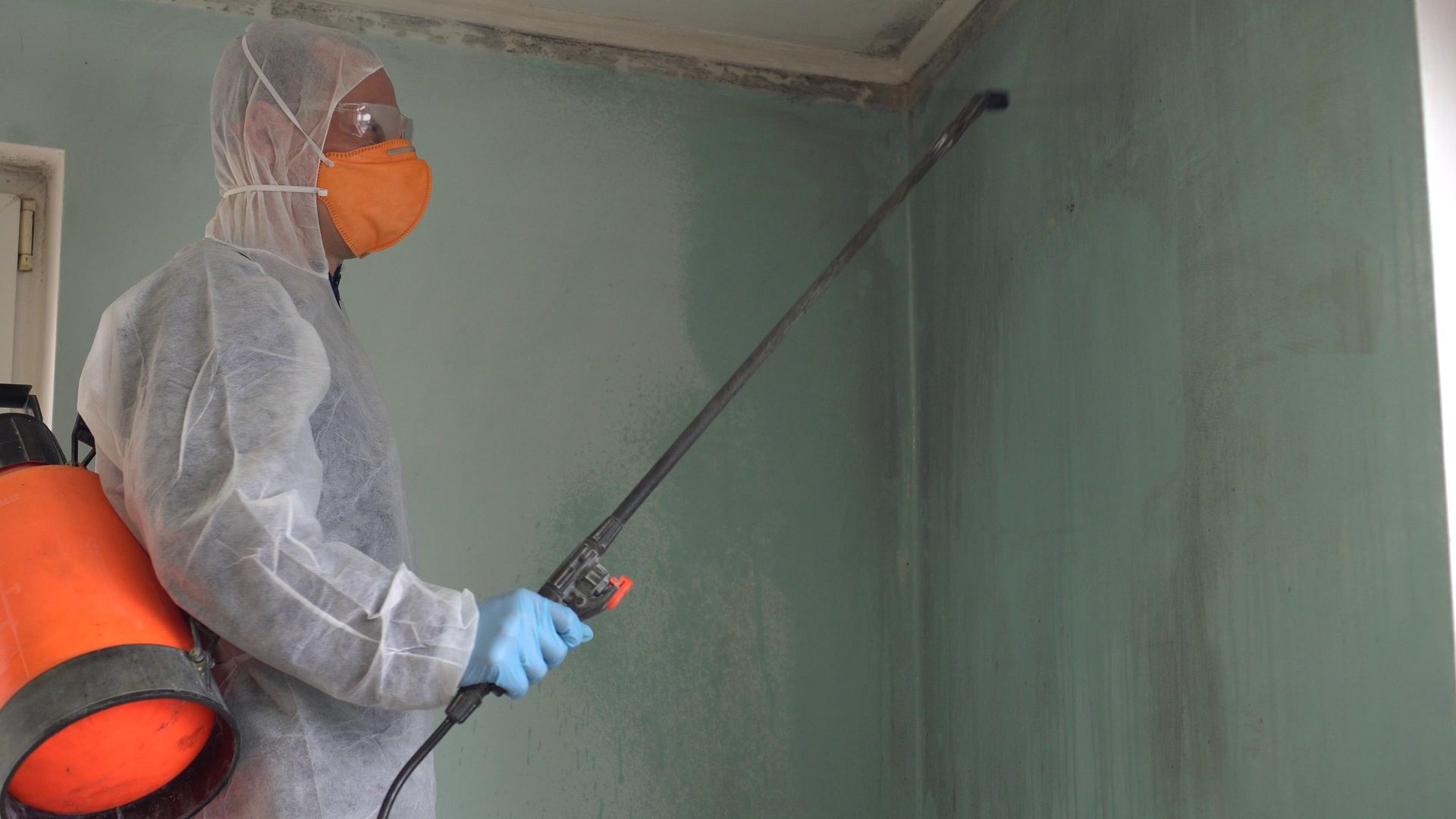
Attempting to clean extensive mold without professional containment often exacerbates the problem. Scrubbing a dry, contaminated surface aerosolizes millions of spores, causing them to drift through the HVAC system and settle in previously unaffected rooms. A licensed remediation specialist understands spore dynamics, utilizing negative air pressure and physical barriers to ensure that contamination remains strictly isolated during the cleaning process.
The Regulatory Landscape and Licensing in Virginia
One of the most compelling reasons to hire a professional contractor is navigating the regulatory and licensing framework governing environmental hazards. While the Commonwealth of Virginia does not issue a specific statewide "mold remediation license" through a single dedicated board, legitimate contractors maintain essential commercial credentials, specialized certifications, and rigorous training that establish their competency.
Trustworthy remediation firms typically hold certifications from recognized industry bodies such as the Institute of Inspection Cleaning and Restoration Certification (IICRC)—specifically the Applied Microbial Remediation Technician (AMRT) designation—or the National Organization of Remediators and Mold Inspectors (NORMI). Furthermore, commercial contractors operating in Fairfax must carry proper business licenses, general liability insurance, and pollution liability coverage.
Unlicensed operators often lack this specialized insurance. Standard general liability policies frequently exclude pollution or mold-related claims. If an uninsured or improperly licensed worker causes structural damage or spreads contamination throughout your property, you may be held financially liable for the remediation costs and subsequent property devaluation. Working with a verified professional shields you from these severe financial risks.
The Standardized Mold Remediation Process
Licensed contractors do not rely on guesswork; they adhere to established industry protocols, such as the ANSI/IICRC S520 Standard for Professional Mold Remediation. This structured methodology ensures that every phase of the project is executed systematically.
- Mold Remediation Workflow
- Initial Assessment & Moisture Source Identification
- Containment Setup (Negative Air Pressure & Poly)
- Air Filtration (HEPA Scrubbers)
- Removal, Discarding, & HEPA Vacuuming
- Antimicrobial Treatment & Drying
- Post-Remediation Verification (Clearance Testing)
1. Assessment and Protocol Development
Before touching a single square foot of mold, a qualified contractor identifies the root cause of the moisture. Without fixing the underlying leak, condensation issue, or structural defect, mold will inevitably return. Many professional firms coordinate with independent, third-party indoor environmental professionals (IEPs) to conduct pre-remediation testing and draft an explicit remediation protocol.
2. Containment and Engineering Controls
To prevent cross-contamination, technicians seal off the affected work areas using heavy-duty polyethylene sheeting and construct negative air containment chambers using HEPA-filtered exhaust fans. This ensures that air flows into the containment zone rather than escaping into clean living spaces.
3. Air Filtration and Source Removal
High-Efficiency Particulate Air (HEPA) scrubbers run continuously inside the containment area to capture airborne spores. Porous materials heavily infested with mold, such as drywall and insulation, are safely bagged and discarded. Semi-porous and non-porous items are treated with specialized antimicrobial solutions and mechanically cleaned.
4. Verification and Clearance
A critical distinction of licensed remediation is the emphasis on post-remediation verification. Independent testing confirms that spore counts inside the remediated area have returned to normal, habitable baseline levels before containment barriers are removed.
Comparing DIY Remediation Versus Hiring Licensed Professionals
Property owners frequently weigh the upfront cost of professional remediation against purchasing hardware store cleaning supplies. Analyzing the practical differences highlights why professional intervention is a worthwhile investment.
| Feature / Factor | DIY Mold Cleanup | Licensed Contractor |
|---|---|---|
| Safety Gear & PPE | Basic dust masks; often inadequate for toxic spores. | Full-face respirators, Tyvek suits, and professional PPE. |
| Containment | Rare; cleaning often spreads spores to other rooms. | Rigorous negative air pressure and physical barriers. |
| Equipment | Household rags, consumer vacuums, bleach sprays. | HEPA scrubbers, industrial dehumidifiers, commercial media blasters. |
| Root Cause Analysis | Usually limited to surface cleaning. | Comprehensive moisture mapping and structural inspection. |
| Insurance & Warranty | None; homeowner assumes all liability and risk. | Bonded, insured, and often includes a service warranty. |
| Real Estate Impact | No official paperwork for future home buyers. | Documentation and clearance reports for property disclosures. |
Financial and Real Estate Implications in Fairfax
Fairfax real estate transactions involve rigorous home inspections, and mold is a major red flag for prospective buyers and mortgage lenders. If an unverified DIY cleanup was performed previously without proper documentation, it can complicate or derail a home sale.
When you hire a licensed contractor, you receive comprehensive paperwork detailing the scope of work, the protocols followed, and post-remediation clearance certificates. This documentation provides peace of mind to future buyers, real estate agents, and home inspectors, demonstrating that the property was restored according to professional standards.
Furthermore, insurance policies in Virginia have specific clauses regarding mold. While standard homeowners insurance rarely covers gradual mold damage resulting from deferred maintenance, it may cover mold resulting from sudden, accidental plumbing failures—provided the remediation is handled by certified professionals who can accurately isolate the peril.
Common Mistakes to Avoid When Dealing with Mold
Property owners navigating a mold discovery often make critical errors that exacerbate property damage and health risks. Avoiding these pitfalls ensures a smoother recovery process:
- Relying Solely on Bleach: Bleach is largely ineffective on porous surfaces like wood and drywall because the chlorine stays on the surface while water penetrates deep into the material, feeding the mold roots.
- Ignoring Hidden Leaks: Painting over mold or cleaning a wall without repairing a leaking pipe guarantees a recurring infestation within weeks.
- Failing to Use Containment: Scrubbing moldy surfaces without sealing the room disperses millions of spores into the ventilation system, contaminating previously clean areas of the home.
- Skipping Post-Testing: Assuming a job is complete just because a surface looks clean leaves occupants vulnerable to invisible, airborne mycotoxins.
Frequently Asked Questions
Does Virginia law require mold remediators to be licensed?
The Commonwealth of Virginia does not issue a specific, single-purpose "mold license" state-wide, but legitimate contractors must hold appropriate local business licenses, contractor classifications with the Virginia Department of Professional and Occupational Regulation (DPOR) depending on structural work, and specialized industry certifications such as IICRC-AMRT.
Can I handle mold myself if the affected area is small?
The U.S. Environmental Protection Agency (EPA) suggests that property owners can typically handle minor mold problems—generally areas less than 10 square feet—using appropriate personal protective equipment and cleaning supplies. However, any mold resulting from sewage backups, contaminated water, or areas exceeding 10 square feet should be referred to professionals.
Will my homeowners insurance cover mold remediation in Fairfax?
Insurance coverage depends entirely on the root cause of the moisture. If the mold stems from a sudden, covered event—such as a burst supply pipe—remediation may be covered. If it stems from chronic humidity, condensation, or deferred roof maintenance, insurance claims are typically denied.
How do I verify if a mold contractor is reputable?
Always ask to see copies of their industry certifications (such as IICRC or NORMI), proof of general liability insurance with pollution coverage, and references from recent local projects in Northern Virginia. A professional contractor will readily provide these credentials upon request.
How long does the professional mold remediation process take?
The timeline varies based on the extent of the infestation and the structural damage. Minor containment and removal projects may take two to three days, while extensive commercial or residential remediation involving structural drying and reconstruction can take a week or longer.
Next Steps for Property Owners
If you suspect or have confirmed mold growth in your Fairfax property, do not delay action. Contact a certified, insured mold remediation contractor to perform an on-site assessment and moisture mapping. Request a detailed, written estimate outlining containment procedures, removal methods, and clearance testing protocols. Taking swift, professional action safeguards your investment, preserves indoor air quality, and ensures a healthy environment for everyone inside your building.
Image Gallery