Xmas Beers for Holiday Cheer: A Comprehensive Guide to Seasonal Brews
Christmas beers, often referred to as Winter Warmers or Holiday Ales, are specialized seasonal brews designed to offer comfort and festive flavor during the cold months. Characterized by higher alcohol content, robust malt profiles, an...
Christmas beers, often referred to as Winter Warmers or Holiday Ales, are specialized seasonal brews designed to offer comfort and festive flavor during the cold months. Characterized by higher alcohol content, robust malt profiles, and frequent infusions of spices like cinnamon, nutmeg, and ginger, these beers are crafted to complement hearty holiday meals and celebrations.
Contents
The Cultural and Historical Evolution of Christmas Ales
The tradition of brewing specific beers for the winter solstice and later the Christmas season is rooted in centuries of European history. Long before the advent of modern refrigeration or global distribution, breweries and households alike would produce a "strong" ale to be consumed during the darkest days of the year. In Scandinavia, the "Yule" ale was a mandatory part of the festivities, often brewed with the finest grains saved from the harvest. These beers were historically significant because the higher alcohol content acted as a preservative and provided a warming sensation that was both psychological and physiological.
By the 19th and early 20th centuries, British and Belgian breweries began formalizing these traditions into commercial releases. In the United Kingdom, "Winter Warmers" became a staple—often dark, sweet, and minimally hopped to allow the malt to shine. In Belgium, the "Noël" or "Kerst" beers emerged as some of the most complex liquids in the world, utilizing unique yeast strains that produced fruity esters and spicy phenols. As we move through 2026, these traditions remain the backbone of the seasonal market, even as modern craft brewers experiment with increasingly avant-garde ingredients.
Defining the Profile: What Makes a Beer an "Xmas Beer"?
Unlike a Pilsner or a Stout, "Christmas Beer" is not a singular technical style defined by a rigid set of BJCP (Beer Judge Certification Program) guidelines. Instead, it is a thematic category that encompasses several substyles. However, most Xmas beers share a few common characteristics that differentiate them from year-round offerings.
Malt Seniority and Residual Sweetness
The foundation of a holiday ale is almost always its malt bill. Brewers typically use a variety of specialty malts, such as Caramel, Munich, or Chocolate malts, to create a deep amber to dark brown hue. These grains provide flavors of toasted bread, toffee, raisins, and plums. Because these beers are often "big" (high in original gravity), they frequently have a higher level of residual sugar, which gives the beer a full-bodied, velvety mouthfeel.
The Role of Spices and Adjuncts
The use of "Gruit" or spice blends is a hallmark of the holiday category. While the Reinheitsgebot (German Purity Law) strictly forbids anything but water, hops, malt, and yeast, many international brewers embrace spices to evoke the "holiday cheer" sentiment. Common additions include:
- Cinnamon and Nutmeg: Providing a woody, aromatic warmth.
- Ginger: Offering a sharp, spicy bite that cuts through heavy malts.
- Orange Peel: Adding a bright, citrusy acidity to balance the sweetness.
- Honey and Maple Syrup: Used to boost fermentable sugars and add distinct floral or earthy notes.
Elevated Alcohol by Volume (ABV)
Most Christmas beers range from 6.5% to 12% ABV. The higher alcohol content serves two purposes: it provides a "chest-warming" effect and allows the beer to stand up to the rich, fatty foods typically served at Christmas dinners, such as roasted goose, prime rib, or buttery pastries.
Iconic Styles and Regional Variations
Understanding the landscape of Xmas beers requires a look at the regional powerhouses that define the genre. In 2026, the global market sees a blend of "old world" traditionalism and "new world" experimentation.
Belgian Strong Dark Ales (Noël Ales)
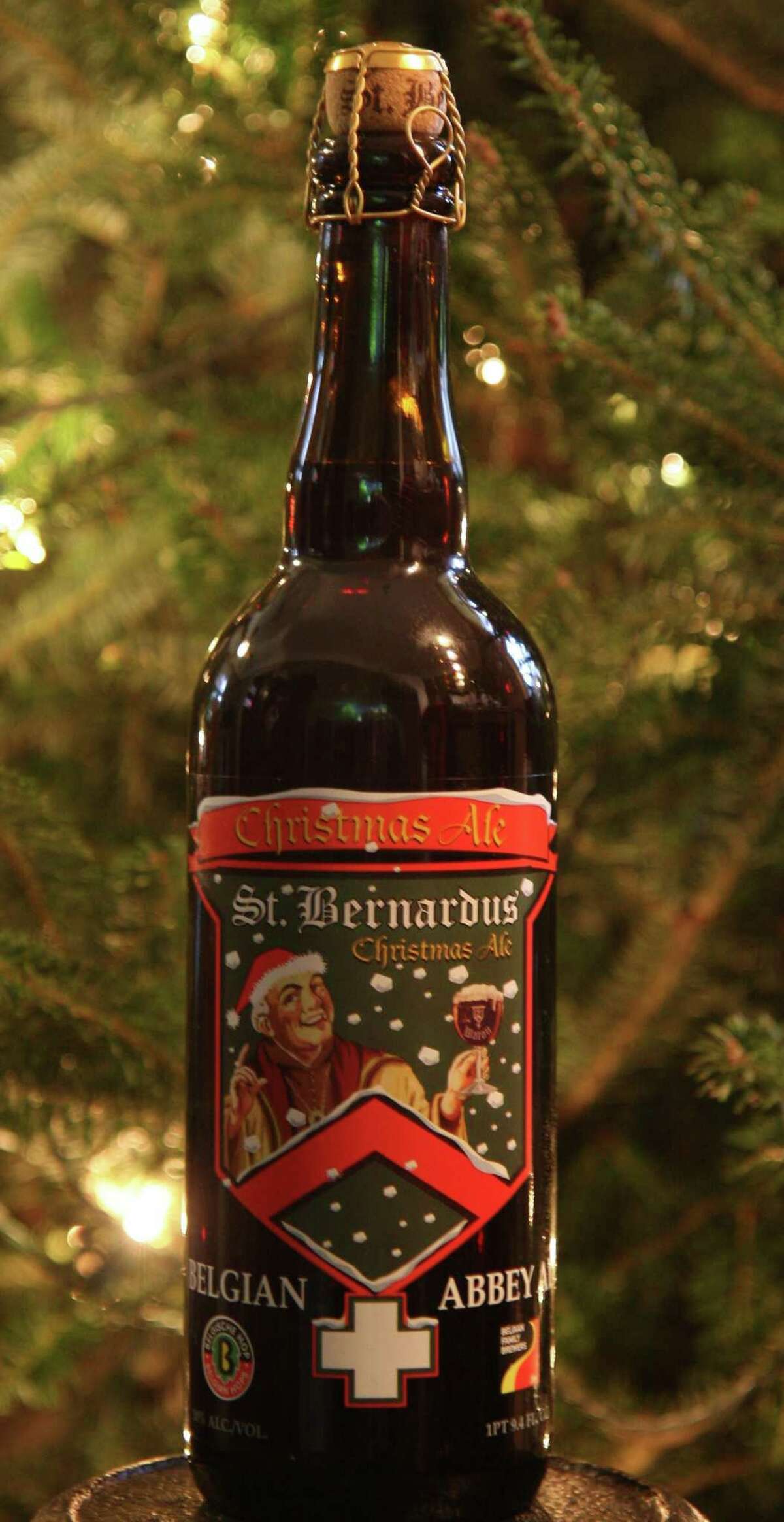
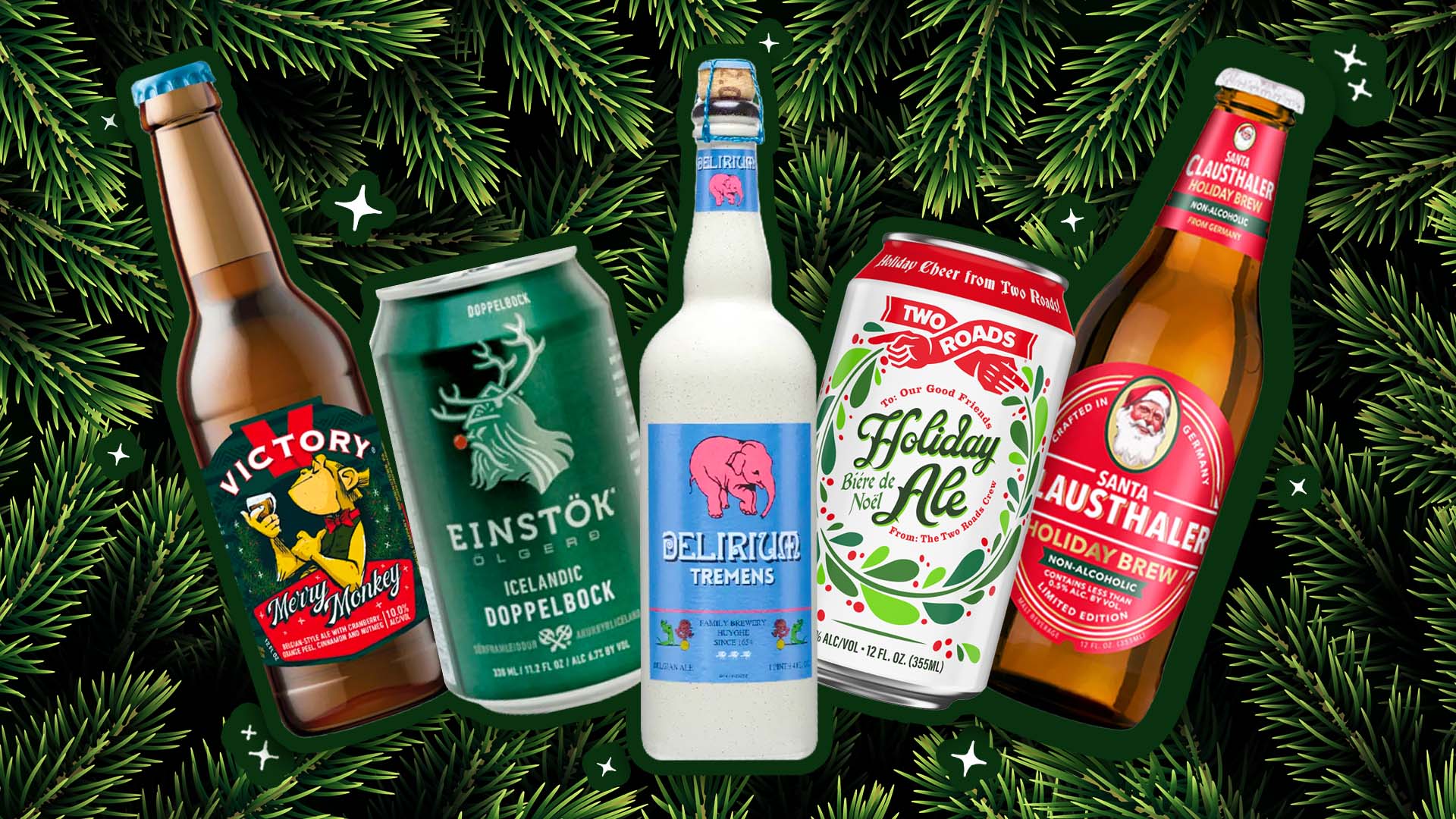
Belgium remains the gold standard for holiday brewing. Beers like St. Bernardus Christmas Ale or Delirium Noël are world-renowned for their complexity. These beers use Belgian candy sugar and specific yeast strains that ferment at higher temperatures, creating deep notes of dark fruit, clove, and pepper. They are often bottle-conditioned, meaning they continue to evolve and carbonate in the bottle, often improving with age.
British Winter Warmers
The British approach is generally more subtle regarding spices. A classic Winter Warmer, such as Samuel Smith’s Winter Welcome, focuses on the interaction between Fuggle hops and rich Maris Otter malt. The result is a balanced, nutty, and slightly floral ale that is designed for sessionability in a cozy pub setting rather than intense sipping.
American Holiday IPAs and Spiced Ales
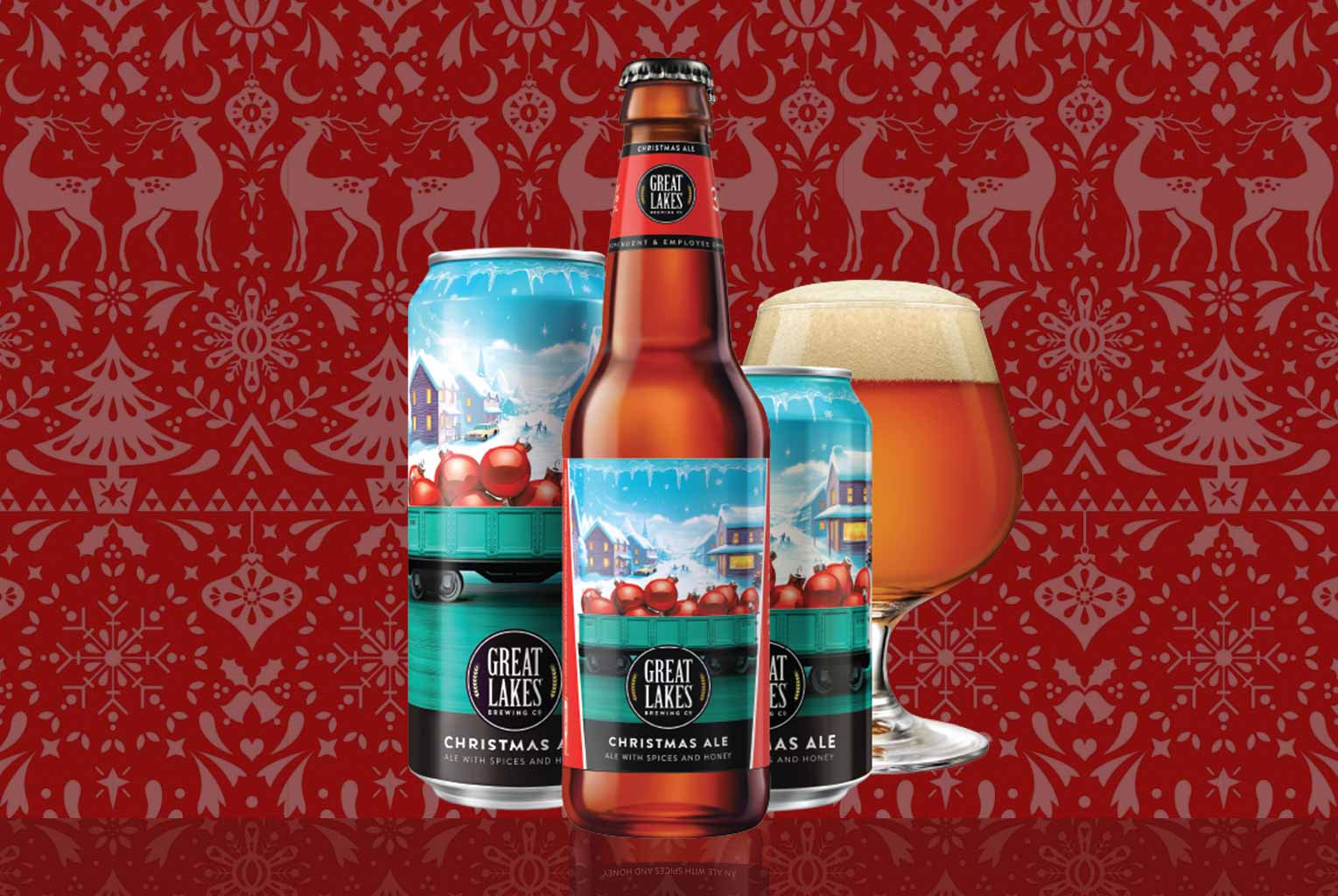
In the United States, the craft movement has bifurcated the holiday market. On one hand, you have the "Spiced Ale" like the legendary Great Lakes Christmas Ale, which leans heavily into honey and fresh ginger. On the other hand, there is the "Holiday IPA," pioneered by Sierra Nevada Celebration Ale. Unlike spiced beers, Celebration focuses on the "fresh hop" harvest, using C-hops (Centennial, Cascade, Chinook) to provide a piney, resinous aroma that many drinkers associate with Christmas trees.
2026 Trends in Holiday Brewing
As of 2026, several shifts have occurred in how breweries approach the "holiday cheer" segment. Sustainability and "drinkability" have become central themes.
- Lower-Alcohol "Holiday Session" Ales: Recognizing that consumers often attend multiple social gatherings, many brewers have introduced 4-5% ABV versions of their spiced ales. These maintain the cinnamon and orange profiles but are much lighter on the palate.
- Barrel-Aged Complexity: The 2026 season has seen a massive influx of Christmas beers aged in spirit barrels. Beyond the standard Bourbon barrel, breweries are now utilizing Sherry, Port, and even Amaro casks to add layers of botanical complexity and vinous tannins to their winter stouts and barleywines.
- Sustainable Sourcing: With a heightened focus on environmental impact, the leading breweries in 2026 are highlighting "locally foraged" ingredients, such as spruce tips or locally roasted cacao nibs, reducing the carbon footprint associated with imported spices.
Serving and Storage: Maximizing the Experience
To truly enjoy a Christmas beer, one must move away from the "ice-cold" serving standard associated with mass-market lagers. Technical precision in serving can significantly alter the flavor profile of a complex ale.
Glassware Selection
For high-ABV Belgian ales or spiced warmers, a Snifter or Tulip glass is essential. The wide bowl allows the beer to warm slightly in the hand, while the tapered rim concentrates the volatile aromatics of the spices and yeast esters. For holiday IPAs, a standard Nonic pint or IPA glass is sufficient to showcase the hop resins.
Optimal Temperatures
Serving a 10% ABV spiced ale at 38°F (3°C) will mute the flavors. Ideally, these beers should be served at "cellar temperature," roughly 50°F to 55°F (10°C to 13°C). At this temperature, the malt sugars become more expressive, and the spice profile becomes more integrated rather than sharp.
The Aging Potential
Many Xmas beers are prime candidates for cellaring. Because of their high alcohol and sugar content, Belgian Strong Darks and Imperial Stouts can be aged for 1–5 years. Over time, the "hot" alcohol burn mellows, the spices fade into the background, and the beer develops sherry-like oxidation notes that are highly prized by connoisseurs.
Comparison of Major Christmas Beer Styles (2026)
| Style | Typical ABV | Primary Flavor Notes | Best Glassware | Aging Potential |
|---|---|---|---|---|
| Belgian Strong Dark | 8.0% - 12.0% | Plum, Clove, Dark Sugar | Tulip | High (3-5 Years) |
| Winter Warmer | 5.5% - 8.0% | Toffee, Nutty, Mild Spice | Nonic Pint | Low (Drink Fresh) |
| Spiced Holiday Ale | 6.0% - 9.0% | Ginger, Cinnamon, Honey | Snifter | Moderate (1 Year) |
| Holiday IPA | 6.5% - 7.5% | Pine, Resin, Grapefruit | IPA Glass | Very Low (Drink Fresh) |
| Imperial Stout (Aged) | 10.0% - 15.0% | Chocolate, Vanilla, Oak | Snifter | Very High (5+ Years) |
Food Pairings for the Holiday Table
The robust nature of Christmas beers makes them excellent partners for food. The general rule of thumb is to match intensity with intensity.
- Main Courses: A rich Belgian Christmas ale pairs beautifully with roasted meats. The carbonation and acidity cut through the fat of a roasted duck or beef tenderloin, while the dark fruit notes complement a berry-based reduction sauce.
- Cheese Course: Blue cheeses like Roquefort or Stilton require a beer that can stand up to their pungent saltiness. An Imperial Stout or a heavy Winter Warmer provides the necessary sweetness to balance the "funk" of the cheese.
- Dessert: This is where spiced ales shine. A beer brewed with cinnamon and nutmeg is a natural companion to pumpkin pie, gingerbread men, or fruitcake. The spices in the beer echo the spices in the food, creating a cohesive palate experience.
Frequently Asked Questions
Can I drink Christmas beer if I have a gluten sensitivity?
Most traditional Christmas beers are made from barley and wheat, which contain gluten. However, in 2026, several craft breweries have released gluten-reduced or gluten-free ginger-based winter ales. Always check the label for "Gluten-Reduced" (using enzymes like Clarity Ferm) or "Certified Gluten-Free" (using sorghum or rice).
Why do some Christmas beers taste like soap?
This is often a result of the specific hops or spices used. Some people have a genetic predisposition that makes certain floral hops or coriander (common in Belgian styles) taste soapy. Additionally, if a brewery uses poor-quality orange peel or over-extracts tannins from spices, it can lead to an "off" flavor that mimics soap or cleaning agents.
How long do seasonal Christmas beers stay on the shelves?
Typically, Christmas beers begin appearing in late October and remain available through January. In 2026, many retailers have moved toward "limited drop" models, meaning the most popular releases (like the 2026 vintage of Anchor or St. Bernardus) may sell out by mid-December.
Is it okay to serve Christmas beer with ice?
Generally, no. Adding ice dilutes the complex malt profile and the carefully balanced spice ratios. If the beer is too warm, it is better to use a rapid wine chiller or a brief stint in the freezer (15 minutes) rather than adding ice directly to the glass.
Are Christmas beers vegan?
Many are, but some utilize honey as a fermentable sugar or lactose (milk sugar) to add creaminess (common in "Milk Stouts" or "Cookie Ales"). If you follow a vegan diet, look for beers that use maple syrup or agave as alternatives, and verify that the fining agents (like isinglass) were not used in the filtration process.
Final Recommendations for the 2026 Season
For those looking to maximize their holiday cheer through craft beer, variety is key. Begin your celebrations with a Holiday IPA or a fresh-hopped ale to enjoy the bright, resinous aromas that mirror the scent of a fresh Christmas tree. As the evening progresses and heavier meals are served, transition to a Belgian Strong Dark Ale. Its complexity and higher ABV make it a perfect "slow sipper" for fireside conversation. If you are hosting a large gathering, consider a "vertical tasting"—serving the 2026, 2025, and 2024 vintages of the same Christmas ale side-by-side to observe how the flavors have evolved over time.
Image Gallery