How Much Does Life Insurance Cost at Principal Financial Group?
Determining the exact cost of a life insurance policy from Principal Financial Group depends on a highly individualized underwriting process. Rather than a flat fee, premiums are calculated based on your age, gender, medical history, l...
Determining the exact cost of a life insurance policy from Principal Financial Group depends on a highly individualized underwriting process. Rather than a flat fee, premiums are calculated based on your age, gender, medical history, lifestyle, occupation, and the specific coverage amount and policy type selected. Because Principal specializes in high-net-worth and business-related coverage, their pricing reflects tailored solutions rather than one-size-fits-all premiums.
Contents
Understanding the Underwriting Process
When you apply for life insurance through Principal Financial Group, you are essentially entering a risk-assessment partnership. The company evaluates the statistical likelihood of a claim during the term or duration of your policy. To determine your specific premium, underwriters review several core data points:
- Age and Gender: Generally, the younger you are at the time of purchase, the lower your mortality risk and your annual premiums. Women typically pay lower rates than men of the same age due to statistical differences in life expectancy.
- Medical History: Principal reviews your health records, including past surgeries, chronic conditions, and prescription drug usage. A "preferred" health rating results in significantly lower costs compared to a "standard" or "substandard" rating.
- Tobacco and Substance Use: Tobacco users face significantly higher premiums—often two to three times the rate of non-smokers—due to the increased health risks associated with nicotine use.
- Lifestyle and Hobbies: Participation in high-risk activities, such as private aviation, scuba diving, or extreme sports, may lead to "table ratings," which are essentially surcharges added to your base premium.
- Occupational Risk: While most office-based professions carry no extra cost, those in high-hazard fields (such as deep-sea welding or structural high-rise construction) may see higher premiums.
Principal Financial Group Policy Types and Cost Drivers
Principal provides a variety of products, each with a different pricing structure. Understanding these categories is vital for estimating what your financial commitment will look like.
Term Life Insurance
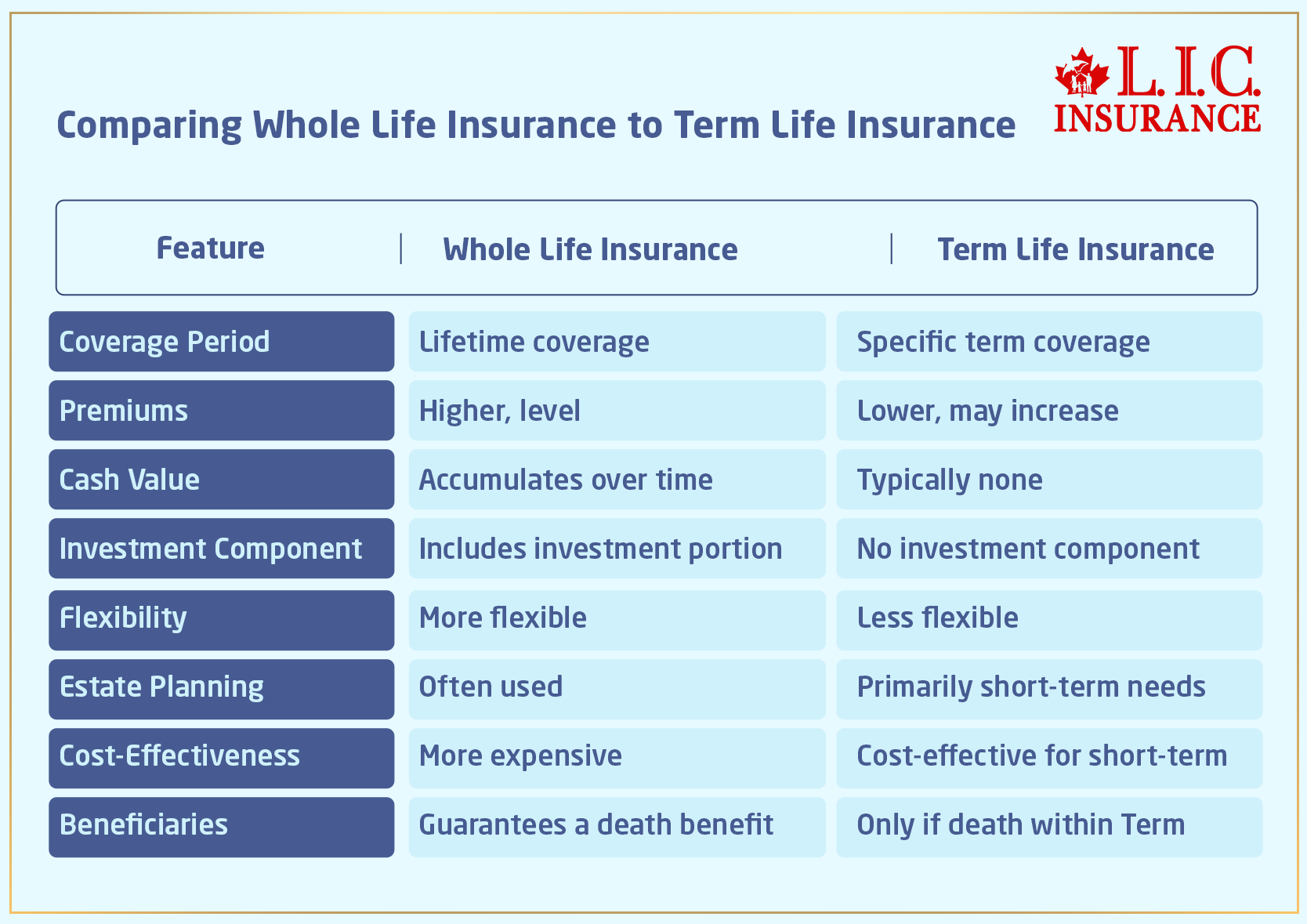
Term life is the most straightforward and typically the most affordable option. It provides coverage for a specific period (e.g., 10, 15, 20, or 30 years). Because it does not accumulate cash value and only pays a death benefit if you pass away during the term, the premiums are lower. As you get older, the cost to renew a term policy increases substantially, so most applicants lock in a "level premium" term policy at the start to keep costs predictable for the duration of the term.
Universal Life Insurance (UL)
Universal life insurance is a form of permanent coverage that offers more flexibility than whole life. It allows policyholders to adjust premiums and death benefits within certain limits. These policies include a cash value component that earns interest. Consequently, the premiums are higher than term life because they cover both the cost of insurance and a savings element.
Variable Universal Life (VUL)
VUL policies are among the most expensive options because they include an investment component. Policyholders can allocate their cash value into various sub-accounts, similar to mutual funds. While this offers the potential for growth, it also introduces market risk. The complexity of these products requires higher management fees, which are reflected in the policy costs.
Comparison of Coverage Features
The following table illustrates how different product structures impact your budget and long-term financial strategy.
| Policy Type | Cost Level | Cash Value | Flexibility | Primary Use Case |
|---|---|---|---|---|
| Term Life | Lowest | None | Low | Income replacement during working years |
| Universal Life | Moderate | Yes | High | Long-term protection with adjustable premiums |
| Variable UL | High | Yes | Moderate | Estate planning and investment growth |
| Survivorship | High | Yes | Moderate | Wealth transfer and estate taxes |
Factors That Influence Your Quote
Beyond the standard underwriting factors, there are structural decisions that heavily influence your annual premium. Choosing a higher death benefit—for example, $2 million instead of $500,000—will inherently increase your cost.
Furthermore, Principal often bundles life insurance with business succession planning. If you are purchasing a policy to fund a Buy-Sell Agreement or for Key Person insurance, the policy structure may be more complex. These professional-grade policies often involve larger coverage amounts, which may require more rigorous medical examinations, such as an EKG or blood profile, adding time and potential "cost of participation" to the process.
How to Obtain an Accurate Quote
You cannot determine your specific premium without going through the formal application process. Because Principal Financial Group primarily distributes through independent financial advisors, brokers, and benefit consultants, you will rarely see an "instant quote" button on their homepage.
- Work with a Financial Professional: Connect with an advisor who is authorized to offer Principal products. They can run "illustrations" based on your specific profile.
- Request an Illustration: Ask your advisor for a policy illustration. This document will show you exactly how your premiums are projected to behave over the life of the policy, including any potential changes in cash value.
- Complete the Paramedical Exam: Most mid-to-large-sized policies will require a visit from a medical professional who will collect your height, weight, blood pressure, and samples. The results of this exam are the single most significant factor in whether you qualify for the "preferred" rates quoted in your initial illustration.
Common Mistakes When Estimating Costs
- Assuming Online Estimates are Final: Many third-party websites offer calculators that provide "average" costs. These rarely account for specific health issues or occupational hazards. Always treat these as estimates only.
- Ignoring Policy Fees: In permanent policies, cost of insurance (COI) charges and administrative fees can fluctuate. Ensure you review the "non-guaranteed" vs. "guaranteed" elements of your illustration.
- Under-insuring to Save Costs: Choosing a lower death benefit to save money on monthly premiums may leave your family or business entity under-protected. It is often more cost-effective to buy a longer term or a higher death benefit than to realize later that the coverage is insufficient.
Frequently Asked Questions
Can I get life insurance through Principal without a medical exam? Principal offers "accelerated underwriting" for certain applicants, which may bypass the traditional physical exam. Eligibility for this program depends on your age, the requested coverage amount, and your health history. If you qualify, the process is significantly faster and often results in the same premium rates as a fully underwritten policy.
Does my premium change over time? With a level-term policy, your premium is guaranteed to stay the same for the duration of the term. With permanent insurance (Universal Life), premiums can be flexible, but failing to pay enough to cover the cost of insurance and administrative fees can cause the policy to lapse.
Are Principal Financial Group premiums tax-deductible? For individuals, life insurance premiums are generally not tax-deductible. If you are purchasing a policy for business purposes (such as Key Person insurance), your tax advisor may have specific guidance on whether the premiums can be treated as a business expense, though this is highly dependent on the structure of the business and the policy.
How does Principal determine "preferred" health ratings? Principal uses internal underwriting guidelines that compare your health metrics against standard benchmarks. Factors such as having a family history of heart disease, elevated cholesterol, or being slightly overweight can move you from a "preferred" class to a "standard" class, which increases the annual cost of the policy.
What happens if I cannot pay my premiums? Missing a premium payment on a term policy generally leads to a grace period, after which the policy may terminate. For permanent policies with cash value, the policy might use that value to pay the premium automatically, provided there is sufficient balance. Always contact your agent immediately if you anticipate difficulty making a payment.
Next Steps for Prospective Policyholders
To determine your exact costs, the most effective step is to contact a licensed financial advisor who works with the Principal Financial Group. Be prepared to provide an honest assessment of your medical history and financial goals. Request a detailed policy illustration that outlines both the guaranteed and non-guaranteed elements of the premium, and compare this against at least two other reputable carriers to ensure the price aligns with the market for your specific risk profile.
Image Gallery