Understanding Mugshot Websites: Legal Implications, Data Privacy, and Removal Strategies in 2026
Mugshot websites are public-facing databases that aggregate arrest records and booking photographs obtained through Freedom of Information Act (FOIA) requests and public records laws. While these platforms operate under the premise of...
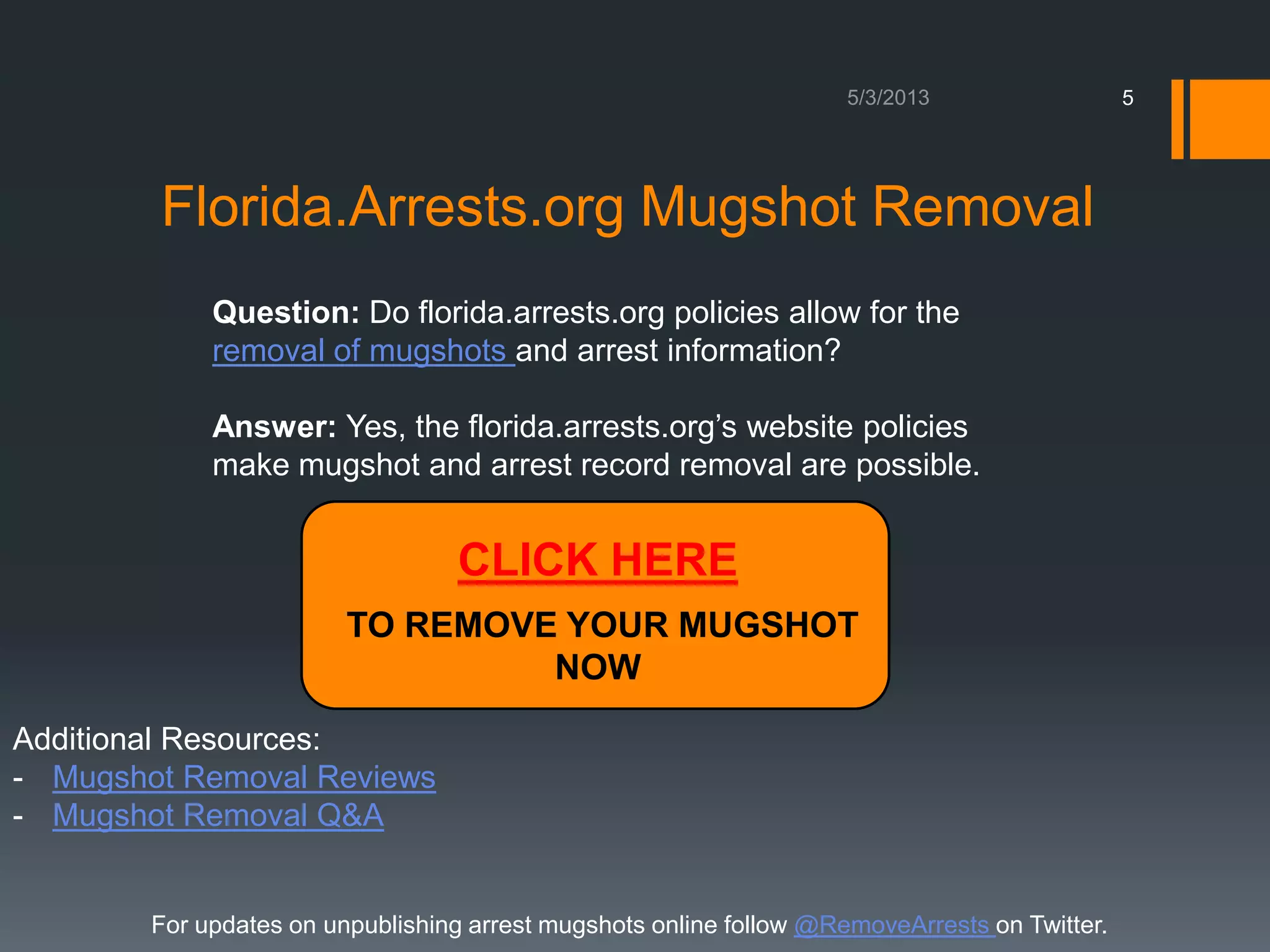
Mugshot websites are public-facing databases that aggregate arrest records and booking photographs obtained through Freedom of Information Act (FOIA) requests and public records laws. While these platforms operate under the premise of government transparency, they often function as pay-to-remove services, creating significant reputational and personal privacy challenges for individuals listed within their indexed search results.
Contents
The Mechanism of Public Record Aggregation
Mugshot websites operate by scraping data from county sheriff offices, local police department portals, and municipal court records. Because arrest records and booking photos are considered public documents in the United States, they are generally exempt from copyright protections, allowing third-party entities to collect, store, and display this sensitive data without the explicit consent of the subject.
In 2026, the digital landscape for these websites remains primarily driven by ad-revenue models and, more controversially, extortion-adjacent business practices. When a person is arrested, their information is entered into a computer-aided dispatch (CAD) system. These websites use automated bots to ingest this raw data, index it via search engine optimization (SEO) techniques, and ensure that the individual's name appears prominently when queried on major search engines.
Legal Frameworks and Regulatory Constraints
The legal status of these websites is a complex intersection of the First Amendment and modern privacy torts. While the U.S. legal system upholds the right to publish public records, several states have enacted legislation to curb the predatory nature of "mugshot publishers."
- State-Level Legislation: Many states have passed statutes that make it illegal for website operators to charge a fee for the removal of mugshots. These laws are intended to classify such actions as extortion or unfair trade practices.
- The Fair Credit Reporting Act (FCRA): There is ongoing debate regarding whether mugshot websites function as "consumer reporting agencies." If a site is used for employment screening or background checks, it may be subject to FCRA regulations, requiring them to ensure data accuracy and provide mechanisms for dispute resolution.
- Search Engine De-indexing Policies: Major search engine providers have updated their 2026 policies to allow individuals to request the removal of specific URLs from search results if the content involves "non-consensual personal imagery" or meets specific legal criteria for harmful, outdated information.
Evaluating Data Removal Options
When managing an online presence affected by these databases, it is essential to distinguish between legitimate news outlets and "predatory" mugshot databases. A legitimate news organization reporting on a criminal trial is protected by journalistic privilege, whereas a repository that exists solely to collect and monetize images often lacks such protections.
| Removal Strategy | Mechanism | Effectiveness | Potential Cost |
|---|---|---|---|
| Direct Request | Contacting the site owner directly via their published contact form. | Low | Free |
| Legal Demand Letter | Having an attorney issue a formal cease and desist notice citing state law. | Moderate to High | Professional Fees |
| Privacy Service | Utilizing specialized reputation management firms to execute mass takedowns. | High | Subscription/Service Fee |
| Search Engine De-indexing | Filing formal requests with Google or Bing under specific privacy guidelines. | Moderate | Free |
Risks of Direct Engagement
It is highly advised that individuals avoid engaging directly with the administrators of "pay-to-remove" websites. Providing contact information or interacting with these platforms can often confirm that an email address or phone number is active and monitored, which may inadvertently increase the value of your data to the site operators or result in further solicitation.
If you believe a record is inaccurate—for example, if the charges were dismissed, expunged, or if there was a case of mistaken identity—your first step should be to obtain official documentation from the courthouse or the arresting agency. This documentation is your primary evidence when filing a formal demand for removal or a de-indexing request with search engines.
Impact on Professional and Personal Reputation
The presence of a mugshot in search engine results can have long-lasting effects on professional opportunities. Many human resources departments utilize automated screening tools that incorporate public record databases. Even if an arrest did not lead to a conviction, the mere existence of a booking photo can create a "stigma effect" that persists in the digital sphere.
Guideline for Reputation Mitigation
Official Verification: Always secure certified copies of case dispositions showing "Dismissed," "Not Guilty," or "Expunged" status.
Official Record Updates: Ensure that the local law enforcement agency that generated the record has updated its internal database to reflect the current legal status of the case.
Persistence and Patience: Removal from third-party sites is rarely instantaneous. Even after a site agrees to remove a record, search engine caches may continue to display the image for several weeks until a re-crawl of the site occurs.
Frequently Asked Questions
Are mugshot websites legally permitted to charge for removing images? In many jurisdictions, it is illegal for websites to demand payment for the removal of mugshots. If a site operates in a state with "anti-mugshot" legislation, you may be able to force a removal without payment by providing proof of the legal disposition of the case.
Can I force Google to remove my mugshot from search results? Yes, under specific conditions, Google allows individuals to request the removal of content that is deemed harmful, non-consensual, or violates their policies on personal identification. You must use their official "Remove Personal Information" tools to initiate this process.
If I pay to have my photo removed, is it gone forever? Not necessarily. Many of these sites aggregate data from multiple sources. Paying one site does not guarantee that the image will not reappear on a different domain or that it has been removed from the source government agency's public record portal.
What is the difference between a news report and a mugshot website? A news report typically provides context, is subject to editorial standards, and is protected under the freedom of the press. A mugshot website is generally a repository that lacks editorial oversight and is often focused on the extraction of personal data for profit.
Should I use an online reputation management company? If the damage to your reputation is significant and affects your income, professional firms can provide a structured approach to identifying all instances of the data and issuing legal demands. However, always verify the firm's track record and ensure they do not employ "black hat" tactics that could hurt your long-term online presence.
Managing Your Digital Footprint
The most effective way to manage the impact of mugshot websites is through a proactive approach to your broader digital footprint. By building high-quality, positive content—such as professional profiles, articles, or community contributions—you can often "push" older, negative results lower in search engine rankings. This strategy, known as search suppression, requires consistent effort but is more sustainable than relying solely on the removal of individual records, which may continue to surface as long as they exist in government-held public databases.
For those facing significant reputational harm due to outdated or incorrect records, consult with legal counsel specializing in cyber law or privacy rights to determine if your specific situation qualifies for a court-ordered expungement or record sealing, which provides the strongest legal basis for demanding the removal of information from public databases.
Image Gallery