Why South Carolina Constitutional Carry Matters
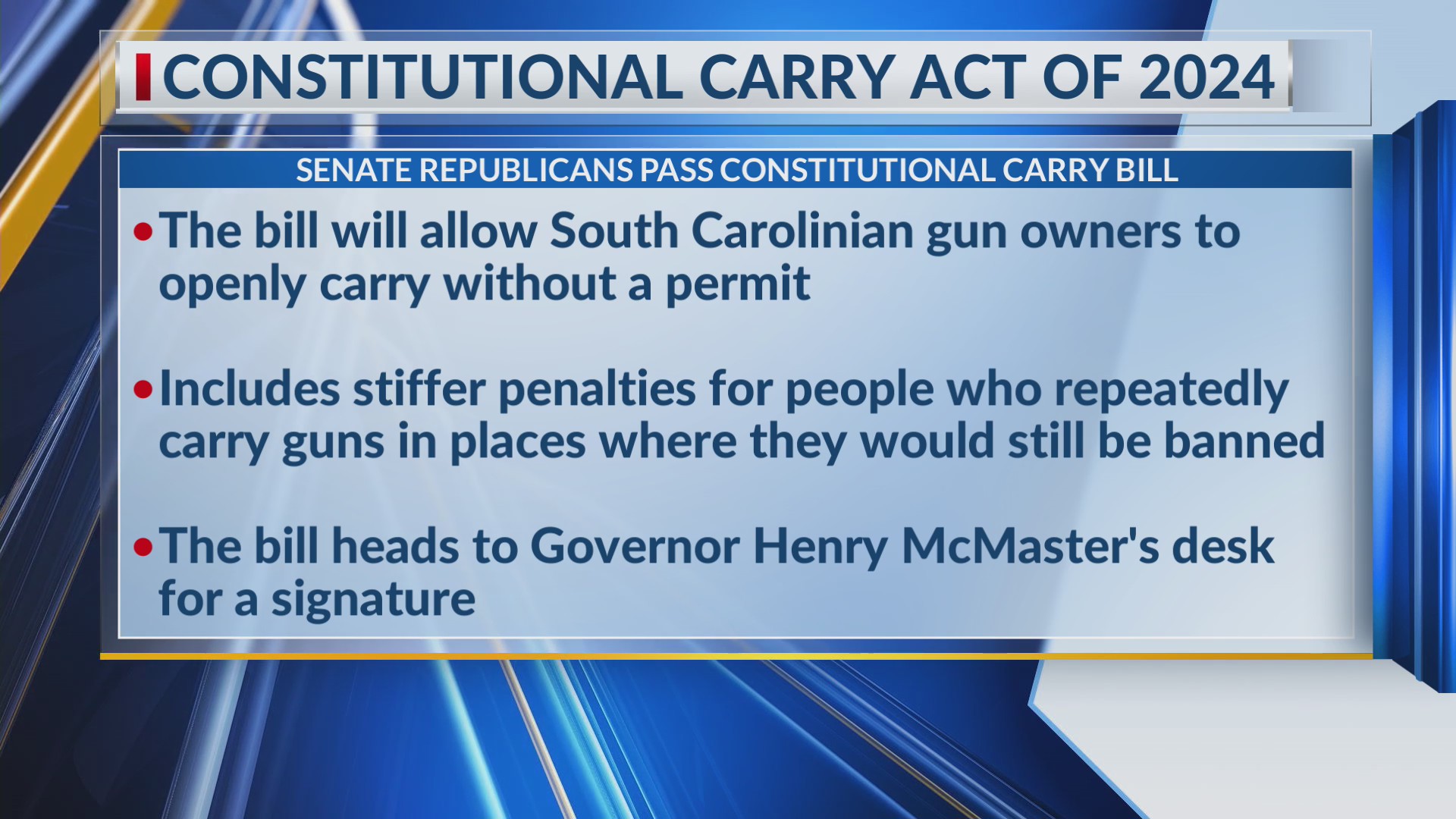
South Carolina’s constitutional carry legislation allows eligible residents to carry handguns openly or concealed without requiring a government-issued permit or training course, fundamentally shifting self-defense rights, lowering adm...
South Carolina’s constitutional carry legislation allows eligible residents to carry handguns openly or concealed without requiring a government-issued permit or training course, fundamentally shifting self-defense rights, lowering administrative barriers, and altering how law enforcement and citizens interact across the state.
Contents
Understanding South Carolina Constitutional Carry
The enactment of constitutional carry—frequently referred to as permitless carry or uninhibited second amendment protection—marks a major shift in firearm policy. Historically, South Carolina required residents to complete a Concealed Weapons Permit (CWP) course, submit fingerprints, pass a background check through the South Carolina Law Enforcement Division (SLED), and pay processing fees to carry a handgun outside their home or property.
Constitutional carry removes the permitting requirement for individuals who are otherwise legally authorized to possess a firearm. However, the legal transition does not mean a free-for-all or an absence of rules. Federal laws, age requirements, and prohibited possession statutes remain strictly in place. Understanding why this matters requires looking closely at how rights, responsibilities, and public safety intersect under the updated framework.
The Legal Landscape and Eligibility Requirements
Transitioning to a permitless carry model does not grant every individual the right to carry a firearm. The statute explicitly maintains federal and state prohibitions regarding who can lawfully own or carry a weapon.
To carry a handgun under South Carolina’s constitutional carry framework, an individual must meet several baseline legal criteria. Violating these standards transitions a lawful act into a serious criminal offense.
- Age Restrictions: Individuals must meet the federally mandated age of 21 for purchasing handguns from licensed dealers, though state statutes address carrying provisions for adults generally aged 18 and older in specific contexts.
- Prohibited Persons: Felons, individuals convicted of domestic violence offenses, subjects of restraining orders, and those adjudicated mentally incompetent remain strictly barred from carrying firearms.
- Criminal History: Any active warrants or prior convictions that disqualify a person from firearm ownership under South Carolina Code of Laws prevent them from utilizing constitutional carry protections.
| Category | Permitted Carry Requirements (Historical CWP) | Constitutional Carry Framework (Current Status) |
|---|---|---|
| Training Course | Mandatory 8-hour classroom and shooting qualification | Optional; strongly encouraged for safety proficiency |
| Background Check | Fingerprint-based SLED and FBI check during application | Maintained via point-of-sale checks and existing criminal databases |
| Permit Document | Plastic card issued by SLED required for concealed carry | No permit card required for lawful residents |
| Processing Fees | State application fees plus fingerprinting costs | Zero state licensing or application fees |
Impact on Personal Freedom and Second Amendment Rights
For proponents of the legislation, why South Carolina constitutional carry matters centers on the restoration of unalienable constitutional rights. The argument rests on the premise that a right requiring government permission, background fees, and mandatory training classes ceases to be a right and transforms into a government-regulated privilege.
Advocates emphasize that administrative hurdles disproportionately affect lower-income residents who may struggle to afford the cumulative costs of training courses, fingerprinting, and application fees. By removing these financial and bureaucratic barriers, the state ensures that self-defense is accessible to all law-abiding citizens, regardless of socioeconomic status. Furthermore, supporters argue that criminals inherently ignore permit laws; therefore, the previous framework placed burdens exclusively on law-abiding citizens while doing nothing to deter illicit actors.
Law Enforcement, Public Safety, and Training Realities
Critics and law enforcement professionals often raise valid operational concerns regarding the removal of mandatory training. Without a required CWP course, there is no state-verified assurance that a person carrying a firearm in public understands South Carolina’s specific self-defense laws, de-escalation tactics, or marksmanship fundamentals.
Law enforcement agencies emphasize that training matters immensely for public safety and liability. Knowing when the law justifies the use of deadly force prevents tragic errors and subsequent criminal prosecutions.
- De-escalation: Quality training emphasizes conflict avoidance over drawing a weapon.
- Firearm Retention: Understanding how to secure a holster prevents accidental disarming in public settings.
- Marksmanship: Regular range practice reduces the risk of stray rounds injuring innocent bystanders during an active threat.
Even under constitutional carry, South Carolina law maintains severe penalties for brandishing a firearm in a threatening manner or carrying weapons into prohibited zones.
Prohibited Zones and Restricted Locations
Constitutional carry does not grant universal access to every public and private space. State law outlines specific locations where carrying a firearm remains strictly illegal, regardless of whether a person holds a permit or relies on constitutional carry provisions.
Property owners, both public and private, retain specific rights under South Carolina law to regulate firearms on their premises. Ignoring these statutory boundaries can result in criminal trespass charges and the revocation of firearm privileges.
- Government and Law Enforcement Buildings: Courthouses, police stations, detention facilities, and municipal government offices.
- Educational Facilities: Public and private school campuses, college grounds, and athletic events, except where specific institutional policies apply.
- Medical and Care Facilities: Hospitals and mental health facilities, subject to explicit posting.
- Posted Private Property: Any business, place of worship, or private property displaying authorized legal signage prohibiting firearms pursuant to South Carolina law.
- Alcohol-Serving Establishments: Businesses licensed to dispense alcoholic beverages for on-site consumption, provided the individual is not consuming alcohol while carrying.
Reciprocity and Interstate Travel Considerations
One of the most complex practical implications of constitutional carry involves traveling outside of South Carolina. While residents enjoy permitless carry within state borders, neighboring states maintain their own distinct legal frameworks.
For South Carolina residents who travel frequently, maintaining a voluntary Concealed Weapons Permit remains advantageous. SLED continues to issue WP documents upon request for individuals who complete the standard training and background check process specifically to secure out-of-state reciprocity.
- Interstate Recognition: Many states do not recognize another state's constitutional carry provisions for non-residents unless a formal reciprocity agreement exists between the states based on a physical permit card.
- Federal Property: National parks, federal buildings, and military installations operate under federal guidelines where state-level constitutional carry rules may not apply uniformly.
- Commercial Aviation: Transportation Security Administration (TSA) regulations regarding firearm transport in checked baggage remain completely unchanged by state-level carry laws.
Frequently Asked Questions
Do I need any training to carry a firearm in South Carolina now?
No, formal training is no longer legally required to carry a handgun openly or concealed if you are legally eligible to possess a firearm. However, professional training is strongly recommended to ensure safe handling, tactical awareness, and a thorough understanding of state self-defense laws.
Can I still apply for a traditional Concealed Weapons Permit in South Carolina?
Yes. The state continues to issue standard Concealed Weapons Permits through SLED. Many residents choose to obtain and renew their physical permit cards primarily to secure interstate reciprocity when traveling to states that require a formal credential.
Are there age restrictions for constitutional carry in South Carolina?
Yes. While federal law generally requires individuals to be 21 to purchase handguns from licensed dealers, state statutes and judicial interpretations govern carrying rights for adults based on applicable state and federal guidelines. Prohibited persons of any age are strictly barred from carrying.
Where is it still illegal to carry a firearm under this law?
Carrying remains prohibited in courthouses, law enforcement centers, detention facilities, public and private schools, university campuses, polling places on election days, and any private business or property displaying legal, authorized no-gun signage.
Does constitutional carry apply to both open and concealed carry?
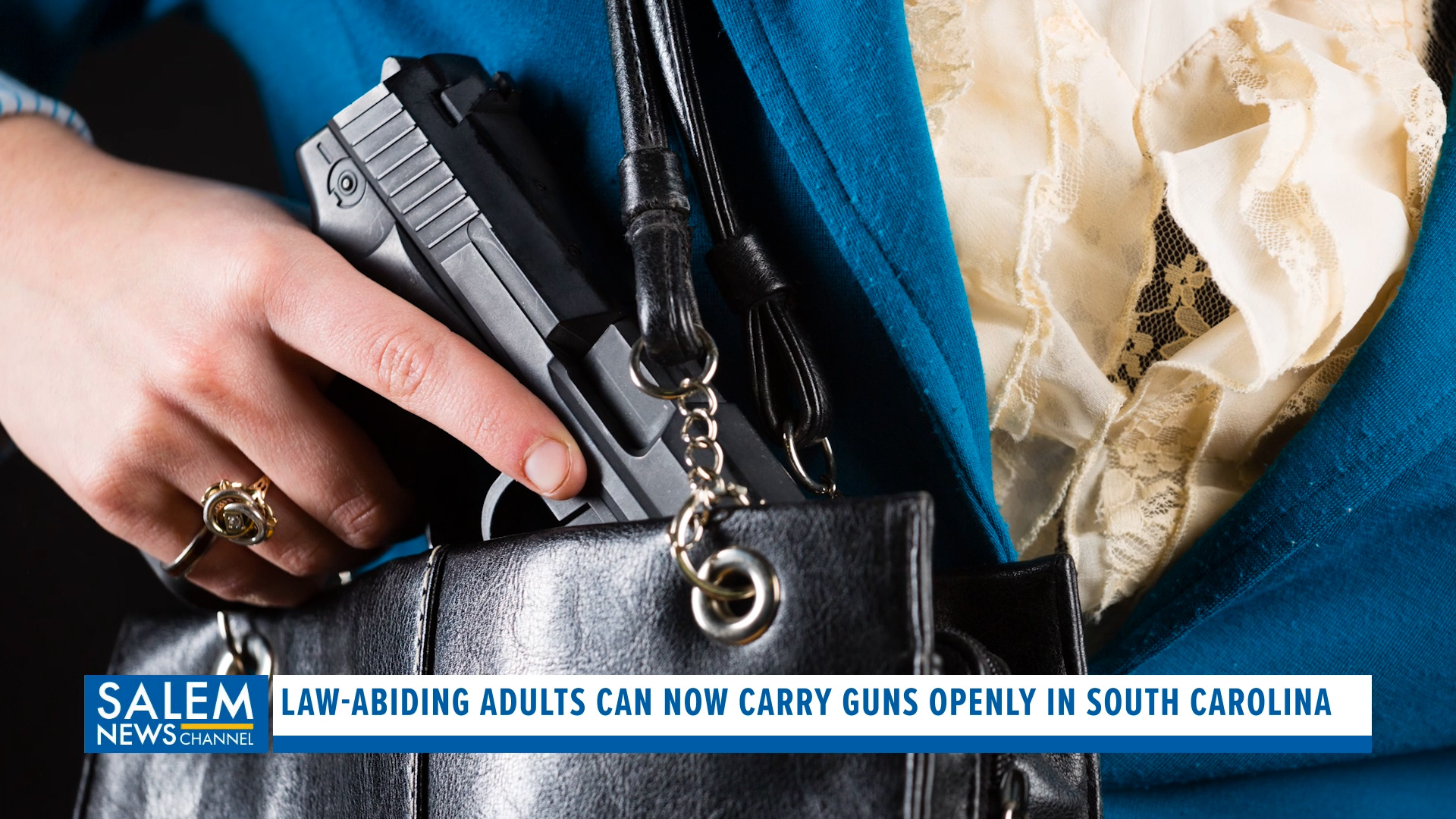
Yes. The legislation permits eligible individuals to carry handguns either openly in a holster or concealed on their person without needing a government-issued permit.
Does this law change federal firearm possession rules?
No. Constitutional carry is a state-level policy change. Federal laws regarding interstate firearm transport, prohibited possessor categories, and National Firearms Act (NFA) items remain entirely unaffected.
Practical Next Actions for Gun Owners
Navigating South Carolina constitutional carry requires balancing personal rights with legal and operational responsibilities. If you choose to carry a firearm under the updated statutory framework, take deliberate steps to ensure compliance and safety.
Review the exact text of South Carolina’s self-defense and castle doctrine statutes to understand when deadly force is legally justified. Invest in professional instruction, even though it is no longer mandatory, to build proficiency, situational awareness, and safe handling habits. Finally, remain vigilant regarding posted signage on private property and business entrances to respect property owner rights and avoid inadvertent legal infractions.
Image Gallery