Alpha Lipoic Acid Effects: Benefits, Mechanisms, and Clinical Applications
Alpha lipoic acid (ALA) is a potent antioxidant that supports energy metabolism, improves insulin sensitivity, and protects nerve tissue from oxidative damage. It is unique among antioxidants because it is both water- and fat-soluble,...
Alpha lipoic acid (ALA) is a potent antioxidant that supports energy metabolism, improves insulin sensitivity, and protects nerve tissue from oxidative damage. It is unique among antioxidants because it is both water- and fat-soluble, allowing it to function throughout the entire body to neutralize free radicals and regenerate other critical antioxidants like vitamins C and E.
Contents
Alpha lipoic acid, also known as thioctic acid, is an organosulfur compound derived from octanoic acid. While the human body produces it naturally within the mitochondria, the amounts generated are primarily used as enzymatic cofactors and are insufficient for systemic antioxidant effects. Consequently, supplemental ALA has become a cornerstone of metabolic and neurological health protocols. As of 2026, research continues to emphasize its role in managing chronic inflammatory conditions and supporting cellular longevity.
The Mechanism of Action: Why ALA is Unique
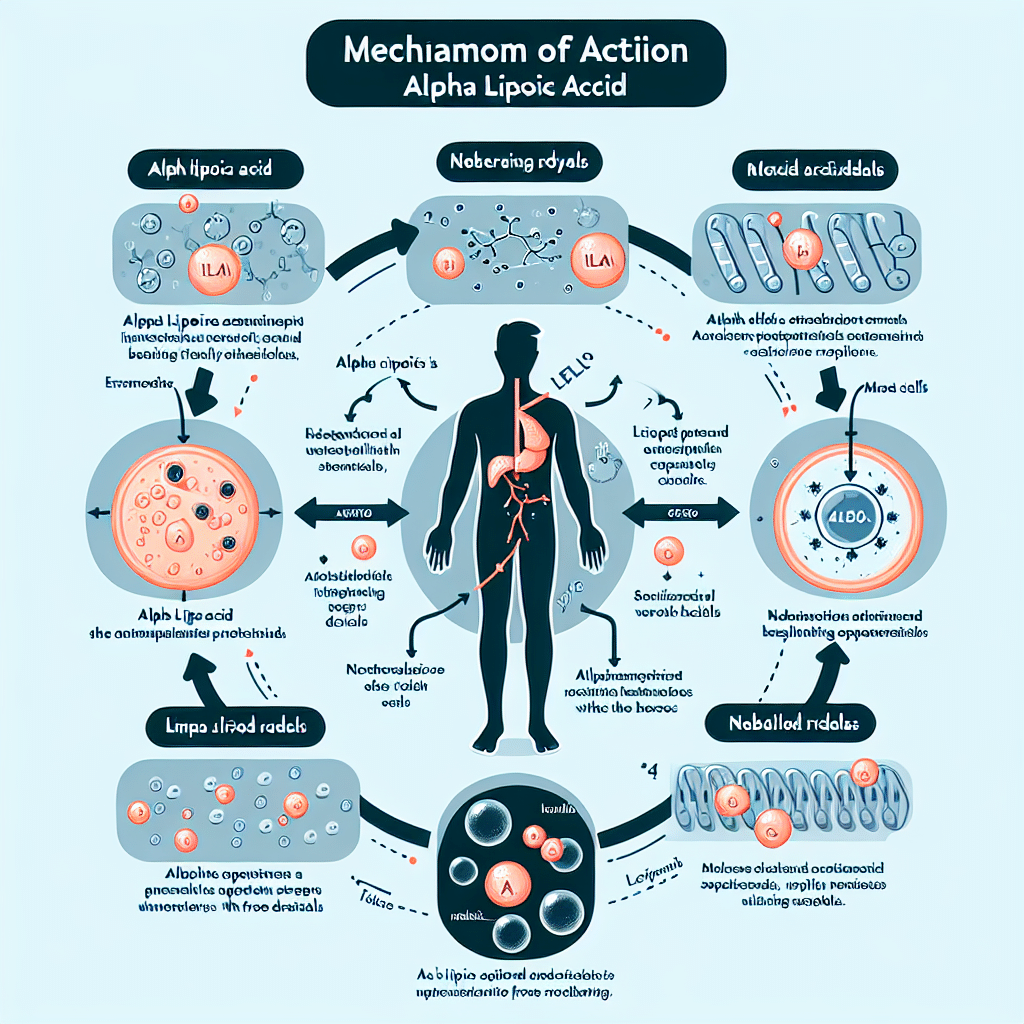
To understand alpha lipoic acid effects, one must first look at its "universal" antioxidant status. Most antioxidants are either soluble in water (like vitamin C) or fat (like vitamin E). Because ALA is amphipathic, it can penetrate cell membranes and work within the aqueous environment of the cytoplasm.
Mitochondrial Energy Production
ALA serves as a vital cofactor for several multi-enzyme complexes within the mitochondria, most notably the pyruvate dehydrogenase complex. This complex is essential for converting carbohydrates into acetyl-CoA, the entry point for the Krebs cycle (citric acid cycle). By facilitating this conversion, ALA ensures that cells can efficiently produce adenosine triphosphate (ATP), the primary energy currency of the body. Without adequate ALA, mitochondrial efficiency drops, leading to increased production of reactive oxygen species (ROS).
Antioxidant Regeneration
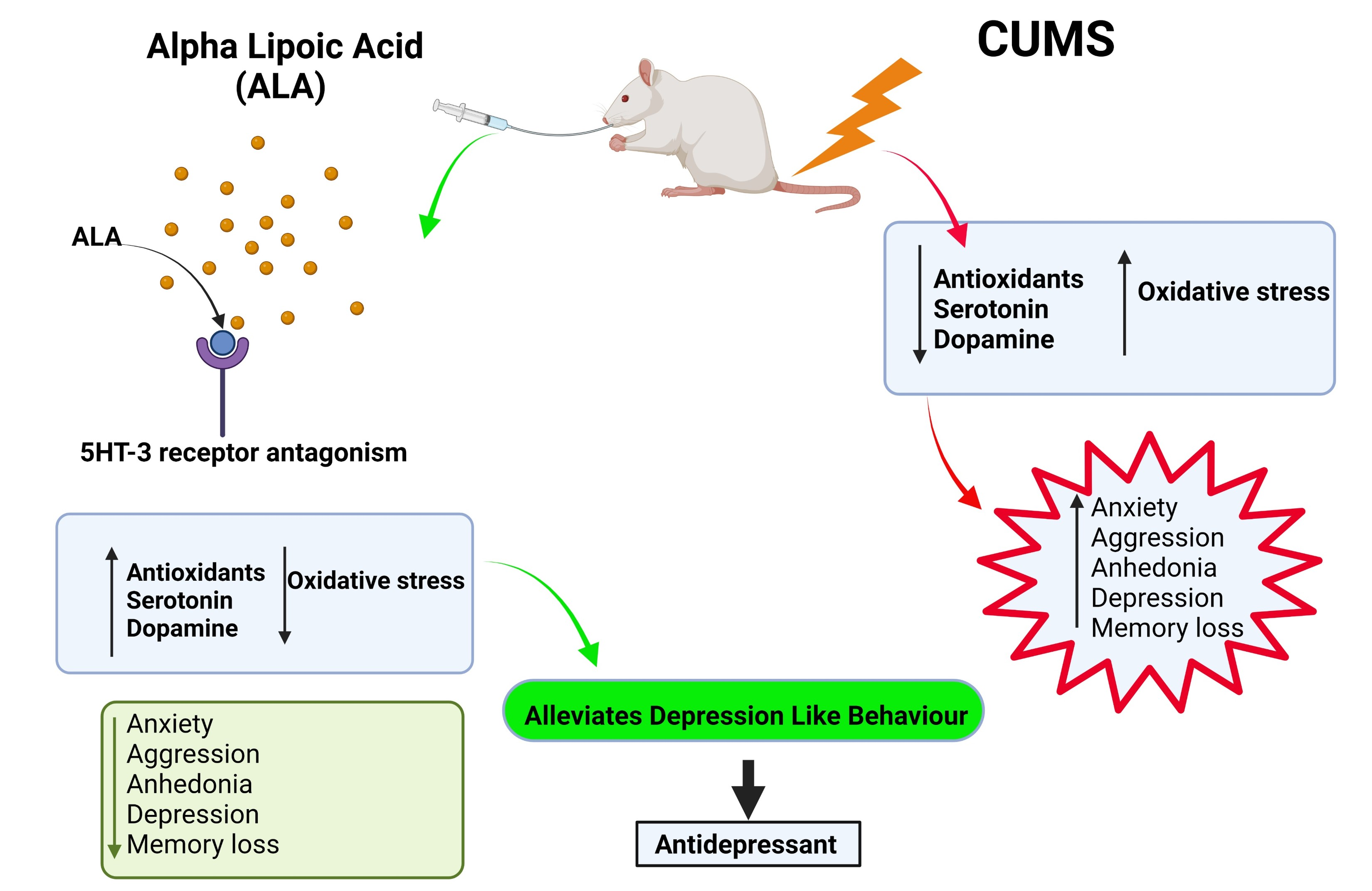
One of the most significant alpha lipoic acid effects is its ability to "recharge" other antioxidants. When antioxidants like vitamin C or glutathione neutralize a free radical, they become oxidized and temporarily inactive. ALA can donate electrons to these spent molecules, returning them to their active, reduced state. This synergy creates a more robust defense system against oxidative stress than any single antioxidant could provide alone.
Metabolic Effects and Insulin Sensitivity
One of the most clinically validated uses of alpha lipoic acid is in the management of glycemic control and insulin resistance.
Enhancement of GLUT4 Translocation
Insulin resistance occurs when cells stop responding efficiently to insulin, preventing glucose from entering the cell. ALA has been shown to stimulate the translocation of glucose transporter type 4 (GLUT4) to the cell membrane. This process mimics the action of insulin, effectively "opening the door" for glucose to exit the bloodstream and enter muscle and fat cells. This mechanism helps lower blood glucose levels and reduces the pancreatic demand for insulin production.
Mitigation of Advanced Glycation End-products (AGEs)
Chronic high blood sugar leads to the formation of advanced glycation end-products (AGEs), which are proteins or lipids that become glycated after exposure to sugars. AGEs contribute to the hardening of arteries, skin aging, and kidney damage. By improving glucose metabolism and acting as a direct scavenger, ALA reduces the accumulation of these harmful compounds, protecting tissues from long-term diabetic complications.
Neurological Benefits and Neuropathy Management
Perhaps the most established clinical application of ALA is the treatment of diabetic peripheral neuropathy. In many European countries, ALA has been a prescribed treatment for this condition for decades.
Reducing Oxidative Stress in Nerves
Diabetic neuropathy is characterized by pain, tingling, and numbness in the extremities, caused by high glucose levels damaging the small blood vessels that feed the nerves. ALA improves endoneurial blood flow and reduces oxidative stress within the nerve fibers themselves. Clinical trials, such as the NATHAN 1 study, have demonstrated that long-term supplementation with ALA can significantly reduce the symptoms of neuropathic impairment.
Cognitive Protection
Because ALA can cross the blood-brain barrier, it has been investigated for its neuroprotective effects in conditions like Alzheimer’s disease and multiple sclerosis. By reducing neuroinflammation and protecting neurons from oxidative damage, ALA may help slow the progression of cognitive decline. Research indicates that ALA helps maintain levels of acetylcholine, a neurotransmitter essential for memory and learning, which often becomes depleted in neurodegenerative states.
Effects on Weight Management and Body Composition
The role of alpha lipoic acid in weight loss is a subject of significant interest in 2026. While not a "miracle pill," it offers metabolic advantages that support healthy weight maintenance.
- AMPK Activation: ALA activates AMP-activated protein kinase (AMPK), often called the "metabolic master switch." AMPK activation increases fat burning and inhibits the synthesis of new fat cells.
- Appetite Suppression: Some studies suggest that ALA may inhibit AMPK activity specifically in the hypothalamus, which can lead to a reduction in food intake and increased energy expenditure.
- Clinical Outcomes: Meta-analyses have shown that individuals taking ALA supplements typically experience a modest but statistically significant reduction in body mass index (BMI) and waist circumference compared to placebo groups over 12 to 24 weeks.
Dermatological and Anti-Aging Effects
The "universal" nature of ALA makes it a popular ingredient in both oral supplements and topical skincare formulations.
Topical Application
When applied topically, ALA can penetrate the skin's lipid layers to reach the deeper dermis. It helps reduce the appearance of fine lines and wrinkles by protecting collagen from degradation. Furthermore, its ability to regulate nitric oxide production can improve skin blood flow, leading to a more vibrant complexion.
Protection Against UV Damage
Exposure to ultraviolet (UV) radiation generates a massive amount of free radicals in the skin. ALA helps neutralize these radicals before they can cause DNA damage or lead to the breakdown of elastin. In 2026, many high-end sunscreens and after-sun recovery creams include ALA to bolster the skin's intrinsic defense mechanisms.
Alpha Lipoic Acid Dosage and Bioavailability
The efficacy of ALA is highly dependent on the form and timing of the dosage.
R-ALA vs. S-ALA
Alpha lipoic acid exists in two mirror-image forms: R-alpha lipoic acid (the natural form) and S-alpha lipoic acid (the synthetic form). Most commercial supplements contain a 50/50 "racemic" mixture. However, the R-form is significantly more bioavailable and is the only form used by the body's enzymes. For therapeutic purposes, stabilized R-ALA is often preferred, though it is typically more expensive.
Absorption Requirements
ALA should ideally be taken on an empty stomach, approximately 30 to 60 minutes before a meal. Food can significantly decrease the absorption of the supplement. Because ALA has a short half-life in the blood (roughly 30 minutes), some practitioners recommend "sustained-release" formulations or dividing the daily dose into two or three smaller portions to maintain consistent plasma levels.
| Application | Recommended Dosage | Primary Goal |
|---|---|---|
| General Antioxidant Support | 100 - 300 mg daily | Cellular protection and longevity |
| Metabolic Syndrome / Insulin Resistance | 600 - 1,200 mg daily | Improved glucose disposal and GLUT4 activity |
| Diabetic Neuropathy | 600 - 1,800 mg daily | Reduction of nerve pain and oxidative damage |
| Weight Management Support | 600 - 1,200 mg daily | AMPK activation and fat metabolism |
| Cognitive Health | 600 mg daily | Neuroprotection and mitochondrial support |
Safety Profile and Potential Side Effects
While alpha lipoic acid is generally considered safe for most healthy adults, there are specific considerations regarding side effects and drug interactions.
- Gastrointestinal Distress: High doses (above 1,200 mg) may cause nausea, vomiting, or stomach upset in sensitive individuals.
- Hypoglycemia: Because ALA improves insulin sensitivity, it can lower blood sugar levels. Individuals taking insulin or oral hypoglycemic agents (like Metformin) must monitor their glucose closely to avoid hypoglycemia.
- Thyroid Interactions: ALA may interfere with the conversion of T4 to T3 or lower the levels of thyroid-stimulating hormone (TSH). Those on thyroid medication (e.g., Levothyroxine) should consult their physician and may need to separate the timing of their doses.
- B1 Deficiency: Long-term high-dose use of ALA can theoretically interfere with the activity of Vitamin B1 (Thiamine). Chronic alcohol users or those with existing deficiencies should ensure adequate B1 intake when supplementing with ALA.
Frequently Asked Questions
Can alpha lipoic acid help with fatty liver disease?
Yes, research suggests that ALA can be beneficial for Non-Alcoholic Fatty Liver Disease (NAFLD). By reducing systemic inflammation and oxidative stress in the liver, ALA helps decrease lipid peroxidation and may improve liver enzyme levels (AST and ALT).
How long does it take to see effects from ALA?
For metabolic or antioxidant benefits, changes may be noticed within 3 to 4 weeks. However, for chronic conditions like diabetic neuropathy, clinical trials suggest that consistent supplementation for at least 3 to 6 months is necessary to achieve significant symptomatic relief.
Does alpha lipoic acid interact with coffee?
There is no direct chemical interaction that makes ALA dangerous with coffee. However, both caffeine and ALA can increase metabolic rate and potentially affect blood sugar. If you have a sensitive stomach, taking ALA near your morning coffee might increase the risk of heartburn or nausea.
Is ALA safe during pregnancy?
While ALA is a natural compound, there is insufficient clinical data to confirm its safety for pregnant or breastfeeding women at supplemental doses. It is recommended to avoid supplementation during these periods unless specifically directed by a healthcare provider.
Why do some people experience a "sulfur" smell in their urine?
Because ALA is an organosulfur compound, the body breaks it down into sulfur-containing metabolites. Similar to the effect of asparagus, some individuals may notice a distinct sulfurous odor in their urine after taking high doses of the supplement. This is harmless and indicates the compound is being processed.
Can I get enough ALA from food?
While foods like spinach, broccoli, yeast, and organ meats (liver/kidney) contain ALA, the concentrations are extremely low. To reach the therapeutic levels used in clinical studies (300mg to 600mg), one would have to consume hundreds of pounds of these foods daily, making supplementation necessary for therapeutic goals.
Summary of Next Actions
If you are considering alpha lipoic acid for its metabolic or neuroprotective effects, start by determining your primary goal. For general health, a dose of 300 mg of R-ALA is often sufficient. If you are managing a condition like Type 2 Diabetes or neuropathy, consult your endocrinologist to integrate a higher dose of 600 mg to 1,200 mg safely into your regimen. Always prioritize a stabilized R-ALA form for maximum bioavailability and take it on an empty stomach to ensure the most consistent results.
Image Gallery