Why Professional Mold Remediation in Annapolis Maryland Matters in 2026
Mold remediation in Annapolis, Maryland, is critical due to the city’s high coastal humidity, historic architecture, and rising sea levels in 2026. Professional intervention prevents permanent structural rot, protects inhabitants from...
Mold remediation in Annapolis, Maryland, is critical due to the city’s high coastal humidity, historic architecture, and rising sea levels in 2026. Professional intervention prevents permanent structural rot, protects inhabitants from chronic respiratory illnesses caused by mycotoxins, and preserves property values in a competitive Mid-Atlantic real estate market where environmental disclosures are strictly enforced.
Contents
The Convergence of Climate and Geography in Annapolis
Annapolis occupies a unique geographic position that makes it a prime environment for fungal growth. Situated at the mouth of the Severn River and hugging the Chesapeake Bay, the city experiences a humid subtropical climate that has become increasingly volatile. As of 2026, data suggests that the Mid-Atlantic region continues to see a rise in annual precipitation and "nuisance flooding" events. These environmental factors contribute to a high baseline indoor humidity level, often exceeding the 60% threshold where mold spores transition from a dormant state to active colonization.
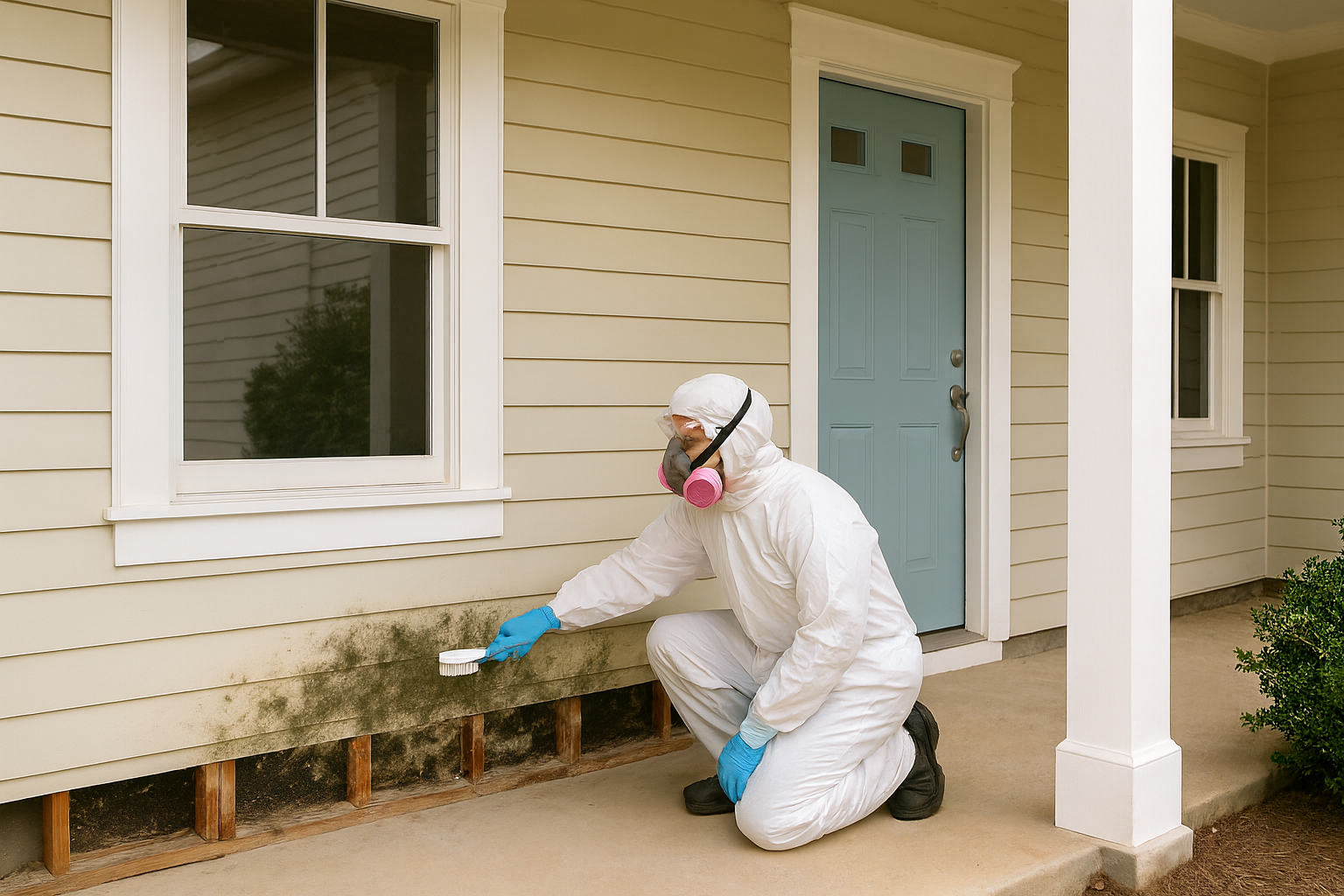
The maritime influence is not merely a matter of comfort; it is a structural challenge. The salt-laden air and high dew points mean that moisture can become trapped within wall cavities, especially in older homes that lack modern vapor barriers. When water vapor infiltrates porous materials like wood, drywall, and insulation, it creates a nutrient-rich environment for species such as Stachybotrys chartarum (often called black mold) and Aspergillus. Without professional remediation to address the root moisture source, simply cleaning the surface will never solve the problem, as the mycelium—the "root" system of the mold—remains embedded in the substrate.
Health Implications of Mold Exposure in the Mid-Atlantic
The primary reason mold remediation matters in Annapolis is the protection of human health. In 2026, medical research has further clarified the link between indoor air quality (IAQ) and chronic inflammatory response syndrome (CIRS). Mold does not just produce allergens; it produces secondary metabolites known as mycotoxins, which can be aerosolized and inhaled.
For residents of Annapolis, particularly those in older, less-ventilated historic homes, the health risks are stratified into three main categories:
- Allergic Responses: This is the most common reaction, manifesting as sneezing, runny nose, red eyes, and skin rashes. For the many residents who already suffer from seasonal allergies related to Maryland’s local flora, mold exposure can compound these symptoms, leading to chronic sinus infections.
- Respiratory Distress: Individuals with asthma or chronic obstructive pulmonary disease (COPD) are at significant risk. Mold spores act as powerful triggers for bronchospasms. In children, long-term exposure in the home has been linked to the development of childhood asthma.
- Mycotoxicosis: Certain molds produce toxic compounds that can affect the neurological system and immune function. Symptoms can include cognitive impairment (often described as "brain fog"), extreme fatigue, and digestive issues.
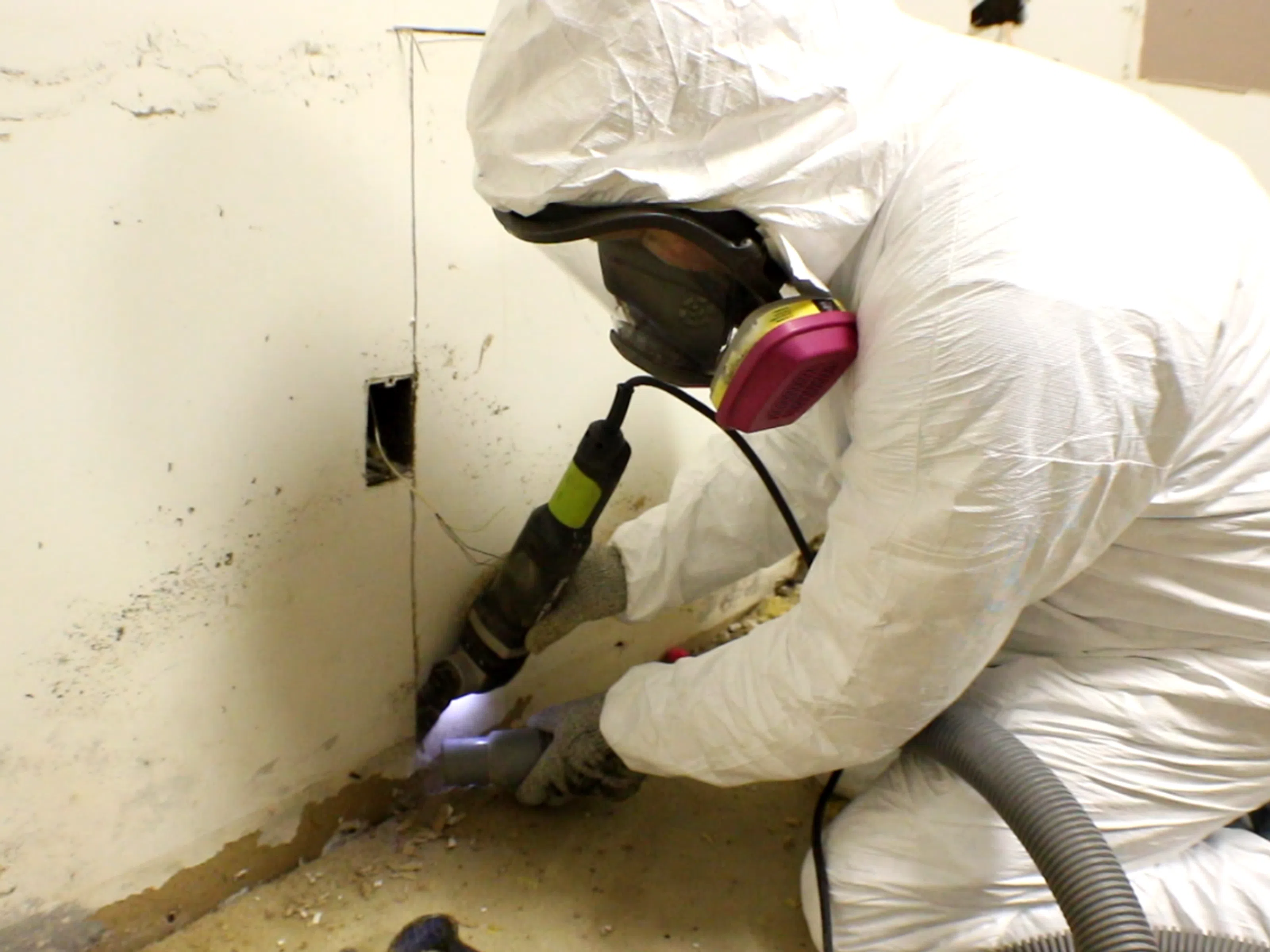
Professional remediation is essential because the process of removing mold often releases a massive burst of spores into the air. Without the negative air pressure and HEPA filtration used by experts, a DIY cleaning attempt can actually increase the concentration of airborne toxins, making the home more dangerous than it was before the cleanup started.
Preserving the Structural Integrity of Annapolis Heritage
Annapolis is famous for its high concentration of 18th- and 19th-century buildings. These structures are part of the city’s soul, but they are also highly susceptible to the corrosive effects of mold. Historic materials, such as old-growth timber, lime-based mortar, and original lath-and-plaster walls, react differently to moisture than modern materials.
When mold takes hold in a historic Annapolis home, it begins a process of biological degradation. Mold survives by secreting enzymes that break down organic matter—specifically cellulose. In a modern home, this might mean replacing a few sheets of drywall. In a historic landmark, it could mean the loss of irreplaceable architectural details or the weakening of structural beams that have stood for 250 years.
Remediation in this context requires a delicate balance. It is not just about killing the mold; it is about doing so without damaging the historic fabric of the building. Professionals trained in historic preservation and mold remediation use specialized techniques, such as dry-ice blasting or specific antimicrobial treatments that are non-corrosive to ancient wood and masonry.
The Economic Impact: Property Value and Insurance in 2026
From a financial perspective, ignoring mold in an Annapolis property is a high-stakes gamble. The 2026 real estate market in Maryland requires rigorous disclosures. Sellers are legally obligated to disclose known environmental hazards, including past or present mold issues. A history of unresolved mold can lead to:
- Decreased Property Value: Homes with a history of mold issues often sell for 10% to 20% less than comparable "clean" homes, as buyers factor in the cost of potential future remediation and the perceived health risk.
- Difficulty Securing Insurance: Insurance carriers have become increasingly restrictive regarding mold coverage. Many standard homeowners' policies in Maryland now have "mold caps" (often limited to $5,000 or $10,000), which may not cover the full cost of a major remediation project. Furthermore, if a mold problem is deemed to be the result of "neglect" or "lack of maintenance"—such as a long-term slow leak that was ignored—the claim may be denied entirely.
- Liability for Landlords: For those owning rental properties in Annapolis, failing to provide a mold-free environment can lead to significant legal liability under "habitability" laws. In 2026, courts are increasingly siding with tenants in cases where mold exposure has led to documented health declines.
Technical Comparison: DIY vs. Professional Remediation
| Feature | DIY Cleaning (Bleach/Vinegar) | Professional Remediation (IICRC S520 Standards) |
|---|---|---|
| Detection | Visible mold only | Thermal imaging and moisture mapping |
| Containment | None; spores spread through the HVAC | Physical barriers and negative air pressure |
| Root Cause | Surface treatment only | Identification and repair of moisture source |
| Air Quality | Spore counts often increase during cleaning | HEPA air scrubbing and post-remediation testing |
| Safety | High risk of exposure to toxins | Technicians use full PPE and respirators |
| Documentation | None | Detailed reports for insurance and resale |
| Long-term Result | Frequent regrowth within weeks | Guaranteed removal with preventative coatings |
The Step-by-Step Professional Remediation Process
Understanding why remediation matters also involves understanding the complexity of the professional process. In 2026, professional firms in Annapolis follow a standardized protocol to ensure the mold is not just gone, but that it stays gone.
1. Assessment and Moisture Mapping
The first step is not looking for mold, but looking for water. Using infrared cameras and moisture meters, technicians identify "cold spots" behind walls where condensation or leaks are occurring. This ensures the source of the moisture is addressed, which is the only way to prevent recurrence.
2. Containment and Air Pressure
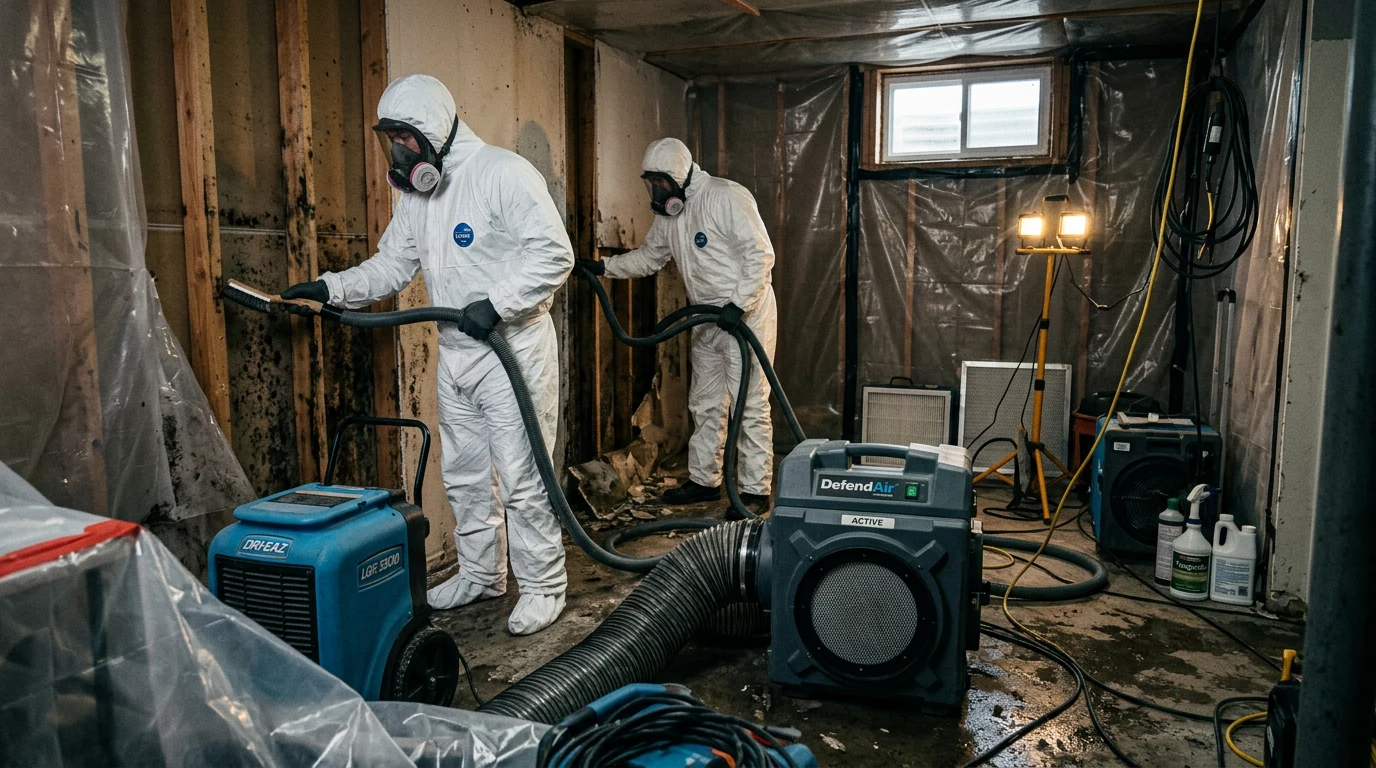
To prevent cross-contamination, the affected area is sealed off using heavy-duty plastic sheeting. Professional-grade air scrubbers equipped with HEPA filters are used to create negative air pressure. This ensures that any air leaking out of the containment zone is filtered, preventing spores from migrating to the kitchen, bedrooms, or living areas.
3. Removal of Impacted Materials
Materials that are "porous" and heavily infested—such as drywall, carpet padding, and insulation—cannot be effectively cleaned and must be removed and disposed of as biohazardous waste. "Semi-porous" materials like structural studs are sanded and treated.
4. HEPA Vacuuming and Antimicrobial Cleaning
Once the bulk material is removed, all surfaces are HEPA vacuumed to capture microscopic spores. Then, an EPA-registered antimicrobial solution is applied to kill any remaining fungal colonies and inhibit future growth.
5. Drying and Dehumidification
Before the "build-back" or reconstruction phase begins, the area must be bone-dry. Industrial-strength dehumidifiers and high-velocity air movers are used to bring the moisture content of structural members down to safe levels (typically below 12-15%).
6. Post-Remediation Verification (PRV)
A third-party environmental consultant often performs air quality testing after the work is completed but before the containment is removed. This provides the homeowner with "clearance" documentation, proving the air inside the house is as clean as, or cleaner than, the air outside.
Common Myths About Mold in Annapolis
A significant barrier to effective remediation is the persistence of several myths. One of the most dangerous is that "bleach kills mold." While bleach can remove the stain of mold on non-porous surfaces like tile, it is mostly water. On porous surfaces like wood or drywall, the water in the bleach soaks into the material, actually feeding the mold roots that the chlorine cannot reach.
Another myth is that mold is only a problem in "dirty" houses. In the Annapolis climate, mold is an environmental reality that can affect the most meticulously maintained homes. It is a biological response to moisture, not a reflection of housekeeping standards. Whether it is a luxury waterfront estate or a cozy apartment near the Navy-Marine Corps Memorial Stadium, no building is immune to the laws of biology and physics.
FAQs
How do I know if I need professional remediation or just a good cleaning?
If the affected area is larger than 10 square feet (roughly a 3x3 foot patch), the Environmental Protection Agency (EPA) and Maryland state guidelines recommend professional intervention. Additionally, if you can smell a persistent musty odor but cannot see the mold, or if residents are experiencing unexplained respiratory issues, a professional assessment is necessary to find hidden growth behind walls or under floors.
Is mold remediation covered by Maryland homeowners' insurance?
Coverage depends entirely on the cause of the mold. If the mold resulted from a "sudden and accidental" event, such as a pipe bursting or a water heater failing, it is generally covered, subject to your policy's mold limit. However, mold resulting from long-term humidity, seepage, or lack of maintenance is typically excluded. It is vital to review your 2026 policy riders specifically for environmental hazards.
How long does the remediation process usually take?
A typical residential remediation project in Annapolis takes between three and five days. This timeframe allows for the setup of containment, the removal of materials, the application of treatments, and the mandatory drying period. Larger commercial projects or historic restorations involving extensive structural drying may take longer.
Can I stay in my house during the mold remediation?
In many cases, yes, provided the area of contamination can be completely isolated and the HVAC system is not compromised. However, if the mold is widespread or located in primary living areas like the kitchen or only bathroom, it may be more comfortable to vacate for a few days. Professionals will always advise if the spore counts or chemical applications necessitate temporary relocation.
What is the average cost of mold remediation in Annapolis in 2026?
Costs vary significantly based on the size of the area and the materials involved. Minor bathroom remediation might range from $1,500 to $3,500, while basement or whole-house projects can range from $5,000 to over $20,000. In historic Annapolis districts, costs may be higher due to the care required to preserve original architectural elements and the logistics of working in older, tighter spaces.
Final Recommendation for Annapolis Residents
If you suspect mold in your Annapolis home or business, the first step is not to reach for a cleaning spray, but to conduct a thorough moisture inspection. Given the coastal risks of 2026, delaying action only increases the eventual cost and health risk. Engage a certified mold professional who understands the specific architectural and climatic challenges of the Chesapeake Bay area. Addressing the moisture source and professionally removing the contamination is the only way to ensure the long-term safety, structural integrity, and value of your property.
Image Gallery