Strategic Nutrition: The Best Lunch Meeting Food Ideas for Productive Teams in 2026
Selecting the best lunch meeting food involves balancing nutritional density with logistical ease. To maximize team productivity, prioritize high-protein, low-glycemic meals such as Mediterranean mezze, modular grain bowls, and lean pr...
Selecting the best lunch meeting food involves balancing nutritional density with logistical ease. To maximize team productivity, prioritize high-protein, low-glycemic meals such as Mediterranean mezze, modular grain bowls, and lean protein wraps. These options prevent the "afternoon slump" by providing sustained glucose release rather than sugar-induced energy spikes and crashes.
Contents
The traditional "working lunch" has evolved significantly. In 2026, the intersection of corporate wellness and professional efficiency dictates that the food served during a meeting is just as important as the agenda itself. When a team gathers to solve complex problems or brainstorm new initiatives, the physiological impact of their meal directly influences their cognitive output, focus, and collaboration.
The Science of the Productive Lunch: Avoiding the Afternoon Slump
Productivity is inextricably linked to blood sugar stability. When teams consume high-carbohydrate, processed meals—such as traditional pizza or heavy pasta dishes—the body experiences a rapid spike in glucose. This is followed by a sharp insulin response, leading to the "postprandial somnolence" or the dreaded 2:00 PM crash. For a team in the middle of a strategic session, this translates to reduced mental clarity and flagging engagement.
To sustain high performance, the ideal lunch meeting menu focuses on complex carbohydrates, healthy fats, and lean proteins. These macronutrients take longer to digest, providing a steady stream of energy to the brain. According to research on nutrition and cognitive performance, foods rich in omega-3 fatty acids, antioxidants, and vitamins are essential for maintaining executive function throughout the workday.
The Role of "Brain Foods" in Professional Settings
In 2026, corporate catering has shifted toward "functional" ingredients. These are foods that offer health benefits beyond basic nutrition. For a productive team, this means including:
- Leafy Greens: High in Vitamin K and lutein, which support cognitive longevity.
- Fatty Fish: Salmon or mackerel provide DHA, essential for memory and focus.
- Berries and Nuts: Excellent as side options to provide antioxidants and healthy fats that fuel the brain's "white matter."
Essential Criteria for Lunch Meeting Catering
Beyond nutrition, the best lunch meeting food must satisfy several logistical requirements. A meal that is difficult to eat or requires excessive cleanup can distract from the meeting’s primary goals.
1. Ease of Consumption (The "One-Hand" Rule)
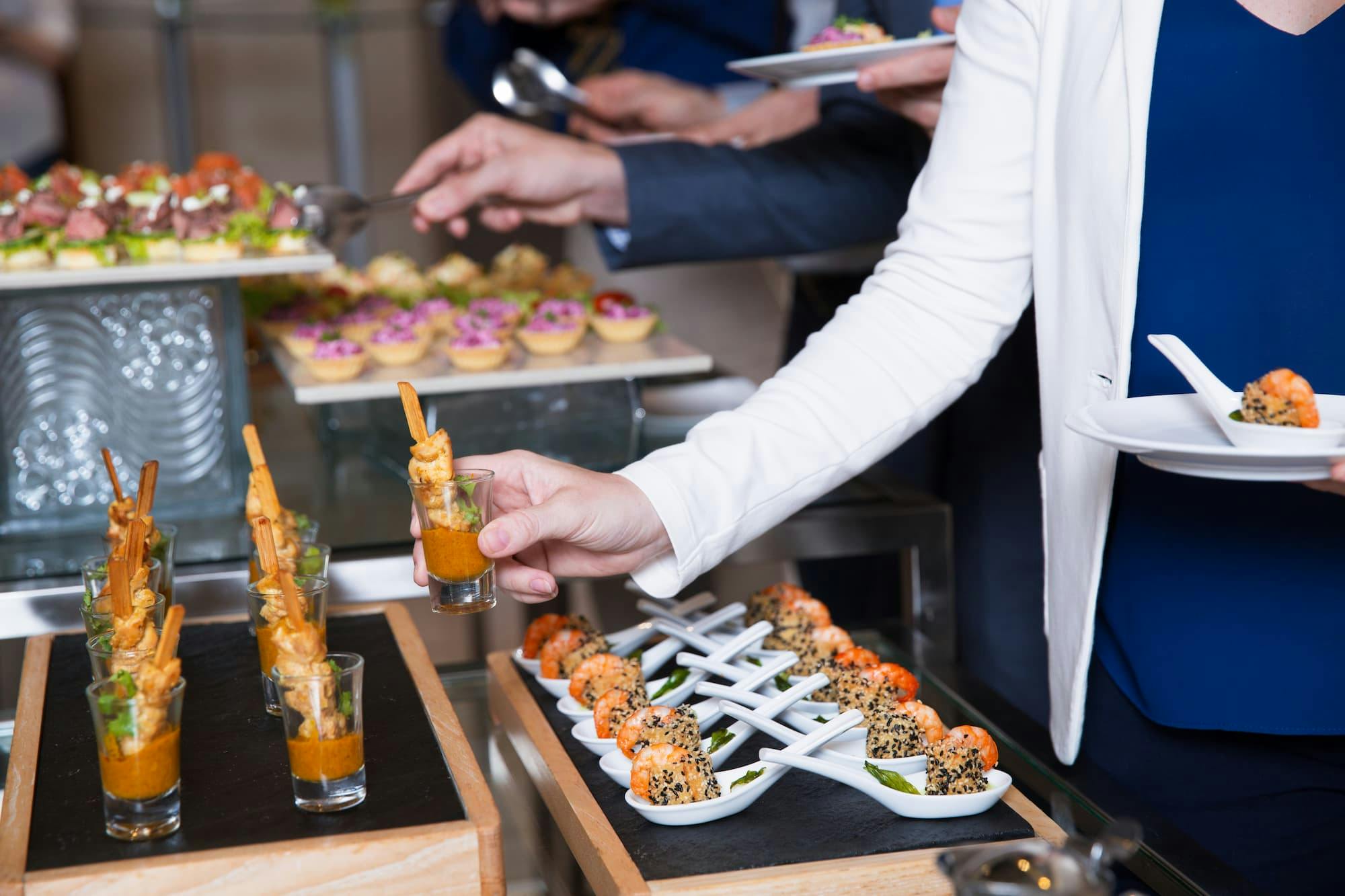
The most effective lunch meeting foods allow participants to eat while maintaining eye contact or taking notes. Foods that require heavy cutting, involve messy sauces, or are overly "crunchy" can create awkward pauses and distractions. Wraps, pre-cut skewers, and bite-sized bowls are generally superior to bone-in wings or large, overstuffed burgers.
2. Odor Management
In a shared office environment or a confined boardroom, strong aromas can be polarizing and distracting. Avoid heavy garlic, pungent onions, or fermented foods unless the entire team is comfortable with them. Neutral but flavorful options like herb-crusted chicken or roasted root vegetables are safer bets for professional settings.
3. Dietary Inclusivity
By 2026, dietary preferences and restrictions are standard considerations in every professional environment. A productive team is one where everyone feels included. At a minimum, a menu should cater to:
- Plant-based/Vegan: Essential for environmental and health-conscious team members.
- Gluten-Free: A common requirement for those with Celiac disease or gluten sensitivities.
- Allergen-Aware: Explicitly labeling nuts, dairy, and shellfish is no longer optional; it is a safety standard.
Top Lunch Meeting Food Ideas for 2026
The following categories represent the most effective catering choices for teams seeking to maintain high energy and focus.
The Mediterranean Mezze Platter
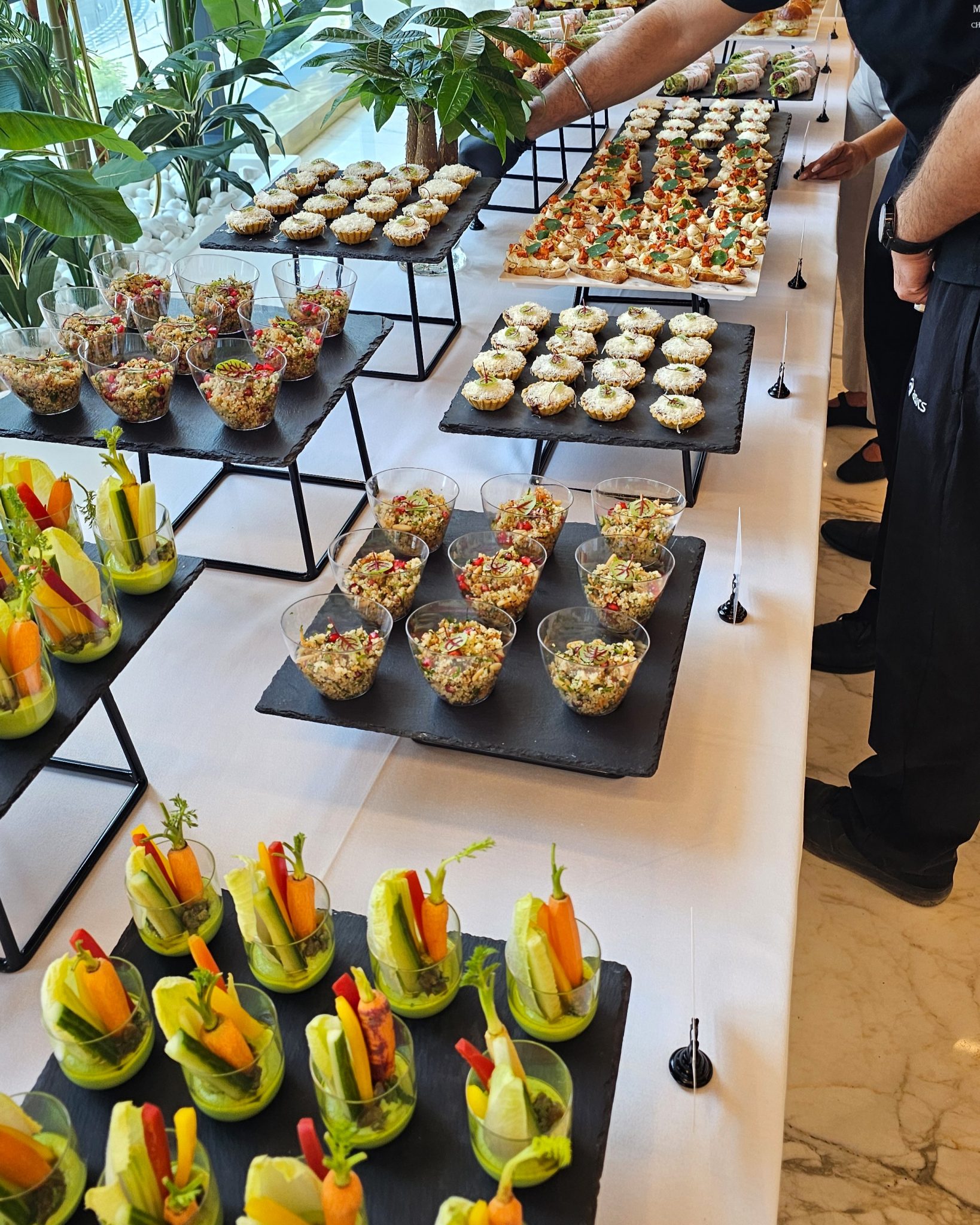
The Mediterranean diet remains the gold standard for healthy office catering. A mezze-style lunch is inherently modular, allowing team members to pick and choose based on their dietary needs.
- Components: Hummus, tabbouleh, grilled chicken skewers, falafel, roasted peppers, and whole-grain pita.
- Why it works: It provides a perfect balance of fiber and protein. Because the items are often served at room temperature, there is less pressure on immediate timing.
Modular Grain and Power Bowls
Grain bowls have become a staple of the 2026 workplace because they are easily customizable.
- Components: A base of quinoa or farro, topped with roasted sweet potatoes, kale, chickpeas, avocado, and a light lemon-tahini dressing.
- Why it works: These bowls are dense in micronutrients and fiber. Since they are served in individual containers, they reduce the risk of cross-contamination and make cleanup significantly faster.
Gourmet Wrap Trays
While sandwiches are a classic, wraps often provide a better ratio of filling to bread, reducing the heavy "carb load" that leads to drowsiness.
- Components: Turkey and avocado with sprouts, grilled vegetable and pesto, or smoked salmon and cucumber. Use spinach or whole-wheat tortillas for extra nutrients.
- Why it works: They are portable, easy to eat with one hand, and less likely to fall apart than traditional sliced bread.
Bento Boxes (Individual Curation)
The Japanese-inspired bento box is the ultimate "focused" lunch.
- Components: A small portion of protein (like teriyaki salmon), a side of steamed edamame, a small salad, and a portion of brown rice.
- Why it works: Bento boxes provide built-in portion control, which prevents overeating—a major cause of afternoon fatigue.
Comparison of Lunch Meeting Food Categories
| Food Category | Productivity Impact | Ease of Eating | Dietary Flexibility | Cleanup Time |
|---|---|---|---|---|
| Mediterranean | High (Sustained Energy) | Moderate | Excellent | Low |
| Grain Bowls | High (Fiber-Rich) | High | High | Very Low |
| Gourmet Wraps | Moderate | Very High | Moderate | Very Low |
| Traditional Pizza | Low (Sugar Crash) | High | Low | Low |
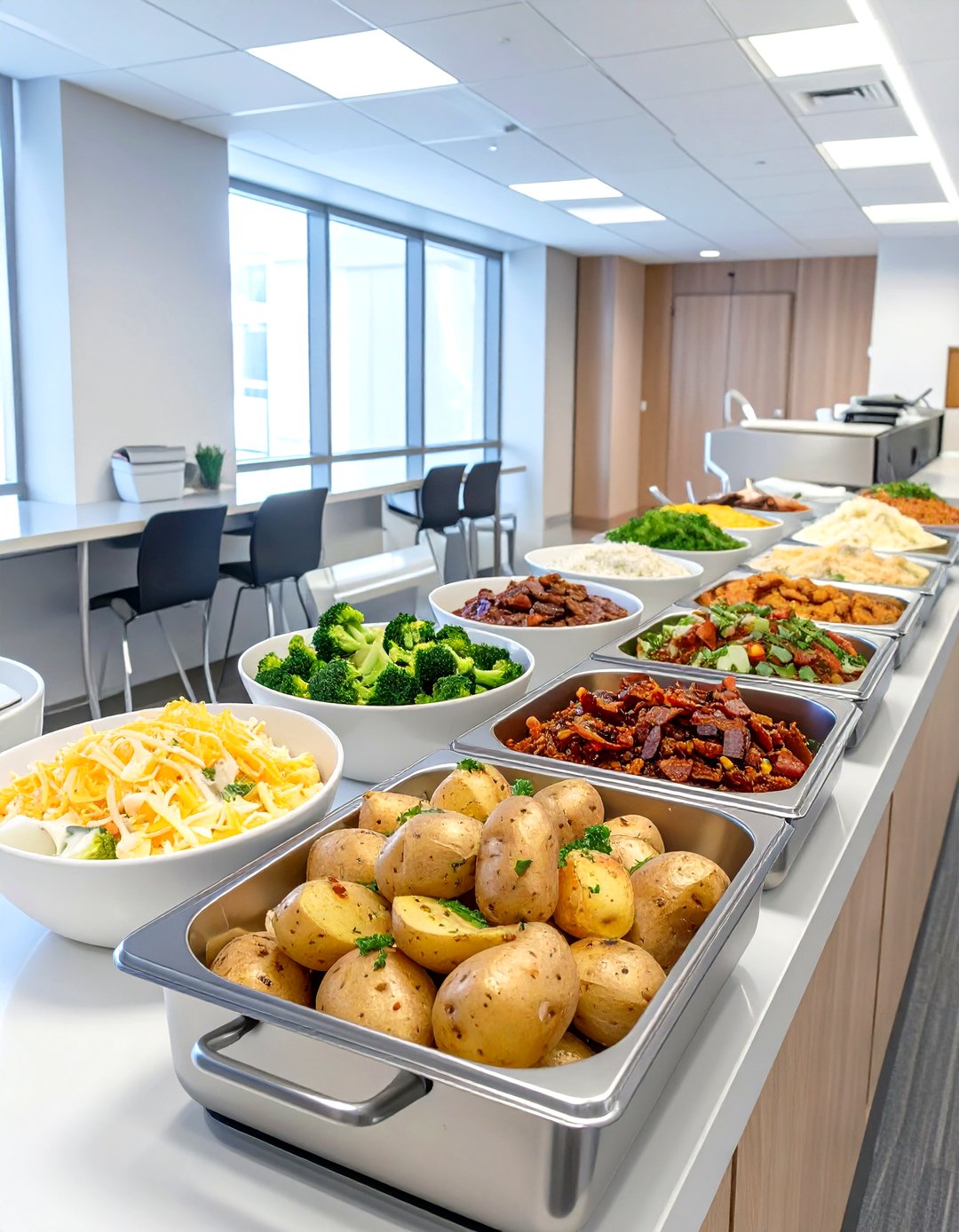
| Hot Buffet | Moderate | Low | High | High |
Logistics and Timing: Setting the Stage for Success
Even the best food can be a hindrance if the logistics are handled poorly. To ensure the meeting remains productive, follow these operational guidelines.
Timing the Arrival
Food should be set up 15 minutes before the meeting officially begins. This allows team members to fix their plates and settle in so that when the clock strikes the hour, the focus can shift entirely to the agenda. If the meeting is a formal presentation, consider a "soft start" where lunch is eaten during the first 10 minutes of casual updates before diving into heavy data.
Presentation and Utilities
Ensure that all necessary utensils, napkins, and waste bins are readily available and positioned away from the main discussion area. This prevents people from "walking through" a presentation to get a fork. In 2026, sustainability is a priority; use compostable or reusable service ware to align with corporate social responsibility (CSR) goals.
Hydration: Beyond Soda
Sugar-laden sodas are productivity killers. Provide a variety of hydration options that support mental clarity:
- Sparkling Water: Cleanses the palate and provides a refreshing break.
- Infused Water: Cucumber, mint, or lemon-infused water offers flavor without the sugar spike.
- Green Tea: Contains L-theanine, which has been shown to promote focus when paired with caffeine.
Common Mistakes in Lunch Meeting Planning
Avoiding these common pitfalls will ensure your team remains energized rather than exhausted.
- Over-Ordering Carbs: Avoid the temptation to fill the table with bread baskets and potato chips. These provide "empty" calories that offer no long-term cognitive benefit.
- Neglecting the "After-Lunch" Transition: If the meeting continues for hours after lunch, provide a "bridge snack" like almonds or dark chocolate to maintain blood sugar levels through the late afternoon.
- Ignoring the "Mess Factor": Foods like spaghetti, bone-in ribs, or tacos with loose fillings can lead to spills and stains, creating a self-conscious and distracted team.
- Forgetting Temperature Control: Lukewarm chicken or wilted salads are unappealing and can be a safety risk if left out too long. Use insulated carriers or ice trays as needed.
Frequently Asked Questions (FAQ)
Is it better to serve hot or cold food during a meeting?
Cold or room-temperature food (like wraps or salads) is generally better for meetings. It requires less equipment (no chafing dishes), produces less steam and aroma, and remains palatable if the meeting runs long. Hot food can be distracting due to the smell and the urgency to eat it before it cools.
How do I handle a team with vastly different dietary needs?
The best approach is the "Modular" or "Build-Your-Own" strategy. By providing a base (like greens or grains) and keeping proteins and dressings separate, each individual can construct a meal that fits their specific needs (Vegan, Keto, GF, etc.) without the host having to order five different specialized meals.
What is the ideal time for a lunch meeting to start?
A start time of 11:45 AM or 12:00 PM is ideal. This aligns with most people's natural circadian rhythms for hunger. Starting much later can lead to "hangry" participants who are less collaborative, while starting earlier can feel rushed for those still finishing morning tasks.
Should I provide dessert in a lunch meeting?
If you provide dessert, keep it small and low-sugar. Fresh fruit skewers or dark chocolate-covered nuts are excellent choices. Large slices of cake or sugary cookies will almost certainly guarantee an energy crash shortly after the meeting ends.
How much should I budget per person for a high-quality meeting lunch in 2026?
Budgeting varies by location, but for high-quality, nutritionally balanced catering that includes delivery and sustainable packaging, expect to spend between $25 and $40 per person in major metropolitan areas. While this is higher than fast food, the ROI in terms of team focus and morale often justifies the cost.
Final Recommendation for Productive Teams
For the most consistent results, standardize your lunch meetings around the "Power Bowl" or Mediterranean Mezze models. These formats offer the highest density of brain-boosting nutrients while providing the flexibility needed for modern dietary requirements. By treating the lunch meeting as a strategic investment in team energy rather than just a logistical hurdle, organizations can significantly improve the quality of their collaborative work.
Image Gallery