BYU Joins the Big 12: A Comprehensive Look at the 2023-24 Transition and Long-Term Impact
Brigham Young University (BYU) officially joined the Big 12 Conference on July 1, 2023, ending an 11-year period of football independence and membership in the West Coast Conference (WCC) for other sports. This move provided BYU with a...
Brigham Young University (BYU) officially joined the Big 12 Conference on July 1, 2023, ending an 11-year period of football independence and membership in the West Coast Conference (WCC) for other sports. This move provided BYU with a stable home in a Power Five (now Power Four) conference, significantly increasing athletic revenue, enhancing recruiting capabilities, and ensuring consistent high-level competition across all 21 varsity sports.
Contents
The Path to Power Five: Why BYU Joined the Big 12
The journey to the Big 12 was a decade-long endeavor driven by the shifting tectonic plates of collegiate conference realignment. Following its departure from the Mountain West Conference in 2011, BYU pursued a unique path: independence for its storied football program and WCC membership for most other sports. While this provided the "BYU brand" with national exposure through a dedicated ESPN broadcasting contract, the lack of a clear path to the College Football Playoff and the financial disparity between independent programs and conference members created an unsustainable ceiling.
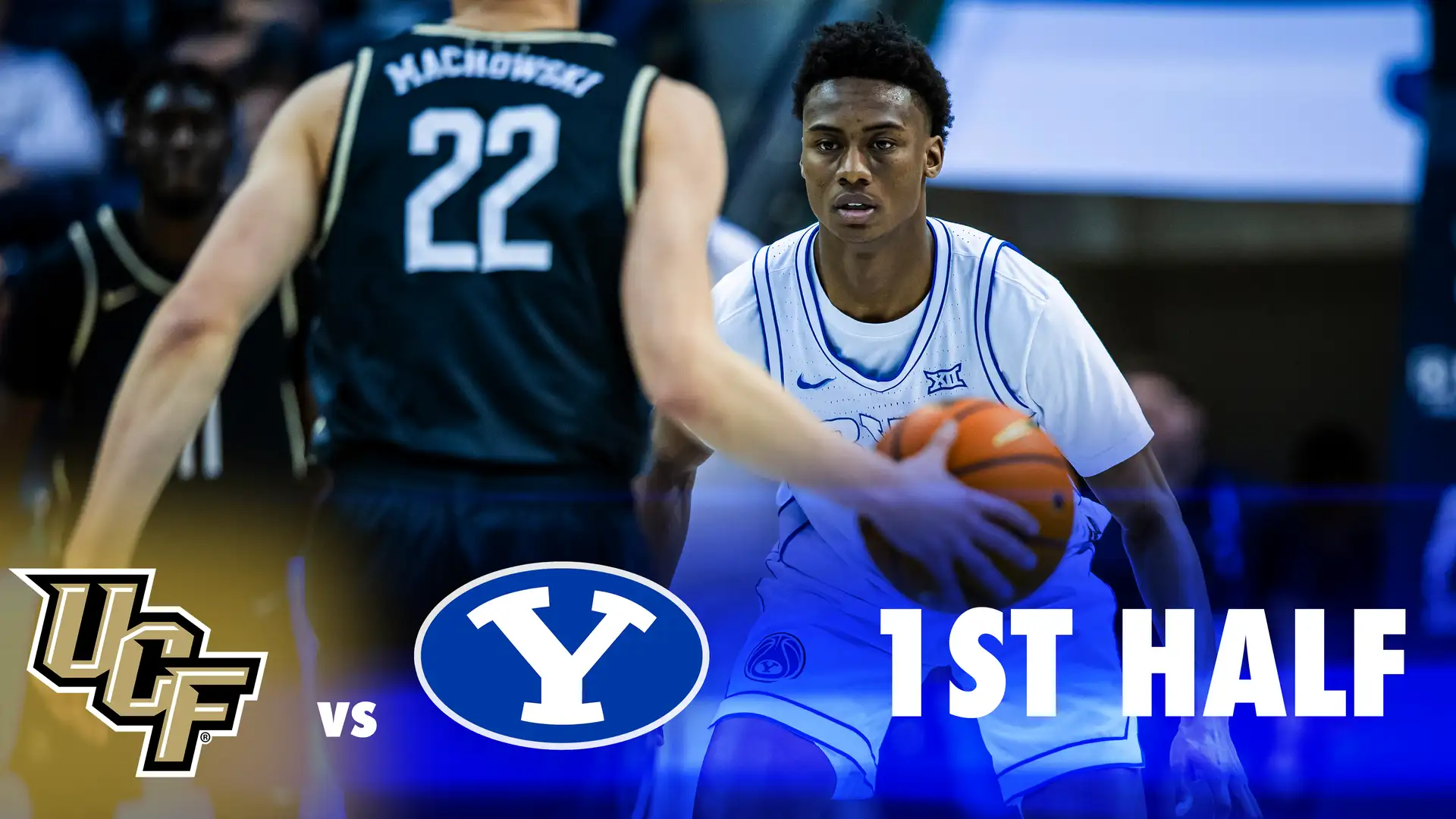
The invitation to join the Big 12, extended in September 2021, was a reaction to the departure of Texas and Oklahoma to the SEC. To maintain its status as a premier conference, the Big 12 looked to BYU, alongside the University of Central Florida (UCF), the University of Cincinnati, and the University of Houston, to solidify its future. For BYU, the move represented more than just a schedule change; it was a validation of its national standing and a necessary step to remain competitive in an era of massive media rights deals and Name, Image, and Likeness (NIL) developments.
By the time the 2023-24 season arrived, the university had undergone massive administrative and logistical preparations. This included upgrading facilities to meet Power Five standards and restructuring its internal broadcasting arm, BYUtv, to align with the Big 12’s existing agreements with ESPN and FOX Sports.
Financial and Structural Implications of the Move
One of the primary drivers for BYU joining the Big 12 was financial security. As an independent, BYU's media revenue was largely tied to its individual deal with ESPN. While lucrative for an independent, it paled in comparison to the per-school distributions shared by members of major conferences.
Revenue Distribution and Media Rights
Upon joining in 2023, BYU entered a transition period regarding revenue sharing. While the specific terms of "buy-in" periods are often confidential, it is standard for new members to receive a partial share of media rights revenue before reaching a full "pro-rata" share. By the current 2025-26 cycle, BYU has integrated fully into the Big 12’s financial ecosystem. The Big 12’s media rights deal, which runs through 2031, provides each member institution with an estimated $31 million to $50 million annually from television revenue and CFP distributions alone.
This influx of capital has been directed toward several key areas:
- Coaching Salaries: To retain elite coaching talent in a competitive market, BYU has significantly increased its salary pools for both head coaches and assistants.
- Nutrition and Sports Medicine: The university expanded its support staff to include more specialized roles in player recovery and mental health.
- Recruiting Budgets: Power Five recruiting requires a national and international presence, necessitating higher travel and marketing expenditures.
The Role of BYUtv
A unique aspect of BYU’s transition was the integration of its proprietary network, BYUtv. Previously, BYUtv held the rights to many home games and Olympic sports. Under Big 12 regulations, media rights are centralized. BYU had to navigate the "Tier 3" rights landscape, eventually moving much of its content to Big 12 Now on ESPN+. However, the university maintained a level of production autonomy that allowed BYUtv to continue providing high-quality coverage of non-conference events and behind-the-scenes programming, preserving a vital link to its global alumni base.
Competitive Shifts: From Independence to Conference Play
The transition to the Big 12 for the 2023-24 season fundamentally altered how BYU programs approached their seasons. In the WCC, the basketball program primarily focused on a two-team race with Gonzaga. In football independence, the team often faced "front-loaded" schedules with several high-profile games in September followed by a lack of meaningful late-season matchups.
Football Scheduling and Depth
In the Big 12, BYU moved to a nine-game conference schedule. The challenge was not just the quality of the opponents, but the week-to-week attrition inherent in playing Power Five teams consecutively. In the 2023 season, the Cougars faced the reality that depth is the most critical factor in conference success. The physical toll of playing teams like Oklahoma State, West Virginia, and Kansas in successive weeks required a shift in roster construction, emphasizing larger offensive and defensive lines.
Basketball: Entering the Gauntlet
For BYU men’s and women’s basketball, the Big 12 represented a significant "step up" in competition. The Big 12 is widely regarded as the most difficult basketball conference in the United States. Moving from the WCC to a league where every road game is a "Quad 1" opportunity meant that BYU had to recalibrate its defensive schemes and offensive tempo. The 2023-24 season saw BYU basketball immediately prove it belonged, utilizing its high-altitude home-court advantage at the Marriott Center to upset several ranked conference foes.
| Feature | Pre-2023 (Independence/WCC) | Post-2023 (Big 12) |
|---|---|---|
| Primary Media Partner | ESPN (Independent Deal) | ESPN and FOX Sports (Joint Deal) |
| Annual Media Revenue | Estimated $10M - $15M | Estimated $31M - $45M+ (Full Share) |
| Football Schedule | 5-6 Power 5 opponents, varied mid-majors | 9 Conference games, 3 Non-conference |
| Basketball Ranking | Mid-Major (WCC) | High-Major (Power Four) |
| Postseason Access | Conditional Bowl tie-ins | Automatic CFP/New Year's Six access |
| Travel Geography | Primarily West Coast (WCC) | National (Florida to Utah, Ohio to Texas) |
Impact on Key Athletic Programs
The 2023-24 season served as a litmus test for BYU’s broad-based athletic department. While football and basketball garner the most attention, BYU’s "Olympic" sports—soccer, volleyball, and cross country—historically performed at an elite level.
Women’s Soccer and Volleyball
BYU Women’s Soccer entered the Big 12 as a national powerhouse. Their transition was seamless, as they were already accustomed to playing top-tier non-conference schedules. The move to the Big 12 allowed them to face programs like TCU and West Virginia regularly, enhancing their RPI (Ratings Percentage Index) and securing better seeding in the NCAA Tournament. Similarly, the Women’s Volleyball program, a perennial top-15 team, found the Big 12 to be a fertile ground for high-level competition, particularly against established programs like Texas (prior to their 2024 departure).
Men’s and Women’s Cross Country
BYU’s distance running programs are among the best in the world. The move to the Big 12 placed them in direct competition with Oklahoma State, another national distance-running hub. This rivalry has become a cornerstone of Big 12 track and field and cross country, often determining the national champion.
The View from 2026: Consolidation and Growth
Looking back from 2026, the 2023-24 transition was the start of a "Golden Era" for BYU Athletics. The university has successfully navigated the initial growing pains of conference travel and the increased physical demands of the Big 12.
The 2024 expansion of the Big 12—which added Arizona, Arizona State, Colorado, and Utah—further benefited BYU. It restored the "Holy War" rivalry with Utah as a conference game, ensuring that one of the most intense matchups in college football has postseason implications every year. Geographically, the addition of these Four Corners schools reduced the travel burden for BYU’s Olympic sports, providing more regional opponents.
Furthermore, BYU has leveraged its Big 12 status to excel in the NIL era. The "Cougar Connect" and other fan-driven collectives have utilized the increased visibility of Power Four athletics to provide BYU student-athletes with competitive opportunities, helping the school maintain its roster in the face of the transfer portal.
FAQs
What happened to BYU’s independence in football?
BYU ended its football independence on June 30, 2023. Starting with the 2023 season, BYU began playing a full Big 12 conference schedule. This move was necessary to ensure access to the expanded College Football Playoff and to secure a stable, long-term share of national media rights revenue.
How did BYU’s move affect its rivalry with the University of Utah?
Initially, the move put the schools in different conferences for one year (2023). However, with Utah joining the Big 12 in 2024, the rivalry was fully restored as a conference game. This has increased the stakes of the "Holy War," as the game now directly impacts the Big 12 standings and potential championship game berths.
Does BYUtv still broadcast BYU games?
BYUtv no longer holds the primary rights to football or basketball games, as those are now managed by the Big 12's contracts with ESPN and FOX. However, BYUtv still produces a significant amount of original content, pre-game and post-game shows, and certain Olympic sports that are often simulcast on Big 12 Now on ESPN+.
How has the Big 12 changed since BYU joined?
The conference has seen significant turnover. Shortly after BYU, UCF, Cincinnati, and Houston joined in 2023, the conference lost Texas and Oklahoma to the SEC in 2024. Simultaneously, the Big 12 added Arizona, Arizona State, Colorado, and Utah, creating a 16-team "super-conference" that stretches across three time zones.
What are the main benefits for BYU student-athletes in the Big 12?
Student-athletes benefit from increased national exposure, better facilities funded by higher conference revenues, and the opportunity to compete against the best programs in the country every week. Additionally, the move has enhanced the "pro-readiness" of athletes, as they are consistently scouted against Power Four competition.
Practical Recommendation for Fans and Stakeholders
For fans looking to follow BYU in the Big 12 era, the most important action is to secure access to ESPN+. As part of the Big 12 media deal, a vast majority of BYU’s Olympic sports, as well as several basketball and football games, are hosted on the Big 12 Now platform. Additionally, those interested in the financial and structural health of the program should monitor the official Big 12 Conference website for updates on bowl tie-ins and tournament structures, which have evolved since the 2023 transition.
Image Gallery