Optimizing Singapore Port Connectivity: Strategic Frameworks for 2026 Maritime Logistics
Singapore port connectivity represents the comprehensive integration of the Port of Singapore with global maritime trade routes, supported by advanced digital infrastructure and physical transshipment capabilities. As of 2026, the nati...
Singapore port connectivity represents the comprehensive integration of the Port of Singapore with global maritime trade routes, supported by advanced digital infrastructure and physical transshipment capabilities. As of 2026, the nation maintains its status as the world’s busiest transshipment hub by leveraging a network of over 600 ports across 123 countries, ensuring seamless cargo flow through high-frequency service intervals and intelligent port management systems.
Contents
The Architectural Foundation of Maritime Connectivity
Singapore's dominance in maritime logistics is not a result of geographic proximity alone but is fundamentally anchored in its role as a neutral, high-efficiency node. The connectivity is defined by its ability to facilitate the movement of goods between East-West trade lanes—connecting Europe and the Middle East to East Asia—while simultaneously anchoring North-South trade flows.
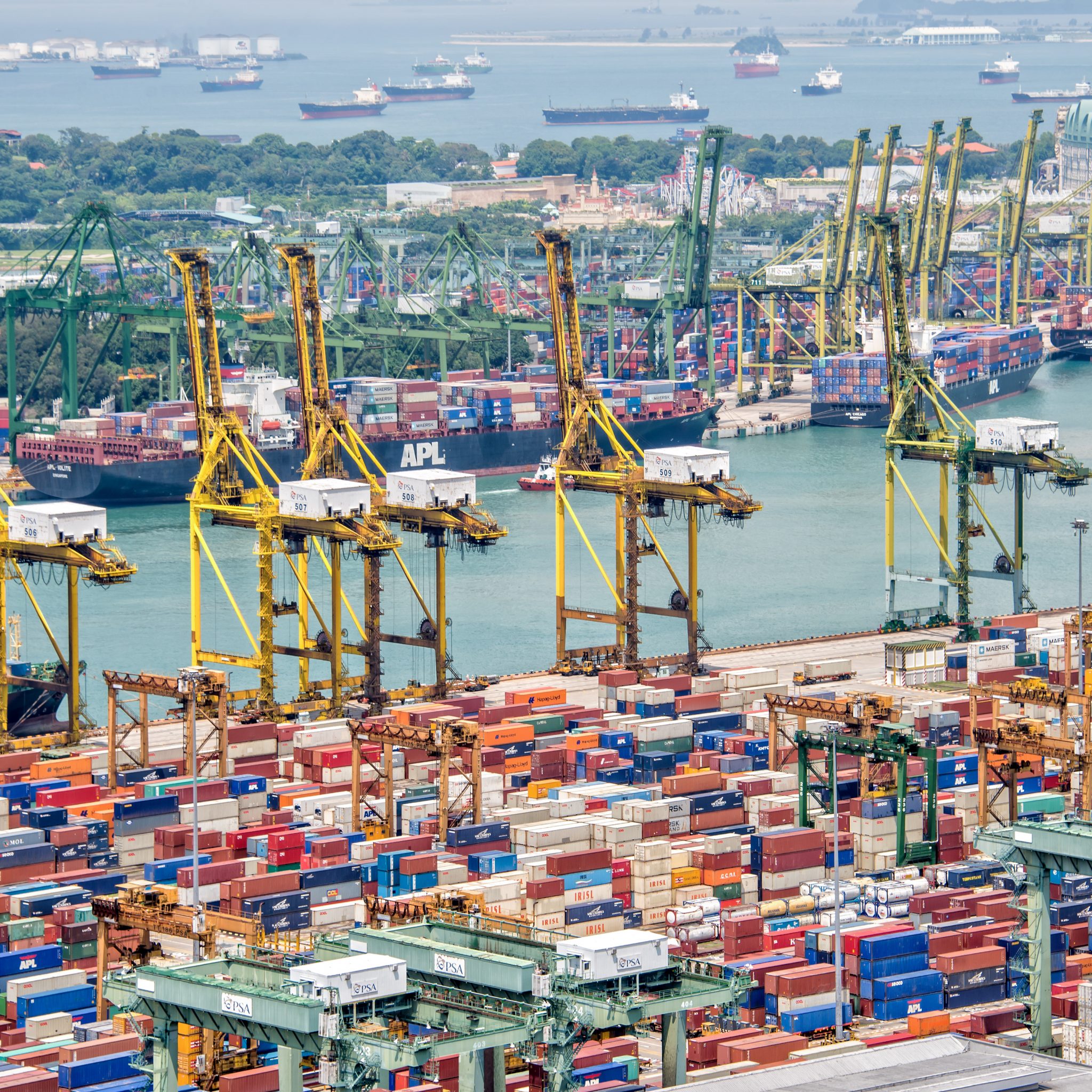
The Maritime and Port Authority of Singapore (MPA) oversees this connectivity through the Tuas Port development project. By 2026, the ongoing phased transition to Tuas Port has consolidated container operations, reducing inter-terminal trucking requirements and increasing overall terminal efficiency. The physical infrastructure supports the world's largest container vessels, with deep-water berths designed to accommodate the next generation of mega-ships currently entering service.
Digital Ecosystems and Port Community Systems
Connectivity in 2026 is as much about data as it is about deep-water berths. The Port of Singapore utilizes the Maritime Single Window (MSW) and the digital Port Community System to synchronize vessel arrival, berthing, and departure schedules. This digital fabric reduces port stay times and minimizes carbon emissions by allowing vessels to adopt just-in-time arrival protocols.
Key technological pillars driving this connectivity include:
- Real-time monitoring of vessel traffic through the Next Generation Vessel Traffic Management System (VTMS).
- Integration of Artificial Intelligence for predictive yard management and automated crane scheduling.
- Blockchain-enabled electronic bills of lading to accelerate documentation cycles and reduce manual processing errors.
- Automated Guided Vehicles (AGVs) that streamline the movement of containers within the automated terminal environment.
Strategic Comparison of Connectivity Metrics
To understand why Singapore remains the preferred hub for global carriers, it is necessary to examine the performance metrics that differentiate it from regional competitors. The following table highlights the critical operational standards maintained by Singapore as of 2026 compared to standard regional benchmarks.
| Connectivity Metric | Port of Singapore Standard | Regional Average Benchmark |
|---|---|---|
| Average Vessel Turnaround | < 24 Hours | 36 - 48 Hours |
| Direct Connectivity Index | World-Leading | Moderate |
| Digital Integration Level | Full API Automation | Manual / Semi-Automated |
| Sustainability Compliance | Net-Zero Ready (2050 Goal) | Regulatory Lagging |
| Inter-Terminal Transfer | Automated (Under 10 mins) | Road-Dependent (30-60 mins) |
The Role of Strategic Alliances and Trade Routes
The connectivity of Singapore is reinforced by the presence of major shipping alliances—OCEAN Alliance, THE Alliance, and 2M (or successor arrangements as per 2026 market structures). These alliances prioritize Singapore due to its strategic position and the reliability of its terminal operations.
Strategic Alliance Influence The operational reliance on Singapore is predicated on the high frequency of port calls. Carriers utilize the hub to aggregate cargo from various regional feeders, consolidating volume for long-haul voyages. This creates a feedback loop where high connectivity attracts more services, which in turn improves the frequency of connections for all stakeholders.
Managing Operational Risks and Bottlenecks
Despite the high level of connectivity, port operations in 2026 face challenges related to global supply chain volatility and environmental compliance mandates. To maintain high connectivity, the port focuses on two primary mitigation strategies:
- Buffer Capacity Management: Utilizing the vast yard capacity at Tuas Port to absorb surges in transshipment volume during global supply chain disruptions.
- Sustainability Integration: Implementing Green Port programs that offer financial incentives for vessels using alternative fuels, such as methanol or green ammonia, ensuring that the port remains connected to the global shift toward decarbonization.
Overcoming Infrastructure Limitations
For logistics providers and shipping lines, the primary challenge is integrating with these high-speed systems. Technical experts recommend adopting standardized API connections provided by the MPA to ensure that data flows are compatible with the port’s centralized operating systems. Failure to align with these protocols often results in increased administrative wait times and reduced throughput visibility.
Frequently Asked Questions
What defines the port connectivity index of Singapore? The index is a measure of a port’s integration into the global liner shipping network, calculated based on the number of scheduled vessel calls, the size of those vessels, and the total number of connected ports. Singapore consistently ranks at the top due to its massive scale and high-frequency service.
How does Tuas Port change connectivity for logistics companies? Tuas Port centralizes operations into a single, highly automated location, which significantly reduces the logistical friction previously caused by having multiple disconnected terminal locations. This creates a more predictable, scalable environment for transshipment.
What is the significance of the Maritime Single Window? The Maritime Single Window simplifies regulatory compliance by providing a unified digital portal for all vessel reporting requirements. This replaces fragmented paper-based processes, allowing for faster customs clearance and improved data transparency for all maritime stakeholders.
Are there specific requirements for vessels entering the port? Vessels must adhere to the MPA’s standards for navigation and safety, which includes mandatory participation in the digital traffic management systems. Furthermore, vessels are increasingly required to report carbon intensity indicators to ensure alignment with 2026 environmental regulations.
How do I integrate my logistics software with the Singapore system? Integration is achieved through official API endpoints provided by the MPA or through authorized Value-Added Service Providers (VASPs). Developers should consult the official maritime digital documentation to ensure compliance with current data security and transmission protocols.
Strategic Recommendations for Stakeholders
For global logistics managers and shipping entities looking to maximize their utility of the Singapore maritime hub, the priority must be total digital integration. Relying on legacy manual processes for cargo tracking or terminal appointments will inevitably lead to decreased operational efficiency in the 2026 landscape. Engage directly with the MPA’s digital resource portals to ensure that your local systems are fully synchronized with the port’s automated infrastructure, thereby securing priority throughput and reliable cargo scheduling.
Image Gallery