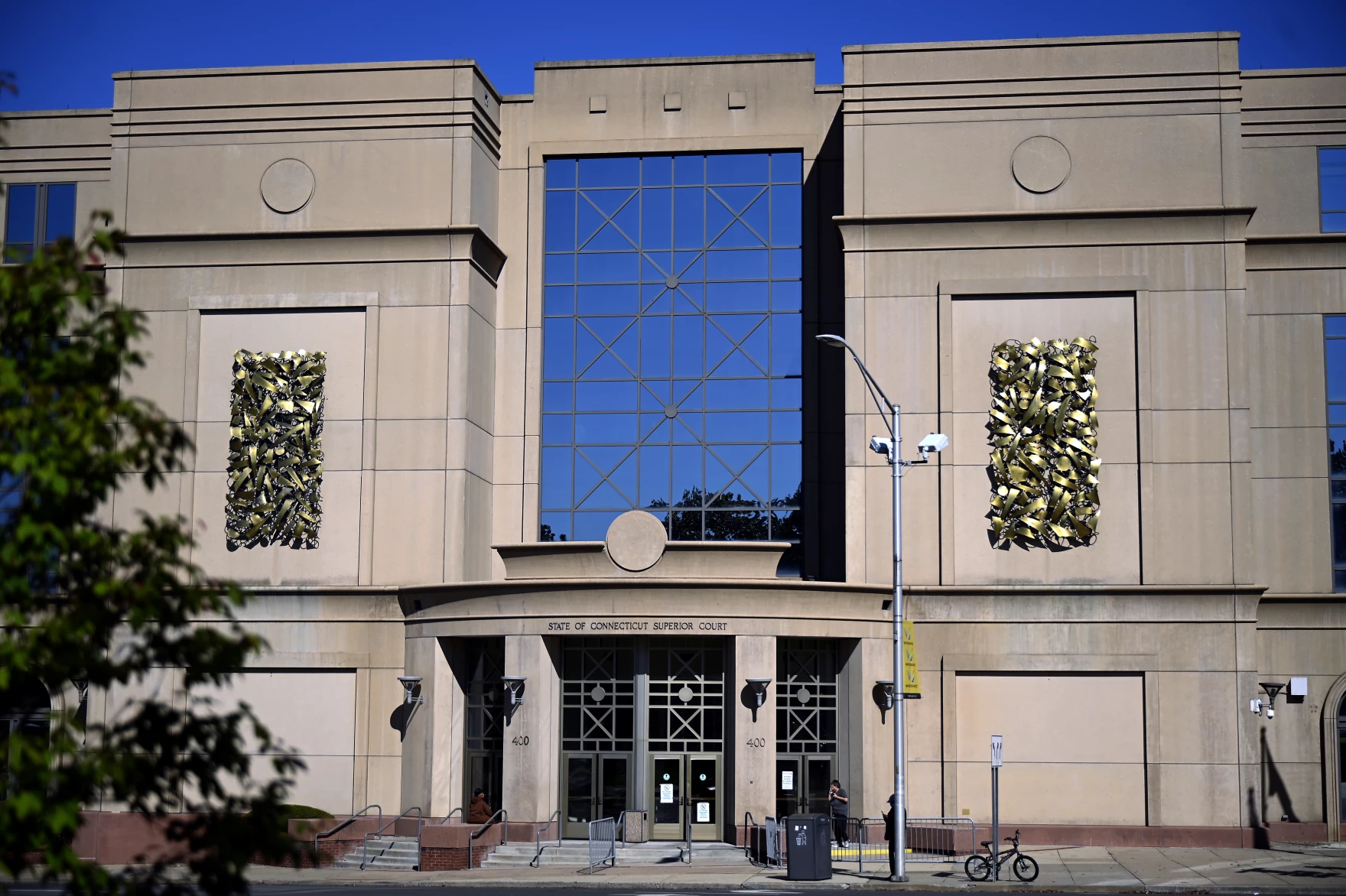
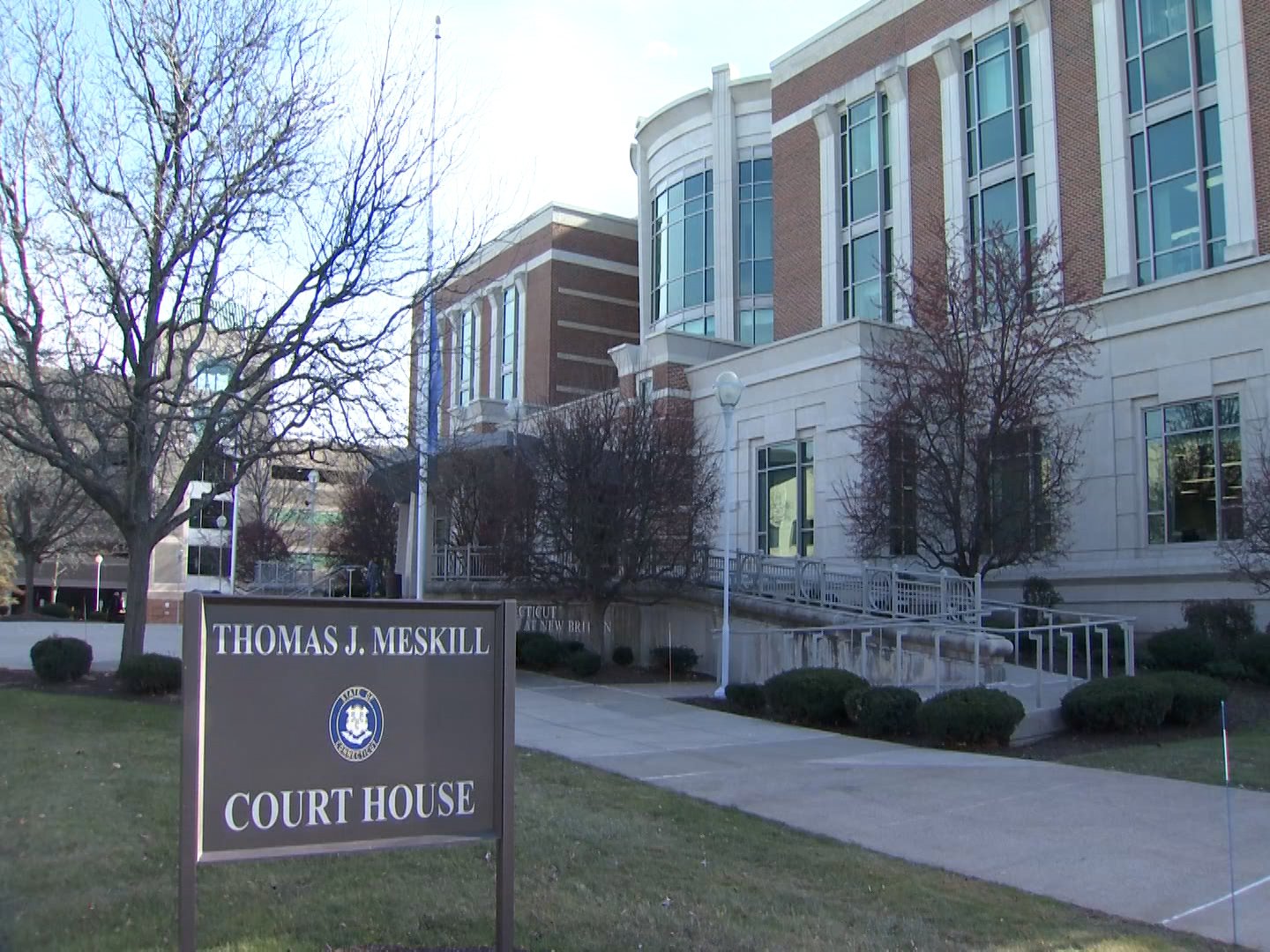
Navigating the Connecticut Judicial Branch: Comprehensive State Court System Guide for 2026
The Connecticut Judicial Branch operates as a unified state court system responsible for administering justice, resolving civil and criminal disputes, and maintaining public records. Understanding its structural hierarchy, electronic f...
The Connecticut Judicial Branch operates as a unified state court system responsible for administering justice, resolving civil and criminal disputes, and maintaining public records. Understanding its structural hierarchy, electronic filing platforms, and procedural workflows enables attorneys, litigants, and the public to navigate state legal matters efficiently under current 2026 operational guidelines.
Contents
Structure and Hierarchy of the Connecticut State Court System
The Connecticut court system is unified and state-funded, meaning all trial courts are organized under a single administrative authority managed by the Chief Court Administrator under the direction of the Chief Justice of the Supreme Court. Unlike states with fragmented municipal or county courts, Connecticut operates streamlined tiers designed to handle specific legal thresholds.
The constitutional and statutory framework establishes clear appellate and trial divisions. Understanding where a case originates prevents costly procedural dismissals and ensures adherence to jurisdictional mandates.
- Connecticut Supreme Court: The highest appellate court in the state, consisting of the Chief Justice and six Associate Justices. It reviews appeals primarily from the Appellate Court and, in limited expedited circumstances, directly from the trial courts on constitutional questions or matters of substantial public importance.
- Connecticut Appellate Court: An intermediate appellate tribunal that hears appeals from Superior Court judgments, administrative agency decisions, and family support magistrate rulings.
- Connecticut Superior Court: The sole trial court of general jurisdiction in the state. All civil, criminal, family, housing, and juvenile cases originate or are processed here across multiple judicial districts and geographical areas.
- Probate Courts: While distinct from the unified Superior Court, these local district courts handle matters regarding the estates of decedents, trusts, guardianships, conservatorships, and commitments.
Core Divisions of the Superior Court
Because the Superior Court handles nearly all trial-level litigation, it is subdivided into specialized dockets to manage specific types of legal matters effectively. Knowing the correct docket for a filing is essential for compliance with state court rules.
Civil matters involve monetary damages, injunctions, and contract disputes, while criminal proceedings handle felony and misdemeanor offenses prosecuted by the state. Family matters address dissolution of marriage, child custody, support, and domestic violence protection orders.
Housing dockets specialize in summary process (eviction) actions, housing code enforcement, and landlord-tenant disputes within designated urban centers. Small Claims sessions provide an expedited, simplified forum for disputes involving financial claims up to the statutory monetary threshold without requiring complex formal pleading rules.
Utilizing the Statewide E-Services and Electronic Filing Portal
The Connecticut Judicial Branch utilizes a centralized electronic filing and case lookup infrastructure. E-Services is mandatory for most attorneys and heavily utilized by self-represented parties for civil, housing, and family matters.
The platform allows registered users to submit legal documents, pay court fees securely, and receive electronic notices of court orders and scheduling notices. To maintain compliance with modern court technology standards, users must format documents correctly and verify docket associations prior to transmission.
- Case Look-up Features: The public case lookup tool permits real-time tracking of court calendars, docket entries, pending motions, and judgment dispositions across civil, criminal, and motor vehicle matters.
- Appearance Submissions: Attorneys and self-represented litigants must file formal appearances electronically to ensure proper service and notification of upcoming hearings or remote conference links.
- Transcript Requests: Court recording requests and official transcript orders for appellate review are coordinated through designated administrative workflows within the judicial district clerk offices.
Comparative Overview of Connecticut Court Tiers
| Court Level | Primary Jurisdiction | Review Standard / Function | Initial Filing Destination |
|---|---|---|---|
| Supreme Court | Constitutional questions, capital felony reviews, statewide policy appeals. | Final error correction, constitutional interpretation, and precedent setting. | Office of the Appellate Clerk |
| Appellate Court | Statutory appeals from Superior Court judgments and administrative rulings. | Error correction and review of trial court application of law. | Office of the Appellate Clerk |
| Superior Court | General trial jurisdiction for civil, criminal, family, and housing cases. | Fact-finding, witness testimony, jury trials, and initial judgments. | Geographical Area (G.A.) or Judicial District (J.D.) Clerk |
| Probate Court | Estates, trusts, conservatorships, guardianships, and adoptions. | Fiduciary supervision and protective administration. | Local Probate District Office |
Step-by-Step Guide to Filing and Managing a Civil Case
Initiating and maintaining a civil lawsuit within the Connecticut Superior Court requires strict adherence to statutory time limits, known as statutes of limitation, and procedural rules outlined in the Connecticut Practice Book.
- Drafting Legal Documents: Prepare the Summons and Complaint in compliance with standard pleading requirements, ensuring accurate naming of all plaintiffs and defendants alongside a clear statement of the legal claims and relief sought.
- Issuance and Signing: Ensure the Summons is signed by a Commissioner of the Superior Court (typically a licensed Connecticut attorney) or obtained directly from the court clerk's office for self-represented plaintiffs.
- Service of Process: Deliver the signed papers to a State Marshal or authorized indifferent person for formal legal service upon the opposing party within the designated statutory timeframe before the return date.
- Return Date Filing: File the original Summons, Complaint, and Marshal's return of service with the appropriate judicial district court clerk and pay the required entry fee before the designated return date.
- Monitoring Pleading Cycles: Track responsive pleadings, such as Answers or Motions to Dismiss, through the E-Services portal and respond within the mandatory timeframes established by the Connecticut Practice Book.
Alternative Dispute Resolution and Court-Annexed Programs
The Connecticut Judicial Branch emphasizes alternative dispute resolution (ADR) mechanisms to reduce court backlogs and assist parties in reaching mutually agreeable settlements without protracted trials.
Civil pre-trial conferences, family relations counseling services, and housing mediation programs are integrated directly into the court lifecycle. Special masters panels, consisting of experienced local attorneys volunteering their time, evaluate civil and family matters to provide neutral case valuations and settlement recommendations.
Frequently Asked Questions
How do I look up court dates and case statuses in Connecticut?
You can search public records and active dockets online using the Connecticut Judicial Branch Case Look-up tool on the official state website. The database provides real-time information regarding upcoming hearings, scheduled trials, and recorded court dispositions across civil, criminal, and housing dockets.
Are all court documents available to the public online?
While many docket sheets, party names, and public orders are accessible online, certain sensitive files—such as juvenile matters, sealed adoption records, and specific domestic violence or medical filings—are restricted by statute or court order to protect privacy and confidentiality.
What is the purpose of a Return Date in a Connecticut civil lawsuit?
The Return Date is a specific Tuesday designated by the plaintiff on which the legal action officially commences for procedural tracking purposes. It does not represent a court date or hearing appearance, but it triggers the countdown for defendants to file their initial appearances and responsive pleadings.
How do I file documents if I am representing myself in court?
Self-represented litigants may file documents either in person at the appropriate judicial district clerk's office or electronically by registering for a self-represented e-filing account through the Connecticut Judicial Branch portal. Court service centers located within major courthouses offer public access terminals and procedural guidance materials.
Where can I find forms for family or small claims actions?
Standardized court forms, instruction guides, and instructional packets for family law, small claims, housing, and name changes are available for download on the official Connecticut Judicial Branch website or in physical format at any Judicial District Court Service Center.
Securing Legal Assistance and Professional Guidance
Navigating complex litigation, statutory deadlines, and evidentiary rules within the state court system often requires specialized professional assistance. Litigants seeking representation should consult licensed attorneys admitted to the Connecticut Bar who maintain active standing with the Statewide Grievance Committee. For those qualifying under financial hardship guidelines, legal aid organizations such as Connecticut Legal Services or Statewide Legal Services provide valuable resources and representation support. Always verify procedural updates directly through official state announcements to ensure complete compliance with current judicial requirements.
Image Gallery