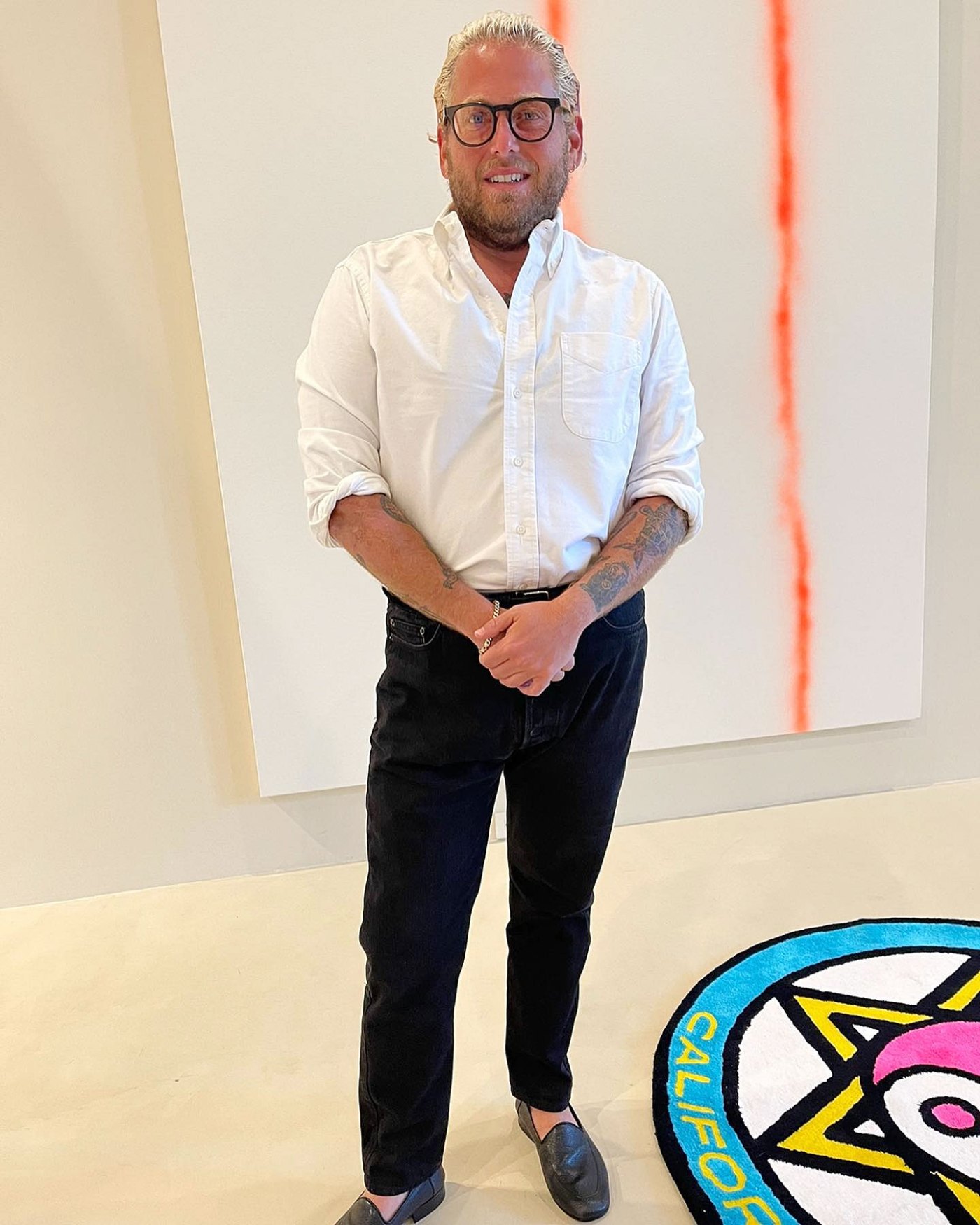
Jonah Hill’s Physical Transformation: A Timeline of Changes and Cultural Debates
Jonah Hill’s physical changes have evolved from a recurring Hollywood media trope into a significant case study regarding body autonomy, mental health, and social boundaries. As of 2026, the discourse surrounding Hill focuses less on h...
Jonah Hill’s physical changes have evolved from a recurring Hollywood media trope into a significant case study regarding body autonomy, mental health, and social boundaries. As of 2026, the discourse surrounding Hill focuses less on his specific weight fluctuations and more on the ethical implications of public commentary, the application of "therapy speak," and the right to privacy.
Contents
The Evolution of Jonah Hill’s Public Image (2007–2026)
Jonah Hill first entered the collective consciousness in the mid-2000s, primarily through his breakout role in the 2007 comedy Superbad. At the time, Hill was cast within the "funny sidekick" archetype, a role that often utilized his physical stature for comedic effect. During this early era, his weight was frequently treated as a public asset or a punchline, establishing a precedent where the media felt entitled to discuss his body as part of his professional brand.
As Hill transitioned from comedy to prestigious dramatic roles—notably his Oscar-nominated performances in Moneyball (2011) and The Wolf of Wall Street (2013)—his physical appearance began to shift. This transition was marked by significant weight loss, which the actor initially attributed to a desire to be taken more seriously in the industry and to improve his overall health. However, this sparked a cycle of media scrutiny that would last for over a decade. Every gain or loss was cataloged by tabloids, creating a "yo-yo" narrative that Hill eventually found suffocating.
By the early 2020s, Hill’s relationship with the public changed fundamentally. He began to pivot away from being a passive subject of commentary to an active participant in setting boundaries. This shift was not just about aesthetics; it was a broader movement toward mental health advocacy, culminating in his work as a director and his public discussions regarding anxiety and self-image.
Mapping the Physical Changes: A Comparative Timeline
To understand the ongoing debates, it is essential to view Hill’s physical changes through the lens of his professional milestones. The following table outlines the key eras of his career and the corresponding public narratives regarding his appearance.
| Era | Notable Project | Physical Context | Primary Media Narrative |
|---|---|---|---|
| Early Career (2007–2010) | Superbad, Get Him to the Greek | Larger frame, "comedic" build | The "lovable, funny big guy." |
| Dramatic Pivot (2011–2012) | Moneyball, 21 Jump Street | Significant weight loss | "Transformation" and "reinvention." |
| Fluctuation Period (2014–2016) | War Dogs | Weight gain for role/personal | Concern vs. criticism of "relapse." |
| The "Streetwear" Icon (2017–2020) | Mid90s (Director) | Leaner, fitness-focused | Style icon and "scumbro" fashion leader. |
| Boundary Era (2021–2024) | Stutz, You People | Stable, surfing-focused lifestyle | Demand for body neutrality and privacy. |
| Current Status (2025–2026) | Directing/Production focus | Private, low-visibility | Respect for boundaries and mental health. |
The 2021 Watershed Moment: The Request for Body Neutrality
In October 2021, Jonah Hill issued a public statement via Instagram that fundamentally altered the relationship between celebrities and their fans regarding physical appearance. He requested that people—including well-meaning fans—stop commenting on his body, whether those comments were intended as compliments or criticisms. He wrote, "I know you mean well but I kindly ask that you not comment on my body. Good or bad I want to politely let you know it’s not helpful and doesn’t feel good."
This request introduced many to the concept of body neutrality. Unlike body positivity, which encourages people to "love" their bodies regardless of size, body neutrality advocates for a focus on what the body does rather than how it looks. Hill’s stance was a rejection of the idea that a celebrity’s physical form is public property.
The debate that followed was polarized. Supporters praised Hill for prioritizing his mental health and setting a healthy boundary. Critics, however, argued that as a public figure who had previously shared his fitness journey, he could not "close the door" once the public was already invested. This tension highlighted a growing cultural divide between traditional celebrity worship and the modern movement toward digital wellness and mental health awareness.
Mental Health Advocacy and the "Stutz" Influence
Hill’s physical changes cannot be discussed in 2026 without acknowledging his 2022 documentary, Stutz. The film centers on his relationship with his therapist, Phil Stutz, and openly discusses Hill’s struggles with anxiety, depression, and body image. In the documentary, Hill reveals that his early fame was inextricably linked to a deep sense of insecurity about his weight, which was exacerbated by the harsh glare of the spotlight.
By releasing Stutz, Hill moved the conversation from "How much does he weigh?" to "How does he feel?" The documentary provided a framework for viewers to understand that his physical changes were often symptoms of his internal state rather than just aesthetic choices. This era of his career solidified his reputation as a proponent of vulnerability in masculinity. He demonstrated that even high-achieving individuals are susceptible to the psychological toll of public scrutiny, and that seeking professional help is a sign of strength rather than a failure of character.
The Controversy of "Boundaries" and "Therapy Speak"
In 2023, the debate surrounding Jonah Hill took a sharper, more academic turn following the release of alleged text messages by his former partner, Sarah Brady. The messages depicted Hill using therapeutic language—specifically the term "boundaries"—to outline his expectations for her behavior, which included restrictions on her social media posts, her professional surfing, and her friendships.
This event sparked a global conversation about the misuse of therapy speak. While Hill had been lauded for his mental health advocacy, critics argued that he was "weaponizing" therapeutic concepts to exert control in a relationship. The debate focused on the difference between a boundary (a rule one sets for oneself) and an ultimatum (a rule one sets for another person).
In 2026, this remains a primary point of discussion in psychology and pop culture circles. It serves as a cautionary tale about how the tools of emotional intelligence can be misappropriated. The "Jonah Hill debate" is now frequently cited in university courses and editorial pieces discussing the intersection of mental health, interpersonal power dynamics, and the ethics of language.
Navigating the Ethics of Celebrity Commentary in 2026
The ongoing fascination with Jonah Hill’s pictures and his physical state reflects a broader societal struggle with privacy in the digital age. Even as of 2026, tabloids continue to publish "paparazzi" shots of Hill surfing or walking in Malibu, often focusing on his physique. However, the reception of these images has shifted.
Today, there is a significant "pushback" culture. When media outlets post speculative articles about Hill’s health or weight, they are frequently met with a barrage of comments from users reminding the publication of Hill’s explicit request for privacy. This signifies a maturing of the digital audience, which is increasingly recognizing the human impact of constant physical surveillance.
Furthermore, the "Jonah Hill effect" has influenced how other celebrities handle their public personas. Many have followed his lead in stepping back from press tours or social media to protect their mental health, citing the intense pressure to maintain a certain physical standard as a primary driver of their withdrawal.
Frequently Asked Questions
Why did Jonah Hill ask people to stop commenting on his body?
Hill stated that comments on his body, even positive ones, were not helpful to his mental health. He sought to decouple his self-worth from public perception and felt that the constant focus on his appearance was a trigger for his anxiety. This was part of his broader journey toward body neutrality and mental health wellness.
What is the difference between body positivity and body neutrality in this context?
Body positivity focuses on celebrating all body types and finding beauty in them. In contrast, body neutrality, which Hill has championed, suggests that one’s body is simply a vessel. It emphasizes that a person's appearance should not be a primary topic of conversation or a source of value, allowing the individual to exist without constant physical self-evaluation.
How did the documentary Stutz affect Jonah Hill's public image?
Stutz reframed Hill as a serious advocate for mental health. It moved his narrative away from being a "celebrity who lost weight" to an "artist who struggles with anxiety." It provided fans with a deeper understanding of the psychological reasons behind his public statements and his decision to limit his media appearances.
What was the "therapy speak" controversy?
The controversy arose in 2023 when leaked text messages showed Hill using terms like "boundaries" to place requirements on his partner's lifestyle. Critics argued this was a misuse of psychological terms to control another person's actions, leading to a massive public debate about the ethics of using therapeutic language in personal relationships.
Is Jonah Hill still active in Hollywood in 2026?
Yes, but his focus has shifted significantly toward directing and producing. In line with his statements regarding mental health, he has largely stepped back from the traditional "celebrity" circuit, including red carpets and late-night talk show interviews, preferring to let his work speak for itself while maintaining a more private lifestyle.
Practical Recommendation for Engaging with Celebrity Media
When encountering news or social media posts regarding Jonah Hill’s physical changes, the most constructive approach is to practice digital empathy.
- Respect the Subject’s Request: If a public figure has explicitly asked for body neutrality, refrain from commenting on their appearance, even if the intention is to be "complimentary."
- Analyze the Language: Be critical of media outlets that use sensationalized language like "transformation" or "unrecognizable." These terms are designed to trigger a psychological response rather than provide meaningful information.
- Focus on the Craft: Direct the conversation toward Hill's contributions as a filmmaker and actor rather than his physical frame. This supports the artist's expressed desire to be valued for his work and his character.
- Understand Boundaries: Use the Hill/Brady controversy as a learning opportunity to distinguish between healthy self-boundaries and controlling behavior in your own interpersonal relationships.
Image Gallery