Comprehensive Guide to Taylor Swift Artwork: Evolution, Collectibility, and Legal Guidelines for 2026
Taylor Swift artwork encompasses the official visual identity of her musical eras, ranging from iconic album covers and tour posters to high-end limited-edition lithographs. In 2026, this landscape is defined by the completed "Taylor’s...
Taylor Swift artwork encompasses the official visual identity of her musical eras, ranging from iconic album covers and tour posters to high-end limited-edition lithographs. In 2026, this landscape is defined by the completed "Taylor’s Version" re-recordings and a sophisticated fan-art economy that utilizes specific color palettes, recurring symbols, and trademarked lyrical typography across various digital and physical mediums.
Contents
Taylor Swift’s visual strategy has revolutionized the music industry, transforming album covers into cultural landmarks. As of 2026, her artistic legacy is categorized by distinct "Eras," each functioning as a cohesive brand with specific design standards. For collectors, investors, and graphic designers, understanding the technical specifications and legal boundaries of Taylor Swift artwork is essential for both appreciation and creation.
The Visual Evolution of the Taylor Swift Eras (2006–2026)
The progression of Taylor Swift's artwork mirrors her sonic evolution, moving from country-coded imagery to high-fashion photography and minimalist indie-folk aesthetics. Each era is anchored by a specific color theory and typographic choice that dictates all associated merchandise and promotional materials.
The Foundation: Country Roots and Pop Transitions
The early years of Swift’s career utilized bright, saturated colors and handwritten-style fonts. The Taylor Swift (Debut) artwork established the signature "Taylor" script, while Fearless introduced the metallic gold and sparkle motifs. By Red, the visual language shifted toward cinematic realism, emphasizing the color red through high-contrast photography and clean, bold serif fonts.
The Reinvention: 1989 and Reputation
1989 introduced the Polaroid aesthetic, a watershed moment for Taylor Swift artwork that sparked a global trend in vintage-inspired graphic design. The use of off-white borders and Sharpie-style handwriting created an intimate, "behind-the-scenes" atmosphere. In contrast, the Reputation era utilized newspaper-style typography (notably the Fraktur/Gothic font) and a monochromatic grayscale palette to reflect themes of media scrutiny and public image.
The Folklore/Evermore Shift and Taylor’s Version
The release of folklore and evermore marked a transition to grayscale and sepia-toned landscape photography, primarily captured by Beth Garrabrant. These eras prioritized textures—moss, wool, and forest fog—over vibrant colors. The re-recording project, concluded by 2026, saw a meticulous recreation of these aesthetics, where "Taylor’s Version" artwork often featured older Swift in poses reminiscent of the original covers but with refined, mature lighting and composition.
Technical Specifications of Official Taylor Swift Merchandise
For serious collectors in 2026, distinguishing between official high-value artwork and mass-produced reprints requires an understanding of production standards. Official Taylor Swift lithographs and posters are subject to rigorous quality control to ensure longevity and color accuracy.
Material Quality and Standards
Official lithographs released through the Taylor Swift webstore are typically printed on 100lb to 120lb archival-grade cardstock. This heavy-weight paper prevents curling and ensures that the ink saturation remains consistent over decades.
Authentication Markers
Authentic 2026 era prints often feature a "Taylor Swift®" trademark notice in the bottom corner in microscopic print. Many limited-edition releases from the The Eras Tour and subsequent residencies include a debossed or holographic seal of authenticity to combat the rising tide of sophisticated counterfeit prints.
Comparing Official Artwork Categories and Market Value
The market for Taylor Swift artwork is diverse, ranging from affordable digital prints to rare, signed physical pieces that fetch thousands of dollars at auction.
| Artwork Category | Common Medium | Typical Size | 2026 Market Scarcity | Best For |
|---|---|---|---|---|
| Album Cover Lithographs | Archival Cardstock | 18" x 24" | High (Limited Drops) | Home Decor / Investment |
| VIP Tour Posters | Glossy Poster Paper | 11" x 17" | Medium (Event Exclusive) | Commemoration |
| Vinyl Gatefold Art | Cardboard Sleeve | 12" x 12" | Low to Medium | Tactile Music Enthusiasts |
| Digital Collectibles | NFT / High-Res PNG | Variable | High (Platform Specific) | Digital Display |
| Signed Art Prints | Acid-Free Paper | 8" x 10" | Extreme | High-End Collectors |
Legal Framework for Fan-Created Taylor Swift Artwork
In 2026, the intersection of fan creativity and Intellectual Property (IP) law is a critical area for artists. While Taylor Swift’s team, TAS Rights Management, has historically been supportive of fan communities, there are strict boundaries regarding the commercialization of her likeness and trademarks.
Trademarked Elements and Lyrical Use
Taylor Swift has trademarked numerous phrases, album titles, and even specific lyrics (e.g., "Swiftie," "The Eras Tour," and various song titles). Using these on commercial products like posters or digital prints without a license constitutes trademark infringement. In 2026, automated AI detection tools are frequently used by rights holders to identify and remove infringing listings on platforms like Etsy, Redbubble, and Shopify.
The "Fair Use" Myth in Fan Art
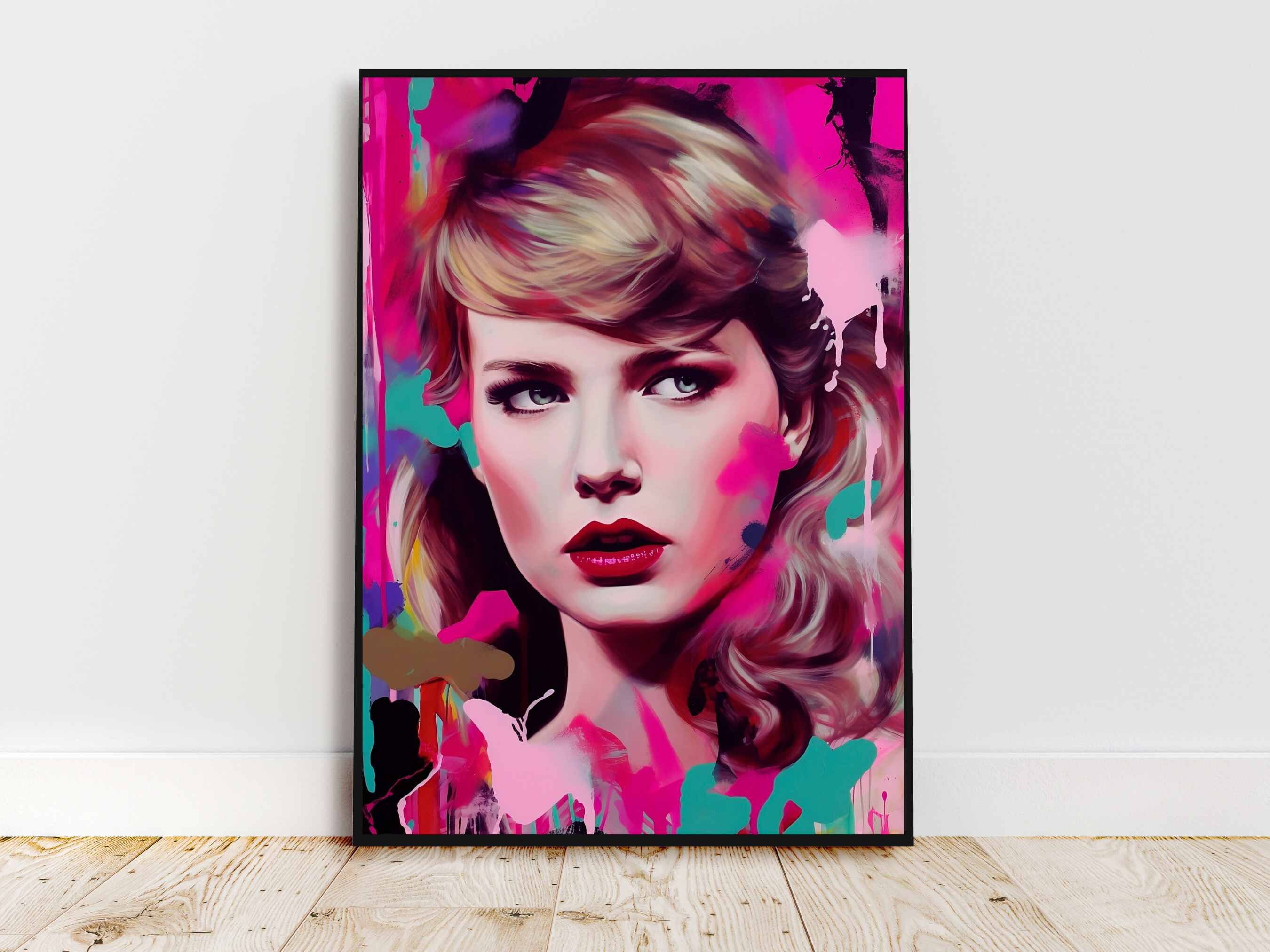
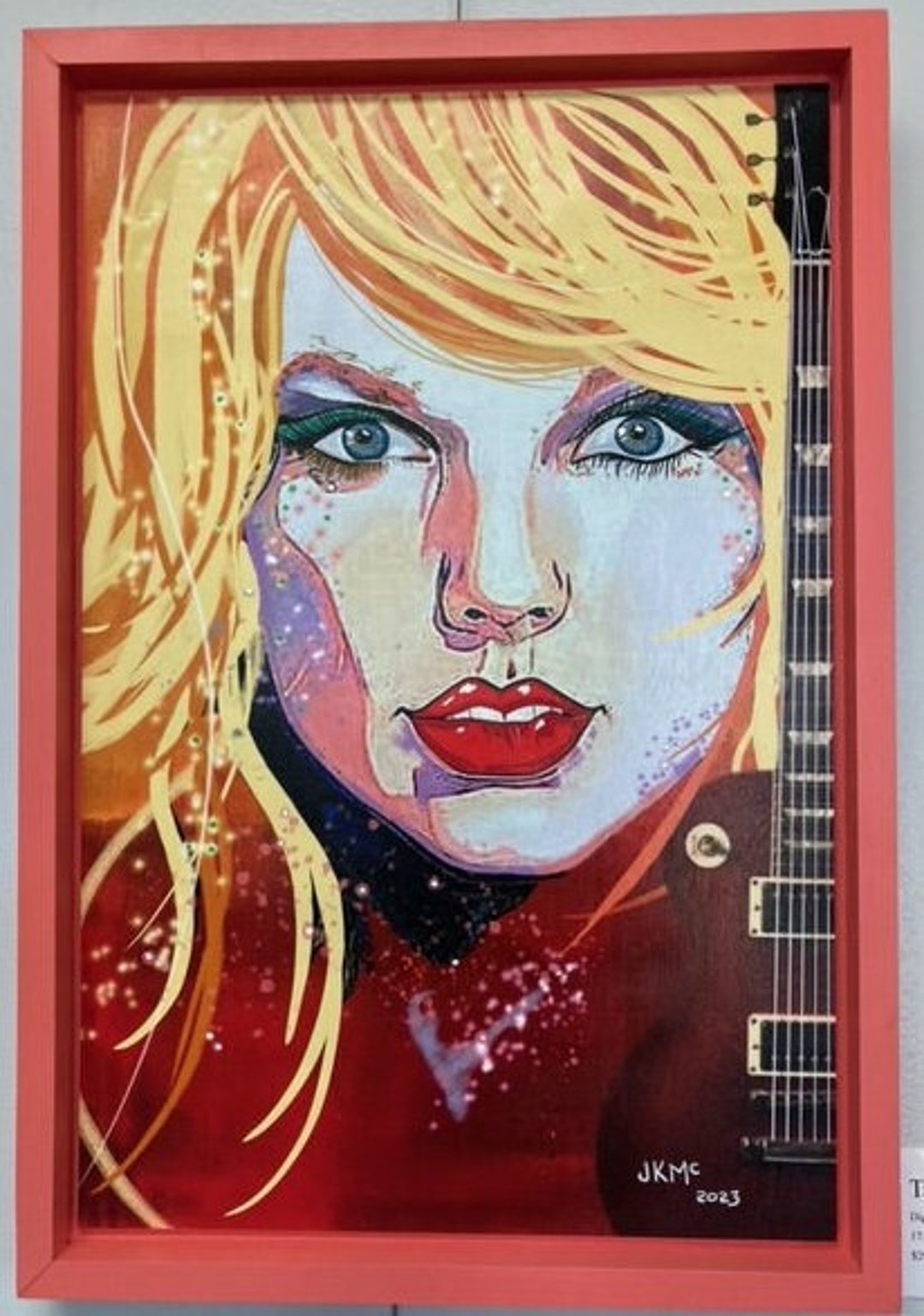
Many artists believe that drawing a portrait of Taylor Swift and selling it qualifies as "Fair Use" because it is a transformative work. However, in the United States and many other jurisdictions, the "Right of Publicity" often supersedes this when the primary purpose of the artwork is commercial. Professional fan artists in 2026 typically focus on "aesthetic-inspired" art—using motifs like willow branches, cardigans, or friendship bracelets—without using her literal name or face to avoid legal takedowns.
How to Create High-Quality Taylor Swift-Inspired Art
For graphic designers looking to capture the "Swiftian" aesthetic in 2026, follow these technical steps to ensure your work aligns with the professional standards of the industry.
- Define the Era Palette: Before designing, select a core palette. For Lover, focus on pastels (pink, blue, yellow). For Midnights, utilize deep navys, shimmering golds, and 1970s retro browns.
- Typography Selection: Match fonts to the era’s mood. Use serif fonts like IM Fell French Canon for folklore-inspired designs, or bold sans-serifs for 1989 aesthetics.
- Texture Application: Add film grain or paper textures to your digital canvas. Most Taylor Swift artwork avoids a "plastic" or over-digitized look, opting instead for organic, tactile finishes.
- Symbolic Storytelling: Incorporate "Easter eggs." Swifties value artwork that includes subtle nods to lyrics or music videos, such as a number 13 hidden in the background or a specific flower (like daisies for Don't Blame Me).
- Resolution Standards: Always design at 300 DPI (dots per inch) in CMYK color mode if the artwork is intended for physical printing. This ensures that the intricate details of her iconic costumes or jewelry are preserved.
Analysis of the 2026 Secondary Market for Taylor Swift Art
As we move through 2026, the value of artwork from the original The Eras Tour (2023-2024) has seen a significant appreciation. Investors are focusing on "Regional Specific" posters—artwork designed specifically for a single city or country.
Pros of Investing in Taylor Swift Artwork:
- High Liquidity: There is a permanent, global demand for her memorabilia.
- Cultural Significance: Unlike many pop stars, Swift’s physical media and art are viewed as historical artifacts of the streaming age.
- Artist Longevity: Swift’s continued output in 2026 sustains interest in her back catalog.
Cons and Risks:
- Counterfeits: High-quality fakes are prevalent in the 2026 market, requiring rigorous verification.
- Condition Sensitivity: Paper-based artwork is prone to foxing, fading, and creasing, which can decrease value by over 80%.
- Market Saturation: Common tour posters and mass-market vinyl art rarely appreciate significantly in value compared to limited-run lithographs.
Common Mistakes When Buying or Creating Taylor Swift Artwork
Avoiding common pitfalls is essential for both the consumer and the creator in the 2026 art market.
- Ignoring Copyright: Creating art that uses direct photos from professional photographers (like those from Getty Images or Swift’s official photographers) is a direct violation of copyright. Artists should always use their own original illustrations or licensed assets.
- Poor Framing Choices: Collectors often make the mistake of using cheap frames with acidic backing. Over time, this causes the artwork to turn yellow. Always opt for UV-protective glass and acid-free matting.
- Incorrect Aspect Ratios: When buying digital downloads, ensure the aspect ratio matches standard frame sizes (e.g., 18x24 or 24x36) to avoid awkward cropping or stretching during the printing process.
Expert Insight: The Future of Taylor Swift Visuals
By 2026, the "Taylor Swift Artwork" niche has expanded into augmented reality (AR) and immersive digital experiences. We are seeing a trend where physical posters, when scanned with a smartphone, trigger animated sequences or exclusive audio snippets. For designers, this means the future of Swiftian art is no longer static; it is a multi-sensory experience that bridges the gap between the digital and physical worlds.
The Role of AI in Fan Art (2026 Standards)
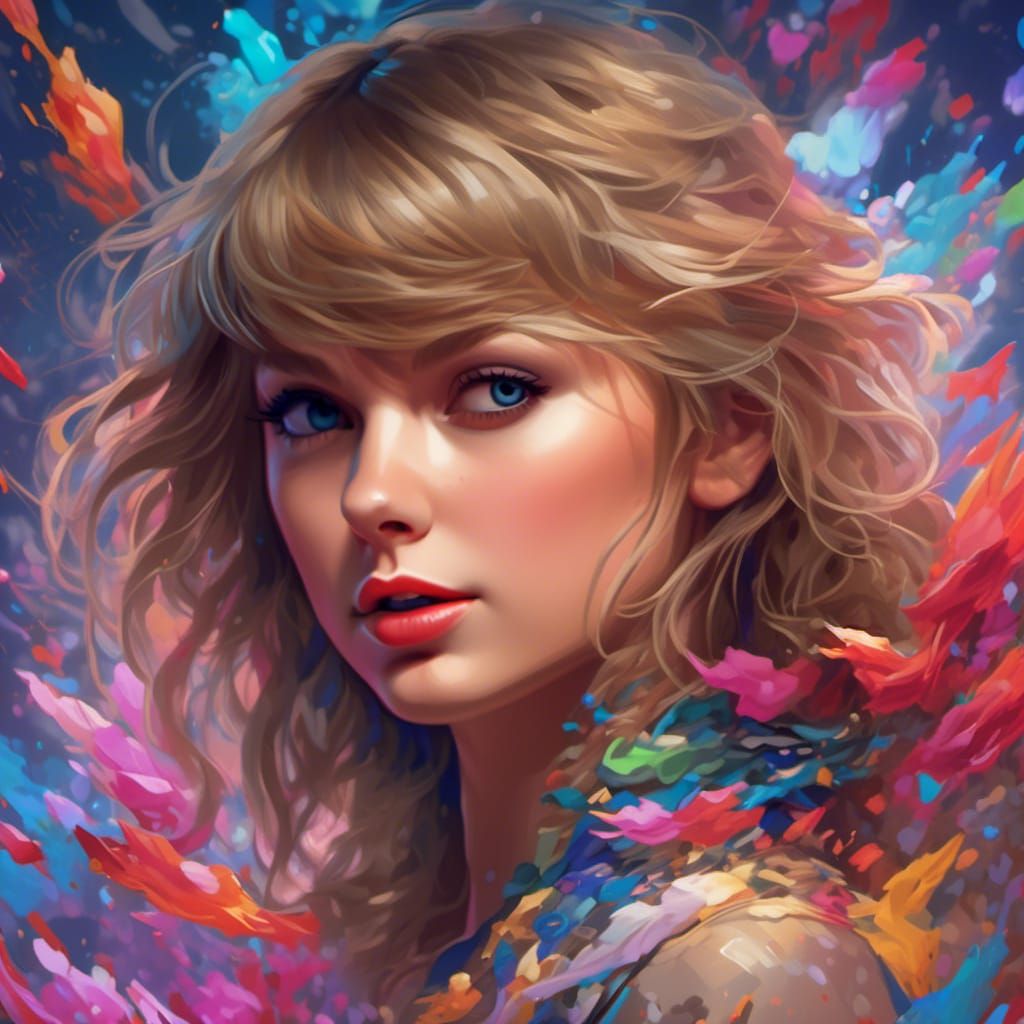
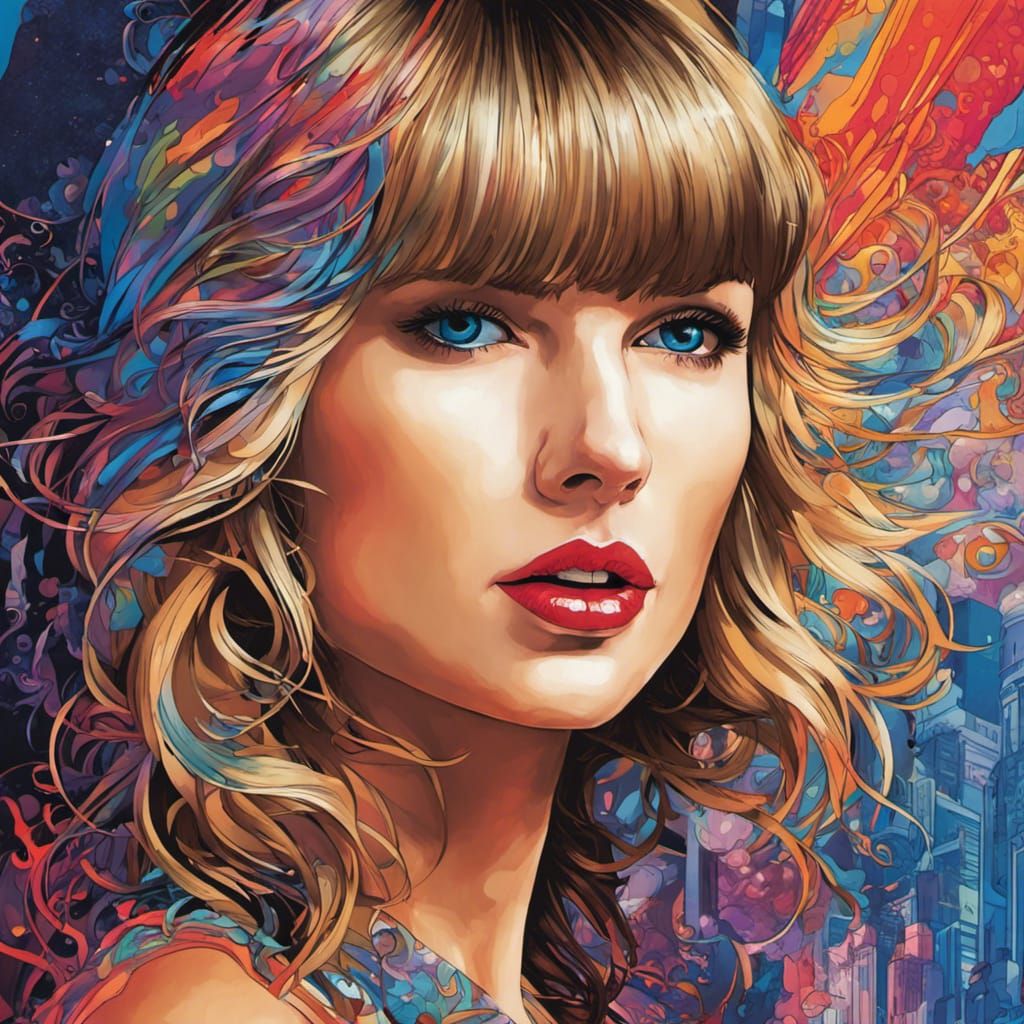
While generative AI is widely available in 2026, the Swiftie community remains fiercely protective of human-made art. AI-generated Taylor Swift artwork is often met with scrutiny. Professional artists are encouraged to document their "Work in Progress" (WIP) to prove the human hand behind the creation, which significantly increases the value and acceptance of the piece within the fandom.
Frequently Asked Questions
What is the most valuable Taylor Swift art print in 2026?
The most valuable prints are generally the hand-signed, numbered lithographs released during the Lover and folklore eras. These pieces have become the "holy grail" for collectors due to their limited production runs and Taylor's direct involvement in the signing process. Prices for these items on the 2026 secondary market often exceed $5,000 depending on the condition and authentication.
How can I tell if a Taylor Swift lithograph is official?
Official lithographs will have a high-quality "soft touch" finish and are printed on thick cardstock rather than thin poster paper. Check for copyright text in the margins and compare the dimensions to official release notes—counterfeits often use non-standard sizes. In 2026, many collectors also use UV lights to check for specific security fibers embedded in the paper of later releases.
Can I sell fan art of Taylor Swift on Etsy in 2026?
Technically, selling fan art that uses her name, likeness, or trademarked lyrics without permission is a violation of Intellectual Property rights. While many artists do it, you risk a permanent shop ban or legal action from TAS Rights Management. To stay safe, focus on "inspired-by" designs that use symbolic imagery rather than protected trademarks or direct likenesses.
What are the best dimensions for printing Taylor Swift posters?
The industry standard for high-quality music posters is 18" x 24" or 24" x 36". Designing within these dimensions ensures that the artwork fits into standard, readily available frames without the need for expensive custom framing.
Which photographer is most associated with Taylor Swift’s 2020s artwork?
Beth Garrabrant is the primary photographer credited with the visual identity of folklore, evermore, Midnights, and several "Taylor’s Version" covers. Her style is characterized by natural lighting, film grain, and a sense of "candid" intimacy that has defined the Taylor Swift aesthetic for the current decade.
Whether you are a collector looking to preserve a piece of music history or an artist looking to contribute to the visual landscape of the 2026 fandom, Taylor Swift artwork remains one of the most vibrant and legally complex niches in the entertainment industry. Always prioritize quality, respect intellectual property, and stay attuned to the evolving "Easter eggs" that make her art so uniquely compelling.
Image Gallery