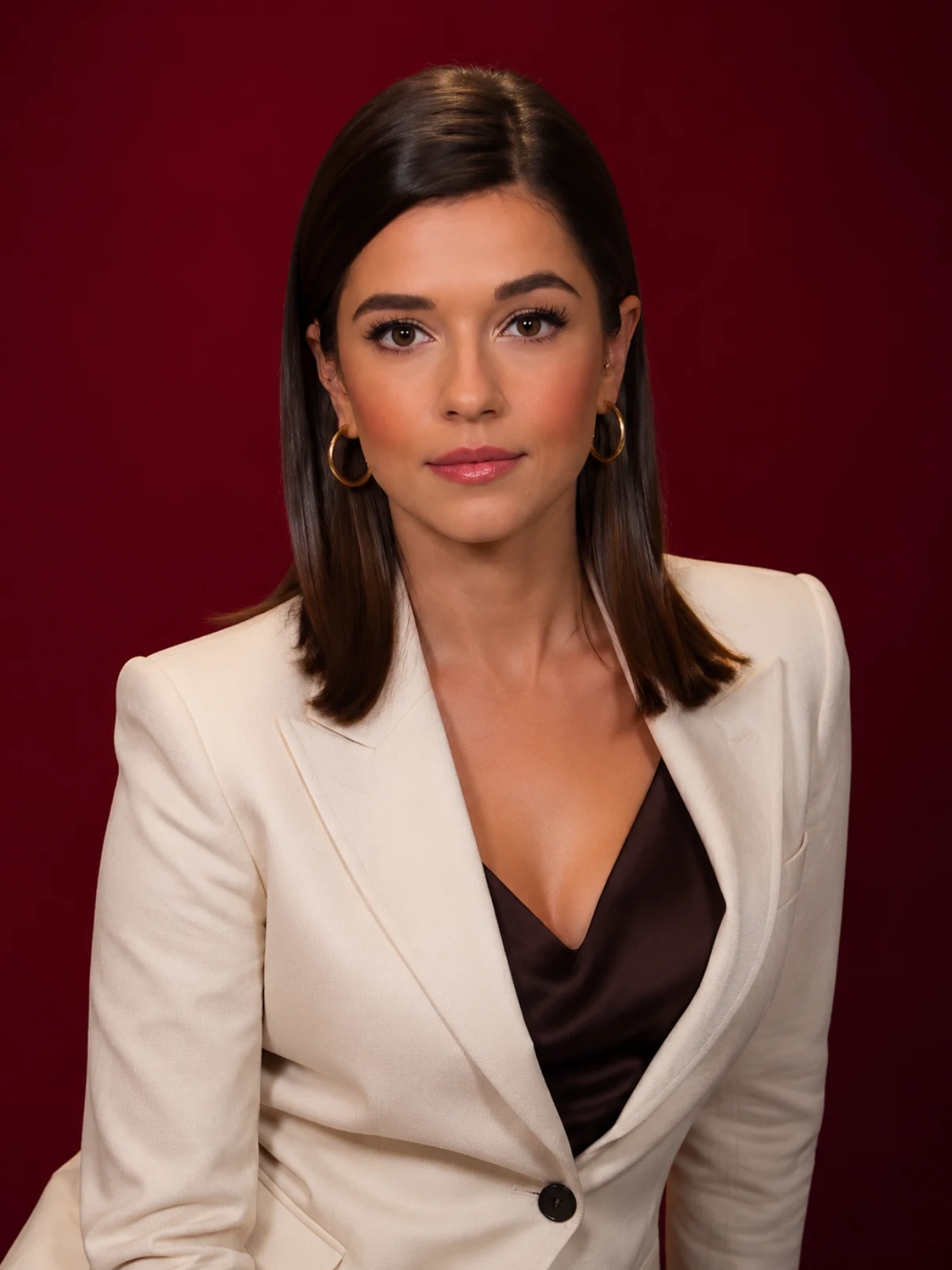
Julie Tsirkin NBC: Career, Role, and Broadcasting Impact
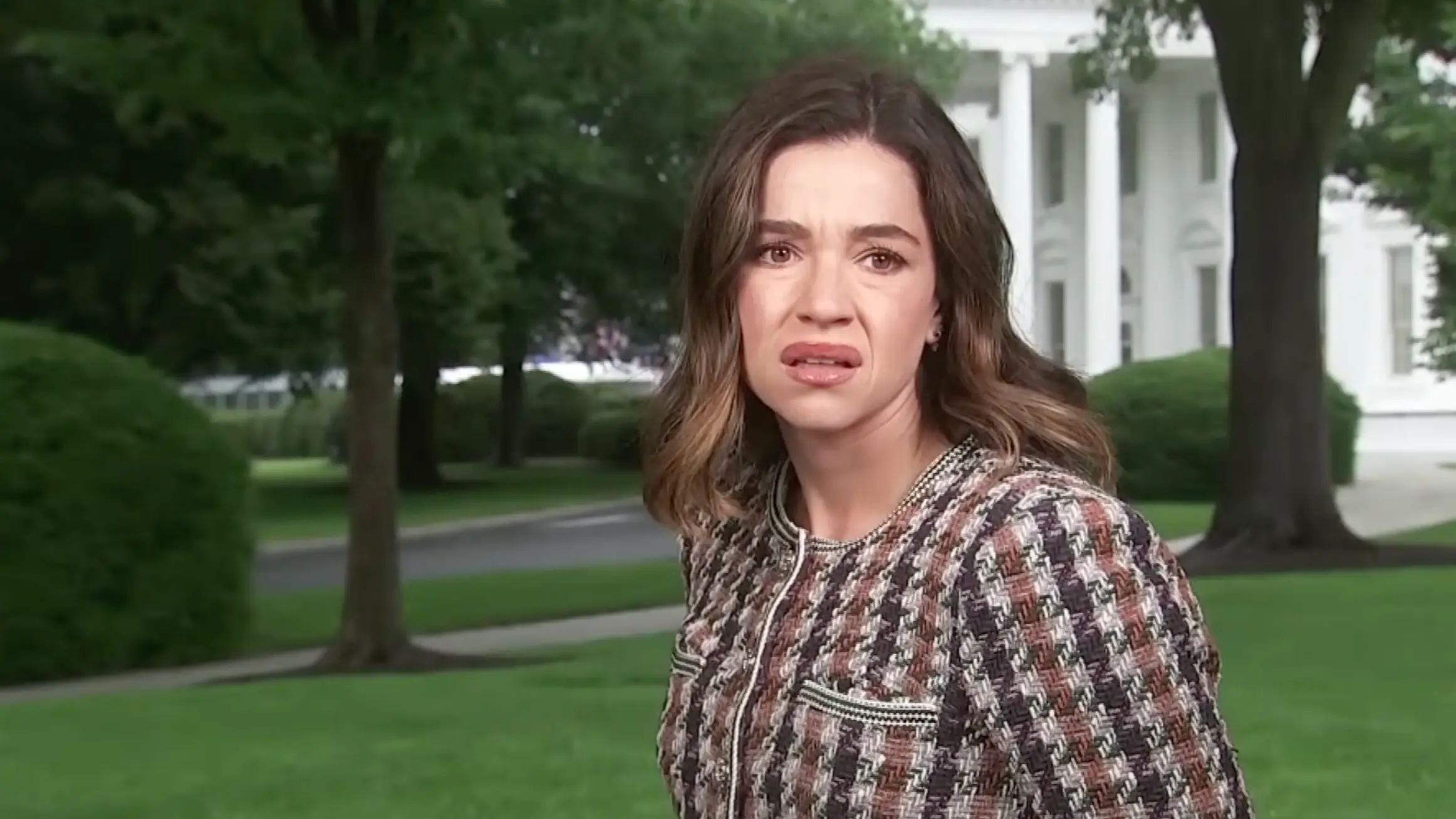
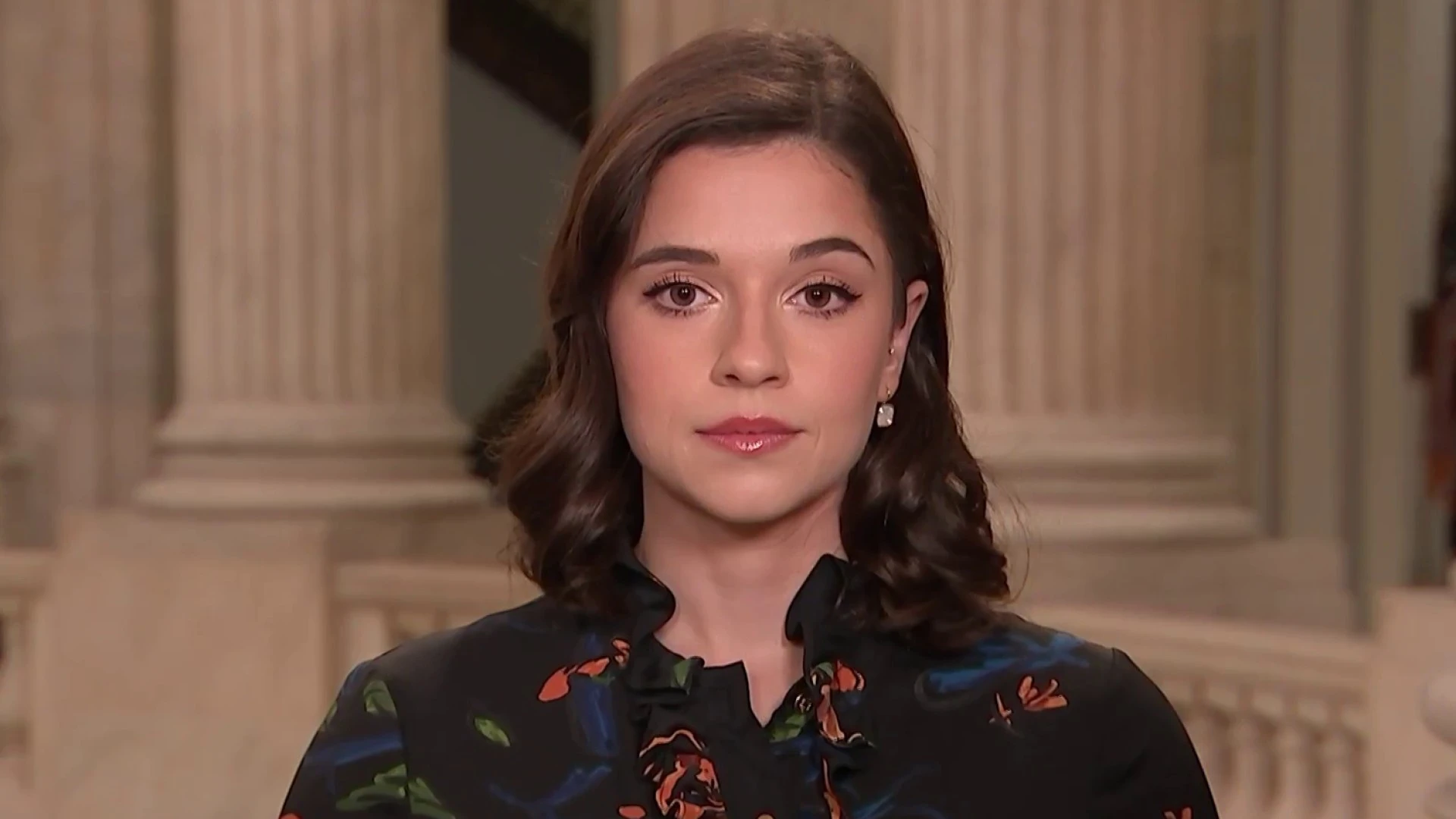
Julie Tsirkin serves as a prominent congressional correspondent for NBC News, delivering comprehensive political reporting and analysis from Capitol Hill for the network's various platforms, including MSNBC and NBC News NOW. Her profes...
Julie Tsirkin serves as a prominent congressional correspondent for NBC News, delivering comprehensive political reporting and analysis from Capitol Hill for the network's various platforms, including MSNBC and NBC News NOW. Her professional trajectory reflects the rigorous standards of modern broadcast journalism, highlighting the intricate mechanics of legislative reporting, breaking news coverage, and political analysis in Washington, D.C.
Contents
Understanding the Role of an NBC Congressional Correspondent
Broadcast journalism covering the United States Congress requires a specialized skill set that blends fast-paced live reporting with deep institutional knowledge. As an NBC News correspondent stationed in Washington, D.C., the primary responsibility involves tracking legislative developments, committee hearings, floor votes, and behind-the-scenes negotiations among lawmakers.
The media landscape demands that political journalists operate across multiple formats simultaneously. A typical workday for a Capitol Hill reporter encompasses live television broadcasts, digital article contributions, podcast appearances, and real-time social media updates. Maintaining editorial accuracy while synthesizing complex pieces of federal legislation into concise, accessible updates for millions of viewers remains a core objective of the role.
Journalistic Standards in Capitol Hill Coverage Capitol Hill reporting operates under strict demands for speed, verification, and impartiality. Correspondents must verify developments through direct primary sources—such as lawmakers, committee aides, and leadership offices—before broadcasting, ensuring that legislative updates accurately reflect shifting political dynamics.
Professional Background and Career Progression
Entering the competitive arena of national television news requires a solid foundation in local or specialized reporting. Career progression in broadcast journalism typically moves from behind-the-scenes editorial production roles to field producing, digital reporting, and eventually on-air correspondent positions.
Major broadcast networks maintain rigorous talent development pipelines. Aspiring political journalists usually follow a structured pathway:
- Academic Foundation: Obtaining a degree in journalism, political science, communications, or public policy from an accredited institution.
- Early Media Roles: Securing internships and entry-level positions at local news affiliates, wire services, or network bureau desks as production assistants or desk assistants.
- Field and Digital Reporting: Transitioning to digital producer or multimedia reporter roles, focusing on enterprise reporting, policy analysis, and breaking news writing.
- On-Air Correspondent Assignments: Advancing to local reporting or specialized network desks, eventually earning a permanent assignment to high-profile beats like the White House, Pentagon, or Capitol Hill.
The Evolution of Political Broadcasting at NBC News
NBC News and MSNBC utilize a distributed network of correspondents to cover the federal government. The Capitol Hill bureau operates out of dedicated workspace facilities near the U.S. Capitol building, allowing reporters to maintain direct proximity to legislative action.
The integration of streaming platforms like NBC News NOW has altered how political news is delivered. Unlike traditional evening broadcasts, which require tightly edited, concise packages, streaming services often feature extended live coverage of committee hearings, floor debates, and unscripted political analysis. This shift places a premium on a correspondent's ability to deliver accurate, unscripted commentary during rapidly unfolding legislative crises.
| Broadcast Platform | Typical Format | Production Timeline | Target Audience |
|---|---|---|---|
| Network Evening News | Curated, edited video packages | Daily deadline-driven | General mass audience |
| Cable News (MSNBC) | Live interviews, panel discussions, deep dives | Real-time rolling coverage | Politically engaged viewers |
| Streaming (NBC News NOW) | Extended live coverage, continuous updates | 24/7 rolling demand | Cord-cutters, digital-first news consumers |
Key Responsibilities and Daily Workflows on Capitol Hill
Covering the United States Congress involves navigating a sprawling campus comprising the U.S. Capitol building and several House and Senate office buildings. Correspondents establish deep networks of contacts, often referred to as sources, across both political parties.
The daily workflow of a congressional reporter is dictated by the legislative calendar:
- Morning Briefings: Reviewing the daily schedule of floor votes, committee hearings, and press conferences.
- Source Cultivation: Meeting with legislative aides, members of Congress, and policy advocates in the hallways of Capitol Hill to gather background information.
- Live Hits: Preparing and delivering live reports for morning news programs, daytime cable blocks, and evening broadcasts.
- Enterprise Reporting: Developing original stories that go beyond day-to-day political maneuvering to examine the long-term impact of proposed laws on American citizens.
Challenges in Modern Political Journalism
Reporting on federal politics presents unique professional obstacles. Heightened political polarization means that legislative negotiations are frequently contentious, and political messaging from opposing parties can obscure the factual realities of policy debates.
Journalists must maintain rigorous adherence to editorial independence and factual verification. The rise of digital misinformation and rapid social media cycles places additional pressure on reporters to double-check breaking claims before amplifying them. Maintaining public trust in institutional journalism requires absolute transparency regarding sourcing, clear distinction between news reporting and opinion commentary, and immediate corrections when reporting errors occur.
Frequently Asked Questions
What is Julie Tsirkin's primary role at NBC News?
Julie Tsirkin works as a congressional correspondent for NBC News, covering federal legislation, political developments, and Capitol Hill leadership for the network and its digital and cable platforms. Her work involves live reporting, breaking news coverage, and political analysis.
How do broadcast networks cover Congress daily?
Networks station dedicated correspondents and production teams in Washington, D.C., near the U.S. Capitol. These teams monitor floor votes, attend committee hearings, interview lawmakers, and synthesize legislative developments into live television segments, digital articles, and streaming broadcasts.
What qualifications are required to become a national news correspondent?
Becoming a national news correspondent typically requires a degree in journalism or political science, several years of experience in local or digital news reporting, demonstrated expertise in breaking news production, and strong live-broadcasting and writing skills.
How has digital streaming changed political reporting?
Digital streaming platforms have created demand for continuous, unscripted coverage of legislative events. Rather than relying solely on pre-produced evening news segments, correspondents frequently provide hours of live analysis during major congressional votes and hearings.
What are the main ethical standards for political journalists?
Political journalists adhere to strict standards of fairness, accuracy, and editorial independence. This includes verifying facts through multiple primary sources, avoiding conflicts of interest, and clearly separating straight news reporting from editorial commentary.
Conclusion and Industry Outlook
The role of a Capitol Hill correspondent remains central to the mission of institutional news organizations like NBC News. As federal legislation continues to impact domestic and international policy, skilled journalists who can navigate complex legislative texts and deliver clear, objective reporting provide an essential public service. Aspiring media professionals looking toward political journalism should focus on building foundational reporting skills, mastering multimedia production tools, and cultivating a deep understanding of constitutional law and the federal legislative process.
Image Gallery