Advanced Pension Fund Reporting Standards and Compliance for 2026
Pension fund reporting is the formal process of disclosing a retirement plan’s financial health, investment performance, and actuarial liabilities to regulators, trustees, and beneficiaries. In 2026, this requires precise adherence to...
Pension fund reporting is the formal process of disclosing a retirement plan’s financial health, investment performance, and actuarial liabilities to regulators, trustees, and beneficiaries. In 2026, this requires precise adherence to updated statutory frameworks like ERISA, GASB, or IFRS, alongside mandatory climate-risk disclosures and real-time transparency regarding funding ratios and administrative expenses.
Contents
Pension fund reporting has evolved from a seasonal compliance hurdle into a continuous strategic operation. As of 2026, the complexity of global financial markets and the integration of sustainable investing mandates have fundamentally altered the reporting landscape. For fiduciaries and plan administrators, maintaining "clean" reporting is no longer just about numerical accuracy; it is about demonstrating long-term solvency and ethical stewardship in an increasingly scrutinized environment. This guide explores the technical requirements, regulatory shifts, and operational best practices for institutional pension reporting in the current fiscal year.
The 2026 Regulatory Landscape for Pension Disclosures
The regulatory environment in 2026 is characterized by "Granular Transparency." Whether a fund is a defined benefit (DB) or defined contribution (DC) plan, the oversight bodies now demand deeper insights into asset valuation, liquidity risk, and fee structures.
ERISA and DOL Requirements (United States)
For private-sector plans in the U.S., the Employee Retirement Income Security Act (ERISA) continues to be the bedrock of reporting. In 2026, the Department of Labor (DOL) has streamlined the Form 5500 Series, requiring electronic-only filing through the EFAST2 system with enhanced cybersecurity disclosure protocols. Plans must now explicitly report on their digital risk management strategies to protect participant data, reflecting the 2024-2025 regulatory updates that became mandatory this year.
GASB and Public Sector Oversight
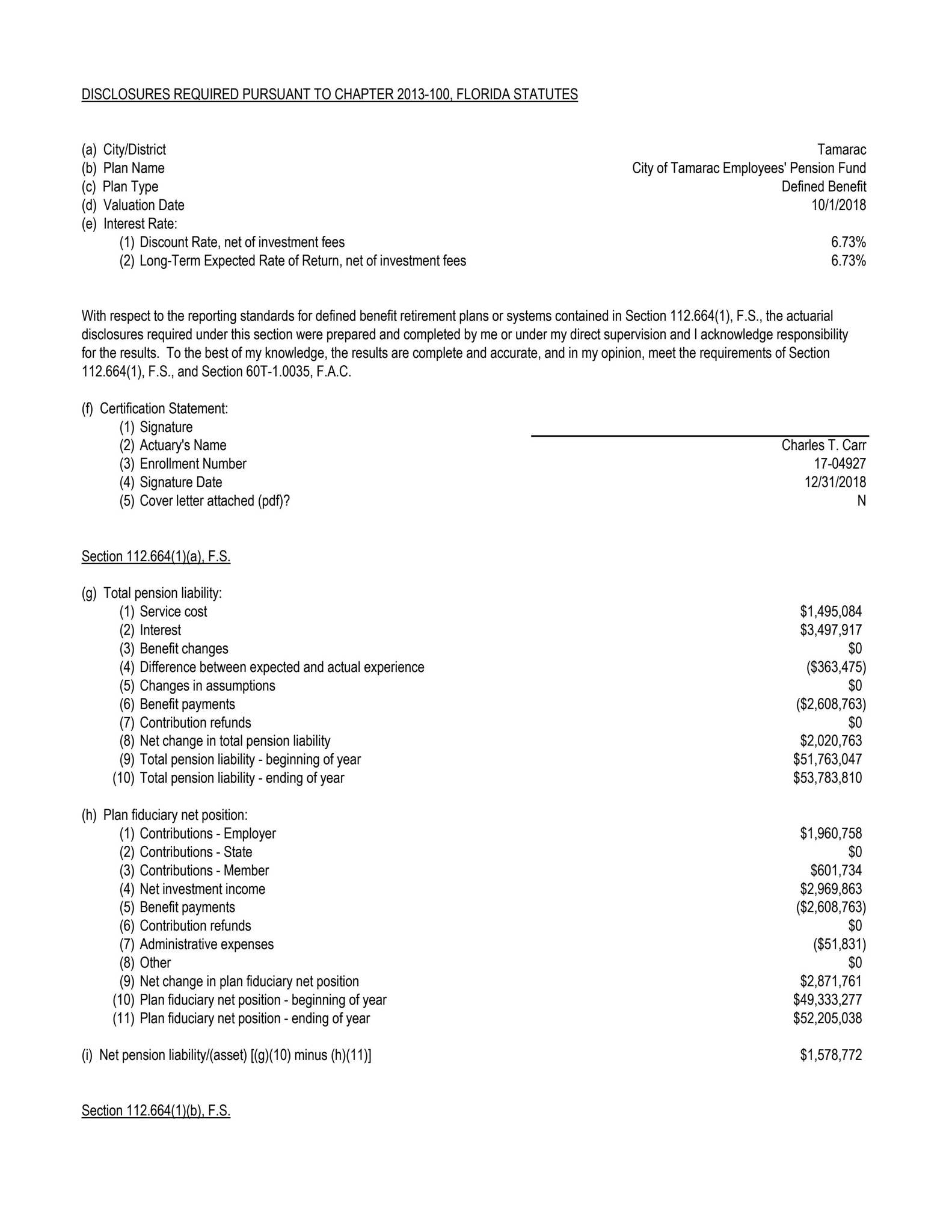
Public employee retirement systems (PERS) must navigate Governmental Accounting Standards Board (GASB) Statements 67 and 68. These standards require public funds to report their Total Pension Liability (TPL) and Net Pension Liability (NPL) on the face of the financial statements, rather than in the footnotes. In 2026, there is a heightened focus on the "Discount Rate" used to calculate these liabilities, with regulators requiring sensitivity analyses that show the impact of a 1% shift in interest rates on the fund's solvency.
IFRS and International Standards
Outside the U.S., International Financial Reporting Standards (IFRS), specifically IAS 19 (Employee Benefits), govern how entities report pension costs. The 2026 reporting cycle emphasizes the "fair value" of plan assets, requiring immediate recognition of actuarial gains and losses in "Other Comprehensive Income," preventing the "smoothing" of losses that was common in previous decades.
Core Components of a Comprehensive Pension Report
A high-quality pension fund report in 2026 consists of several interconnected documents that provide a 360-degree view of the plan’s operational and financial status.
1. Statement of Fiduciary Net Assets
This is the balance sheet of the pension fund. It lists all assets (cash, equities, fixed income, alternative investments) and liabilities (benefits due, administrative payables). In 2026, there is a specific requirement to categorize assets by "Level 1, 2, or 3" under the Fair Value Hierarchy, with Level 3 (illiquid assets like private equity or real estate) requiring extensive narrative explanation regarding valuation methodology.
2. Statement of Changes in Fiduciary Net Assets
Commonly known as the income statement, this records the "Additions" (employer/employee contributions and investment income) and "Deductions" (benefit payments and administrative costs). Reporting in 2026 emphasizes the "Net Investment Income" after all management fees have been deducted, providing a clear view of the "Alpha" generated by fund managers.
3. Actuarial Valuation Report
The actuarial report is the heartbeat of a defined benefit plan. It uses demographic assumptions (mortality rates, retirement ages) and economic assumptions (inflation, wage growth) to estimate future payouts.
Critical Metric: The Funding Ratio The most vital figure in 2026 reporting is the Funding Ratio (Assets divided by Liabilities). A ratio below 80% often triggers mandatory corrective action plans under many jurisdictional laws. Reports must now include a "Projected Solvency Timeline" showing when the fund expects to reach 100% funding.
4. Schedule of Investment Returns
In 2026, simple annual returns are insufficient. Reports must include a money-weighted rate of return (MWRR), which accounts for the timing of cash flows, alongside the standard time-weighted rate of return (TWRR). This ensures that the impact of large contributions or withdrawals on performance is transparent.
Mandatory Integration of ESG and Climate Risk
One of the most significant shifts in 2026 pension fund reporting is the mandatory inclusion of Environmental, Social, and Governance (ESG) metrics. Under the updated TCFD (Task Force on Climate-related Financial Disclosures) alignment now required by many SEC and EU regulations, pension funds must disclose:
- Carbon Footprint of the Portfolio: The weighted average carbon intensity (WACI) of the fund’s holdings.
- Physical Risk Assessment: How extreme weather events might impact real estate or infrastructure assets held by the fund.
- Transition Risk: The risk that the shift to a low-carbon economy will devalue fossil-fuel-dependent investments (stranded assets).
- Stewardship Activities: A summary of how the fund voted on shareholder resolutions related to executive pay and board diversity.
Comparison of Primary Reporting Frameworks
The following table outlines the key differences between the major accounting standards used for pension fund reporting in 2026.
| Feature | US GAAP (ASC 960) | GASB (67/68) | IFRS (IAS 19) |
|---|---|---|---|
| Primary Audience | Private Plan Participants | Government Regulators | Corporate Shareholders |
| Valuation of Assets | Fair Value | Fair Value | Fair Value |
| Discount Rate | Expected Return on Assets | Blended Rate (S&P/Bond) | High-Quality Corporate Bond Yield |
| Liability Recognition | Footnote Disclosure | On-Balance Sheet | On-Balance Sheet |
| ESG Mandate | Voluntary (but recommended) | Emerging State Mandates | Mandatory Disclosure (EU/UK) |
| Reporting Frequency | Annual | Annual | Annual/Interim |
The Step-by-Step Reporting Process for 2026
Achieving compliance requires a structured timeline. Most funds operating on a calendar year-end (December 31st) follow this standardized workflow:
- Data Collection and Scrubbing (January - February): Gather contribution records, benefit payout logs, and investment statements. In 2026, most funds use automated API integrations to pull this data directly from custodians.
- Actuarial Valuation (February - March): The actuary receives the census data and calculates the present value of future benefits. This step is critical for determining the required employer contribution for the next fiscal year.
- External Audit (March - May): Independent auditors verify the existence of assets and the accuracy of the financial statements. In 2026, auditors frequently use blockchain-based verification for private equity capital calls and distributions.
- Drafting the Narrative (May): The Management Discussion and Analysis (MD&A) is written, explaining variances in investment performance and changes in actuarial assumptions.
- Board Approval and Filing (June - July): The Board of Trustees reviews the final report. For U.S. ERISA plans, the Form 5500 is typically due by July 31st (unless an extension is filed).
Technical Infrastructure and the Role of AI
By 2026, the "Manual Spreadsheet" era of pension reporting has effectively ended. Modern reporting relies on integrated Pension Administration Systems (PAS) and Investment Management Systems (IMS).
AI-Driven Auditing and Verification Real-Time Data Validation: Artificial intelligence algorithms now scan general ledgers for anomalies or duplicate benefit payments in real-time, significantly reducing the "Clean-up" time required during the annual audit. Predictive Liquidity Modeling: Advanced reporting tools use machine learning to predict when the fund will need to liquidate assets to meet benefit obligations, ensuring that the "Liquidity Risk" section of the report is backed by probabilistic modeling rather than static estimates.
Common Pitfalls and Risk Mitigation
Errors in pension reporting can lead to heavy fines, litigation from beneficiaries, and reputational damage.
- Inconsistent Census Data: If the ages or salary levels of participants are incorrect, the actuarial liability will be wrong. Remedy: Conduct a full census audit every three years.
- Understating Administrative Fees: Regulators in 2026 are aggressive regarding "hidden fees." Remedy: Ensure all 12b-1 fees, soft-dollar arrangements, and transaction costs are explicitly broken out in the Schedule of Expenses.
- Over-Reliance on High Discount Rates: Using an unrealistically high discount rate makes the fund look healthier than it is. Remedy: Use a "Conservative Estimate Range" in the MD&A to demonstrate what happens if market returns underperform the target.
Frequently Asked Questions
What is the most important change in pension reporting for 2026?
The most significant change is the mandatory integration of climate-related financial disclosures and the transition to XBRL (eXtensible Business Reporting Language) for digital filing. This allows regulators to compare fund performance and risk profiles across the industry using automated data scraping tools.
How often should a pension fund perform an actuarial valuation?
While some regulations allow for triennial valuations, the best practice in 2026 is an annual valuation. Given the volatility of global markets and shifting mortality trends post-2020, annual updates ensure that contribution levels remain adequate to cover long-term liabilities.
Are small pension plans exempt from these 2026 reporting requirements?
Small plans (typically those with fewer than 100 participants) often have "simplified" reporting requirements, such as the Form 5500-SF in the U.S. However, they are not exempt from the fiduciary duty to provide accurate financial disclosures and must still adhere to basic GAAP or IFRS principles.
What is the role of the "Independent Qualified Public Accountant" (IQPA)?
The IQPA provides an unbiased opinion on whether the financial statements fairly represent the fund's position. In 2026, the IQPA also plays a larger role in verifying the internal controls surrounding the fund's cybersecurity and data privacy frameworks.
How does the 2026 interest rate environment affect pension reporting?
With interest rates stabilizing in 2026, many funds are re-evaluating their discount rates. Higher rates generally decrease the present value of future liabilities, improving the funding ratio, but they also require more careful reporting on the "Duration Risk" of the fund's bond portfolio.
Strategic Recommendation for Plan Fiduciaries
To ensure compliance and build stakeholder trust in 2026, pension fund administrators should move toward a "Digital-First" reporting model. This involves moving away from static PDF reports toward interactive dashboards that allow beneficiaries to see the fund's funding status and ESG impact in real-time. By prioritizing transparency and leveraging AI for data accuracy, fiduciaries can fulfill their legal obligations while demonstrating a commitment to the long-term financial security of their members.
Image Gallery