Navigating COVID Test Kit Options at CVS: Availability, Types, and 2026 Purchasing Guide
Finding and purchasing a COVID test kit at CVS involves understanding current product availability, pricing structures, and the differences between rapid antigen tests and molecular options. CVS Pharmacy locations nationwide stock a va...
Finding and purchasing a COVID test kit at CVS involves understanding current product availability, pricing structures, and the differences between rapid antigen tests and molecular options. CVS Pharmacy locations nationwide stock a variety of FDA-authorized over-the-counter diagnostic tools designed to detect active SARS-CoV-2 infections directly at home.
Contents
Understanding Over-the-Counter COVID Test Kits at CVS
Over-the-counter (OTC) COVID-19 test kits available at CVS are primarily rapid antigen tests. These diagnostic tools work by detecting specific proteins, known as antigens, from the surface of the SARS-CoV-2 virus. They provide quick results within 15 to 30 minutes, making them a cornerstone of personal health management and screening before gatherings or travel.
Rapid antigen tests are designed for qualitative detection of SARS-CoV-2 in anterior nasal swab samples. They can be used by individuals with symptoms of COVID-19 within the first week of symptom onset, or by asymptomatic individuals without symptoms or other epidemiological reasons to suspect COVID-19 infection.
How Rapid Antigen Tests Work
The fundamental mechanism behind home antigen tests relies on lateral flow immunoassay technology. When a nasal swab sample is mixed with the extraction reagent liquid, viral proteins bind to specific antibodies attached to gold nanoparticles on the test strip. As the liquid migrates across the membrane, a visible colored line appears if the target antigen is present in sufficient quantity.
- Sample Collection: A shallow nasal swab is rotated inside both nostrils to collect mucosal cells and viral particles.
- Extraction: The swab is swirled in a small vial of buffer solution to release the viral proteins.
- Application: Several drops of the extracted liquid are placed onto the test cassette's sample well.
- Result Interpretation: Control lines and test lines develop visually, indicating whether the sample is positive, negative, or invalid.
Types of COVID Test Kits Stocked by CVS Pharmacies
CVS carries several brand-name antigen test kits, both in-store and through its online delivery and pickup services. While product availability shifts based on manufacturing updates and seasonal demand, certain brands remain standard staples in retail health aisles.
Major Brands Available
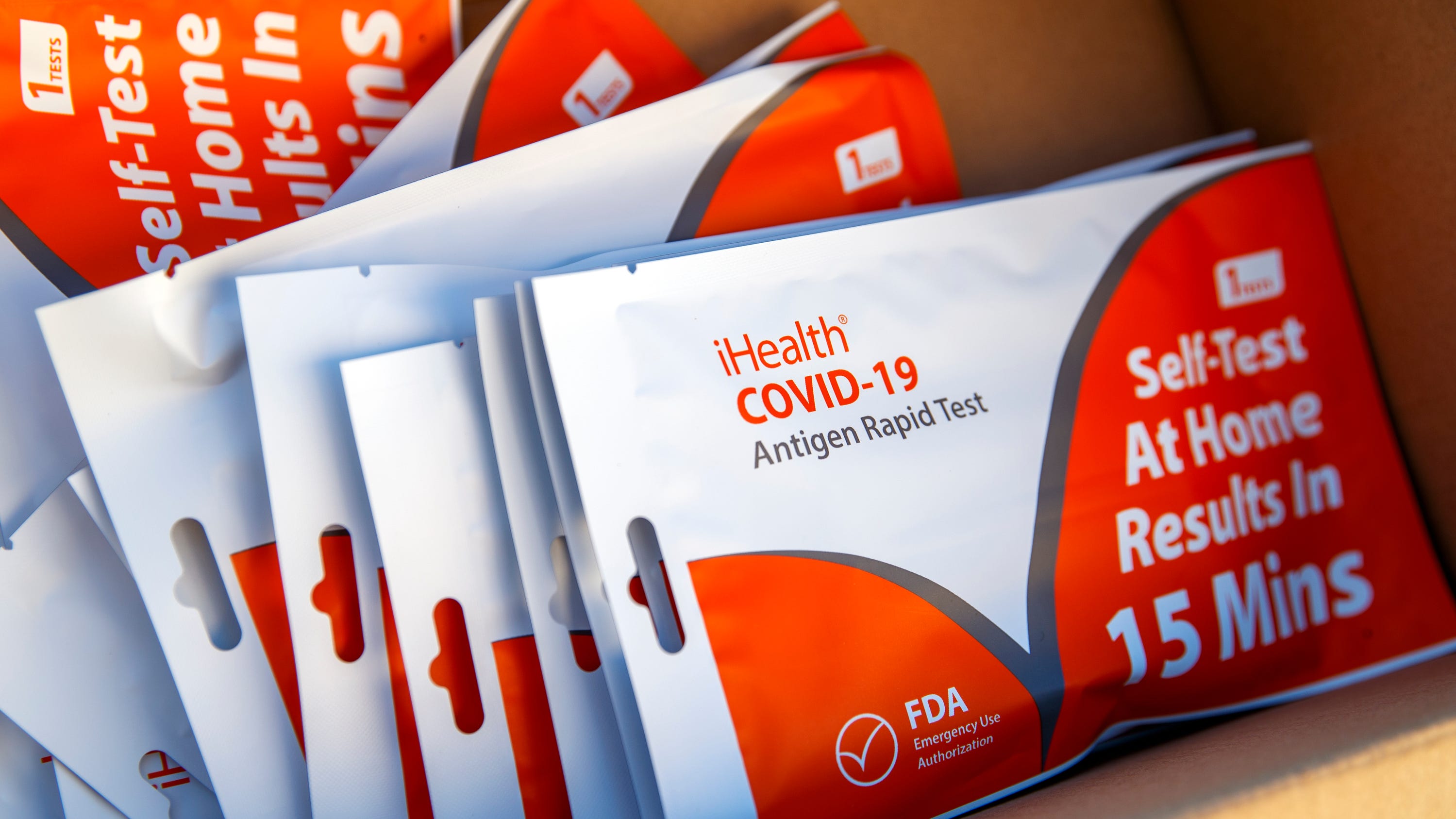
- iHealth COVID-19 Antigen Rapid Test: Known for affordability and ease of use, featuring clear digital app integration options if desired, though standard visual reading is sufficient.
- BinaxNOW COVID-19 Antigen Self Test (Abbott): Widely recognized for its compact design and straightforward two-test box configurations.
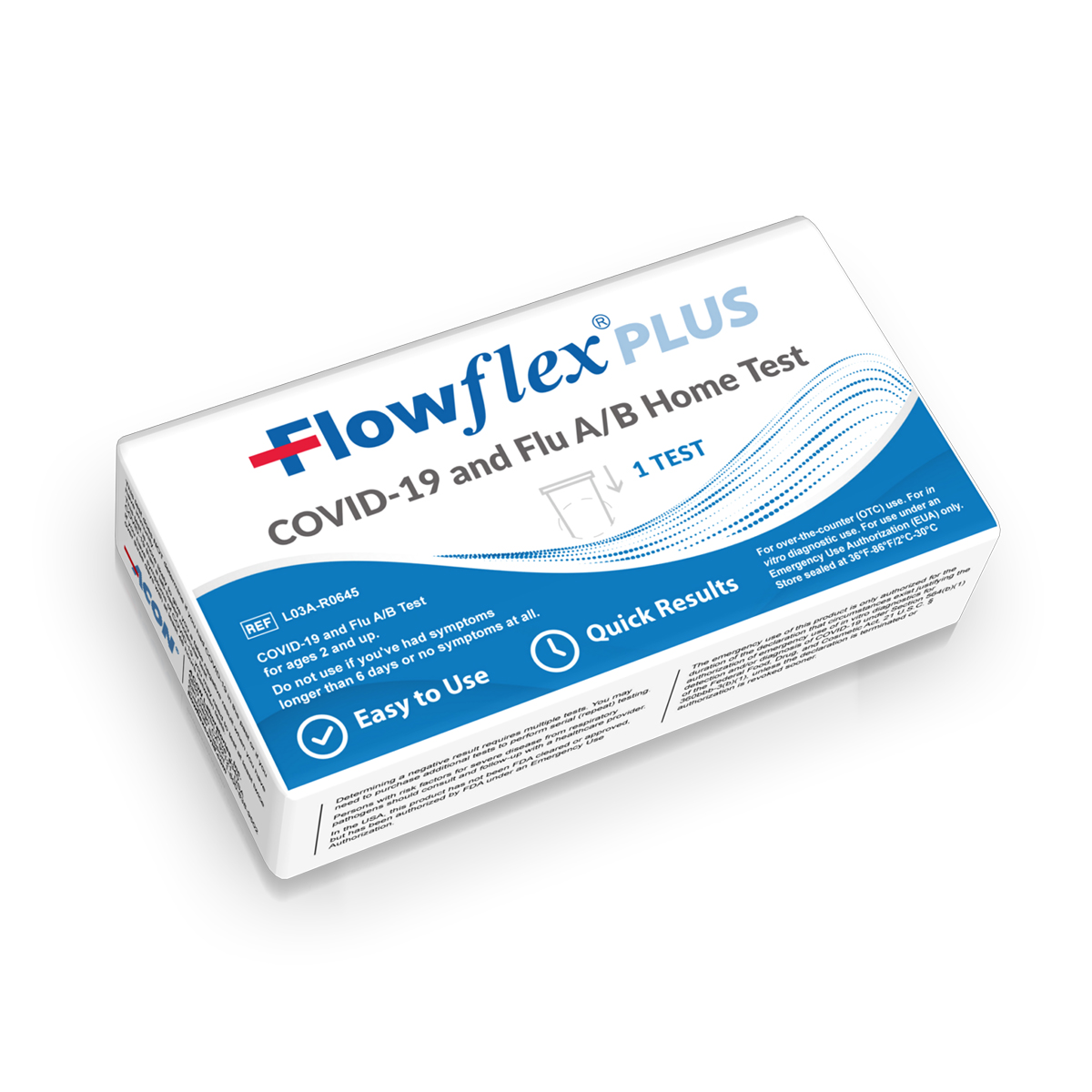
- Flowflex COVID-19 Antigen Home Test: Utilizes a simple nasal swab procedure with high sensitivity metrics documented in FDA evaluations.
- QuickVue At-Home OTC COVID-19 Test: Provides rapid results with clear, high-contrast color indicators on the test strip.
Comparison of Popular CVS Test Kit Options
| Brand Name | Kit Size | Time to Result | Age Requirement for Self-Swab | Special Features |
|---|---|---|---|---|
| iHealth | 2 Tests | 15 Minutes | 14+ years (2+ with adult collection) | App integration, affordable bulk packs |
| BinaxNOW | 2 Tests | 15 Minutes | 15+ years (2+ with adult collection) | Compact card design, clear result window |
| Flowflex | 1 or 2 Tests | 15 Minutes | 14+ years (2+ with adult collection) | Single-test availability, high sensitivity |
| QuickVue | 2 Tests | 10 Minutes | 14+ years (2+ with adult collection) | Rapid response time, simple dipstick method |
How to Purchase COVID Test Kits at CVS
Acquiring a test kit from CVS can be accomplished through multiple convenient channels depending on urgency and personal preference.
In-Store Shopping and Pickup Options
- Front Store Aisles: Test kits are typically located in the health and wellness section, often near first aid, cold, and flu medications. During periods of high respiratory illness transmission, pharmacies may place displays near the checkout registers.
- CVS Pharmacy App and Website: Customers can check real-time local inventory for specific store locations before making a trip. The platform allows users to complete purchases online and select free store pickup, often ready within hours.
- Drive-Thru Pharmacy: Many CVS locations with drive-thru pharmacy windows allow patients to request and purchase over-the-counter test kits without entering the physical store.
- Same-Day Delivery: CVS partners with delivery services to offer doorstep drop-off of healthcare products in eligible metropolitan areas.
Insurance Reimbursement and Out-of-Pocket Costs
Changes in federal public health emergency declarations have shifted financial coverage for home diagnostic tests. Understanding current pricing structures helps manage out-of-pocket expenses.
Current Cost and Coverage Realities
- Out-of-Pocket Expense: As a general rule, private health insurers, Medicare, and Medicaid are no longer federally mandated to cover or reimburse the cost of over-the-counter home COVID tests. Consumers should expect to pay standard retail prices, which typically range from $10 to $25 for a two-test box.
- Flexible Spending Accounts (FSA) and Health Savings Accounts (HSA): Over-the-counter COVID-19 test kits remain eligible expenses under most standard FSA and HSA plans. Consumers can use their benefit debit cards at checkout or save receipts to request reimbursement from their plan administrators.
- Employer-Sponsored Wellness Programs: Some corporate health plans or wellness accounts maintain discretionary stipends that cover preventative health supplies, including diagnostic kits.
Interpreting Results and When to Seek Medical Care
Accurate test execution is critical for reliable results. Missteps during sample collection or improper timing can lead to false negatives.
Step-by-Step Testing Best Practices
- Check Expiration Dates: Many manufacturers have received FDA shelf-life extensions, meaning boxes with printed expiration dates that have passed may still be valid. Check the official FDA extension lookup database online using the lot number printed on the box before discarding older kits.
- Wash and Sanitize Hands: Ensure hands are completely clean and dry before handling test components to prevent cross-contamination.
- Follow Package Instructions Precisely: Adhere strictly to the required number of swab rotations and the exact reaction timer specified in the manual insert.
- Read Results Within the Window: Read test lines strictly within the timeframe specified by the manufacturer (usually between 15 and 30 minutes). Reading strips after an extended period can result in evaporation lines that mimic positive results.
Action Plan Based on Test Outcomes
Positive Test Result: A positive line, no matter how faint, indicates that SARS-CoV-2 viral antigens were detected. Isolate immediately according to current public health guidance, notify close contacts, and contact a healthcare provider—especially if you are at high risk for severe illness, as antiviral treatments like Paxlovid may be prescribed.
Negative Test Result: A negative result means the virus was not detected at the time of testing. However, if you have symptoms, a single negative antigen test is not definitive. The FDA recommends serial testing—taking a second test 48 hours after the first—to rule out an early-stage infection where viral load was too low to detect initially.
Frequently Asked Questions
Can I use expired COVID test kits bought from CVS?
Many COVID-19 test kits have had their expiration dates extended by the FDA beyond what is printed on the box. You can verify whether your specific lot number is approved for extended use by checking the official FDA manufacturer expiration extension database online.
Are rapid antigen tests at CVS effective against newer variants?
Yes, authorized rapid antigen tests continue to detect SARS-CoV-2 proteins effectively across circulating variants. Public health agencies and manufacturers continuously monitor test performance to ensure they identify active strains.
Do I need a prescription to buy a COVID test kit at CVS?
No prescription is required to purchase over-the-counter COVID-19 test kits at CVS. They are freely available for purchase off the shelf or through online ordering without consulting a pharmacist or physician.
How should I store home COVID test kits?
Store test kits within the temperature range specified on the packaging, typically between 35°F and 86°F (2°C to 30°C). Avoid storing them in excessively hot areas like vehicles or humid environments like bathrooms, as extreme temperatures can degrade the chemical reagents.
What should I do if my test result is invalid?
An invalid result usually occurs when the control line fails to appear, often caused by applying insufficient liquid or making an error during the pipetting step. Discard the invalid test cassette and repeat the testing process using a fresh swab and a new test device.
Practical Recommendation
When purchasing a COVID test kit at CVS, opt for multi-test packs to enable serial testing over a 48-hour window if initial symptoms are present but results are negative. Always check inventory online before visiting your local branch to ensure immediate stock availability, and verify lot expiration extensions to make the most of your health investment.
MetaDescription: Discover how to find, buy, and use COVID test kits at CVS. Explore available brands, pricing, insurance rules, and step-by-step guidance.
Image Gallery