Best SUVs with Parking Assist: How Automated Parking Systems Work and Top Models Explained
SUVs with parking assist utilize a network of ultrasonic sensors, surround-view cameras, and radar to detect open spaces and automatically steer, accelerate, or brake into parallel and perpendicular spots. Ranging from semi-autonomous...
SUVs with parking assist utilize a network of ultrasonic sensors, surround-view cameras, and radar to detect open spaces and automatically steer, accelerate, or brake into parallel and perpendicular spots. Ranging from semi-autonomous steering guidance to fully remote smartphone-controlled parking, these systems reduce low-speed collisions and take the stress out of maneuvering large vehicles in tight spaces.
Contents
Understanding Parking Assist Technology in Modern SUVs
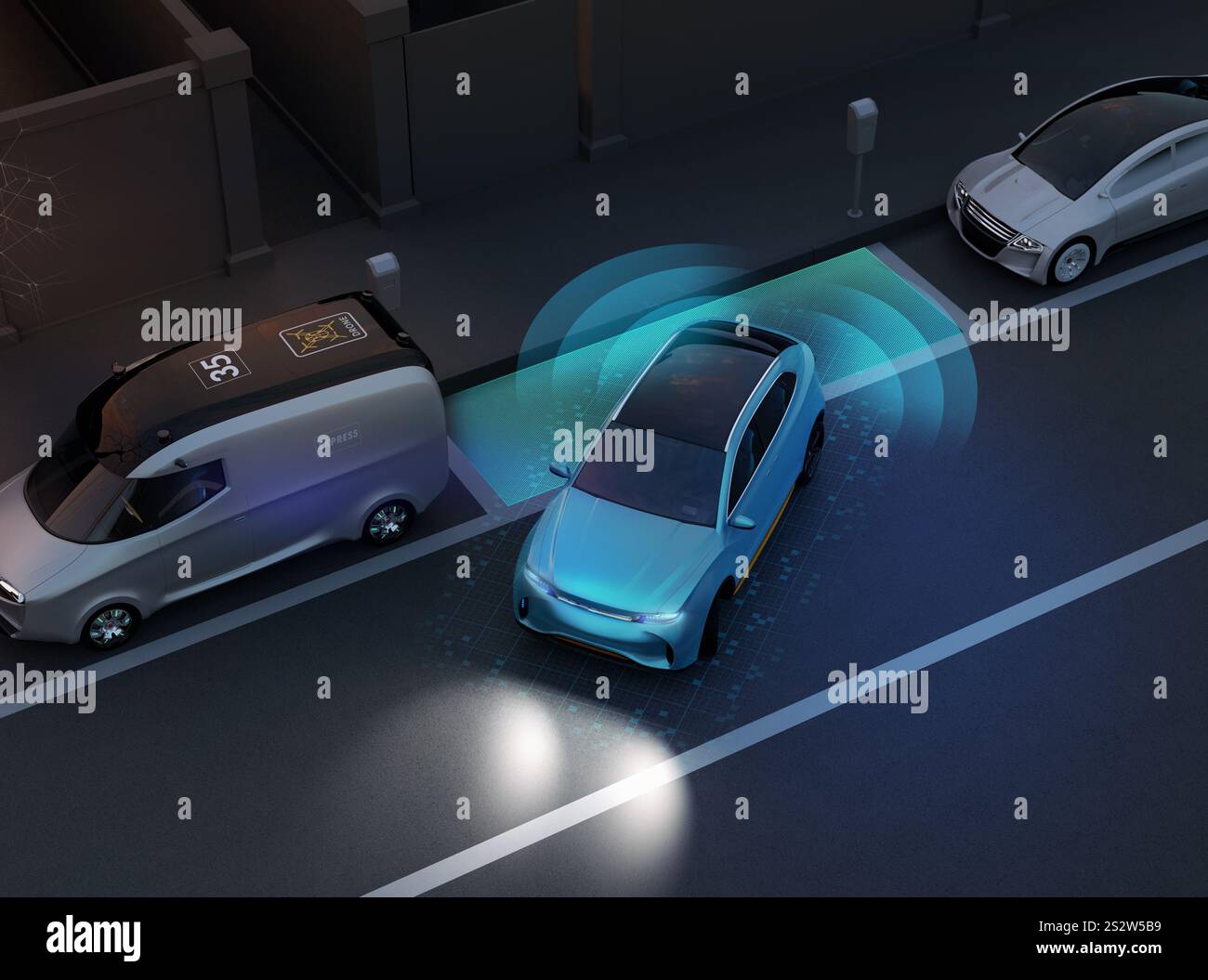
Parking assist technology transforms how drivers maneuver midsize and full-size SUVs in crowded environments. Because modern SUVs feature elevated hood lines, wide body profiles, and substantial rear blind spots, maneuvering into compact spaces presents physical challenges even for experienced drivers. Modern automated parking systems solve this by combining real-time environmental scanning with automated vehicle control systems.
At the core of any vehicle parking assist system is a network of hardware sensors integrated into the front, rear, and side fascias of the SUV:
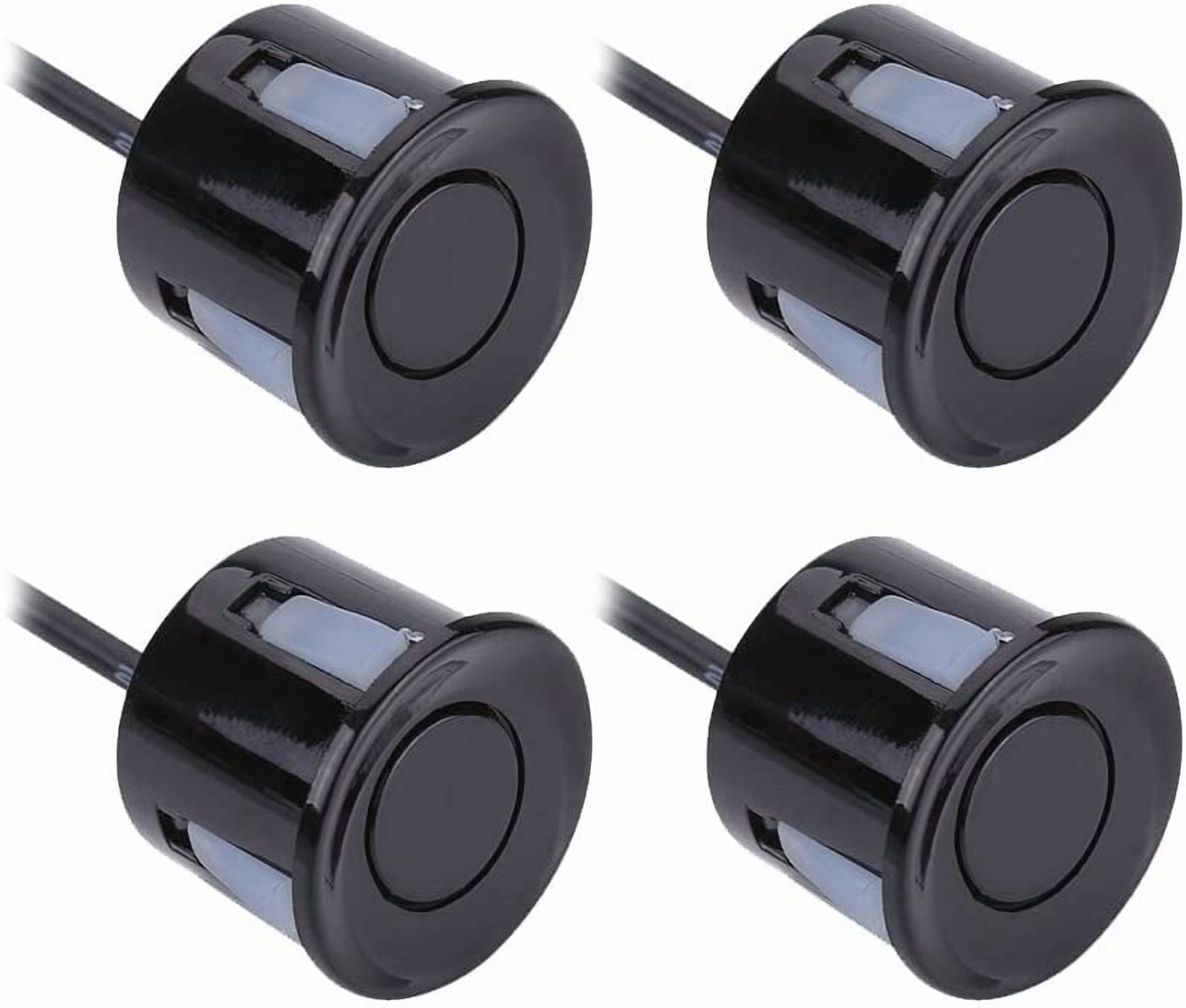
- Ultrasonic Sensors: Positioned along the front and rear bumpers, these transceivers emit high-frequency sound waves that bounce off nearby objects to calculate distance based on the echo delay. They excel at short-range detection (typically within 1.5 to 4 meters) and can identify objects regardless of lighting conditions.
- Surround-View Cameras (360-Degree Vision): Mounted in the front grille, side mirrors, and rear liftgate, high-definition cameras capture visual data that optical processing algorithms use to identify painted stall lines, curb edges, and structural barriers.
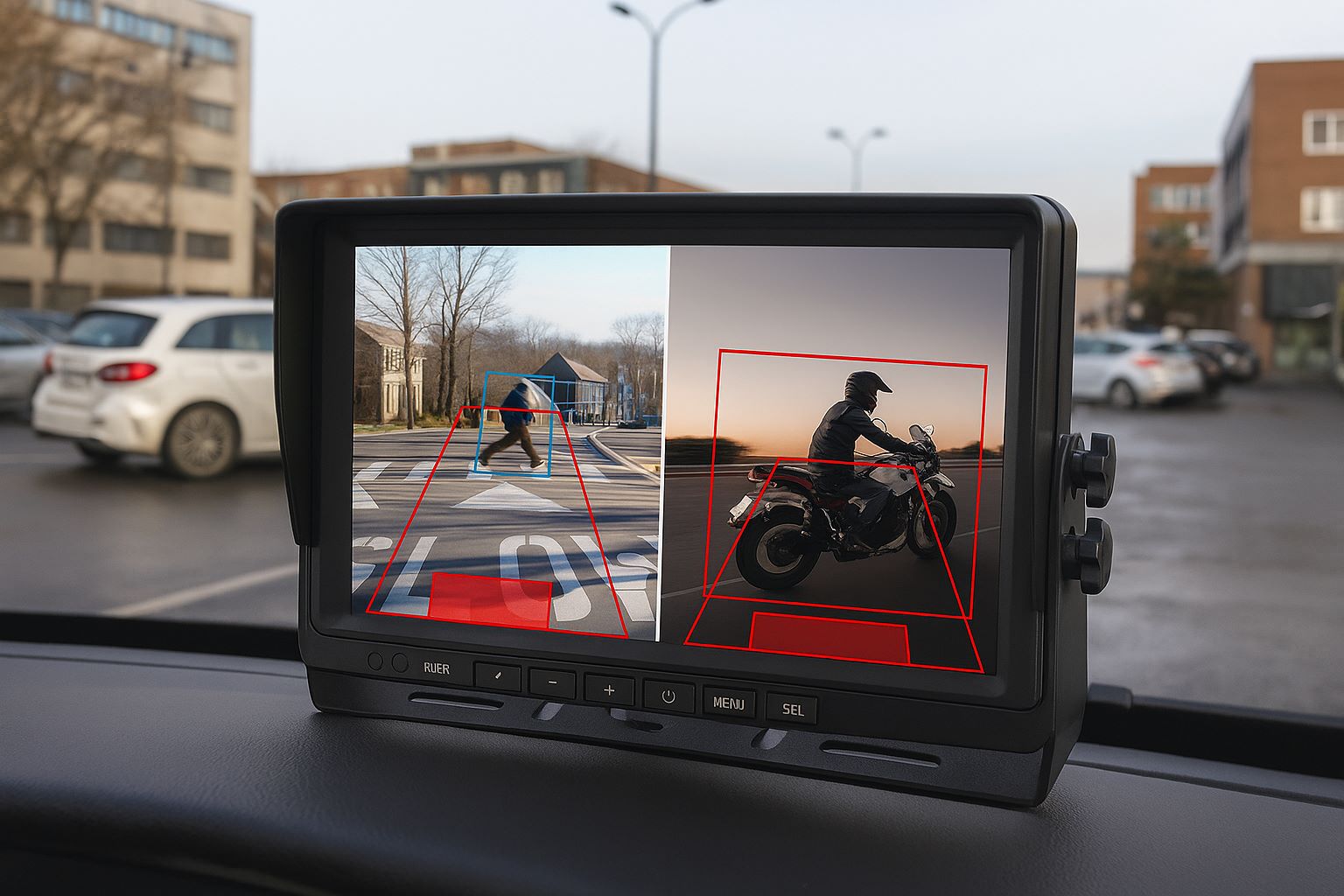
- Radar Modules: Short-range radar sensors complement ultrasonic sensors by providing high-precision distance measurements and detecting moving objects, such as pedestrians or approaching vehicles, during active maneuvers.
- Central ADAS Control Unit: The vehicle's Advanced Driver Assistance Systems (ADAS) module processes data streams from these sensors simultaneously. It uses spatial mapping algorithms to determine whether an open space matches the physical footprint of the SUV, accounting for necessary clearance margins.
Once a suitable space is identified, the control unit communicates directly with the vehicle's drive-by-wire subsystems:
- Electronic Power Steering (EPS): Takes direct control of the steering rack to execute precise wheel angles.
- Brake-by-Wire Control: Applies proportional hydraulic pressure to bring the SUV to a complete stop when reaching clearance thresholds.
- Drive-by-Wire Throttle and Transmission: Regulates engine torque or electric motor output and signals the electronic transmission shifter to switch between Drive, Reverse, and Park.
Levels of Automated Parking Systems
Automated parking technology is not uniform across all automotive manufacturers. Systems vary significantly in their level of autonomy, driver involvement, and operational execution.
- Passive / Sensor Alerts: Driver controls all inputs (Audio/Vis)
- Semi-Autonomous Steering: Vehicle steers; Driver pedals/shifts
- Fully Autonomous Inside: Vehicle handles steering, gas, brake
- Remote Smart Parking: Driver operates system outside vehicle
1. Passive Distance Warnings (Park Distance Control)
The most basic tier relies strictly on ultrasonic sensors to provide audible beeps and visual graphic displays on the dashboard screen as the SUV approaches an obstacle. The driver retains full physical control over steering, braking, and throttle input.
2. Semi-Autonomous Steering Assist
In semi-autonomous configurations, the system scans for parking spaces and assumes total control of the steering wheel. However, the driver remains responsible for modulating the brake pedal, applying the accelerator, and manually shifting gears between Forward and Reverse when prompted by the instrument cluster.
3. Fully Autonomous In-Cabin Parking Assist
Advanced systems handle all mechanical functions without requiring pedal or gear interaction from the driver seated inside. Once activated, the driver simply monitors the environment while the vehicle autonomously steers, accelerates, shifts gears, and applies brakes until the parking maneuver is complete.
4. Remote Parking Assist (Smart Park)
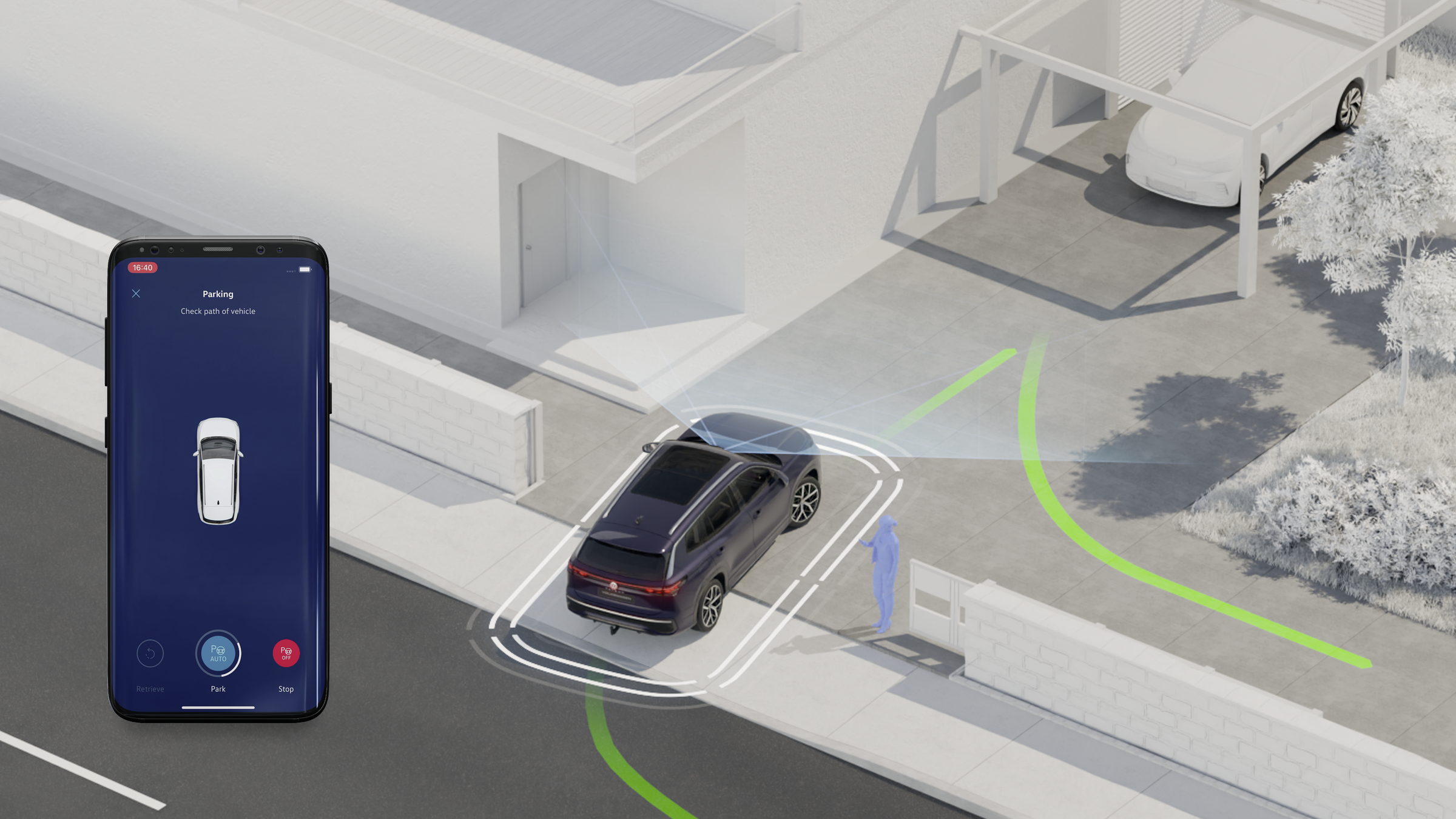
Remote systems allow the driver to exit the vehicle entirely before or during the maneuver. Using the vehicle's key fob or a dedicated smartphone application, the user holds a button while standing nearby to command the SUV into or out of extremely tight parallel or perpendicular spaces, as well as narrow garage bays where opening doors would otherwise be impossible.
5. Trajectory Backup & Reverse Assist
Specifically designed for long driveways or tight alleys, trajectory backup systems continuously record the steering angles of the last 50 meters driven forward at low speeds. When activated in reverse, the vehicle automatically retraces its exact entry path backwards, steering around obstacles without manual steering input.
Top SUV Models Offering Advanced Parking Assist Systems
Automakers bundle automated parking technology under distinct proprietary names. Below is an overview of the industry's leading systems available across major SUV classes.
1. Hyundai, Kia, and Genesis: Remote Smart Parking Assist (RSPA & RSPA 2)
The Hyundai Motor Group offers one of the most comprehensive remote parking features on the market, known as Remote Smart Parking Assist (RSPA). Often referred to colloquially as "Smart Park," the latest RSPA 2 generation handles parallel, perpendicular, and diagonal parking scenarios.
- Key SUV Models: Hyundai Palisade, Hyundai Santa Fe, Kia Telluride, Kia EV6, Kia EV9, Genesis GV70, Genesis GV80.
- Operational Highlight: Drivers can align the SUV in front of a space, step out, and use the smart key fob's forward and reverse buttons to move the vehicle straight into or out of tight parking spots. RSPA 2 expands on this by permitting fully automated parallel and perpendicular parking without anyone inside the cabin.
2. BMW: Parking Assistant Professional & Backup Assistant
BMW equips its luxury SUV lineup with sophisticated spatial mapping features through its Parking Assistant package, culminating in Parking Assistant Professional.
- Key SUV Models: BMW X3, BMW X5, BMW X7, BMW iX.
- Operational Highlight: Includes BMW’s signature Reversing Assistant, which memorizes the last 50 meters driven forward (at speeds below 22 mph) and automatically reverses the SUV along that exact path. Parking Assistant Professional also allows drivers to store up to 10 maneuver paths (such as navigating a complex home driveway) and execute remote parking via the My BMW smartphone app.
3. Mercedes-Benz: Active Parking Assist with PARKTRONIC
Mercedes-Benz integrates Active Parking Assist into its MBUX infotainment suite, using 360-degree cameras alongside ultrasonic sensors to map surrounding environments.
- Key SUV Models: Mercedes-Benz GLC, Mercedes-Benz GLE, Mercedes-Benz GLS, Mercedes-Benz EQE SUV, Mercedes-Benz EQS SUV.
- Operational Highlight: The system actively searches for open spaces when driving past parked cars at speeds below 22 mph. Upon selection, it controls steering, acceleration, gear changing, and braking for parallel and perpendicular spots. High-end trims feature Memory Parking Assist, which learns repetitive garage maneuvers on private property.
4. Ford and Lincoln: Active Park Assist 2.0
Ford Motor Company streamlines driver control with Active Park Assist 2.0, which automates steering, gear selection, acceleration, and braking with minimal driver friction.
- Key SUV Models: Ford Explorer, Ford Expedition, Ford Mustang Mach-E, Lincoln Aviator, Lincoln Navigator.
- Operational Highlight: The system is engaged via a central physical or soft button. The driver comes to a complete stop, shifts into Neutral, and holds down the Active Park Assist button throughout the maneuver. Releasing the button instantly pauses vehicle movement for safety.
5. Audi: Park Assist Plus
Audi’s Park Assist Plus leverages optical sensor fusion to locate suitable parallel and perpendicular parking spots.
- Key SUV Models: Audi Q5, Audi Q7, Audi Q8, Audi Q4 e-tron, Audi Q8 e-tron.
- Operational Highlight: When enabled via the center console touchscreen, Park Assist Plus analyzes boundaries using visual camera data and ultrasonic telemetry. The driver holds down the Park Assist button on the dashboard, allowing the SUV to maneuver into the space while automatically controlling throttle, braking, and steering.
Comprehensive SUV Parking Assist Comparison
The following table outlines how leading SUV automated parking systems compare across mechanical execution, driver requirement, and features:
| Automaker / System Name | Primary Automation Level | Execution Capabilities | Driver Presence Required? | Notable Compatible SUV Models |
|---|---|---|---|---|
| Hyundai / Kia / GenesisRemote Smart Park (RSPA 2) | Fully Autonomous & Remote | Parallel, Perpendicular, Diagonal, Straight Remote Pull-In/Out | No (Can operate outside via Key Fob/App) | Hyundai Palisade, Kia EV9, Genesis GV80 |
| BMWParking Assistant Professional | Fully Autonomous, Remote & Trajectory | Parallel, Perpendicular, 50-Meter Reversing Memory, Stored Trajectories | No (Optional app control outside vehicle) | BMW X5, BMW X7, BMW iX |
| Mercedes-BenzActive Parking Assist | Fully Autonomous & Memory | Parallel, Perpendicular, Private Plot Memory Route Parking | Yes (Driver seated in cabin) | Mercedes-Benz GLC, GLE, GLS, EQS SUV |
| Ford / LincolnActive Park Assist 2.0 | Fully Autonomous (Single Button Hold) | Parallel, Perpendicular, Park-Out Assist (Exiting Parallel Space) | Yes (Driver seated, holding console button) | Ford Explorer, Expedition, Lincoln Navigator |
| AudiPark Assist Plus | Fully Autonomous (Single Button Hold) | Parallel, Perpendicular maneuvering with full pedal automation | Yes (Driver seated, holding system button) | Audi Q5, Audi Q7, Audi Q8 e-tron |
| TeslaAutopark / Smart Summon | Fully Autonomous & Vision-Based Remote | Parallel, Perpendicular, Remote vehicle retrieval via app | No (Monitored via smartphone application) | Tesla Model Y, Tesla Model X |
Practical Benefits of Parking Assist in SUVs
Automated parking systems deliver tangible advantages beyond pure novelty, directly addressing the physical and operational challenges of driving large vehicles.
- Wheel Rash Protection: Precise curb-distance alignment
- Blind Spot Mitigation: Overcomes high hoodlines & wide C-pillars
- Accessibility Clearance: Remote parking fits narrow garage bays
- Collision Avoidance: Instant emergency braking on object det.
1. Curb Rash Mitigation and Rim Protection
Large SUVs frequently feature premium alloy wheels ranging from 20 to 22 inches fitted with low-profile tires. Scrape damage against concrete curbs during parallel parking is costly to repair. Ultrasonic sensors and optical curb-detection software align the SUV within 6 to 12 inches of the curb, preventing costly rim damage.
2. Overcoming High Hood Lines and Blind Spots
Substantial hood height, thick rear pillars, and tinted rear windows restrict visibility around the perimeter of full-size SUVs. Visual blind spots make low obstacles—such as concrete parking bollards, fire hydrants, or low retaining walls—difficult to detect manually. Sensor fusion identifies these low-lying obstructions regardless of cabin line-of-sight.
3. Tight Space Parking and Vehicle Accessibility
In residential garages or urban parking structures built to older dimensional standards, parking a wide SUV leaves minimal room to open side doors. Remote parking features allow drivers to align the vehicle, step out in a clear area, and command the SUV to park itself inside a narrow garage, eliminating awkward cabin exits.
System Limitations, Environmental Vulnerabilities, and Risks
While parking assist systems provide high accuracy, they rely heavily on clear sensor signals and precise environmental conditions. Drivers must remain aware of technical limits to prevent unexpected incidents.
1. Weather and Environmental Degradation
Sensors and cameras are vulnerable to outer contamination:
- Obstruction: Heavy rain, slush, mud, or road salt accumulating over ultrasonic sensors blocks acoustic signals, triggering false proximity warnings or deactivating the system entirely.
- Camera Occlusion: Water droplets or fogging on wide-angle camera lenses severely degrades object-recognition capabilities, preventing the ADAS computer from mapping painted parking lines.
2. Non-Standard Geometry and Low-Profile Obstacles
Automated systems are calibrated for standard parking infrastructure. Non-standard scenarios can cause system failures:
- Low Curbs and Steep Drop-offs: Systems can fail to detect very low curbs or steep curb cuts, potentially steering tires directly into hazards.
- Angled or Faded Parking Lines: Perpendicular parking functions rely on clear painted lines or neighboring cars. If lines are faded or adjacent vehicles are parked crookedly, the system may align itself off-center or refuse to engage.
- Towing Accessories: Aftermarket trailer hitches, bike racks, or rear cargo carriers alter the overall length of the SUV, which can throw off proximity calculations and lead to low-speed bumps if not manually disabled.
3. Driver Impatience and Traffic Context
Automated parking maneuvers are programmed to operate cautiously and slowly to prioritize safety. In high-density parking lots or busy city streets, the prolonged scanning and multi-point steering sequence can draw impatience or tailgating from other motorists, putting pressure on the driver to manually override the system.
4. Legal Liability and Operational Oversight
Current automotive regulations classify automated parking assist features as Level 2 Advanced Driver Assistance Systems. Regardless of whether the driver is sitting behind the steering wheel or holding a remote key fob outside the vehicle, the driver remains legally responsible for any property damage or personal injury that occurs during an automated maneuver.
Cost Considerations and Package Availability
Parking assist features are rarely available as standard equipment on base-trim SUVs. Buyers evaluating vehicles equipped with automated parking should consider how automakers package these options.
1. Trims and Option Bundles
In mainstream brands (such as Hyundai, Kia, and Ford), advanced parking assist is generally reserved for top-tier trim levels (e.g., Hyundai Calligraphy, Kia SX Prestige, Ford Platinum) or included within high-level "Technology Packages" ranging from $1,500 to $3,500.
Luxury brands (such as BMW, Mercedes-Benz, and Audi) typically offer automated parking through standalone driver assistance options or dedicated packages (such as the BMW Parking Assistance Package), costing between $800 and $2,500 depending on the inclusion of 360-degree camera hardware and remote functions.
2. Repair and Sensor Recalibration Costs
Even minor fender benders in an SUV equipped with parking assist can incur high repair bills. Damage to front or rear bumper covers requires not only body repair but also precise sensor re-alignment and radar calibration using specialized dealer diagnostics. Recalibration service alone can cost between $300 and $800 per instance, excluding structural part replacements.
How to Operate Parking Assist Safely: Step-by-Step Guide
Executing an automated parking maneuver requires proper operating sequences to ensure safety and system reliability.
Step 1: Drive below speed threshold (<15 mph) & activate turn signal
Step 2: Engage system button to initiate lateral space scanning
Step 3: Select detected space type (Parallel/Perpendicular) on screen
Step 4: Follow prompts: Release wheel/pedals OR hold system button
Step 5: Hover foot over brake pedal; maintain constant visual watch
Approach at Low Speed: Reduce vehicle speed below 15 mph (or the specific automaker threshold) when approaching candidate parking spaces.
Activate System and Turn Signal: Press the vehicle’s Park Assist button on the center console or display menu, and activate the turn signal toward the side of the road where you intend to park.
Confirm Space Detection: Drive slowly past open spaces until the digital instrument cluster or central screen displays a visual prompt confirming a space has been mapped.
Select Maneuver Type: Choose between parallel or perpendicular entry on the screen display.
Execute and Monitor: Shift to the requested gear (or allow the auto-shifter to switch), remove hands from the steering wheel, and follow on-screen instructions. Keep your foot hovering over the brake pedal throughout the entire maneuver to manual override if an unexpected pedestrian, pet, or vehicle enters your path.
Frequently Asked Questions
Can parking assist handle both parallel and perpendicular parking?
Yes. Most modern parking assist systems found in modern SUVs can execute both parallel and perpendicular parking maneuvers. Higher-end systems (such as Hyundai RSPA 2 and BMW Parking Assistant Professional) also support angled parking spots and automatic maneuver-out assistance to exit tight parallel spaces safely.
Will parking assist work if there are no painted lines on the road?
Parking assist relies on a combination of ultrasonic proximity sensors and camera recognition. If painted lines are missing, the system can still park by using neighboring vehicles as spatial reference boundaries. However, if no adjacent vehicles or clear boundaries exist, vision-based systems may fail to detect a valid parking stall.
Who is legally liable if an SUV damages another car while using parking assist?
The driver holds complete legal liability. Because parking assist systems operate under Level 2 driver assistance classification, the driver must maintain constant visual supervision and be prepared to intervene immediately by applying the brakes or overriding the steering wheel if a collision risk arises.
Can parking assist be installed on an older SUV as an aftermarket upgrade?
Full automated parking assist—where the car controls steering, braking, and throttle—cannot be retrofitted through aftermarket additions because it requires deep factory integration with electronic power steering, brake-by-wire, and engine control units. However, drivers of older SUVs can install aftermarket ultrasonic parking sensors and 360-degree camera kits to add passive proximity warnings and visual assistance.
Why does parking assist abort or stop unexpectedly during a maneuver?
An automated parking maneuver will abort if an ultrasonic sensor or camera becomes obscured by dirt, snow, or direct sun glare, or if an unexpected obstacle (such as a pedestrian or moving car) enters the safety margin. Aborts also occur if the driver manually touches the steering wheel, presses the brake pedal firmly, or releases the mandatory activation button on certain vehicle systems.
Summary and Final Recommendations
Selecting an SUV with parking assist depends on your typical driving environment and vehicle choice:
- For Tight Private Garages and Urban Spaces: Look for vehicles featuring Remote Smart Parking (such as the Hyundai Palisade, Kia EV9, Genesis GV80, or BMW X5/X7). The ability to stand outside the vehicle while it maneuvers into narrow garage bays prevents door dings and awkward cabin exits.
- For Frequent Parallel Parkers: Systems like Ford’s Active Park Assist 2.0 and Mercedes-Benz Active Parking Assist excel at detecting urban street curbs and positioning large SUVs accurately without wheel scraping.
- During the Test Drive: Always test the vehicle's automated parking features in a real-world setting. Evaluate how quickly the scanning mode detects available spaces, how intuitively on-screen prompts are presented, and how smoothly the vehicle manages throttle and braking inputs under pressure.
Image Gallery