NATO's Kosovo Force (KFOR) Operations: Mandate, Structure, and Security Role
The Kosovo Force (KFOR) is a NATO-led international peacekeeping mission established in June 1999 under United Nations Security Council Resolution 1244. Its primary objective is to maintain a safe and secure environment and ensure free...
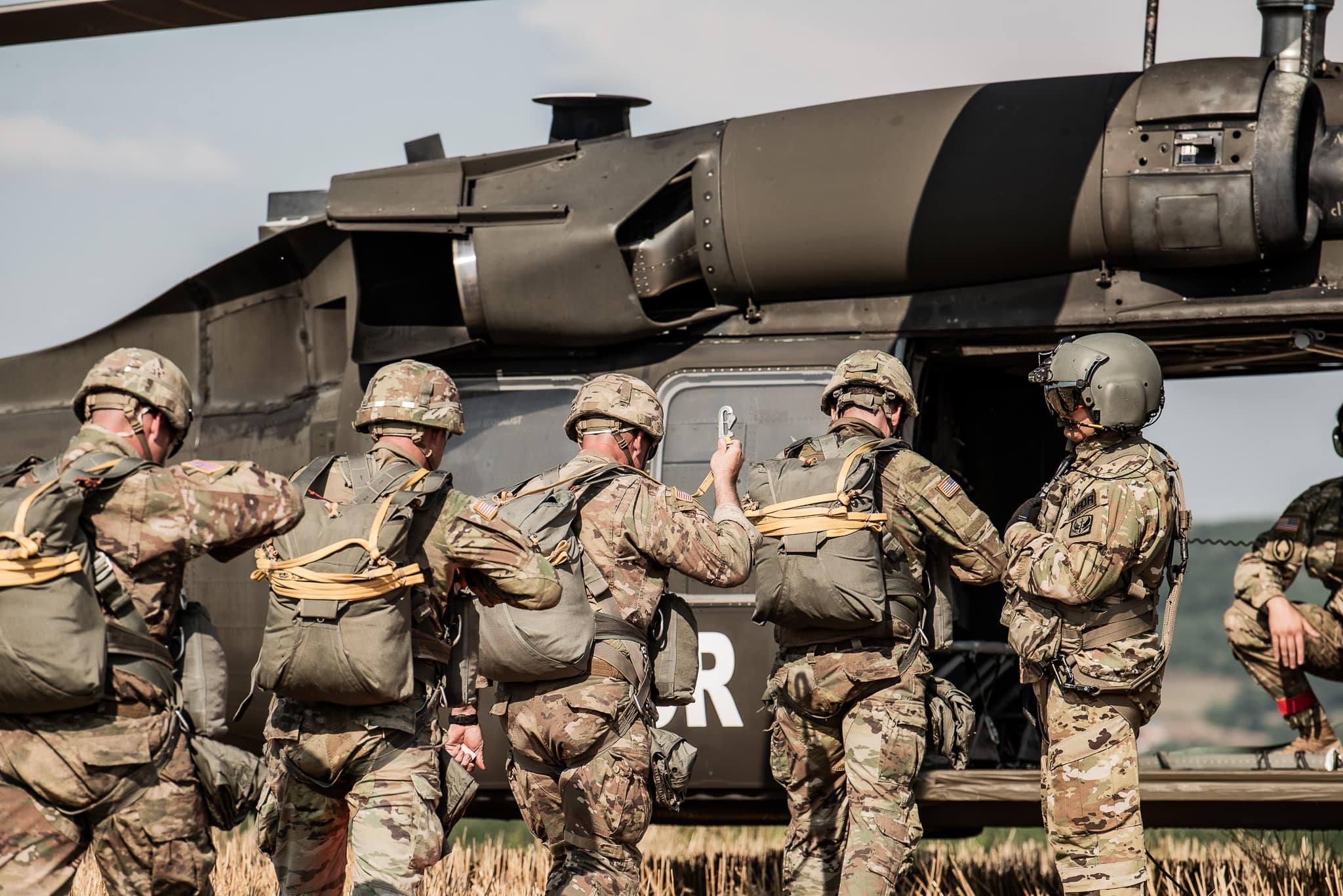
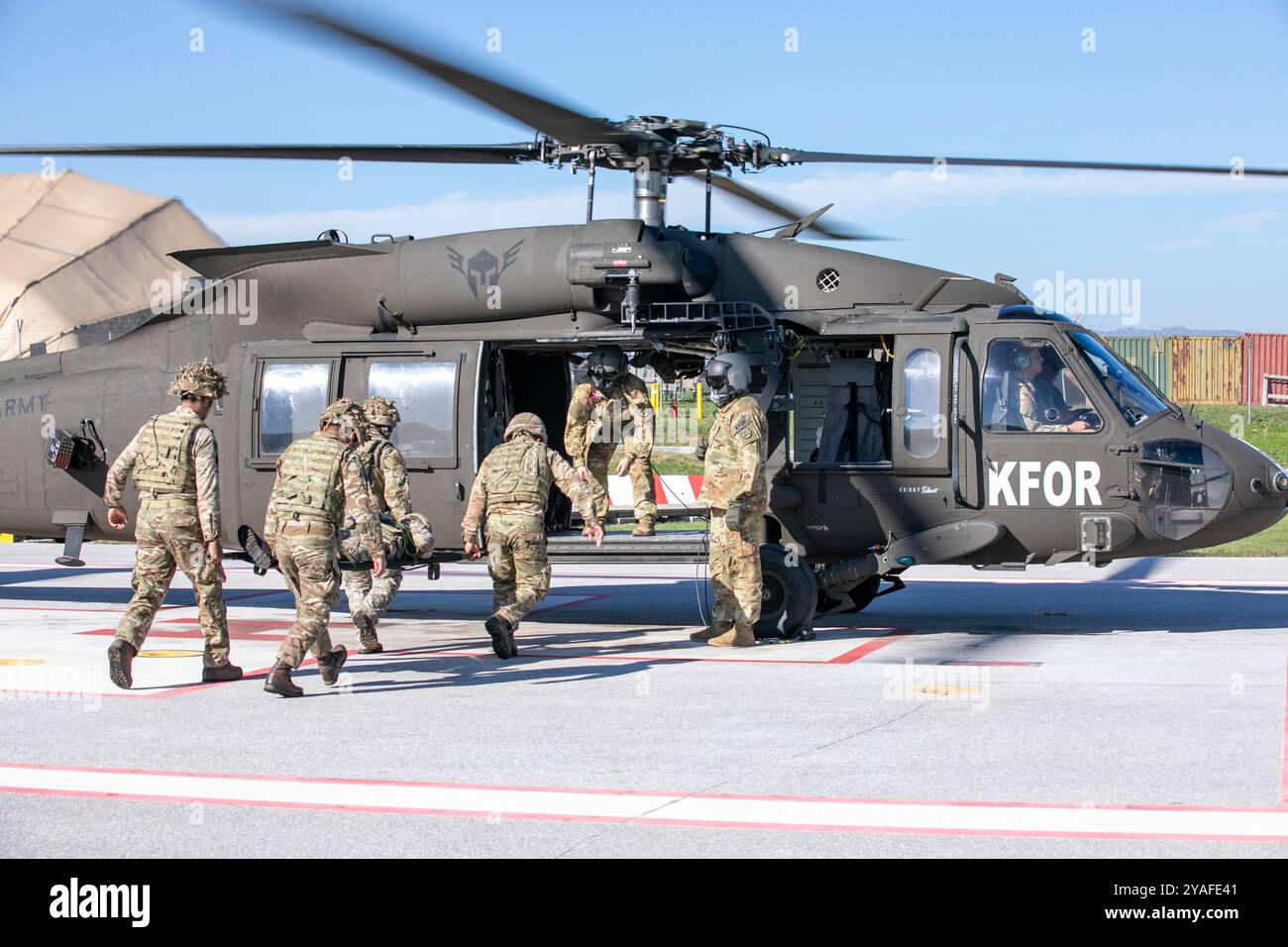
The Kosovo Force (KFOR) is a NATO-led international peacekeeping mission established in June 1999 under United Nations Security Council Resolution 1244. Its primary objective is to maintain a safe and secure environment and ensure freedom of movement for all communities in Kosovo, operating as a impartial third responder alongside the Kosovo Police and EULEX.
Contents
Mandate and Founding Framework: UNSCR 1244
The operational authority for the Kosovo Force (KFOR) derives directly from United Nations Security Council Resolution 1244 (UNSCR 1244), adopted on June 10, 1999. This resolution established the legal foundation for international civil and security presences in Kosovo following the end of the Kosovo conflict. NATO assumed leadership of the international security force tasked with implementing the military aspects of the peace agreement.
Under UNSCR 1244, KFOR operates under a clear, robust mandate designed to stabilize the Western Balkans region. The core mandates assigned to KFOR include:
- Deterrence and Security: Preventing the renewal of hostilities and maintaining a safe and secure environment (SASE) for all people in Kosovo, regardless of ethnicity.
- Freedom of Movement: Guaranteeing public order and ensuring freedom of movement (FOM) throughout Kosovo for civilian populations, international organizations, and humanitarian missions.
- Demilitarization Support: Overseeing the demilitarization of former combatant groups and supporting the development of local security institutions within established international boundaries.
- Border and Boundary Monitoring: Monitoring and securing Kosovo’s borders and the Administrative Boundary Line (ABL) between Kosovo and Serbia to prevent illicit cross-border military movements and smuggling activities.
While Kosovo declared independence in 2008, KFOR’s military mandate remains unchanged. The force operates under status-neutral parameters relative to the political status of Kosovo, adhering strictly to its UN Security Council mandate to act as an impartial guarantor of regional stability.
Command Structure and Force Composition
KFOR operates under the operational chain of command of NATO’s Allied Joint Force Command Naples (JFC Naples), located in Italy. The Commander of KFOR (COMKFOR), typically a major general from a NATO member state (frequently Italy), exercises operational control from Headquarters KFOR at Camp Film City in Pristina.
- NATO Allied Joint Force Command Naples
- Commander KFOR (HQ Camp Film City, Pristina)
- Regional Command East (RC-E / Camp Bondsteel)
- Regional Command West (RC-W / Camp Villaggio Italia)
- Multinational Specialized Unit (MSU)
- KFOR Tactical Reserve Battalion (KTRBN)
- Joint Logistic Support Group (JLSG)
- Commander KFOR (HQ Camp Film City, Pristina)
Regional Commands and Operational Units
To effectively maintain coverage across Kosovo, KFOR divides its operational area into two primary regional commands, supported by specialized tactical and logistical units:
- Regional Command East (RC-East): Headquartered at Camp Bondsteel near Uroševac (Ferizaj), RC-East is primarily led by U.S. Army personnel working alongside allied forces from Poland, Turkey, Greece, Romania, and non-NATO partner nations. RC-East oversees security along the eastern border and administrative boundary areas.
- Regional Command West (RC-West): Headquartered at Camp Villaggio Italia near Peć (Peja), RC-West is predominantly led by Italian forces, integrated with troops from Austria, Moldova, Slovenia, Croatia, and North Macedonia. RC-West focuses heavily on protecting critical cultural and religious sites, such as the Visoki Dečani Monastery.
- Multinational Specialized Unit (MSU): Composed exclusively of Italian Carabinieri (military police), the MSU specializes in public order, riot control, intelligence-led policing support, and community engagement in high-tension areas such as Mitrovica.
- KFOR Tactical Reserve Battalion (KTRBN): A highly mobile operational reserve unit held at high readiness under the direct command of COMKFOR, capable of deploying anywhere in Kosovo to reinforce units facing civil disturbance or security escalations.
- Joint Logistic Support Group (JLSG): Provides engineering, transportation, medical support, and logistical sustainment across all national contingents in the theater of operations.
Troop Contributing Nations (TCNs)
As of current force deployments, KFOR comprises approximately 4,500 personnel drawn from nearly 30 Allied and partner nations. Non-NATO partner countries—such as Austria and Switzerland—contribute significant troop contingents under NATO's Partnership for Peace (PfP) framework, demonstrating the international consensus supporting regional stability.
KFOR's Role in Kosovo's Three-Tier Security Framework
KFOR does not operate in isolation; it functions as part of an integrated, three-tiered security architecture established to balance sovereign local policing with international stability mechanisms. This operational hierarchy ensures that military intervention remains a measure of last resort.
- First Security Responder: Kosovo Police
- Second Security Responder: EULEX (EU Rule of Law Mission)
- Third Security Responder: KFOR (NATO-led Force)
- First Security Responder (Kosovo Police): The primary authority responsible for day-to-day law enforcement, crime prevention, border police duties, and civil order across all municipalities in Kosovo.
- Second Security Responder (EULEX): The European Union Rule of Law Mission in Kosovo acts as an intermediate buffer. EULEX deploys specialized police units (Formed Police Units - FPUs) to assist local authorities during civil unrest, provide monitoring, and advise judicial institutions.
- Third Security Responder (KFOR): NATO forces step in only when security conditions deteriorate beyond the operational capabilities of both the Kosovo Police and EULEX. KFOR provides heavy crowd and riot control (CRC), kinetic intervention, asset protection, and wide-area area control.
This clear escalation protocol minimizes unnecessary military involvement in domestic civil affairs while guaranteeing that rapid, robust military backup is available if large-scale instability occurs.
Operational Tasks and Key Responsibilities
KFOR carries out a broad array of static, dynamic, and diplomatic operational activities to maintain stability across the Balkan region.
| Security & Patrols | Site Protection | Border Control |
|---|---|---|
| * Administrative Boundary Line (ABL) monitoring* Dynamic combat patrols* Public order support (CRC) | * Visoki Dečani Monastery* Designated Serb Orthodox sites* Strategic infrastructure bridges (e.g., Ibar Bridge in Mitrovica) | * Joint ABL patrols* Airspace management |
Administrative Boundary Line (ABL) Patrols
One of KFOR’s core military duties is patrolling the Administrative Boundary Line (ABL) separating Kosovo and Serbia. KFOR conducts regular foot and vehicular patrols, dynamic checkpoints, and aerial surveillance along the ABL.
To reduce misunderstandings and potential military friction, KFOR conducts synchronized and joint patrols along the ABL in coordination with the Serbian Armed Forces (SAF) on one side and coordinates operational awareness with Kosovo security agencies on the other.
Protection of Cultural and Religious Heritage Sites
Under international agreements, KFOR acts as the primary security layer for specific designated religious and historic sites evaluated as high-risk targets for ethnic or religious violence.
The most prominent example is the Visoki Dečani Monastery, a 14th-century Serbian Orthodox site listed as a UNESCO World Heritage site. KFOR maintains static guard posts, vehicular access control points, and perimeter security around the monastery complex. Most other historical sites previously guarded by KFOR have gradually been transitioned ("property-in-charge" transfer process) to the protection of the Kosovo Police as security conditions improved over the years.
Airspace Management
KFOR's Commander remains the authority responsible for Kosovo’s upper and lower airspace management under UNSCR 1244. While civilian high-altitude airspace management was delegated to Hungary's air navigation service provider (HungaroControl) for commercial overflights, KFOR retains direct tactical command over Kosovo's lower airspace (below 10,000 feet) to support operational military aviation and emergency medevac operations.
Summary of KFOR Operational Characteristics
The following table summarizes the structural, operational, and administrative parameters of the NATO Kosovo Force:
| Operational Dimension | Specification / Parameter Details |
|---|---|
| Legal Foundation | UN Security Council Resolution 1244 (1999) |
| Operational Command | NATO Allied Joint Force Command Naples (JFC Naples) |
| Headquarters Location | Camp Film City, Pristina, Kosovo |
| Current Troop Strength | ~4,500 Troops (adjusts dynamically based on threat environment) |
| Contributing Nations | ~28 NATO Allies and Non-NATO Partner Countries |
| Key Operational Sectors | Regional Command East (Camp Bondsteel), Regional Command West (Camp Villaggio Italia) |
| Security Response Level | Third Security Responder (behind Kosovo Police and EULEX) |
| Primary Missions | Safe and Secure Environment (SASE), Freedom of Movement (FOM), ABL Monitoring |
| Specialized Units | Multinational Specialized Unit (Carabinieri), KFOR Tactical Reserve Battalion |
Recent Operational Adaptations and Force Adjustments
Security dynamics in the Western Balkans require KFOR to continually adjust its operational posture. Tensions in northern Kosovo—specifically around municipalities like Zvečan, Leposavić, Zubin Potok, and North Mitrovica—have periodically led to violent confrontations involving local civilian populations, regional actors, and international peacekeepers.
Following severe clashes in May 2023 in Zvečan (where dozens of KFOR soldiers sustained injuries during violent protests) and the armed escalation in Banjska in September 2023, NATO implemented strategic adjustments to KFOR’s force posture:
Reserve Force Deployments
NATO activated its Operational Reserve Force (ORF) and Reserve Forces for the Western Balkans, deploying additional battalion-sized contingents (including British, Turkish, and Romanian units) to reinforce KFOR's tactical posture in the north.
Enhanced Patrol Density
KFOR doubled its patrol cadence along the Administrative Boundary Line and increased static presence at key urban bottlenecks, particularly around the Ibar River bridges dividing North and South Mitrovica.
Interoperability and Heavy Equipment Integration
Troops deployed to high-risk zones were equipped with enhanced counter-crowd and riot control (CRC) capabilities, armored personnel carriers, and tactical intelligence equipment to counter organized armed threats.
These adjustments underscore NATO's commitment to maintaining a flexible, high-readiness force capability capable of deterring rapid escalations while encouraging political resolution through the European Union-facilitated dialogue between Belgrade and Pristina.
Frequently Asked Questions
What is the primary legal mandate of NATO's KFOR mission?
KFOR operates under United Nations Security Council Resolution 1244, adopted in June 1999. The mandate authorizes NATO forces to maintain a safe and secure environment (SASE) and guarantee freedom of movement (FOM) for all communities in Kosovo without taking a political stance on Kosovo’s statehood status.
How does KFOR collaborate with local police and international missions?
KFOR operates within a three-tiered security framework. Local law enforcement (Kosovo Police) acts as the first security responder. The EU Rule of Law Mission (EULEX) acts as the second security responder. KFOR acts as the third security responder, stepping in with military force only if civil policing mechanisms are overwhelmed by severe unrest or widespread violence.
Are non-NATO countries allowed to contribute troops to KFOR?
Yes. KFOR includes contributions from both NATO member nations and non-NATO partner nations, such as Austria and Switzerland. Non-NATO nations participate under NATO's Partnership for Peace (PfP) framework and integrate into KFOR's regional command structures.
What is the Administrative Boundary Line (ABL)?
The Administrative Boundary Line (ABL) is the designated border zone between Kosovo and Serbia monitored by KFOR. KFOR conducts ground and aerial patrols along the ABL—often performing synchronized patrols with both the Serbian Armed Forces and local Kosovo authorities—to preserve boundary security and prevent cross-border incursions.
Where are the primary KFOR military installations located?
KFOR’s main headquarters is at Camp Film City in Pristina. Its major operational bases include Camp Bondsteel near Uroševac/Ferizaj (headquarters for Regional Command East) and Camp Villaggio Italia near Peć/Peja (headquarters for Regional Command West).
Key Takeaways and Next Actions
Understanding the operational environment of NATO's Kosovo Force is vital for defense analysts, policy researchers, international affairs practitioners, and personnel deploying to the Western Balkans theater:
- Review Official Directives: Monitor updates directly from NATO's Official KFOR Portal and NATO Joint Force Command Naples briefings for verified changes in troop configurations or readiness levels.
- Track Diplomatic Developments: Analyze KFOR operational posture in tandem with EU-facilitated Belgrade-Pristina Dialogue proceedings, as military deployments directly respond to political security metrics in northern Kosovo.
- Study Security Protocols: Security practitioners planning civil-military coordination (CIMIC) operations in Kosovo should verify local escalation protocols through EULEX and local municipal authorities before escalating concerns to KFOR regional commands.
Image Gallery