A Comprehensive Analysis: The Injury History of Lindsey Vonn
Lindsey Vonn, widely considered one of the greatest alpine skiers in history, maintained an illustrious career punctuated by a series of severe physical setbacks. Her journey is defined not only by her record-breaking 82 World Cup vict...
Lindsey Vonn, widely considered one of the greatest alpine skiers in history, maintained an illustrious career punctuated by a series of severe physical setbacks. Her journey is defined not only by her record-breaking 82 World Cup victories but by her resilience in returning to top-tier competition following numerous surgeries on her knees, ankles, and arms, which tested the limits of athletic recovery.
Contents
The Anatomy of Elite Alpine Skiing Risks
Professional alpine skiing is a high-velocity sport that exerts extreme torque and gravitational force on the human body. Athletes like Vonn routinely reach speeds exceeding 70–80 mph while navigating gates on icy, uneven terrain. This physical environment necessitates intense engagement of the core, quadriceps, and hamstrings to stabilize the joints. When a fall occurs, the combination of high momentum and the rigid nature of ski bindings often leads to multi-ligamentous injuries, particularly in the knee, which remains the most vulnerable joint for alpine competitors.
Vonn’s career serves as a significant case study in sports medicine, highlighting the progression of surgical techniques for Anterior Cruciate Ligament (ACL) reconstruction, Medial Collateral Ligament (MCL) repair, and complex tibial plateau management. Her ability to return to the podium after catastrophic failures illustrates both the advancements in orthopedic rehabilitation and the high psychological threshold required for professional recovery.
Chronology of Major Injuries
The physical toll on Vonn’s body was significant, spanning nearly two decades of elite competition. The following list details the most prominent injuries that required surgical intervention or forced major competition withdrawals.
2006: The Olympic Start Incident
During the 2006 Winter Olympics in Turin, Vonn suffered a high-speed crash during training for the downhill event. She was airlifted to a hospital, sustaining a significant hip injury that required immediate stabilization. Despite the trauma, she famously returned to compete just days later, finishing eighth in the downhill.
2013: The Schladming Disaster
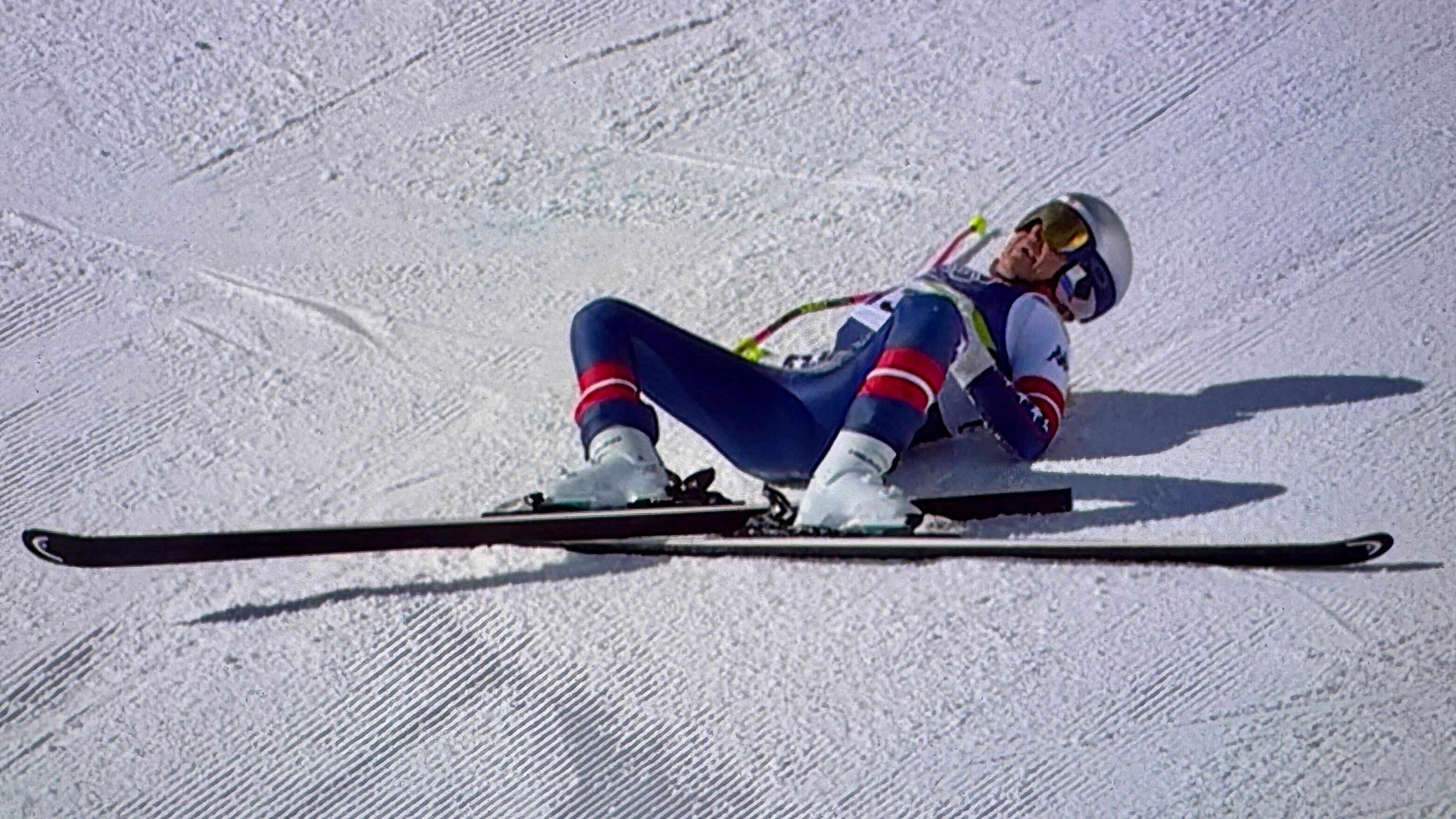
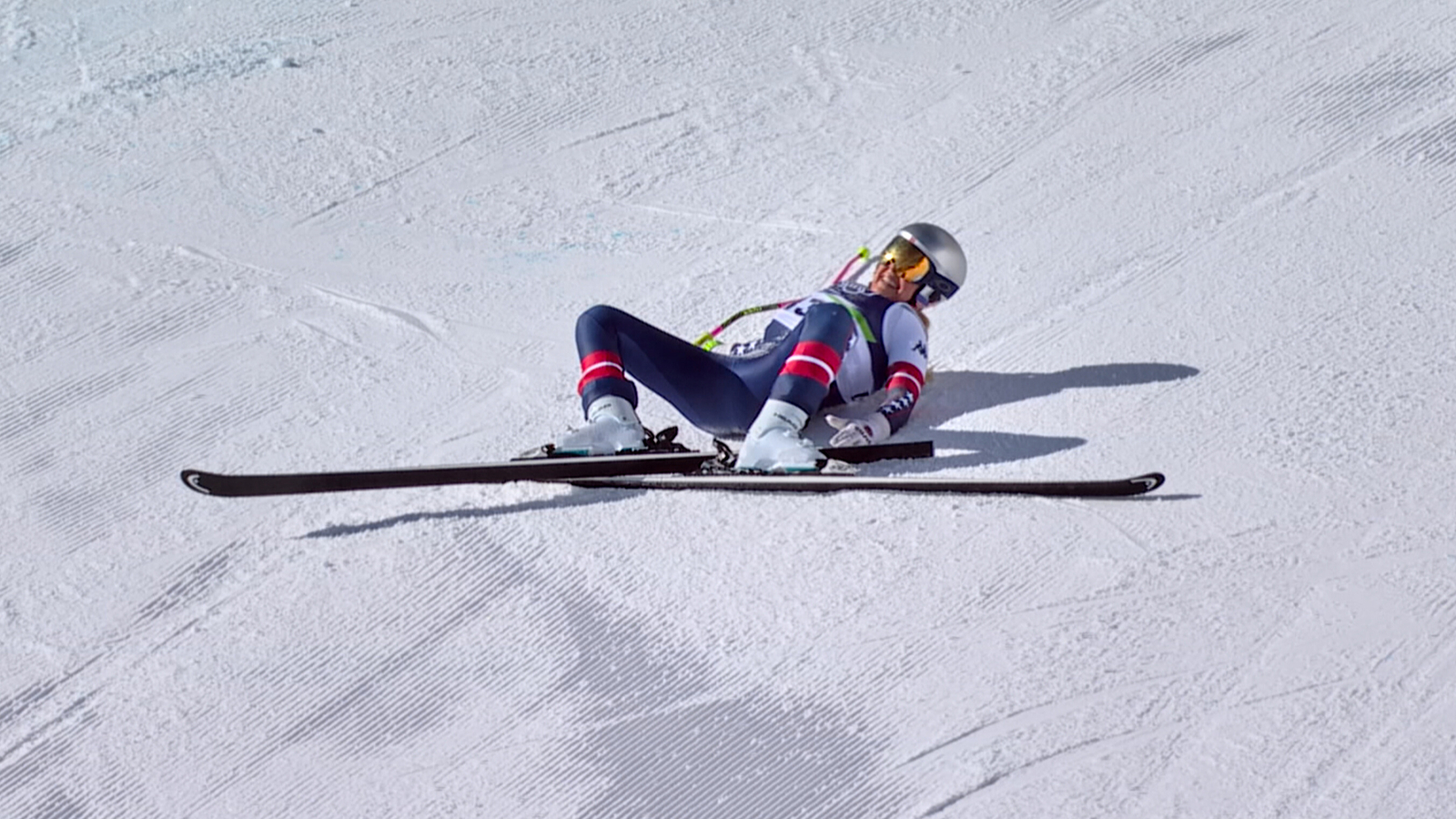
The 2013 World Championships in Schladming, Austria, marked one of the most critical turning points in Vonn's career. During the Super-G, she suffered a catastrophic crash that resulted in a torn ACL and MCL in her right knee, alongside a lateral tibial plateau fracture. This injury necessitated extensive reconstruction and kept her out of the circuit for nearly a year, forcing her to miss the conclusion of the season.
2014: Setback Before Sochi
Following her recovery from the 2013 injury, Vonn experienced a re-tear of her reconstructed right ACL during a training run in Copper Mountain, Colorado. This second major failure occurred just months before the 2014 Winter Olympics, ultimately preventing her from participating in the Sochi Games and requiring another period of intensive surgical repair and physical therapy.
2016: The Humeral Fracture
Transitioning from lower-body trauma, Vonn suffered a severe fracture of her humerus (upper arm) during a training session in Copper Mountain in November 2016. She underwent surgery involving a plate and screws to stabilize the bone. This injury presented a unique challenge, as it limited her ability to use her poles effectively, yet she continued to compete, showcasing the adaptability required of late-career athletes.
Summary Table of Major Injuries
The following table summarizes the primary injuries that dictated the trajectory of Vonn’s recovery phases and career timing.
| Year | Injury Description | Location | Treatment Focus |
|---|---|---|---|
| 2006 | Hip/Back Trauma | Pelvis/Lower Back | Rest and physical therapy |
| 2013 | ACL/MCL Tear; Tibial Plateau Fracture | Right Knee | Surgical reconstruction |
| 2014 | ACL Re-tear | Right Knee | Revision surgery |
| 2016 | Comminuted Humeral Fracture | Upper Arm | Internal fixation (plates/screws) |
| 2017 | Hairline Fracture | Right Knee | Conservative management |
The Challenges of Rehabilitation and Return-to-Sport
Recovery from alpine skiing injuries involves a multidisciplinary approach. For an elite athlete, the path to return-to-sport (RTS) goes beyond simple structural healing. It involves neuromuscular retraining to ensure that the kinetic chain functions correctly under the stress of high-speed turning.
Vonn’s rehabilitation programs were characterized by a shift from traditional rest to aggressive strength conditioning. Research in professional sports recovery indicates that early weight-bearing and specialized plyometric training can improve outcomes for ACL reconstructions. However, the recurring nature of Vonn’s knee issues illustrates a known phenomenon in sports medicine: once a ligamentous structure is compromised, the risk of subsequent injury—or degenerative joint changes—increases, regardless of the quality of the surgical repair.
Managing Chronic Pain and Long-Term Mobility
By the final stages of her career, Vonn often spoke about the cumulative effect of her injuries. Managing chronic inflammation and joint stability became a daily prerequisite for competition. For many retired professional skiers, the transition from high-impact racing to lifestyle activities requires a permanent adjustment in physical expectations. The cartilage wear associated with multiple surgical interventions often leads to osteoarthritis, a condition that many former Olympians monitor closely through ongoing physiotherapy and anti-inflammatory management.
Frequently Asked Questions
1. How many ACL tears did Lindsey Vonn experience? Vonn experienced multiple major knee injuries, most notably the total ACL and MCL tear in 2013 and a subsequent re-tear of the same ACL in 2014. These surgeries were the most significant contributors to her time away from the sport.
2. Did her injuries cause her to retire early? While Vonn maintained an elite level of competition for years following her major injuries, she cited the compounding damage to her knees and the difficulty of maintaining the necessary fitness levels as primary factors in her retirement announcement in early 2019.
3. What was the most unique injury in her career? The 2016 humeral fracture was considered unique because it occurred in the upper body, which is less commonly injured in alpine skiing than the lower extremities. The complexity of the fracture required a long recovery to regain full range of motion in her arm.
4. How did Vonn manage to return to racing after so many surgeries? Her recovery process involved world-class medical care, a strict adherence to strength and conditioning protocols, and a high level of mental fortitude. She often worked with specialized trainers to build stability in the muscles surrounding the repaired ligaments.
5. Is it common for alpine skiers to sustain these types of injuries? Yes. Alpine skiing is considered a high-risk sport for knee ligament damage. The fixed nature of the ski binding means that if a fall occurs, the torque generated by the ski often transfers directly to the knee joint, exceeding the strength of the ligaments.
Expert Guidance on Injury Recovery
For athletes or individuals recovering from similar orthopedic trauma, the primary takeaway from Vonn’s career is the importance of a phased return. Jumping back into high-intensity movement before the neuro-muscular system is fully "re-mapped" often leads to compensatory injuries. Individuals undergoing similar procedures are encouraged to prioritize functional movement screenings and work with orthopedic specialists who utilize objective data—such as strength symmetry tests and hop tests—to determine readiness, rather than relying solely on time-based milestones.
Image Gallery