The Best Party Cities in Europe for Vibrant Nightlife
Europe offers diverse nightlife hubs tailored to distinct musical tastes, budgets, and party styles. Berlin leads for world-class techno and marathon weekend clubbing, while Ibiza stands as the premier destination for high-end electron...
Europe offers diverse nightlife hubs tailored to distinct musical tastes, budgets, and party styles. Berlin leads for world-class techno and marathon weekend clubbing, while Ibiza stands as the premier destination for high-end electronic superclubs. For affordable and unconventional nightlife, Budapest features historic ruin bars, whereas Amsterdam and Belgrade deliver cutting-edge electronic stages and iconic riverfront venues.
Contents
Top European Nightlife Destinations by Music and Atmosphere
Choosing the right European party city depends heavily on the music genre, budget, and late-night atmosphere you prefer. While some cities specialize in multi-day underground electronic sets, others excel at outdoor mega-venues, historic pub-crawls, or unique waterfront parties.
Berlin, Germany: The Global Capital of Techno and Underground Culture
Berlin’s nightlife is internationally renowned for its non-stop weekend schedules, strict door policies, and commitment to electronic music history. Following the fall of the Berlin Wall, abandoned industrial spaces and power plants were transformed into underground clubs, creating a night-culture ecosystem supported by local governance and cultural status recognition.
- Music Focus: Underground techno, industrial, deep house, synth-wave, and experimental electronic music.
- Key Venues: Tresor, Berghain, Watergate, RSO Berlin, KitKatClub, and Anomalie Art Club.
- Nightlife Dynamic: Parties in Berlin often start late on Friday night and run continuously through Monday morning. The city’s club culture heavily emphasizes freedom of expression, photo bans inside venues (often using camera stickers at entry), and an unpretentious atmosphere.
- Door Etiquette: Security teams at top clubs screen visitors based on vibe, attitude, and knowledge of the performing DJs rather than wealth or flashy attire. Dressing casually, going in small groups or solo, and respecting house rules significantly improves the chance of entry.
Ibiza, Spain: The World’s Superclub and EDM Capital
Located in the Balearic Islands, Ibiza remains the pinnacle of international clubbing, hosting seasonal residencies for the world’s top electronic dance music (EDM), house, and techno DJs.
- Music Focus: Mainstream EDM, commercial house, tech-house, melodic techno, and trance.
- Key Venues: Hï Ibiza, Ushuaïa, Pacha, Amnesia, DC-10, and Privilege/Unvrs.
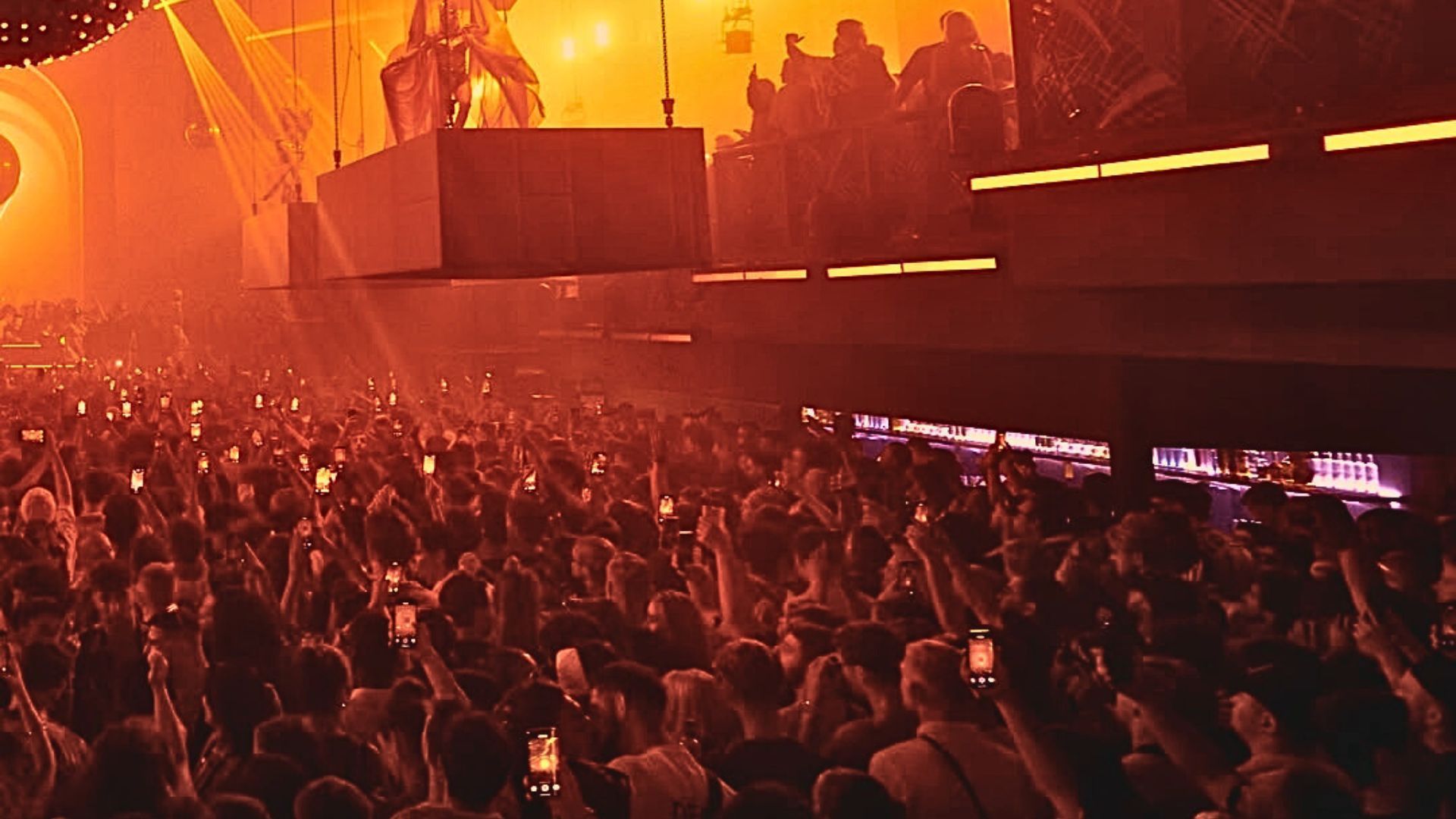
- Nightlife Dynamic: The party season runs primarily from May through October. The island offers two distinct experiences: daytime open-air beach clubs that run through sunset, followed by massive indoor superclubs that feature production values, light shows, and international talent lineups.
- Budget Considerations: Ibiza is among the most expensive party destinations globally. Entry tickets for major venue residencies range from €50 to over €100, with drink prices inside venues frequently exceeding €20. Advance ticket booking is essential to guarantee access and lower entry costs.
Budapest, Hungary: Ruin Bars, Thermal Spa Parties, and Alternative Energy
Budapest provides an eclectic, highly accessible nightlife experience centered around its historic Jewish Quarter (District VII) and thermal bath complexes.
- Music Focus: Alternative rock, pop, EDM, techno, and live acoustic music.
- Key Venues: Szimpla Kert, Instant-Fogas, Mazel Tov, A38 Ship, and Széchenyi Thermal Bath (for "Sparty" events).
- Nightlife Dynamic: The cornerstone of Budapest’s nightlife is its Romkocsma (ruin bar) culture. These venues were established inside abandoned pre-WWII buildings and courtyards, decorated with vintage furniture, art installations, and mismatched furniture. On weekends, thermal bath houses like Széchenyi host late-night electronic music parties combining light projections with outdoor heated pools.
- Cost Profile: Budapest remains one of the most budget-friendly nightlife capitals in Central Europe, featuring low drink costs, affordable food options, and low or free entry fees for standard bars.
Amsterdam, Netherlands: Electronic Innovation and 24-Hour Licenses
Amsterdam pairs historic canal-side venues with avant-garde electronic music venues operating under special 24-hour club permits granted by the municipality.
- Music Focus: Deep house, techno, disco, drum & bass, and hardstyle.
- Key Venues: Shelter, Radion, Garage Noord, Melkweg, and Paradiso.
- Nightlife Dynamic: Amsterdam's club scene benefits from progressive city planning, hosting major international gatherings like the annual Amsterdam Dance Event (ADE). Venues range from repurposed industrial warehouses in Amsterdam-Noord to converted historic churches in the city center.
- Operational Details: Amsterdam venues operate almost entirely on cashless, digital payment systems. Photo policies are widely enforced in underground electronic venues to protect guest privacy.
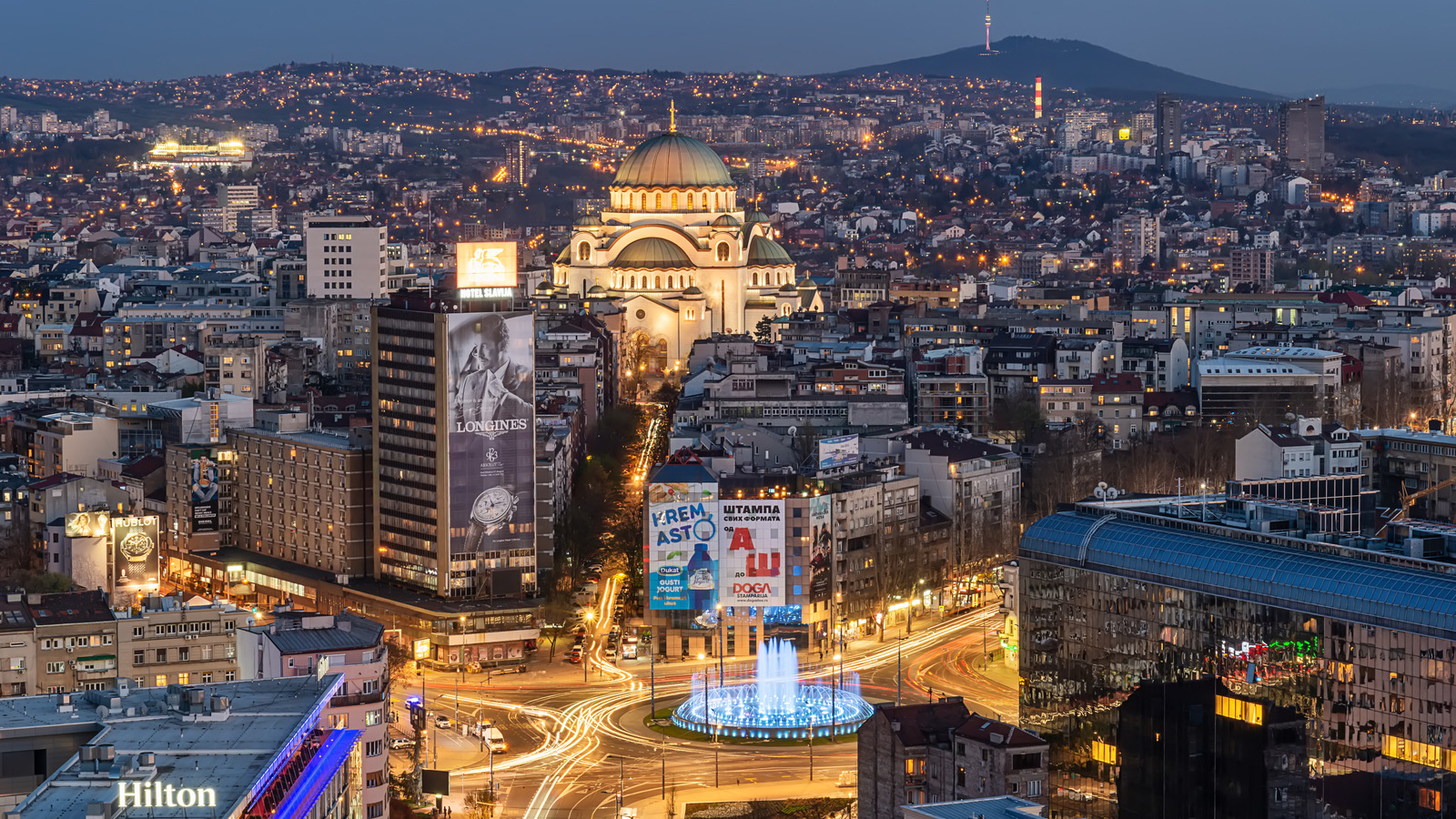
Belgrade, Serbia: Riverfront Floating Clubs and High-Energy Venues
Belgrade’s nightlife operates continuously throughout the year, shifting between summer and winter locations to maintain high energy regardless of season.
- Music Focus: Balkan pop, house, techno, commercial dance, and live Serbian music.
- Key Venues: Freestyler, Sound, Drugstore, 20/44, and Hype.
- Nightlife Dynamic: During the summer months, the focus moves to the Danube and Sava rivers, where floating river barges known as splavovi act as nightclubs open until sunrise. In the winter, the nightlife shifts indoors to subterranean cellars, industrial halls, and downtown clubs.
- Vibe and Access: Belgrade offers a welcoming, intense night atmosphere with moderate pricing compared to Western Europe. Table reservations are frequently required for larger groups visiting top-tier splavovi.
Prague, Czech Republic: Accessible Nightlife and Historic Pub Culture
Prague combines a world-famous beer brewing culture with multi-floor dance clubs and subterranean underground venues.
- Music Focus: Mainstream pop, EDM, hip-hop, techno, and indie rock.
- Key Venues: Karlovy Lázně, Ankali, Fuchs2, Roxy, and Cross Club.
- Nightlife Dynamic: Nightlife in Prague ranges from historic beer halls serving local lagers to multi-story mega-clubs situated near the Charles Bridge. For dedicated electronic music enthusiasts, venues in the Holešovice district present alternative techno and experimental live sets away from the main tourist strips.
Key Comparisons: Europe's Top Party Cities
Evaluating nightlife destinations involves balancing music preferences, ticket costs, door strictness, and seasonal timing.
| City | Primary Music Focus | Typical Entry Fee Range | Avg. Beer Price (Local Bar) | Door Policy Strictness | Peak Nightlife Season |
|---|---|---|---|---|---|
| Berlin | Techno, Deep House, Industrial | €15 – €25 | €4.00 – €5.50 | Very High (Vibe-based) | Year-round |
| Ibiza | EDM, House, Trance | €50 – €120+ | €8.00 – €15.00+ | Moderate (Ticket-based) | May – October |
| Budapest | Alternative, Pop, House | Free – €15 | €2.50 – €4.00 | Low | May – September |
| Amsterdam | House, Techno, Bass | €15 – €35 | €5.00 – €7.00 | Moderate | Year-round (Peak: ADE Oct) |
| Belgrade | House, Balkan Pop, Techno | Free – €15 | €3.00 – €4.50 | Moderate (Reservations key) | June – September (Splavovi) |
| Prague | Pop, EDM, Underground Techno | Free – €15 | €2.50 – €4.00 | Low to Moderate | Year-round |
Costs, Door Policies, and Travel Logistics
Navigating European nightlife successfully requires understanding local norms regarding club admissions, transit options, and payments.
Door Strictness and Dress Codes
Door policies vary significantly across European regions:
- Berlin & Amsterdam Electronic Venues: Priority is placed on inclusivity, authenticity, and respect for club culture. Fancy attire, suits, or overly dressed groups are frequently turned away. Black or comfortable clothing, casual shoes, and minimal vocal disturbance while queuing are recommended.
- Ibiza Superclubs: Entry is largely commercial and ticket-driven. While VIP sections require smart-casual dress, general admission floor areas allow casual festival attire.
- Belgrade & Eastern Europe: Nightclubs often favor smart attire over casual wear. Table reservations are standard for securing space in high-density river barges (splavovi).
Public Transport and Late-Night Mobility
- Berlin: The U-Bahn and S-Bahn rail networks run continuously 24 hours a day on weekends (Friday night through Sunday night), making late-night travel straightforward.
- Amsterdam: Night buses replace tram networks after midnight. Rideshare apps and bicycles are primary options for late-night transportation.
- Budapest: The 4/6 tram line operates 24 hours a day along the main boulevard, connecting key districts to District VII.
- Ibiza: Dedicated "Discobus" routes operate throughout the summer season, connecting major resort centers (San Antonio and Playa d'en Bossa) with key superclubs.
Safety, Payments, and Nightlife Etiquette
- Payment Standards: Northern and Western European venues (Amsterdam, Berlin, Ibiza) rely predominantly on digital cards or contactless devices. Eastern and Central European destinations (Budapest, Belgrade, Prague) maintain wider acceptance of cash, though digital payments are increasingly standard.
- Club Etiquette: Respect photography guidelines strictly. In clubs with mandatory phone camera stickers, taking videos or photos on the dancefloor can result in immediate security removal.
- Safety Practices: Utilize licensed taxis or registered rideshare services, monitor drinks in crowded venues, and utilize official cloakrooms (Garderobe) to secure personal belongings in large clubs.
Frequently Asked Questions
Which European city has the best nightlife on a budget?
Budapest and Belgrade offer the most affordable nightlife experiences among major European destinations. Both cities provide low entry costs, reasonable drink pricing, and inexpensive public transportation while delivering distinct atmospheres—such as Budapest's ruin bars and Belgrade's summer river barges.
What is the most famous clubbing island in Europe?
Ibiza, Spain, is the world's most famous party island. It hosts major electronic music superclubs such as Hï Ibiza, Ushuaïa, Pacha, and Amnesia, attracting top international DJs for summer residencies from May through October.
How do club door policies in Berlin work?
Berlin door policies are based on event curation, venue safety, and preserving the local atmosphere rather than VIP status or high spending. Door hosts evaluate guests based on group size, respectful queuing behavior, comfort with the music genre, and adherence to non-intrusive dress standards (often casual or dark clothing).
What is the best time of year to visit Europe for party travel?
For outdoor festivals, beach clubs, and summer barges (Ibiza, Belgrade, split-coastal venues), May through September offers peak conditions. Indoor electronic club destinations like Berlin, Amsterdam, and Prague feature vibrant nightlife year-round, with indoor events peaking during autumn and winter months.
Are table reservations required for night venues in Belgrade?
Yes, for major summer splavovi (floating clubs) and popular indoor winter venues in Belgrade, making advance reservations for a table or bar spot is standard practice. Unreserved walk-ins may face entry restrictions at high-capacity venues.
Recommendations for Planning Your Nightlife Itinerary
- Match Destinations to Music Preferences: Select cities that reflect your preferred genre. Choose Berlin or Amsterdam for techno and deep house, Ibiza for international EDM artists, or Budapest and Prague for pub culture and eclectic venues.
- Purchase Advance Tickets for Major Venues: Secure entry online for high-demand clubs in Ibiza or major event weeks like the Amsterdam Dance Event to reduce entry costs and guarantee access.
- Review Local Entry Requirements: Research door expectations, photo restrictions, and dress codes before traveling to ensure smooth entry into strict venues.
Image Gallery