Understanding Ivy League Texas Connections: Networking and Educational Pathways
Understanding Ivy League Texas connections involves navigating the intersection between the eight historic northeastern research universities—collectively known as the Ivy League—and the academic, professional, and philanthropic landsc...
Understanding Ivy League Texas connections involves navigating the intersection between the eight historic northeastern research universities—collectively known as the Ivy League—and the academic, professional, and philanthropic landscape of Texas. These connections manifest through alumni association activities, student recruitment pipelines, state-based research collaborations, and executive placement within Texas’s robust energy, technology, and aerospace sectors. For students, professionals, and investors, this relationship represents a high-value corridor for talent acquisition and institutional partnership.
Contents
Defining the Ivy League within the Texas Context
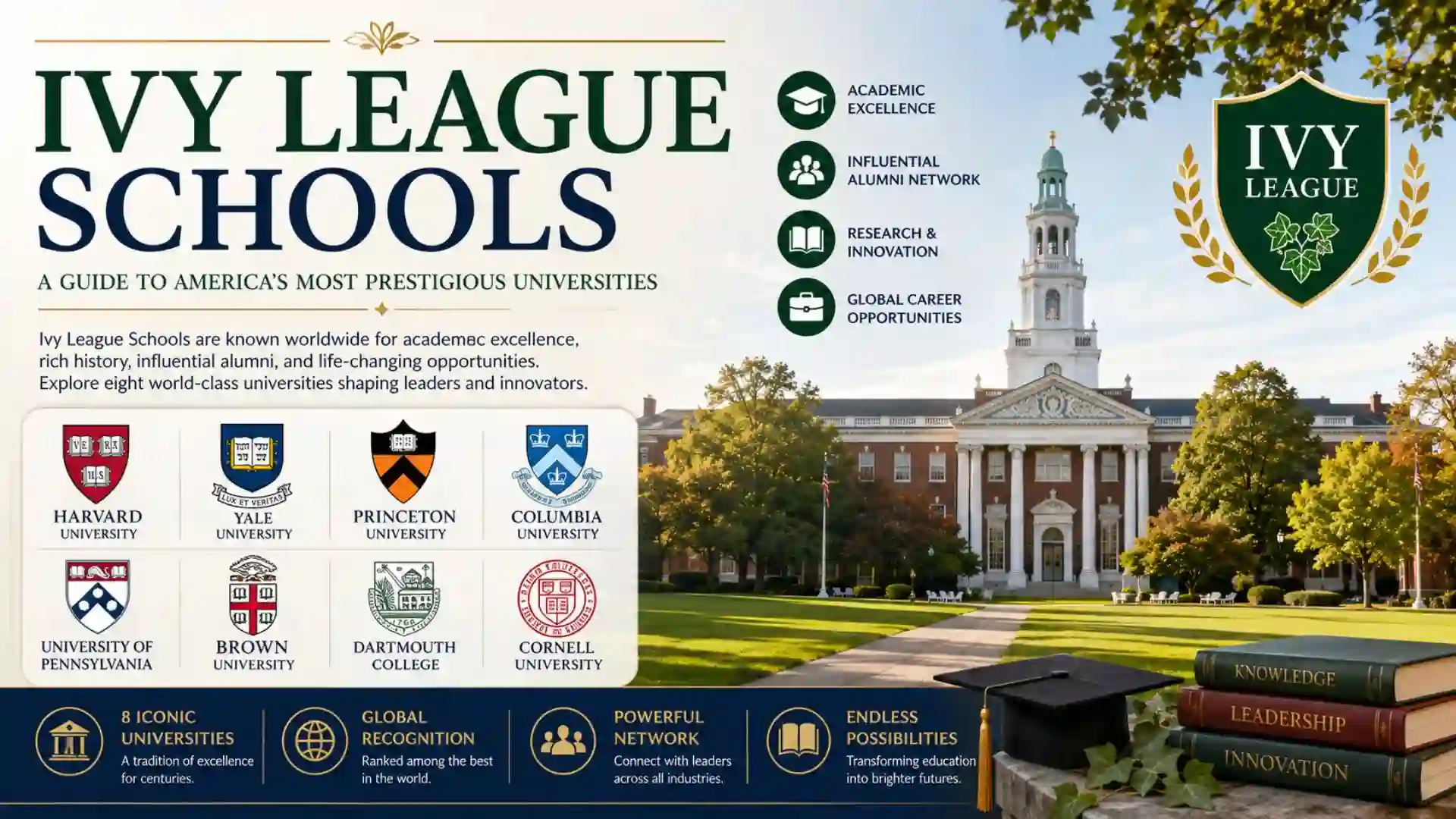
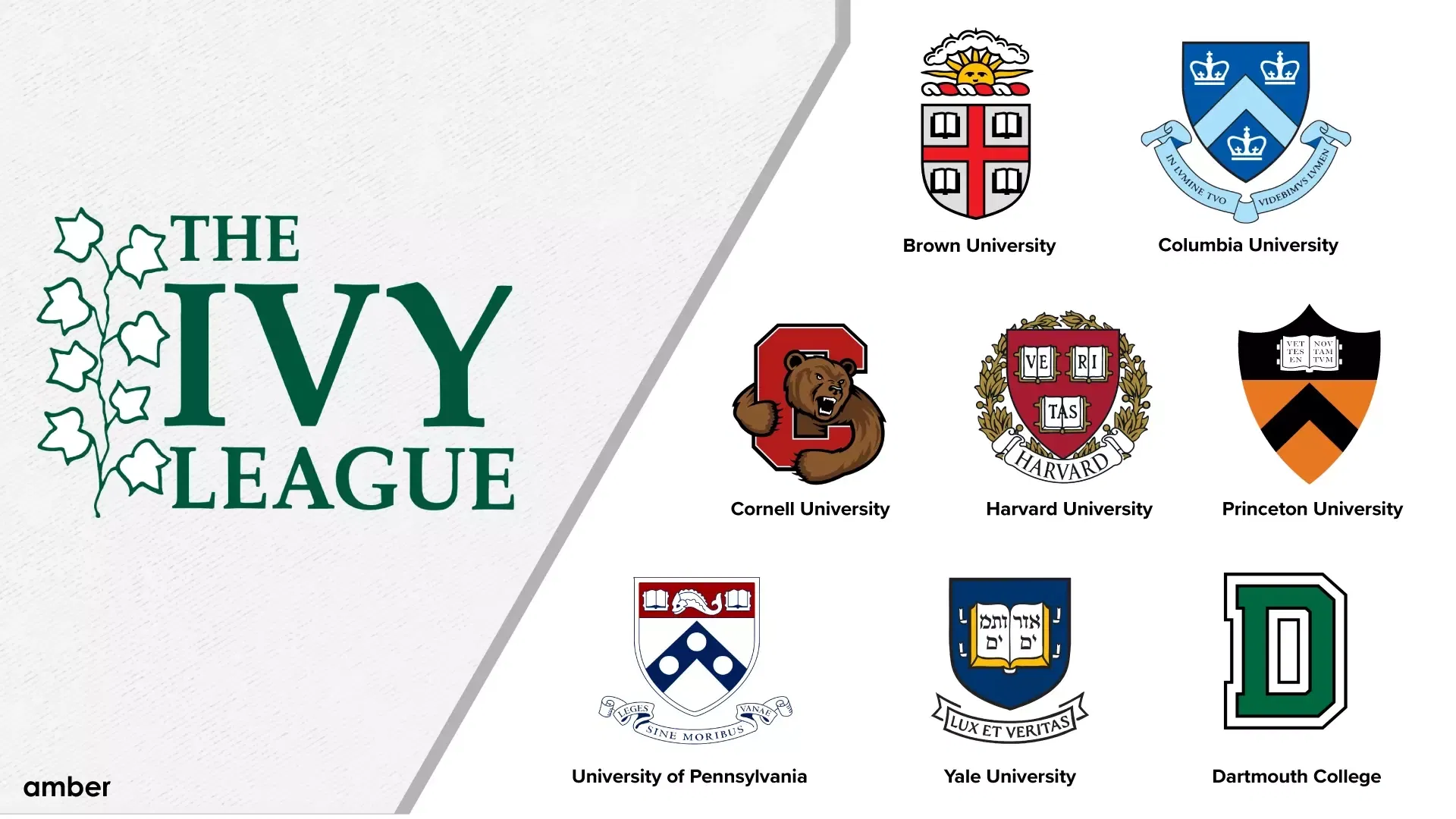
The term "Ivy League" refers strictly to the athletic conference composed of Brown University, Columbia University, Cornell University, Dartmouth College, Harvard University, the University of Pennsylvania, Princeton University, and Yale University. While these institutions are located exclusively in the Northeastern United States, their influence in Texas is significant due to the high density of their alumni base in major hubs like Houston, Dallas, and Austin.
In Texas, these connections are rarely formal structural partnerships; rather, they function as an informal, decentralized network. This network acts as a bridge for professional mobility, enabling Ivy League graduates to enter Texas industries—such as energy finance, private equity, and emerging biotechnology—while providing Texas-based students with a structured pathway for admission into these elite institutions.
Educational Pipelines and Recruitment
The primary point of contact between Ivy League institutions and Texas is the secondary education pipeline. Top-tier preparatory schools and high-performing public school districts in Texas frequently engage in specific outreach programs to increase enrollment in Ivy League schools.
Admissions Expectations
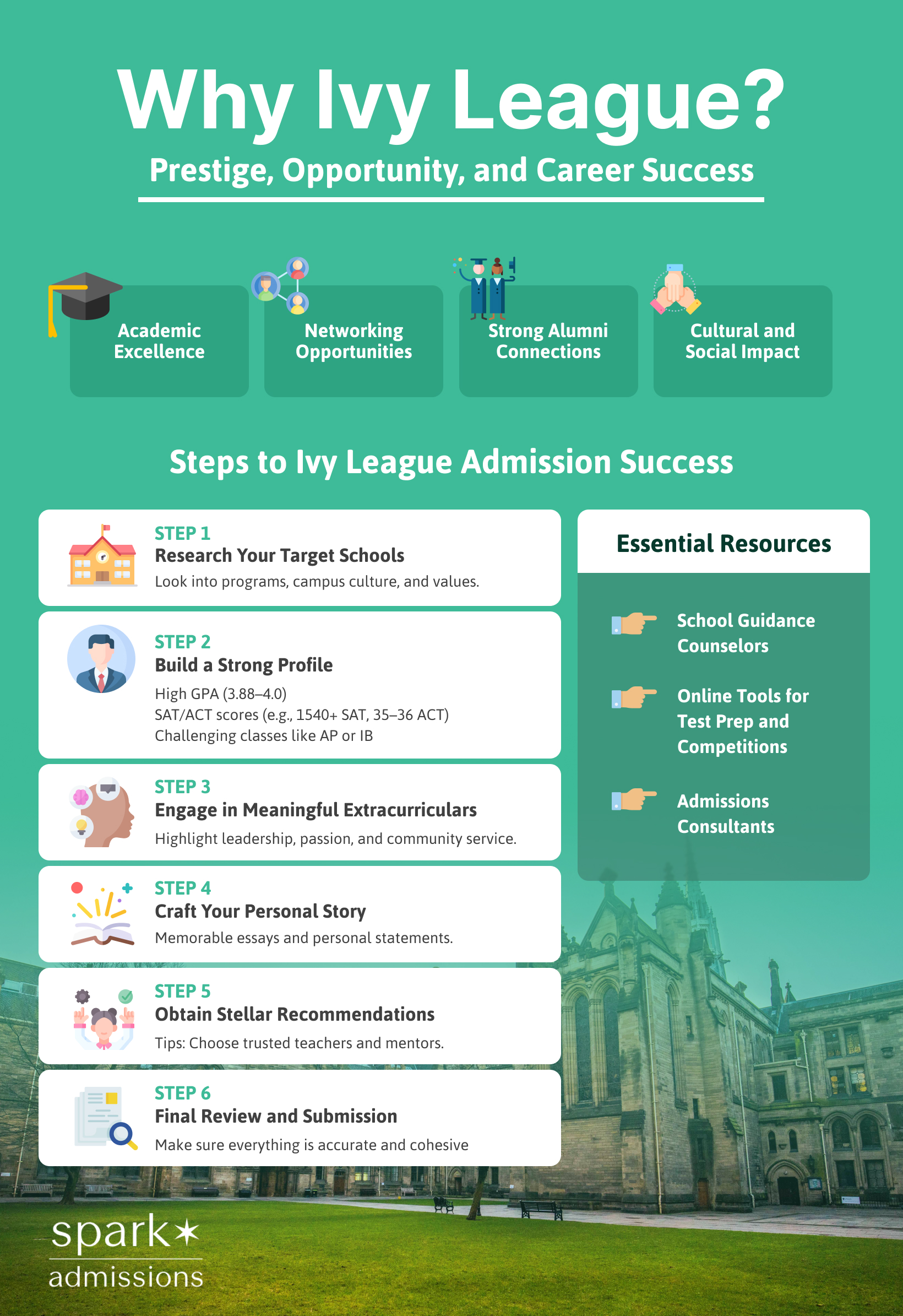
Admission to an Ivy League institution requires a combination of academic excellence, extracurricular leadership, and specific standardized testing metrics. Because Ivy League schools review candidates holistically, Texas applicants are evaluated on their ability to distinguish themselves within the context of their regional background.
- Academic Rigor: Completion of the most challenging curriculum available, such as the International Baccalaureate (IB) or Advanced Placement (AP) programs.
- Regional Context: Admissions committees often look for students who have taken advantage of research opportunities available within Texas, such as summer internships at the Texas Medical Center or involvement in local aerospace initiatives.
- Demonstrated Interest: While Ivy League schools generally do not track "demonstrated interest" as heavily as other private universities, participation in regional alumni-sponsored events can provide valuable insights into the school’s culture.
Professional Networking and Alumni Integration
The professional "Ivy League Texas connection" is most visible in the state’s executive leadership and private wealth management sectors. Many Ivy League graduates migrate to Texas to capitalize on the state’s business-friendly climate and economic growth.
The Role of Alumni Chapters
Each of the eight Ivy League schools maintains active alumni associations in cities like Dallas, Houston, and Austin. These organizations serve several critical functions:
- Mentorship: Providing guidance for recent graduates navigating the Texas job market.
- Networking Events: Facilitating connections between established industry leaders and recent entrants to the region.
- Local Philanthropy: Coordinating fundraising efforts for university initiatives that may have a regional impact, such as Texas-based research fellowships or scholarship funds.
Industry Clustering
The integration of Ivy League talent into the Texas economy is non-uniform. Certain sectors exhibit a higher concentration of Ivy-educated professionals, often due to historical recruitment patterns and the specific skill sets required for high-level management:
- Energy Finance: The concentration of global energy firms in Houston leads to frequent recruitment from Ivy League business schools, particularly for roles in corporate finance and M&A.
- Technology and Venture Capital: With the rise of the "Silicon Hills" in Austin, there has been an influx of venture capital firms and tech startups founded or led by alumni from these elite institutions.
- Legal Services: Major law firms in Dallas and Houston maintain long-standing recruitment pipelines with Ivy League law schools to fill associate positions, often prioritizing graduates with strong credentials in corporate law.
Comparison of Ivy League and Major Texas Research Institutions
To understand the scope of these connections, it is helpful to compare the role of the Ivy League with the state's own elite institutions, such as the University of Texas at Austin (UT Austin) and Rice University.
| Feature | Ivy League Institutions | UT Austin / Rice University |
|---|---|---|
| Primary Location | Northeastern U.S. | Texas |
| Alumni Network | Global/National focus | Strong Texas-centric foundation |
| Research Scope | Diversified / International | Heavy focus on Energy, Tech, and Medicine |
| Admission Profile | Highly selective / National | Selective / Regional focus with national reach |
| Economic Impact | Indirect (Talent inflow) | Direct (Research and local workforce) |
The interplay between these groups is often cooperative rather than competitive. For instance, collaborative research projects between Ivy League departments and Texas-based institutions often lead to cross-pollination of academic talent, particularly in fields like climate science, engineering, and public policy.
Navigating the Connection: Practical Steps for Professionals
For those attempting to leverage these connections for career advancement or educational purposes, the process requires a structured approach.
- Engage with Local Chapters: Join the official alumni association for your respective institution in your city of residence. These groups are the most efficient way to access the existing network of professionals.
- Utilize Digital Databases: Most Ivy League universities provide alumni directories. Using these to find fellow graduates currently employed in your specific industry in Texas can lead to "warm" introductions.
- Cross-Institutional Collaboration: If you are an academic or researcher, look for publications or conferences that bridge the gap between your institution and major Texas universities. Establishing a professional connection before applying or moving can facilitate a smoother transition.
- Understand the Local Value Proposition: If you are an Ivy League graduate moving to Texas, clearly define how your unique perspective or training complements the local market. Texas employers value practical application and the ability to operate in a high-growth environment.
Challenges and Considerations
While the connection offers many advantages, it is not without challenges. One common misunderstanding is the assumption that an Ivy League credential acts as a universal shortcut in the Texas job market. Texas maintains a strong tradition of valuing "in-state" credentials, particularly those from powerhouse programs at Rice or UT Austin. An over-reliance on the "Ivy" brand without demonstrating local market expertise can sometimes be viewed negatively.
Furthermore, economic shifts in Texas—such as fluctuations in oil prices or changes in the regulatory environment for tech—can affect the demand for specific skill sets. It is vital to maintain a balanced network that includes graduates from a variety of backgrounds, including those from Texas-based universities, to ensure long-term career resilience.
Frequently Asked Questions
Are there official scholarship programs for Texans to attend Ivy League schools? While there are no specific state-mandated scholarships for this, most Ivy League schools have robust, need-blind financial aid programs. Texas students should focus on identifying school-specific institutional grants rather than external programs.
Do Ivy League graduates have a hiring advantage in Texas? In specific sectors like investment banking, top-tier consulting, and corporate law, there is a historical preference for these candidates. However, in the broader Texas job market, performance and demonstrated experience are weighted significantly higher than institutional pedigree.
How can I find an alumni group in my city? Most Ivy League alumni associations have their own websites or presence on platforms like LinkedIn. You can search by "School Name + City" to find the official chapter page.
Is it common for researchers to move between the Ivy League and Texas universities? Yes. High-level academic recruitment is fluid. Researchers often transition between research-intensive universities in both regions, driven by the availability of specialized laboratory facilities and funding opportunities.
What is the best way to approach an alumnus for a referral in Texas? The most effective approach is to reach out with a specific, professional query. Instead of asking for a general "job," inquire about their experience transitioning into the Texas market and ask for advice on navigating local industry nuances.
Final Recommendation
To maximize the value of Ivy League Texas connections, focus on integrating into the local professional culture rather than relying solely on your university affiliation. If you are a student, concentrate on building a resume that showcases regional engagement. If you are a professional, prioritize participating in cross-institutional networking events. By aligning your elite academic background with the practical, fast-paced nature of the Texas economy, you can build a sustainable and impactful career path.
Image Gallery