Does Every Family Member Need Auto Insurance? A Guide to Household Coverage Rules in 2026
In 2026, standard insurance regulations require all licensed household members to be disclosed on your auto policy. While every family member does not necessarily need a separate individual policy, they must be listed as "rated" driver...
In 2026, standard insurance regulations require all licensed household members to be disclosed on your auto policy. While every family member does not necessarily need a separate individual policy, they must be listed as "rated" drivers or specifically excluded. Failure to disclose a licensed resident can lead to claim denials or policy cancellation for material misrepresentation.
Contents
Understanding the Household Resident Rule
The "household resident rule" is a fundamental principle used by insurance carriers to assess risk. From an underwriter's perspective, anyone living under your roof with a valid driver’s license has "regular access" to your vehicles. Even if a family member claims they never drive your car, the statistical probability of them doing so—whether in an emergency or for a quick errand—is high enough that insurance companies demand they be accounted for in the policy premium.
In 2026, this rule has become even more stringent due to the integration of real-time data and household registry monitoring. Most insurance applications now pre-populate with the names of all licensed individuals associated with an address. If you fail to include a family member who appears in these public records, the insurer may flag the application for potential fraud.
The Distinction Between Listing and Rating
It is important to distinguish between "listing" a family member and "rating" them.
- Listed Drivers: Every licensed person in the home must be listed on the policy document.
- Rated Drivers: These are the individuals whose driving records (accidents, tickets, and credit scores) directly influence the cost of the premium.
Generally, if a family member has their own separate vehicle and their own insurance policy, they may be listed on your policy as "furnished with other insurance." In this case, they are disclosed but do not typically impact your premium costs.
Why Insurance Companies Require Listing All Family Members
Insurance is a business of risk pooling. To set accurate prices, companies must know exactly who might be behind the wheel. When a family member is omitted from a policy, it creates an "unrated risk."
Risk Assessment and Actuarial Integrity
Actuaries use complex algorithms to determine the likelihood of a claim. A household with a 45-year-old driver with a clean record represents a specific risk level. However, if that same household includes a 19-year-old son who is not listed, the insurer is providing coverage for a significantly higher risk without receiving the appropriate premium. This is often referred to as "rate evasion."
Material Misrepresentation
In the legal framework of insurance, failing to disclose a licensed household member is often categorized as material misrepresentation. If an unlisted family member is involved in an accident, the insurer has the right to deny the claim entirely. Furthermore, the company may choose to rescind the policy back to its inception date, leaving the policyholder personally liable for all damages and legal fees.
Scenarios Where a Family Member Might Not Need Coverage
While the general rule is to include everyone, there are specific 2026 guidelines regarding exceptions. These exceptions are narrow and require careful documentation to avoid legal complications.
Non-Licensed Household Members
If a family member does not have a valid driver’s license—perhaps due to age, medical reasons, or personal choice—they do not need to be listed as a driver. However, many insurers still require them to be listed as a "non-driver" if they are over the age of 15. This allows the company to monitor when that individual eventually obtains a learner’s permit or license.
The Named Driver Exclusion
In states where it is legally permitted, you may use a "Named Driver Exclusion." This is a legal endorsement signed by the policyholder and the excluded driver stating that the individual will never operate the insured vehicle.
This is often used when a family member has a very poor driving record (such as multiple DUIs) that would make the primary policy unaffordable.
- The Catch: If an excluded driver operates the vehicle for even one minute and gets into an accident, there is zero coverage. No liability, no collision, and no medical payments will be issued.
- State Restrictions: As of 2026, several states (including Michigan, New York, and Wisconsin) have moved to ban or severely limit named driver exclusions to protect accident victims from uninsured drivers.
Managing Coverage for Specific Family Groups
Different life stages require different insurance strategies. Ensuring every family member is correctly classified ensures both legal compliance and cost-efficiency.
Teenagers and Newly Licensed Drivers
The moment a teenager receives their driver’s license, they must be added to the household policy. In 2026, many carriers also require notification when a teen receives a learner’s permit, though most do not charge an additional premium until the full license is issued.
To offset the high costs of insuring teens, families should look for:
- Good Student Discounts: Usually requiring a 3.0 GPA or higher.
- Driver Training Credits: Completion of certified safety courses.
- Telematics Programs: Installing a monitoring device that tracks braking, speed, and cornering in exchange for lower rates.
College Students Away at School
If a family member is a full-time student living away from home, they usually still need to be listed on the parents' policy. Most insurers use the "100-mile rule." If the student is at a school more than 100 miles away and does not have a car with them, the premium impact is minimal, but they remain covered when they return home for breaks or holidays.
Elderly Parents and Multi-Generational Households
With the rise of multi-generational living in 2026, many households include aging parents. If an elderly parent still holds a valid license, they must be disclosed. If they have stopped driving due to health issues, it is safer to list them as a "non-driver" rather than removing them entirely, as this maintains a continuous insurance history which can be helpful if they ever need to resume driving or use a non-owned vehicle.
Comparison of Household Driver Statuses
| Driver Status | Impact on Premium | Coverage Level | Best For |
|---|---|---|---|
| Primary Rated | High (based on record) | Full Policy Limits | The person who drives the vehicle most often. |
| Secondary/Occasional | Moderate | Full Policy Limits | Spouse or children who drive the car weekly. |
| Listed but Not Rated | Low/None | Secondary to their own | Family members with their own car and policy. |
| Excluded Driver | None (Potential Discount) | Zero Coverage | High-risk drivers who will never use the car. |
| Permissive User | None (included in base) | Full (usually) | Friends or relatives visiting for a short time. |
The Role of Permissive Use
A common point of confusion is "permissive use." This policy feature covers individuals who do not live in your household but use your car with your permission (e.g., a sibling visiting for the weekend or a neighbor borrowing the truck).
Permissive use does not apply to family members who live in the same house. Because resident family members have regular access, insurers argue they are not "occasional" users. Relying on permissive use to cover a resident family member is a leading cause of denied claims in 2026.
Consequences of Non-Compliance
The financial and legal risks of failing to properly insure every family member are substantial.
- Denial of Claims: If an unlisted resident crashes the car, the insurance company can legally refuse to pay for the damage to your vehicle and the injuries of the other party.
- Policy Rescission: The insurer may declare the policy "void ab initio," meaning it never existed. You would receive your premium back, but you would be responsible for any accidents that occurred during that period.
- Insurance Fraud Charges: Intentionally hiding a driver to get a lower rate is considered a form of soft insurance fraud. This can lead to being placed in a high-risk pool (non-standard market) where premiums are double or triple the standard rate.
- Legal Liability: Without insurance, your personal assets (home, savings, future wages) can be seized to pay for damages in a civil lawsuit.
Practical Steps to Ensuring Full Family Coverage
To ensure your household is fully protected, follow these steps:
- Conduct an Annual Audit: Every year, review who in your house has a license. If a child has moved out, or a grandparent has moved in, notify your agent.
- Request a "Driver Verification" Report: Ask your insurer for a list of everyone they have on record for your address. This helps catch any discrepancies before a claim occurs.
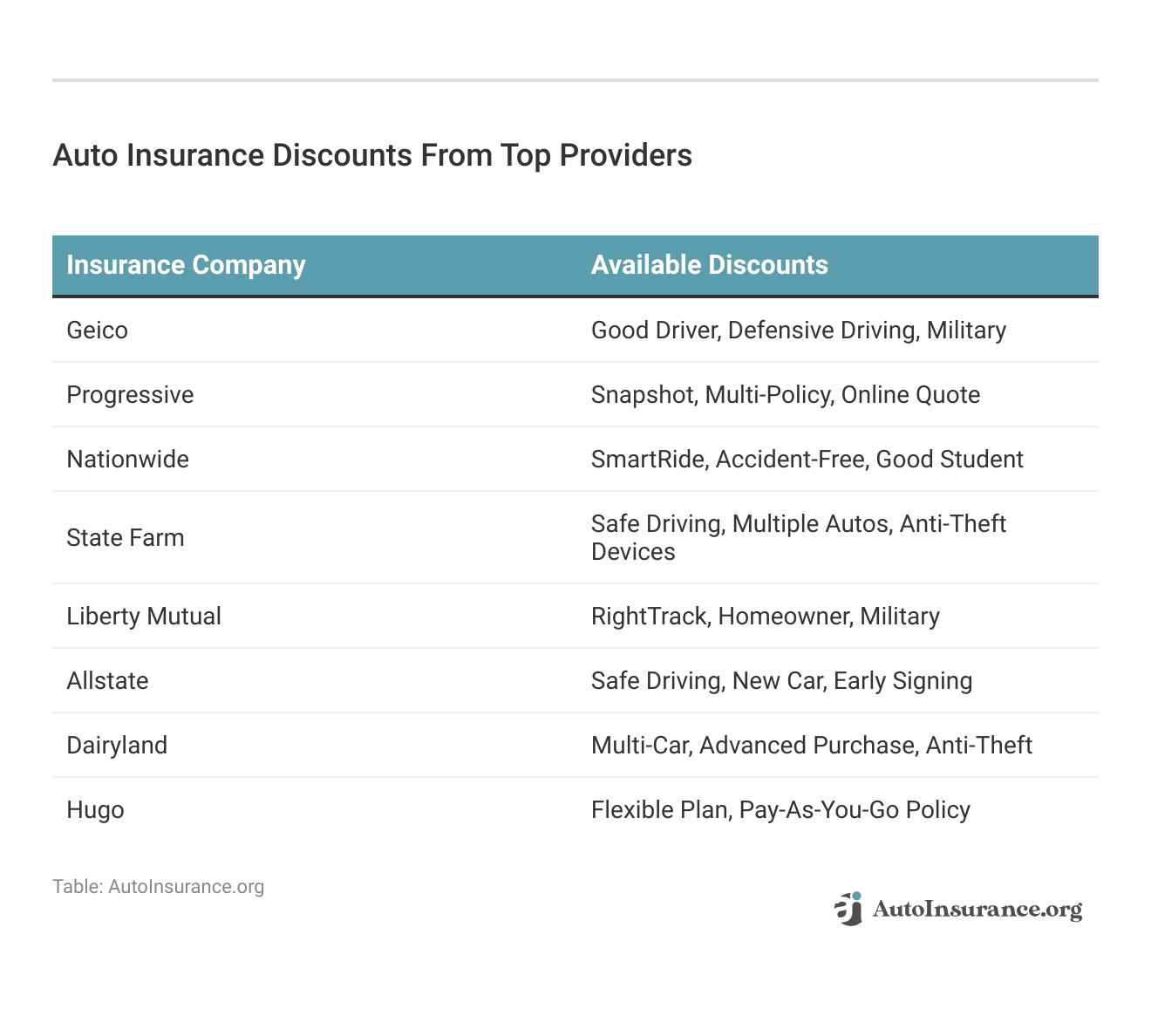
- Compare Multi-Car Discounts: Often, it is cheaper to have every family member on one "Multi-Car" policy rather than having several separate policies. Discounts in 2026 for bundled household policies can range from 15% to 25%.
- Verify State Laws on Exclusions: If you are considering excluding a driver, check the National Association of Insurance Commissioners (NAIC) for the latest state-specific regulations regarding driver exclusions.
Frequently Asked Questions
Do I have to add my spouse if they never drive my car?
Yes. In almost every jurisdiction, spouses must be listed on the auto policy. Most insurers view a married couple as a single economic unit with shared access to all household assets, including vehicles. Even if you have separate cars and policies, most companies require you to list your spouse as an "excluded" or "separately insured" driver.
What happens if my child gets a license and I don't tell my insurance?
If they are involved in an accident, the insurer will likely deny the claim based on a "failure to disclose" or "unlisted resident driver" clause. Additionally, once the insurer discovers the licensed child through public records, they will often back-date the premium to the date the license was issued and send you a bill for the difference.
Can I insure a family member who doesn't live with me?
Generally, no. To insure a vehicle, you must have "insurable interest," meaning you would suffer a financial loss if the vehicle were damaged. If a family member lives elsewhere, they should typically have their own policy for the vehicle they primarily use, even if you are the one paying the bill.
Does a nanny or live-in caregiver need to be on the policy?
Yes. Because a live-in employee resides at your address and likely has access to your vehicles, they fall under the household resident rule. Most carriers require them to be listed as an occasional or primary driver, depending on their duties.
How do "household" rules apply to roommates?
Roommates are often treated similarly to family members. While some insurers allow you to exclude roommates more easily than family, most will still require them to be listed. If you share a vehicle or occasionally use each other's cars, it is safer to have them listed as rated drivers.
Final Recommendation
For the highest level of protection in 2026, you should disclose every licensed person living at your residence to your insurance provider. Transparency is the only way to guarantee that your coverage remains valid during a claim. If the cost of adding a family member is prohibitive, work with an independent agent to compare household discounts or explore telematics-based pricing models that reward safe driving habits for everyone in the home.
Image Gallery