Why Bacteria Levels Drive Beach Closures: Understanding Public Health and Water Quality Science
Bacteria levels drive beach closures because they serve as the primary indicator of fecal contamination in the water. High concentrations of specific bacteria, such as Enterococci and Escherichia coli, signal the presence of pathogens—...
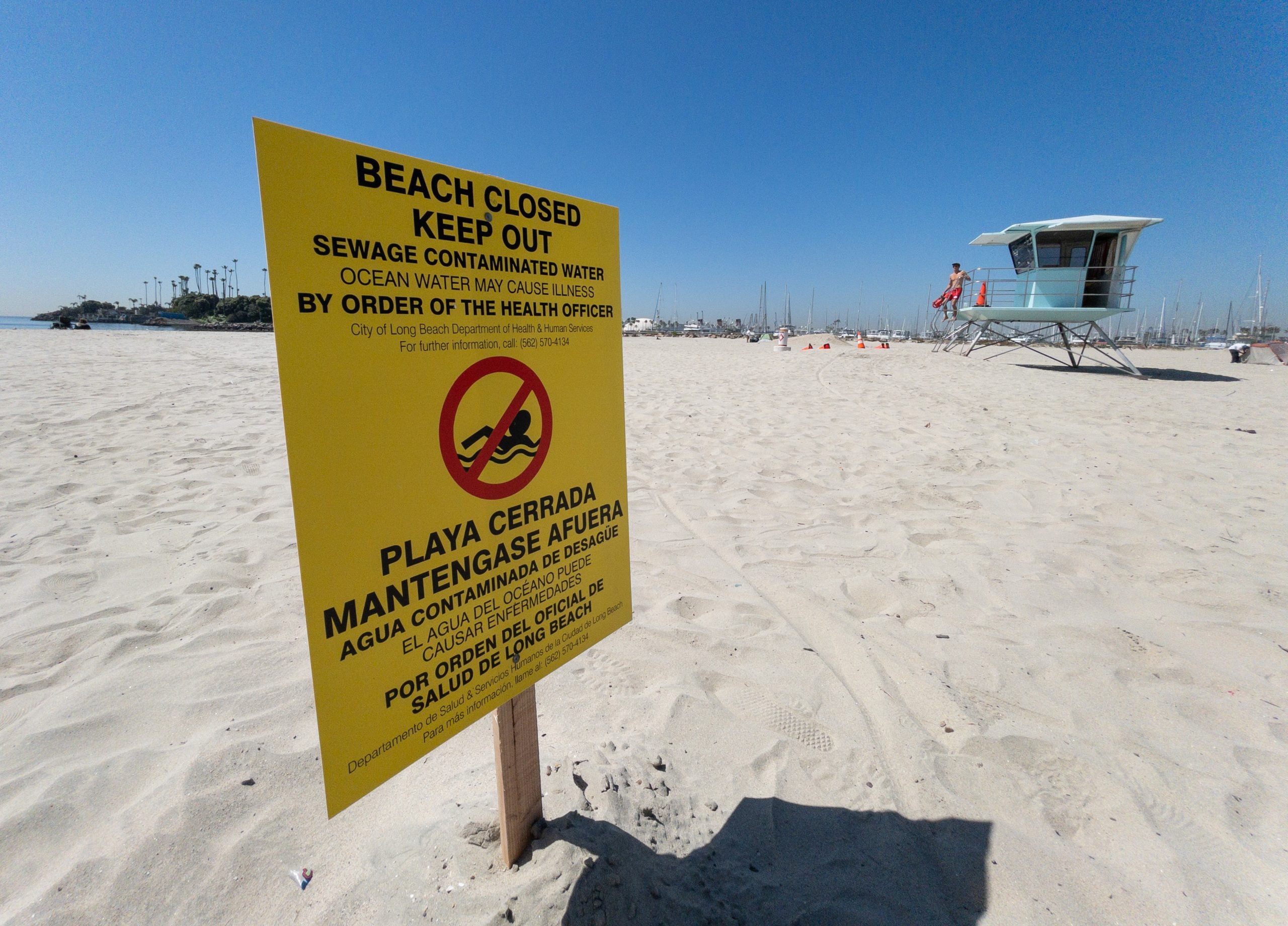
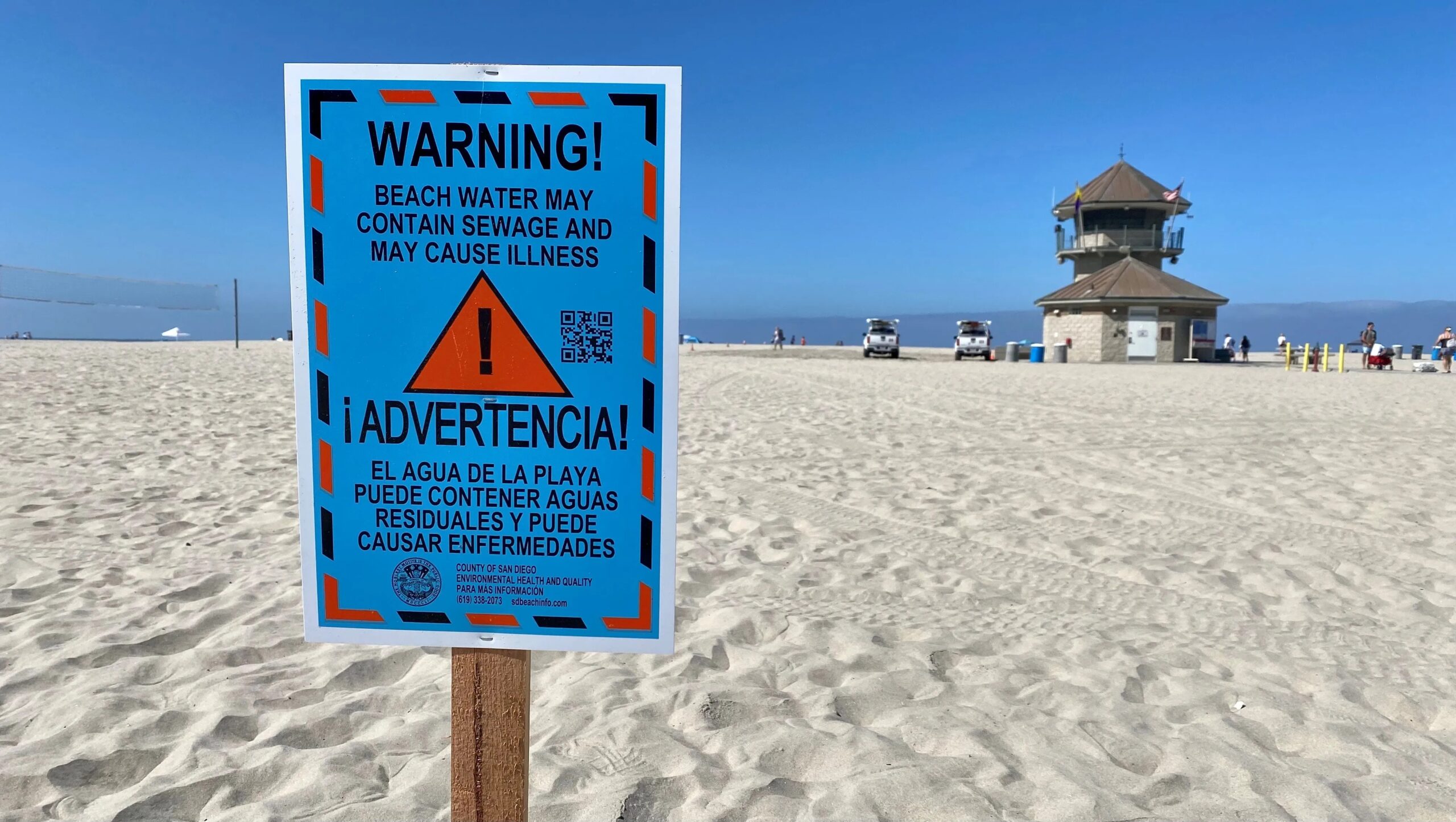
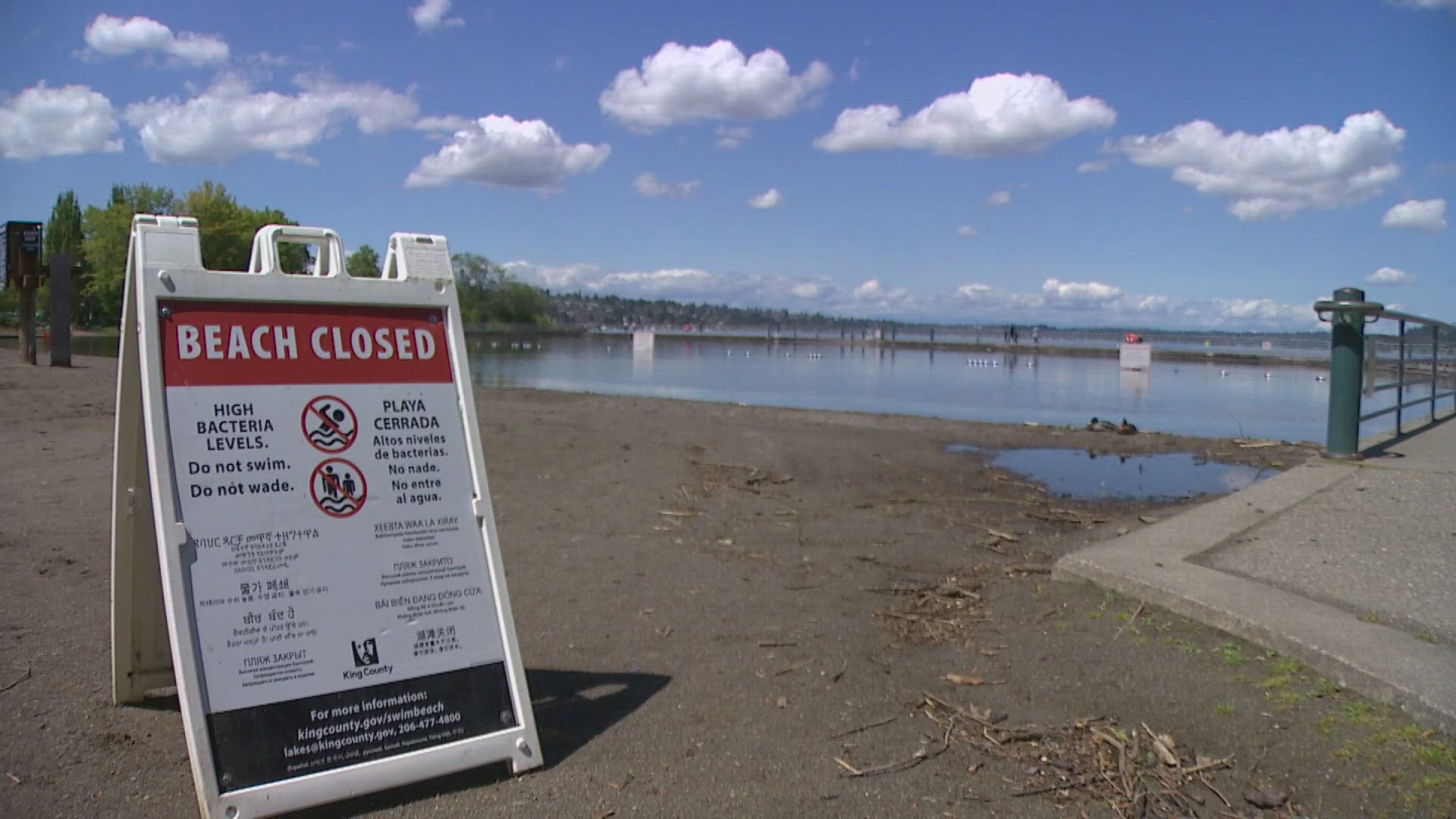
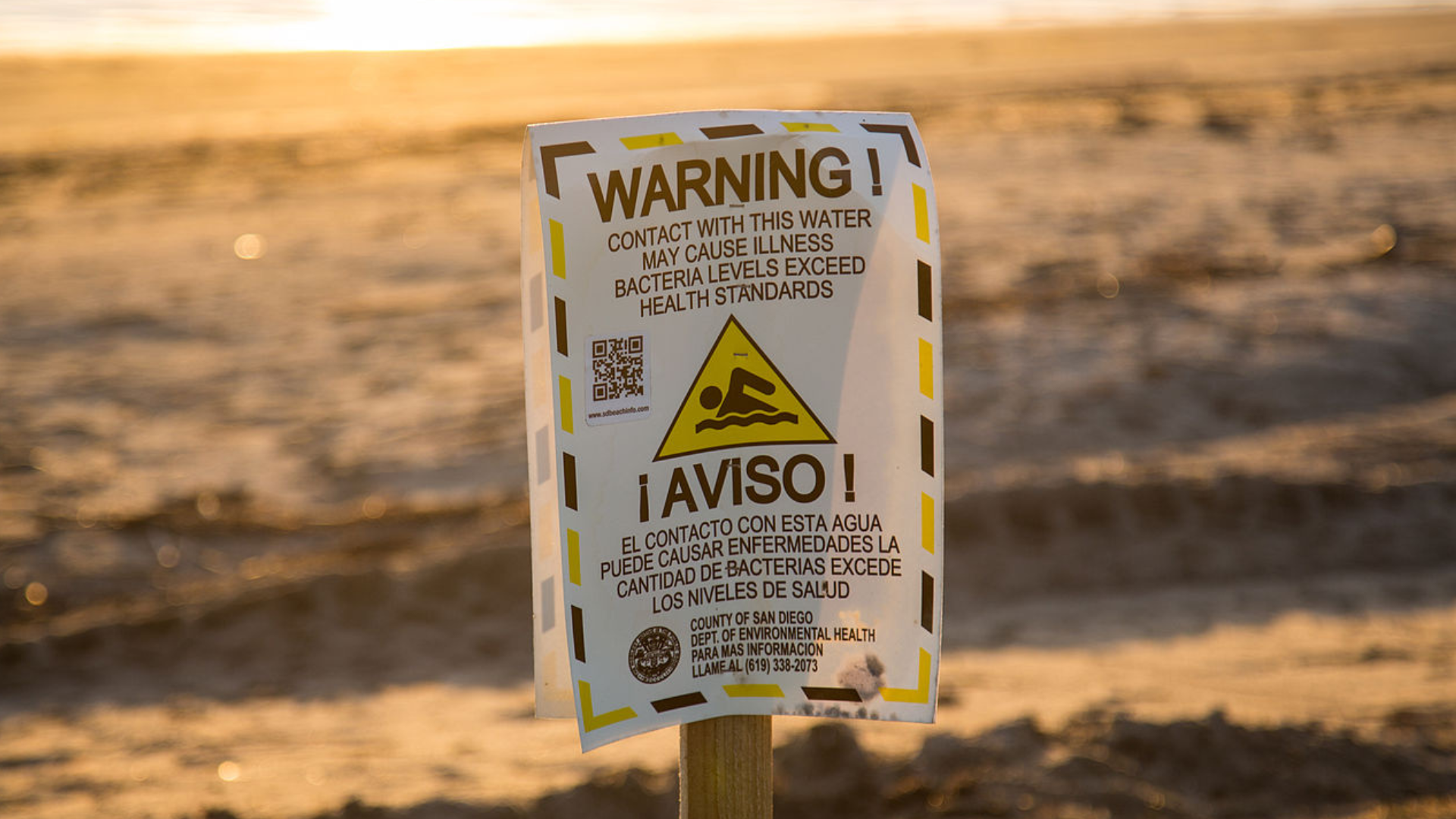
Bacteria levels drive beach closures because they serve as the primary indicator of fecal contamination in the water. High concentrations of specific bacteria, such as Enterococci and Escherichia coli, signal the presence of pathogens—including viruses, parasites, and harmful bacteria—that significantly increase the risk of gastrointestinal, respiratory, and skin infections for recreational water users.
Contents
The Role of Indicator Organisms in Water Safety
When public health officials monitor beach water, they rarely test for specific pathogens like Norovirus, Giardia, or Cryptosporidium. Testing for every potential disease-causing agent is prohibitively expensive, technically complex, and time-consuming. Instead, scientists use indicator organisms. These are bacteria that are commonly found in the intestines of warm-blooded animals and humans. While the indicator bacteria themselves may not always cause severe illness, their presence in large numbers suggests that human or animal waste has entered the water system.
In 2026, the two most common indicators remain Enterococci (preferred for marine and brackish water) and Escherichia coli (E. coli, preferred for freshwater). These organisms are chosen because they are easier to detect, correlate strongly with the presence of other pathogens, and survive in the environment for durations similar to the pathogens they represent. When a water sample exceeds the "Statistical Threshold Value" set by environmental agencies, it triggers a public health advisory or a full beach closure to prevent an outbreak of Recreational Water Illnesses (RWIs).
Primary Sources of Bacterial Contamination
Understanding why bacteria levels spike requires looking at the surrounding landscape and infrastructure. Bacteria do not simply appear; they are transported into coastal and lake waters through several specific pathways.
Stormwater Runoff and the "First Flush"
Stormwater is the leading cause of beach water quality degradation. When heavy rain falls on urban environments, it washes everything on the streets—pet waste, fertilizer, litter, and wildlife droppings—directly into storm drains. In many coastal communities, these drains lead directly to the ocean without treatment. The "first flush," or the initial period of a rainstorm, typically carries the highest concentration of bacteria. This is why many health departments issue standing 72-hour advisories against swimming following significant rainfall.
Combined Sewer Overflows (CSOs)
In older municipalities, the systems designed to carry rainwater are the same systems that carry raw sewage to treatment plants. During intense storms, these systems can become overwhelmed. To prevent sewage from backing up into homes, "relief valves" allow the excess mixture of rainwater and untreated sewage to discharge directly into nearby water bodies. These events represent the most hazardous spikes in bacteria levels, often leading to immediate and mandatory beach closures.
Wildlife and Domestic Animals
Concentrated populations of birds, such as seagulls or geese, can contribute significantly to local bacteria loads. In enclosed bays or beaches with little wave action, the accumulation of bird droppings can be enough to push bacteria levels past safety thresholds. Similarly, dog-friendly beaches that lack rigorous waste-disposal compliance often see higher baseline bacteria levels than restricted beaches.
The Science of Thresholds: How Much is Too Much?
The Environmental Protection Agency (EPA) and local health departments establish safety thresholds based on epidemiological studies. These studies determine the "acceptable" level of risk for swimmers. As of 2026, the standard metric focuses on the number of illnesses expected per 1,000 primary contact recreators.
| Indicator Organism | Environment | Safety Threshold (Guideline) | Common Sources |
|---|---|---|---|
| Enterococci | Marine / Saltwater | 35 CFU per 100 mL | Sewage, pet waste, wildlife |
| E. coli | Freshwater / Lakes | 126 CFU per 100 mL | Agricultural runoff, CSOs |
| Fecal Coliform | General (Historical) | 200 CFU per 100 mL | General fecal contamination |
Note: CFU stands for Colony Forming Units. Local jurisdictions may use more stringent standards based on regional health data.
If a sample exceeds these levels, the risk of contracting a gastrointestinal illness is considered too high for the general public. For individuals with compromised immune systems, the elderly, or young children, even levels slightly below these thresholds can be problematic.
Health Risks Associated with High Bacteria Levels
Exposure to contaminated beach water can lead to a variety of health issues, collectively known as Recreational Water Illnesses (RWIs). These occur when contaminated water is swallowed, inhaled as a mist, or comes into contact with broken skin.
- Gastrointestinal Distress: This is the most frequent result of swimming in high-bacteria water. Symptoms include nausea, vomiting, diarrhea, and stomach cramps. These are often caused by pathogens like Shigella or Norovirus that travel alongside the indicator bacteria.
- Skin Infections: Bacteria and fungi in the water can cause rashes, "swimmer's itch," or more serious infections in open cuts.
- Ear and Eye Infections: High bacteria levels are frequently linked to Otitis externa (swimmer's ear) and conjunctivitis.
- Respiratory Issues: Inhaling water droplets containing bacteria or viruses can lead to coughs, chest congestion, and in rare cases, more severe infections like Legionnaires' disease.
The Monitoring Process and the "Lag Time" Problem
One of the greatest challenges in beach management is the time required to process water samples. Traditional culture-based methods require incubating the bacteria for 18 to 24 hours to see how many colonies grow. This means that a beach closure posted on a Tuesday is often based on water quality from Monday.
To combat this, many coastal managers in 2026 have shifted toward quantitative Polymerase Chain Reaction (qPCR) testing. This molecular method detects the DNA of indicator bacteria rather than waiting for them to grow, providing results in as little as 2 to 4 hours. Additionally, predictive modeling—using rainfall data, tide cycles, and water temperature—is increasingly used to issue "precautionary" closures before the bacteria levels are even measured.
Environmental Factors Influencing Bacteria Persistence
Once bacteria enter the water, their lifespan is dictated by environmental conditions. This explains why a beach might be closed for one day and open the next, or why some beaches stay closed for weeks.
- UV Radiation (Sunlight): Sunlight is a natural disinfectant. Strong UV rays can kill indicator bacteria relatively quickly. Beaches often see lower bacteria levels during periods of sustained, bright sunshine.
- Water Temperature: Many bacteria thrive in warmer water. As ocean and lake temperatures rise, bacteria may survive longer or even regrow in nutrient-rich sediments.
- Turbidity and Sediment: Bacteria often "hitch a ride" on suspended solids or sediment. If the water is murky or turbid due to wave action, bacteria are protected from UV light and can remain viable for longer periods.
- Tides and Circulation: Poorly flushed beaches—such as those inside harbors or behind breakwaters—retain contaminated water longer than "open ocean" beaches with high wave energy and strong currents.
Frequently Asked Questions
Why can't I swim if the water looks clear? Water clarity (turbidity) is not a reliable indicator of bacterial safety. Microscopic pathogens can be present in high concentrations even in crystal-clear water. Conversely, brownish water might just be stained by natural tannins or stirred-up sand, which are not necessarily harmful. Only laboratory testing can confirm bacterial safety.
Can I get sick from walking on the sand at a closed beach? While the primary risk is from immersion in the water, bacteria can persist in moist sand. Studies have shown that sand can sometimes harbor higher concentrations of bacteria than the water itself. It is generally recommended to wash your feet and hands after visiting a beach with a water quality advisory, especially before eating.
Does a beach closure mean the water is permanently polluted? No. Most beach closures are temporary responses to transient events like heavy rain or a specific equipment failure at a treatment plant. Once the source of the bacteria is mitigated and natural processes (like UV exposure and tidal flushing) dilute the water, levels usually return to safe baselines within 24 to 72 hours.
How can I check the water quality before I go to the beach? In 2026, most state and local health departments provide real-time data through dedicated water quality portals or mobile apps. The EPA’s BEACH Act requirements ensure that coastal states must maintain public-facing monitoring systems. Always look for physical signs posted at beach entrances, which are the most up-to-date source of information.
Next Steps for Beachgoers
Before heading out, always verify the current status of your local coastline through official health department websites. If a beach is under advisory, respect the signs; the risk of gastrointestinal illness is a statistically verified reality based on the bacteria levels measured. To help improve water quality in the long term, residents can reduce their "bacterial footprint" by picking up pet waste, maintaining septic systems, and supporting local green infrastructure projects that reduce stormwater runoff.
Image Gallery