What's New in Snowboarder News Today: Latest Industry Updates, Gear, and Events
Snowboarder news today covers a fast-moving landscape shaped by cutting-edge equipment releases, major competitive circuit updates, environmental advocacy within alpine resorts, and evolving media platforms documenting the sport. Wheth...
Snowboarder news today covers a fast-moving landscape shaped by cutting-edge equipment releases, major competitive circuit updates, environmental advocacy within alpine resorts, and evolving media platforms documenting the sport. Whether you are tracking the latest professional contest results, analyzing structural changes in resort access, or researching technical advances in board profiles and binding technology, staying informed requires sorting through an array of specialized outlets and direct industry communications.
Contents
Understanding the Current Snowboarding Media and News Ecosystem
To accurately interpret what is happening in the snowboarding world today, it helps to understand how information flows through the industry. The modern snowboarding news ecosystem is decentralized, split between heritage print-turned-digital publications, athlete-driven social media channels, gear review labs, and competitive sanctioning bodies.
Historically, monthly print magazines served as the primary gatekeepers of culture, gear reviews, and professional storytelling. Today, real-time updates dominate. Major digital platforms publish daily dispatches ranging from injury reports and film trailer drops to corporate acquisitions among major parent companies that own multiple hardgoods and softgoods brands.
When looking for reliable updates, readers typically divide their attention across several key verticals:
- Hardgoods and Softgoods Innovation: Material science updates, manufacturing shifts, and safety certifications.
- Competitive Tours: World Cup standings, Natural Selection Tour updates, and Olympic qualification pathways.
- Culture and Media: Full-length movie premieres, independent video parts, and documentary features.
- Resort Access and Environmental Policy: Climate impact studies, lift ticket pricing trends, and backcountry access regulations.
Major Gear and Equipment Innovations
Equipment design continues to evolve as manufacturers experiment with new core materials, hybrid camber profiles, and sustainable production methods. Understanding these shifts helps consumers make informed purchasing decisions and explains why certain products dominate contemporary gear tests.
Materials and Core Construction
Modern snowboard construction has largely moved away from traditional, uniform wood cores toward complex, multi-species matrices. Brands utilize stringers made of bamboo, carbon fiber, and basalt to tune torsional flex and pop without adding excess weight. For example, integrating carbon-infused strips beneath the binding inserts allows for immediate energy transfer to the edges while maintaining a playful, buttery tip and tail.
Base and Topsheet Technology
Sintered bases have become the industry standard for high-end freeride and all-mountain boards, offering superior wax retention and speed. Simultaneously, manufacturers are adopting bio-resins derived from plant-based waste products instead of petroleum-based epoxies, reducing the carbon footprint of production without compromising delam resistance.
Step-On and Quick-Entry Bindings
The debate between traditional strap bindings and step-in or quick-entry systems remains a major talking point in gear news. Systems like Burton’s Step On, along with competing offerings from brands such as Nidecker (Supermatic) and Clew, have captured significant market share. Recent updates focus on reducing mechanical ice buildup, improving lateral ankle mobility, and expanding compatibility across various boot brands.
| Binding Type | Primary Advantage | Main Limitation | Best Suited For |
|---|---|---|---|
| Traditional Strap | Maximum adjustability, secure wrap, universal boot compatibility | Slower entry/exit, requires sitting or bending down in deep snow | Freestyle, park riders, backcountry explorers |
| Step-On / Mechanical | Rapid entry and exit, efficient transition times | Higher initial cost, requires compatible boots (system-dependent) | Resort riders, instructors, all-mountain cruisers |
| Rear-Entry (Speed-Entry) | Convenience of quick-entry with traditional highback feel | Heavier overall weight, mechanical moving parts require maintenance | Beginners, casual resort riders |
Competitive Snowboarding and Event Circuits
The competitive calendar dictates a substantial portion of daily snowboard news, particularly during the winter competition window. The landscape is split between traditional judged events (slopestyle, halfpipe, big air), boardercross, and progressive backcountry freeride competitions.
FIS World Cup and Olympic Pathways
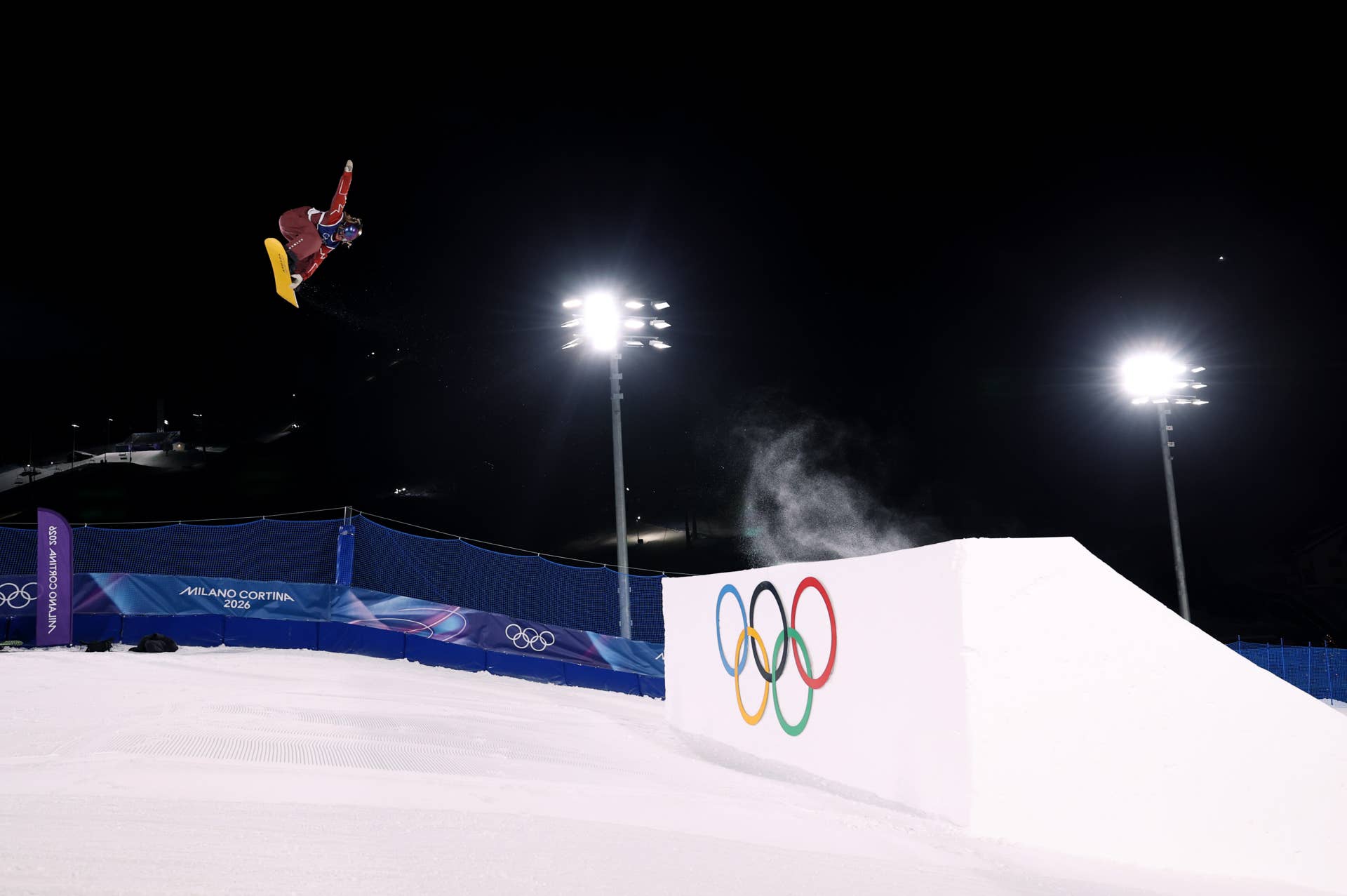
The International Ski and Snowboard Federation (FIS) oversees the World Cup circuit, which serves as the primary qualification pathway for the Winter Olympic Games. News in this sector frequently centers on course design safety, judging criteria consistency, and the physical toll of increasingly difficult spin-to-win rotations, such as triple and quadruple corks.
The Natural Selection Tour
Founded by Travis Rice, the Natural Selection Tour has redefined competitive freeriding. By utilizing natural, feature-rich mountain terrain enhanced with strategically placed man-made drops and jumps, the tour showcases elite backcountry riders in a head-to-head format. News regarding the tour typically focuses on weather window waiting periods, location announcements, and broadcast innovations that bring remote alpine environments to global streaming audiences.
Resort Operations, Access, and Environmental Initiatives
Beyond gear and competition, the business of snowboarding faces significant structural challenges related to climate change, pass consolidation, and local community access.
Multi-Mountain Passes and Pricing Trends
The dominance of mega-passes, such as the Epic Pass and Ikon Pass, continues to reshape resort economics. While these passes offer unprecedented access to dozens of resorts worldwide for a single upfront price, they also spark ongoing debates regarding weekend overcrowding, parking availability, and the economic viability of independent ski areas. Industry news regularly tracks pass price adjustments, acquisition of regional resorts by major parent corporations, and reservation system implementations.
Climate Change and Sustainable Operations
Snowmaking technology, renewable energy adoption, and carbon-neutral resort targets are central to modern environmental reporting. As shifting weather patterns shorten natural snow seasons in lower-elevation regions, resorts rely heavily on energy-efficient high-efficiency snowguns and water-management systems to open terrain on schedule.
Frequently Asked Questions
Where can I find reliable, daily updates on snowboarding news?
Reliable updates come from dedicated media outlets such as Snowboarder Magazine, TransWorld SNOWboarding (archival and digital features), Whitelines, and independent digital platforms like StaleLife or athlete-operated channels. Checking official sanctioning bodies like the FIS and tour organizers like the Natural Selection Tour provides direct access to competition schedules and official results.
What are the biggest technological trends in new snowboards?
Current trends emphasize sustainability, including bio-resins and recycled base materials, alongside advanced core profiling that uses carbon and bamboo stringers to optimize weight-to-strength ratios. Additionally, quick-entry and step-on binding ecosystems continue to drive significant hardware innovation and consumer discussion.
How are climate changes affecting modern snowboard resorts?
Resorts are adapting to shifting weather patterns by investing heavily in high-efficiency, automated snowmaking infrastructure, diversifying into year-round mountain biking and summer activities, and implementing corporate sustainability frameworks to reduce greenhouse gas emissions.
What is the difference between traditional freeride boards and freestyle boards?
Freestyle boards typically feature a true twin or directional twin shape, softer to medium flex, and a centered stance designed for park riding, switch riding, and rails. Freeride boards feature a directional shape, setback stances, stiffer flex profiles, and longer noses designed to float effortlessly in deep powder and hold high-speed stability on steep descents.
How do elite riders qualify for major international competitions?
Riders accumulate FIS points through a hierarchy of continental cups, national championships, and World Cup events. Consistent podium finishes and adherence to strict anti-doping and safety guidelines secure qualification spots for elite international events and the Winter Olympic Games.
Next Steps for Enthusiasts
To stay fully engaged with what is happening in the snowboarding world today, audit your information sources. Bookmark reputable gear review labs before making major purchasing investments, follow official event broadcasts for real-time contest coverage, and support local independent mountains or environmental non-profits working to preserve winter climates. By understanding the intersection of gear technology, competitive dynamics, and resort operations, you can navigate the modern snowboarding landscape with clarity and insight.
Image Gallery