Why the Newark to Chicago Flight is Usually the Smarter Choice
Choosing Newark Liberty International Airport (EWR) over JFK or LaGuardia for a flight to Chicago offers superior frequency, better transit integration, and the reliability of a massive hub-to-hub network. For business and leisure trav...
Choosing Newark Liberty International Airport (EWR) over JFK or LaGuardia for a flight to Chicago offers superior frequency, better transit integration, and the reliability of a massive hub-to-hub network. For business and leisure travelers in 2026, the Newark-to-O'Hare corridor remains the most efficient and resilient way to bridge these two economic centers.
Contents
The Hub-to-Hub Advantage: Frequency and Resilience
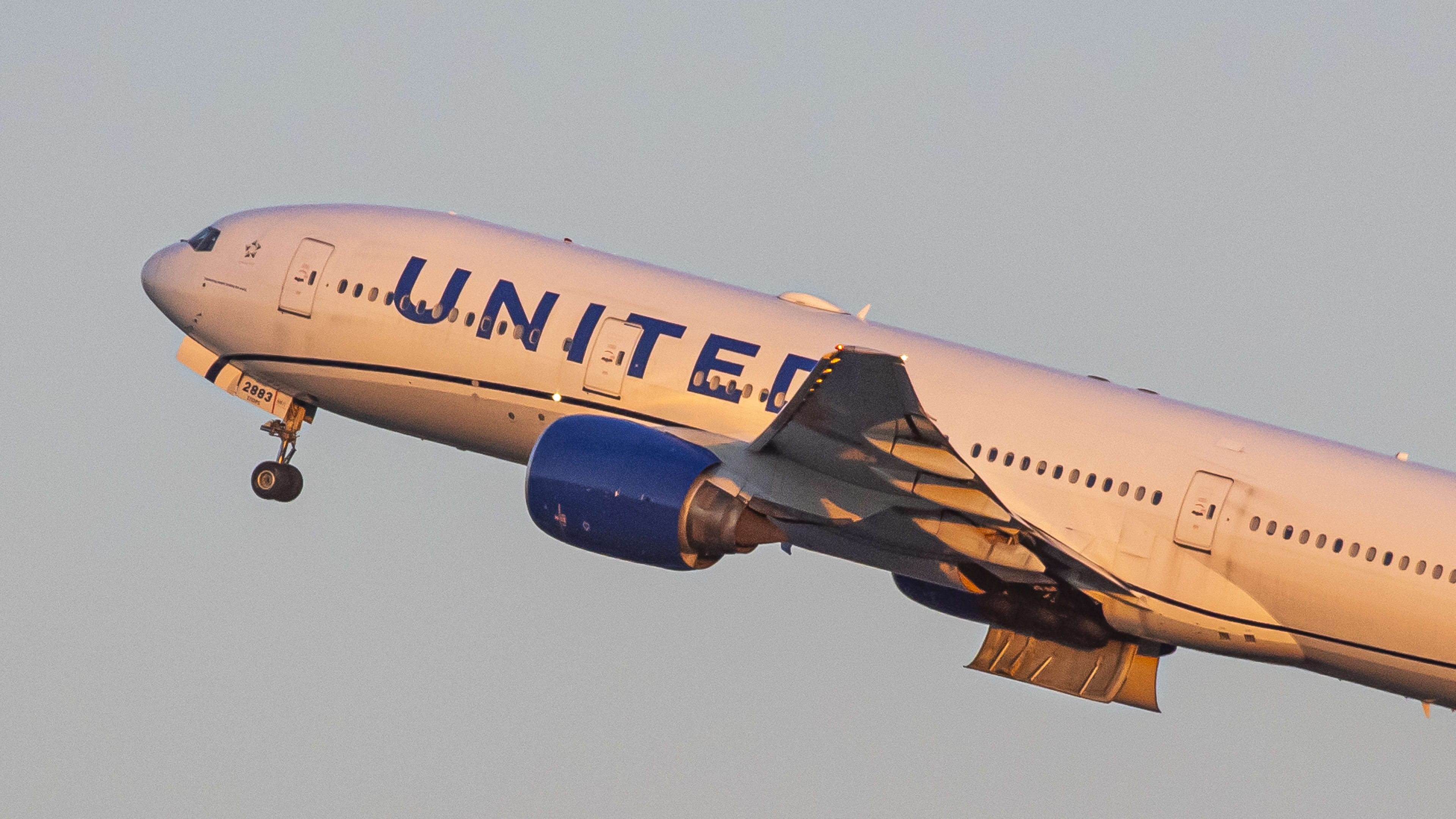
The primary reason the Newark to Chicago route is considered the "smarter" choice lies in the structural strength of the airline networks serving it. Newark is a primary global hub for United Airlines, and Chicago O’Hare (ORD) serves as its central headquarters and largest connecting hub. This "hub-to-hub" relationship creates a level of service frequency that point-to-point routes simply cannot match.
In 2026, United Airlines maintains a nearly hourly "shuttle-style" frequency between EWR and ORD. For a business traveler, this means that if a morning meeting in Manhattan runs late, there is almost certainly a flight departing in the next 60 to 90 minutes. This high density of operations provides a safety net that is unavailable at airports like LaGuardia (LGA) or John F. Kennedy (JFK) for this specific destination.
Protection Against Irregular Operations (IRROPS)
Aviation is inherently subject to delays caused by weather, air traffic control (ATC) congestion, or mechanical issues. When a flight is canceled at an airport where the airline only has two or three daily departures, passengers are often stranded until the next day. However, on the EWR-ORD route, the sheer volume of aircraft moving between these two points allows airlines to "re-protect" passengers quickly.
If a 2:00 PM flight from Newark is grounded, the airline can often distribute those passengers across the 3:00 PM, 4:00 PM, and 5:00 PM departures. This operational redundancy is the ultimate insurance policy for anyone whose schedule cannot tolerate a 24-hour delay.
Ground Transportation: The Efficiency of the Rails
Accessibility is a major factor in determining which New York-area airport is the most logical choice. While JFK is often the go-to for international travel and LGA is praised for its proximity to North Queens and the Upper East Side, Newark Liberty International Airport offers the most integrated rail-to-air experience in the region.
The NJ Transit and Amtrak Connection
For those departing from Manhattan’s West Side, Chelsea, or the Financial District, Newark is frequently faster to reach than JFK. The journey from New York Penn Station to the Newark Liberty International Airport Station takes approximately 22 to 25 minutes via NJ Transit or Amtrak.
From the airport station, the AirTrain connects passengers to the terminals in less than 10 minutes. In contrast, reaching JFK via the Long Island Rail Road (LIRR) and the AirTrain often takes 45 to 60 minutes, and reaching LGA remains dependent on the M60-SBS bus or expensive ride-shares that are subject to the unpredictable traffic of the Grand Central Parkway.
The "West Side" Bias
Manhattan is the primary driver of NYC-Chicago travel. With the continued development of Hudson Yards and the tech corridor in Lower Manhattan, Newark’s geographic positioning becomes even more advantageous. The Lincoln Tunnel and the Holland Tunnel provide direct vehicular access to EWR that avoids the notorious "cross-town" traffic required to reach the East River bridges and tunnels heading toward JFK or LGA.
Terminal Infrastructure: The New Newark Experience
Historically, Newark suffered from a reputation of aging infrastructure. However, by 2026, the completion and stabilization of the new Terminal A have fundamentally changed the passenger experience. This $2.7 billion facility was designed specifically to handle high-volume domestic and regional traffic with modern efficiency.
Digital Integration and Security Speed
Terminal A features state-of-the-art security screening lanes and a layout designed to minimize walking distances. The integration of TSA PreCheck and CLEAR is more seamless here than in the older, more cramped corridors of LGA’s Terminal B or JFK’s Terminal 4. For the Chicago traveler, who is often a frequent flyer, the ability to clear security in under 10 minutes is a significant "smart" factor.
Lounge Access and Productivity
Because EWR is a major hub, the lounge ecosystem is far more developed than at competing airports for domestic routes. United Airlines operates multiple United Clubs and a flagship Polaris Lounge (though the latter is reserved for long-haul international, the presence of such infrastructure improves the overall service level of the airport).
For travelers on the Newark-Chicago route, having access to high-speed Wi-Fi, quiet workspaces, and reliable dining options before a flight is a prerequisite for productivity. The lounges at EWR are built to accommodate the "road warrior" demographic that dominates the Chicago corridor.
Comparing NYC Airports for Chicago-Bound Travelers
When deciding between EWR, JFK, and LGA, it is helpful to look at the metrics that actually impact a traveler's day. The following table compares the typical experience for a flight to Chicago in 2026.
| Factor | Newark Liberty (EWR) | LaGuardia (LGA) | John F. Kennedy (JFK) |
|---|---|---|---|
| Primary Carriers | United, American | Delta, American, United | JetBlue, Delta, American |
| Daily Frequencies (to ORD) | Very High (25+) | Moderate (15+) | Low to Moderate (8+) |
| Transit from Mid-Manhattan | 25-40 mins (Train/Car) | 30-60 mins (Car/Bus) | 60-90 mins (Train/Car) |
| Hub Resilience | Excellent (Hub-to-Hub) | Moderate | Low (Domestic Point) |
| Terminal Quality | Excellent (New Term A) | Excellent (Recent Rebuild) | Variable by Terminal |
| Reliability | High (More runway space) | Moderate (Slot restricted) | Low (ATC congestion) |
Chicago Destination Dynamics: O’Hare vs. Midway
While the "smart" choice often focuses on the departure airport, the destination plays a role. Newark offers robust service to both Chicago O’Hare (ORD) and Chicago Midway (MDW).
The Case for O'Hare (ORD)
O’Hare is the destination for the vast majority of Newark flights. It is located closer to the northern suburbs and the O’Hare office corridor. By 2026, the O’Hare 21 transformation project has made significant strides, improving the arrival experience in Terminal 5 and the central concourses. If your business is in the Loop or the North Side, EWR to ORD is the gold standard.
The Case for Midway (MDW)
For travelers looking for lower fares or those staying on the South Side or in the Southwest suburbs, Newark also serves as a gateway for Southwest Airlines into Midway. While Midway is smaller and often easier to navigate, it lacks the massive frequency and "re-protection" capabilities of the United hub-to-hub network at O’Hare. For most professional travelers, the Newark-to-O’Hare route remains the smarter choice due to the sheer number of options.
Cost and Value Analysis
In 2026, airfares have stabilized following the volatility of the early 2020s. On the Newark-Chicago route, competition between United and American Airlines keeps prices sharp. While LGA sometimes offers "teaser" rates for mid-day flights, Newark often provides better value when you factor in the "total cost of trip."
- Transport Costs: A train ticket to EWR is significantly cheaper than a $90+ Uber or Lyft to JFK or LGA during surge pricing.
- Time Value: For a high-earning professional, the hour saved by choosing Newark’s rail connection over JFK’s traffic can be valued at hundreds of dollars.
- Loyalty Rewards: Because EWR is a major hub, travelers can more easily consolidate their "miles" or "points" into a single ecosystem (like United MileagePlus), leading to faster status accrual and better upgrade opportunities.
Operational Stability: Air Traffic and Weather
One of the technical reasons Newark is a smarter choice involves the physical layout of the airport compared to LaGuardia. LGA is a "slot-controlled" airport with short, intersecting runways. When heavy rain or wind hits the Northeast, LGA is often the first airport to implement ground stops or significant delays because its operational margins are thinner.
Newark, while not immune to weather, has a larger airfield footprint and more modern ATC integration with the New York TRACON (Terminal Radar Approach Control). This allows EWR to maintain a higher arrival and departure rate during marginal weather conditions than LGA. For a Chicago-bound traveler—especially in the winter when lake-effect snow or heavy winds are common at both ends—Newark offers a marginally better chance of an on-time departure.
Frequently Asked Questions
Is Newark actually closer to Manhattan than JFK?
Geographically, Newark is about 15 miles from Midtown Manhattan, while JFK is about 18 miles. However, "closeness" is better measured in time. Because of the direct rail link from Penn Station, Newark is often 20 to 30 minutes "closer" in travel time than JFK for those in Western and Central Manhattan.
Which airline offers the best service from Newark to Chicago?
United Airlines is the dominant carrier on this route, offering the most frequent service and the best infrastructure at both Newark (Terminal C and Terminal A) and O’Hare (Terminal 1). American Airlines also provides a competitive product, particularly for those who hold status within the Oneworld alliance.
Can I fly from Newark to Midway instead of O'Hare?
Yes, Southwest Airlines operates flights from Newark to Chicago Midway (MDW). This is an excellent "smart" choice if your final destination is the Chicago Loop or the South Side, as Midway is closer to downtown than O’Hare. However, you will have fewer daily flight options compared to the O'Hare route.
How early should I arrive at Newark for a Chicago flight in 2026?
Even with the efficiencies of Terminal A, it is recommended to arrive at least 90 minutes before a domestic flight if you have TSA PreCheck or CLEAR, and 2 hours if you do not. This allows for the AirTrain transfer and any unexpected security surges.
Is the AirTrain at Newark reliable?
By 2026, the Newark AirTrain has undergone significant maintenance and is part of a larger replacement project. While generally reliable for terminal transfers, travelers should always check the Port Authority of NY & NJ website for real-time service alerts before heading to the airport.
Practical Recommendation for Travelers
If you are traveling between the New York metropolitan area and Chicago in 2026, your "smartest" move is to book a United Airlines flight from Newark (EWR) to O'Hare (ORD).
To maximize this choice, use the NJ Transit or Amtrak rail link from Penn Station or Newark Penn Station to avoid tunnel traffic. Aim for a departure from Terminal A if possible, as it represents the peak of modern domestic airport design. This combination of rail efficiency, hub-to-hub frequency, and superior terminal infrastructure ensures that even if obstacles arise, you have the most options to reach your destination on time.
Image Gallery